Hunting Wild Hogs

How Fast Do Wild Hogs Reproduce?

Hog Hunting Georgia

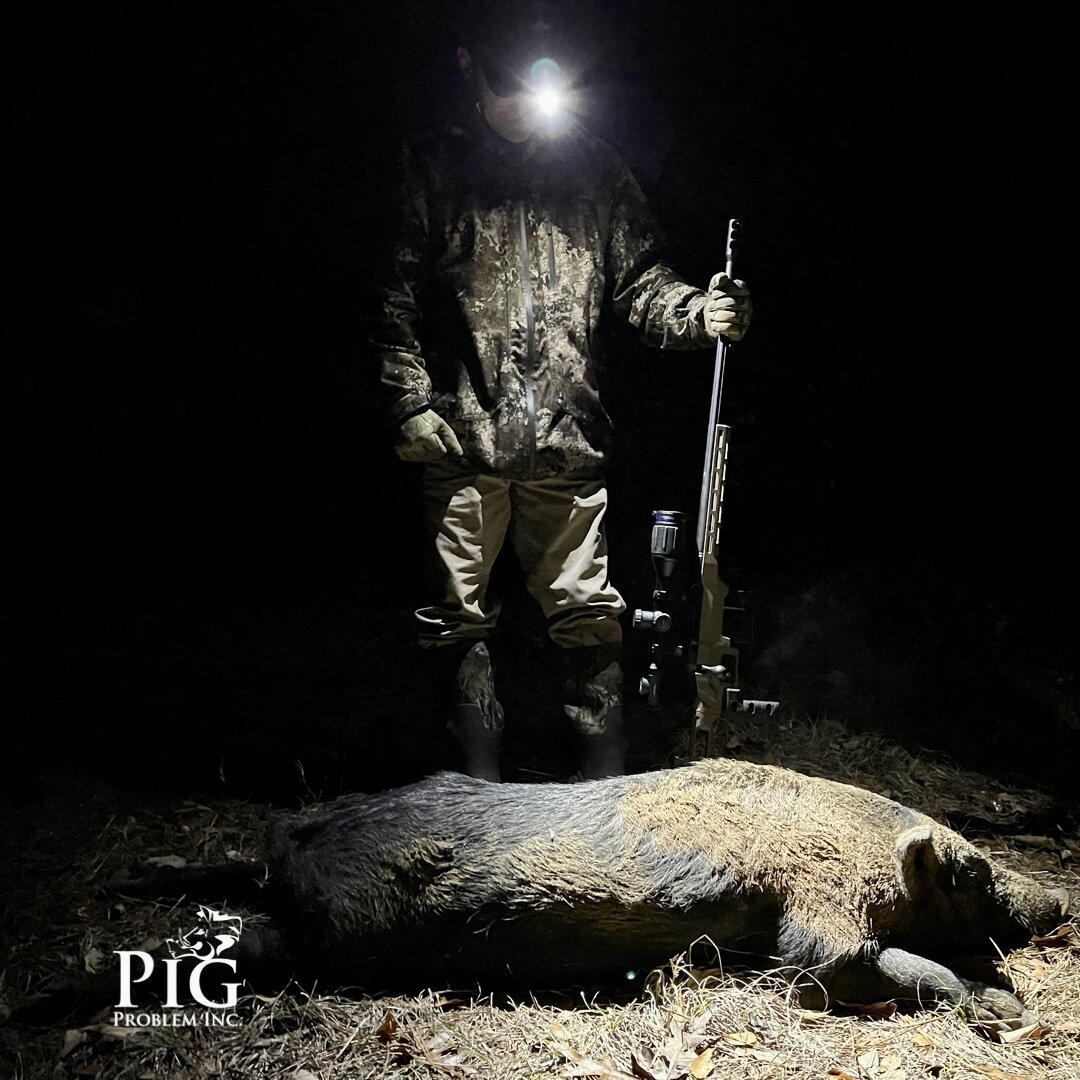
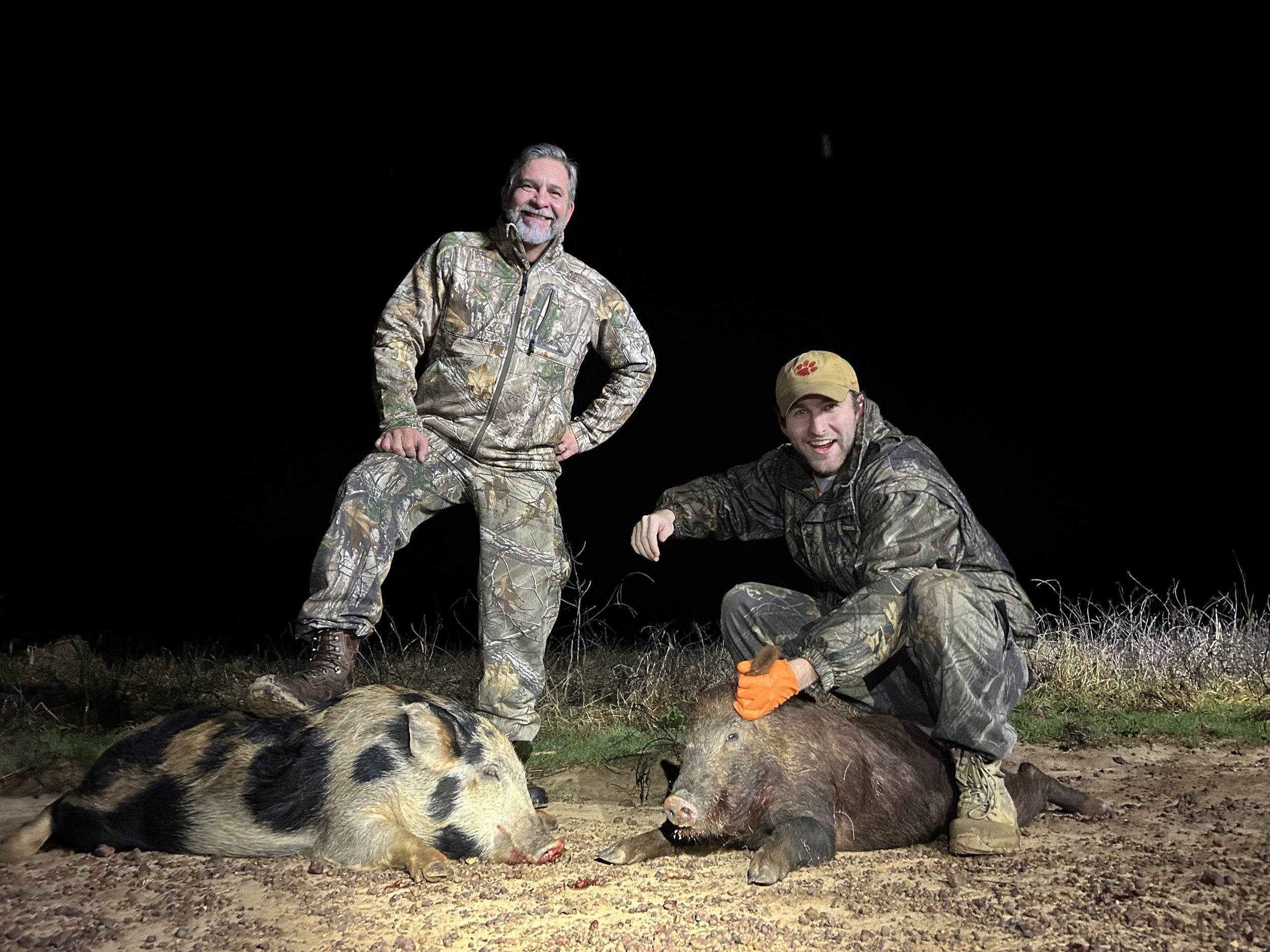
Photo: Hog Hunting In Georgia @PigProblem

Wild hogs are one of the fastest-reproducing large animals in North America. While crop damage and land destruction often get the most attention, the real reason wild hogs have become such a massive problem is how quickly their population grows.

If wild hog numbers aren’t controlled, their population can increase at an alarming rate in just a few years.

Across much of the southern United States—including Georgia—this rapid reproduction is the driving force behind the growing Feral Hog Problem.

When Wild Hogs Start Reproducing

One reason hog populations grow so quickly is that females begin reproducing at a very young age.

A female hog, called a sow, can begin breeding when she is only 6 to 8 months old. This means hogs born in one season may already be capable of producing piglets before the year is over.

Unlike many wild animals that breed during a short seasonal window, wild hogs can reproduce year-round when food and habitat conditions are good.

How Many Piglets Do Wild Hogs Have?

Wild hogs typically produce 4 to 12 piglets per litter, though the average litter size is usually around 5 to 6 piglets.

Even more concerning is that a sow can produce two litters per year under the right conditions.

This means a single female hog could potentially produce 10 or more piglets in just one year.

When multiple sows exist within the same group, the population growth becomes extremely rapid.

The Wild Hog Population Explosion

Wild Hogs usually travel in family groups called sounders, which often include several adult females and their young.

Because multiple sows within a sounder can reproduce at the same time, a small group of hogs can quickly turn into a large population.

Wildlife experts often estimate that hog populations can increase by 100% to 200% in a single year if they are not controlled.

In other words, a property with 20 hogs this year could potentially have 40 or even 60 hogs the next year if nothing is done to reduce their numbers.

Over several years, that growth becomes exponential.

Wild hog reproduction is one of the main reasons they cause so much damage across the country. If you want to learn more about the destruction they cause to farms and land, read our article on why wild hogs are the most destructive animal in America.

The Pig Problem in Georgia

The rapid reproduction of wild hogs is one of the main reasons they have spread across most of Georgia.

South Georgia in particular offers ideal conditions for Feral Hogs. The region has:

  • Abundant farmland

  • Thick cover and river bottoms

  • A year-round food supply

Agricultural crops such as corn, peanuts, cotton, and soybeans provide a constant food source for hogs, allowing populations to grow quickly.

Because food is plentiful and winters are mild, sows in this region often produce litters regularly.

Without control efforts, hog numbers in agricultural areas could grow extremely quickly and cause major damage to farmland.

What Happens If Hog Populations Aren’t Controlled

Because of their reproductive rate, wild hog populations can explode if they are left unmanaged.

Studies and wildlife management models suggest that if hog populations were completely left alone, their numbers could grow three to four times larger within just a few years.

In agricultural areas like South Georgia, that would mean significantly more crop destruction, rooting damage, and competition with native wildlife.

This is why wildlife agencies, landowners, and farmers often rely on active population control methods, including trapping and hunting.

Why Population Control Matters

Controlling wild hog numbers is not about eliminating them entirely—it’s about slowing the rapid growth of their population.

Without regular removal of hogs from the landscape, their reproduction rate quickly replaces any losses and populations continue to grow.

This is one reason why Night Hog Hunting has become such an important tool for managing hog populations across the South.

The guides at Pig Problem spend countless nights helping reduce hog numbers in South Georgia while giving hunters the chance to experience the excitement of Thermal Hog Hunting.

While one Hog Hunt won’t eliminate the problem entirely, every hog removed helps slow the population growth and reduce damage to farms and land.

The Real Problem

Wild hogs aren’t just destructive—they reproduce faster than most control efforts can keep up with.

As long as ideal habitat and food sources exist, their population will continue to grow unless active steps are taken to manage it.

And in places like South Georgia, where farmland and mild weather provide the perfect environment, that rapid reproduction is exactly what keeps the pig problem growing.

Wild hog populations continue to grow across South Georgia. If you want to experience the excitement of Wild Hog Hunting while helping reduce hog numbers, book your hunt at Pig Problem.

Wild Hog Hunting

Hog Hunting Georgia

Photo: Hog Hunting In Georgia @PigProblem

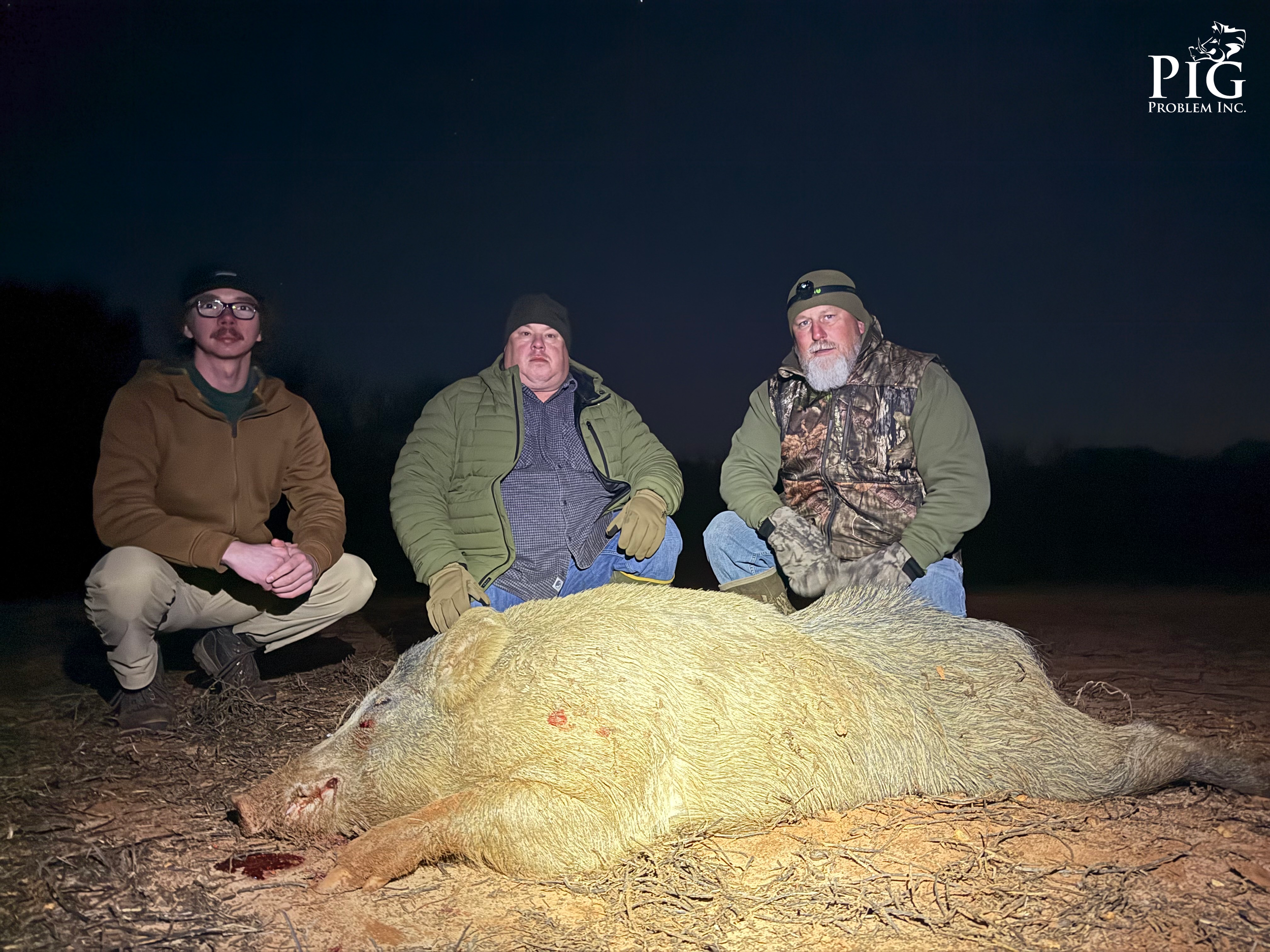
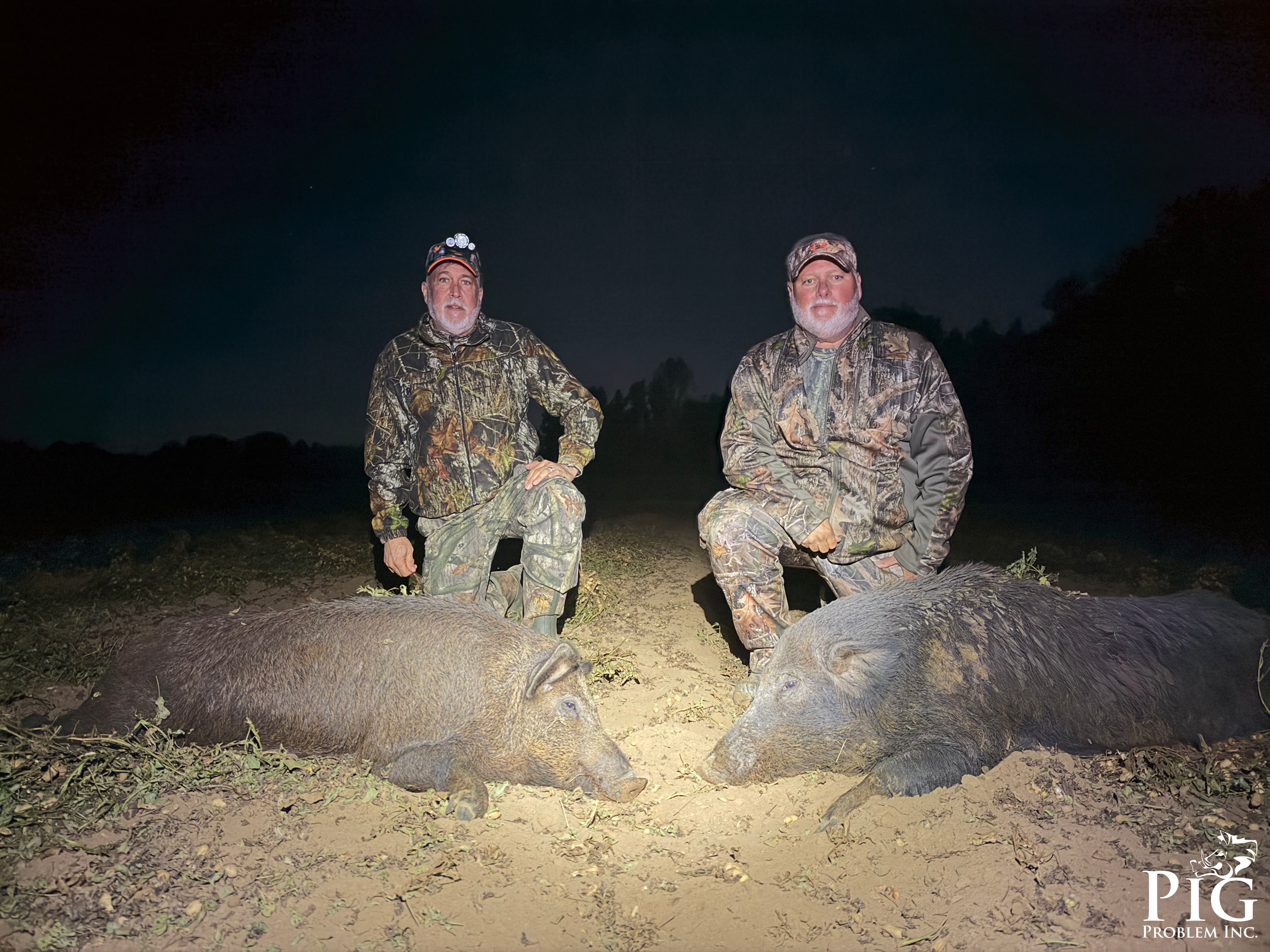
There is no higher compliment in the world of Hog Hunting Georgia than when clients travel thousands of miles to hunt with you again. This week, we were honored to welcome back David and Rob, longtime friends from Alaska, for a specialized two-night management project.

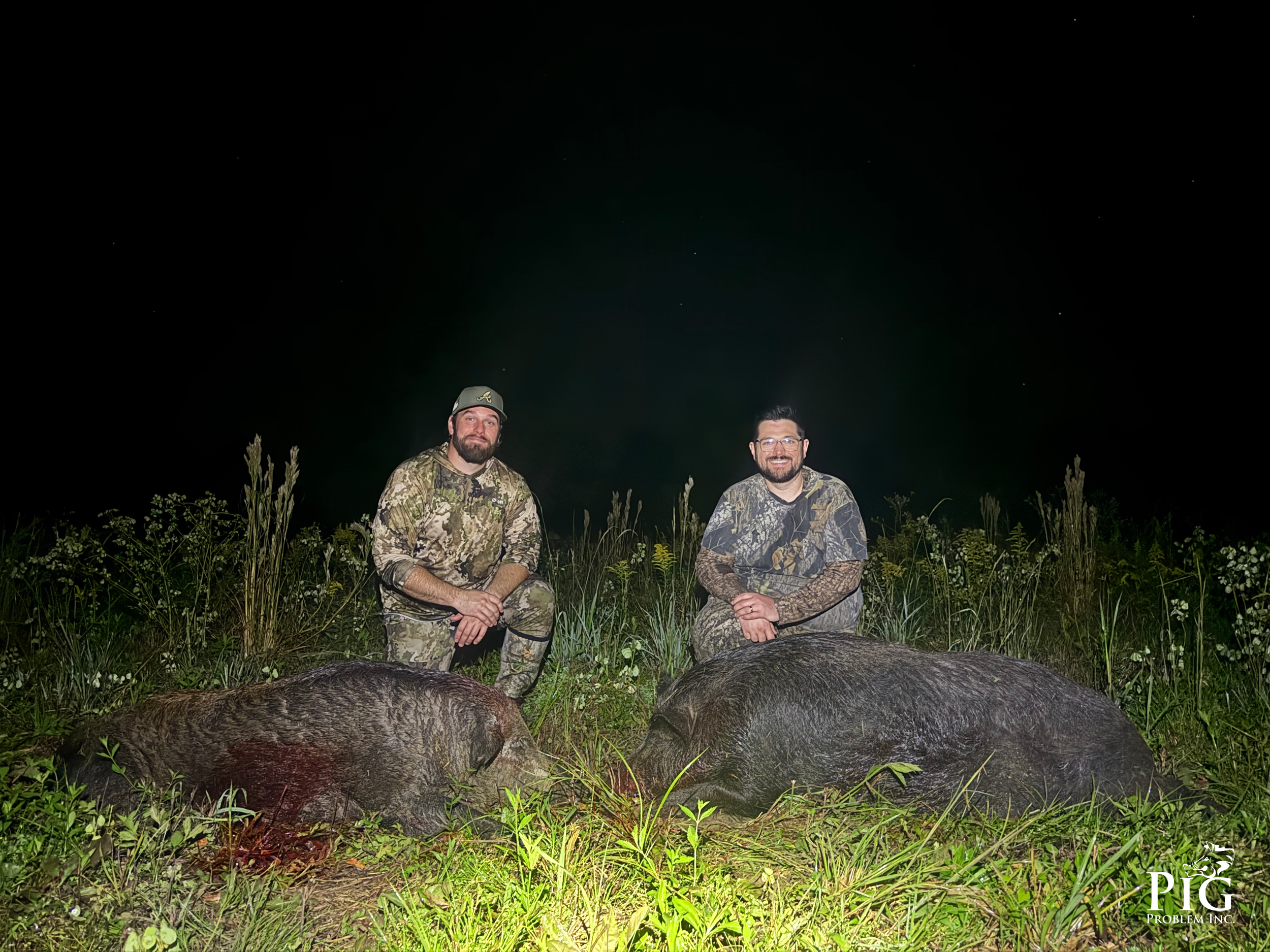
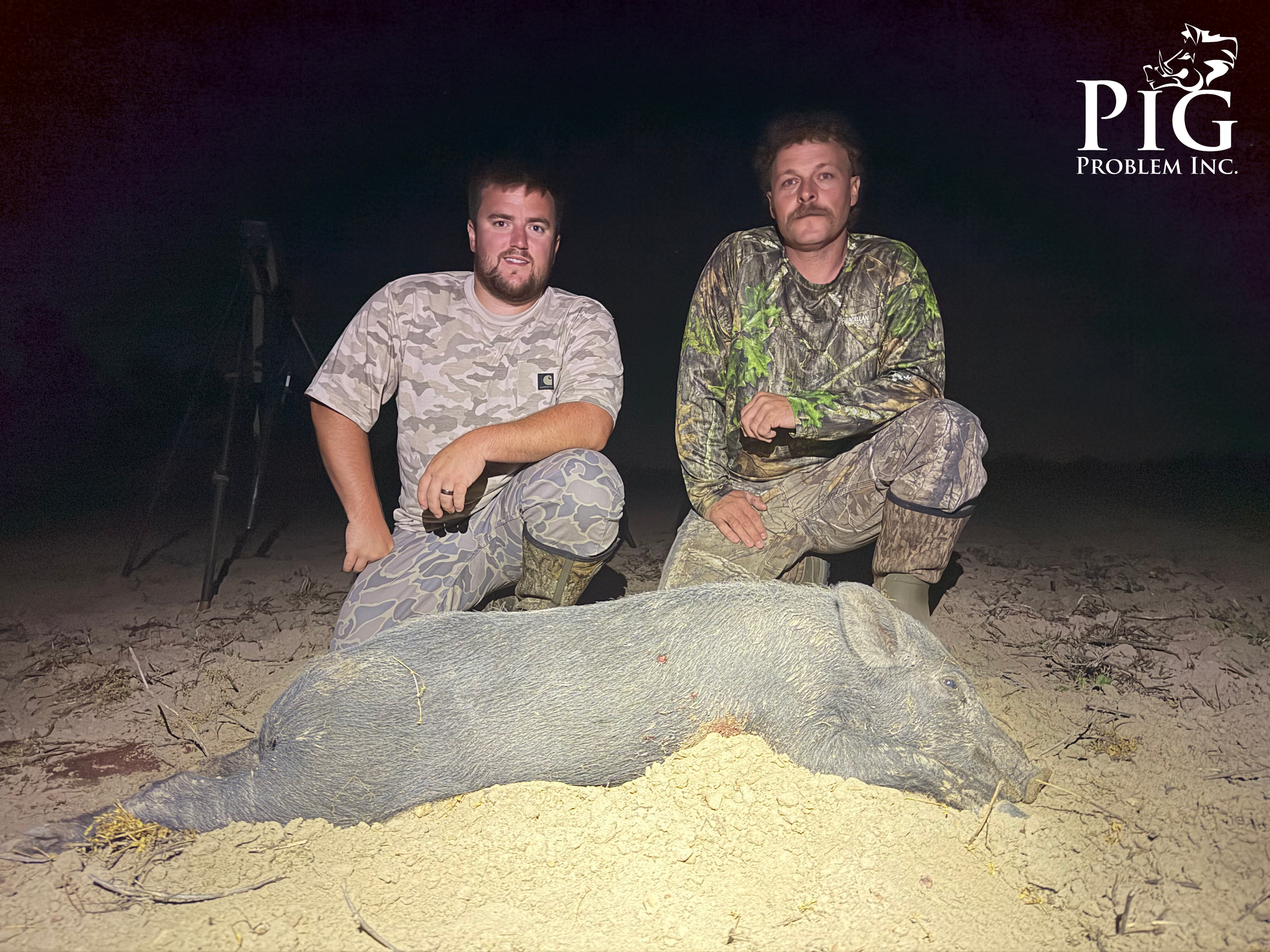
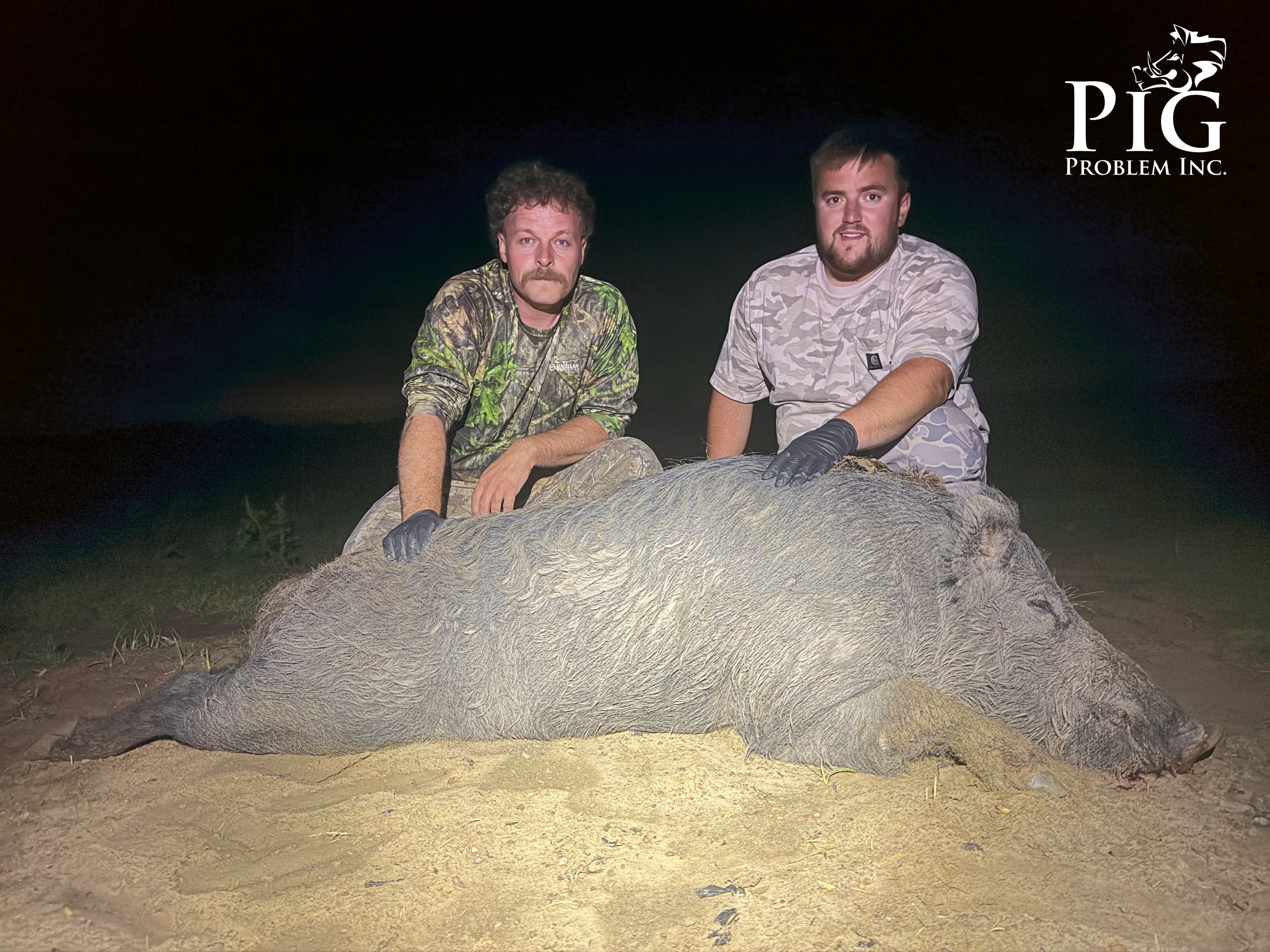
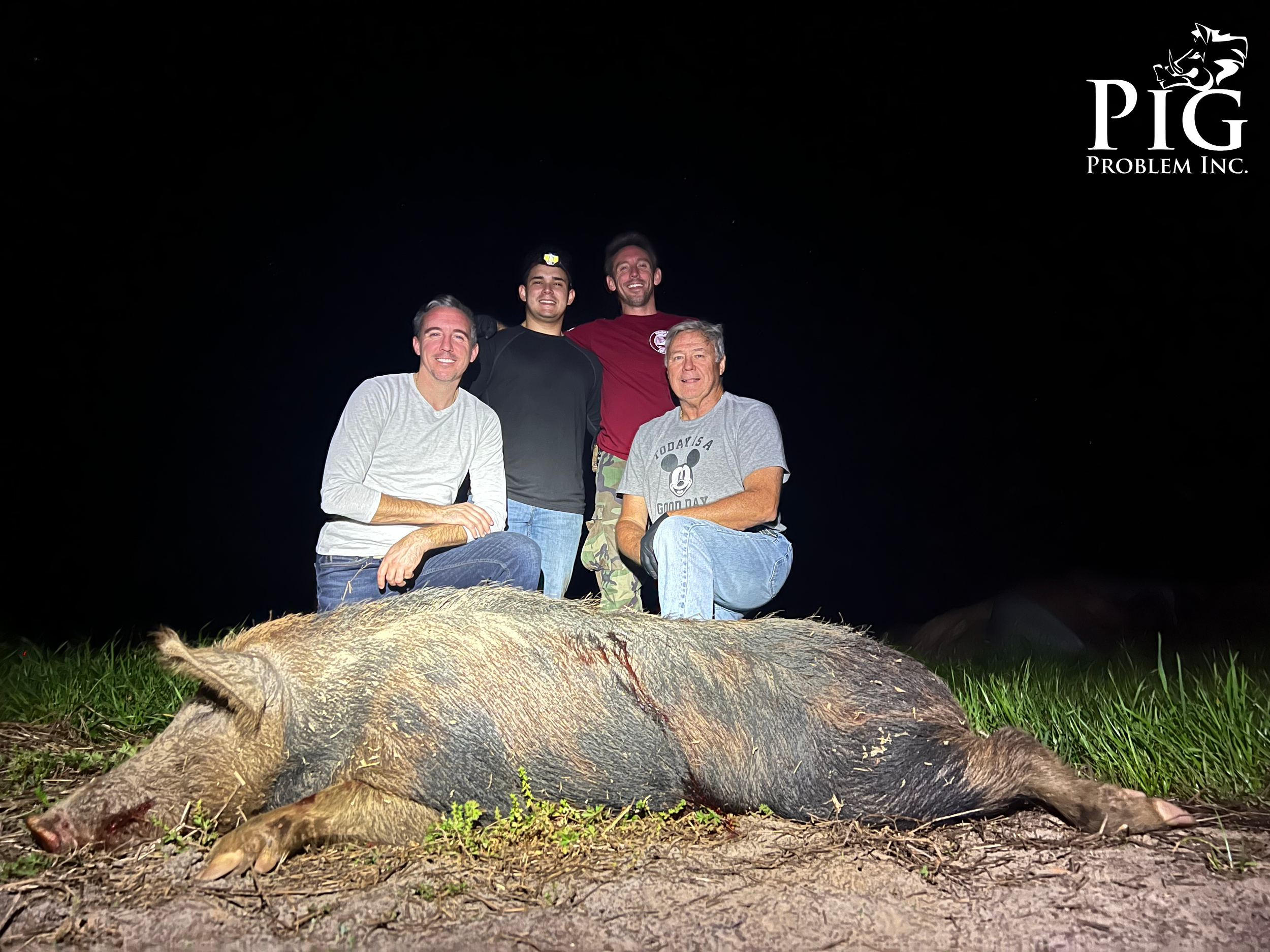
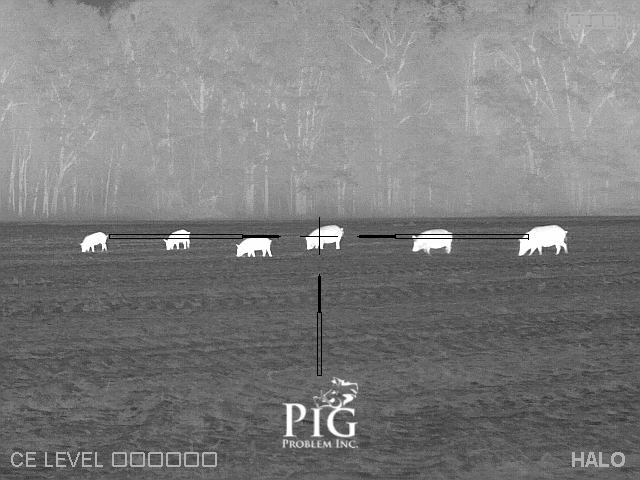
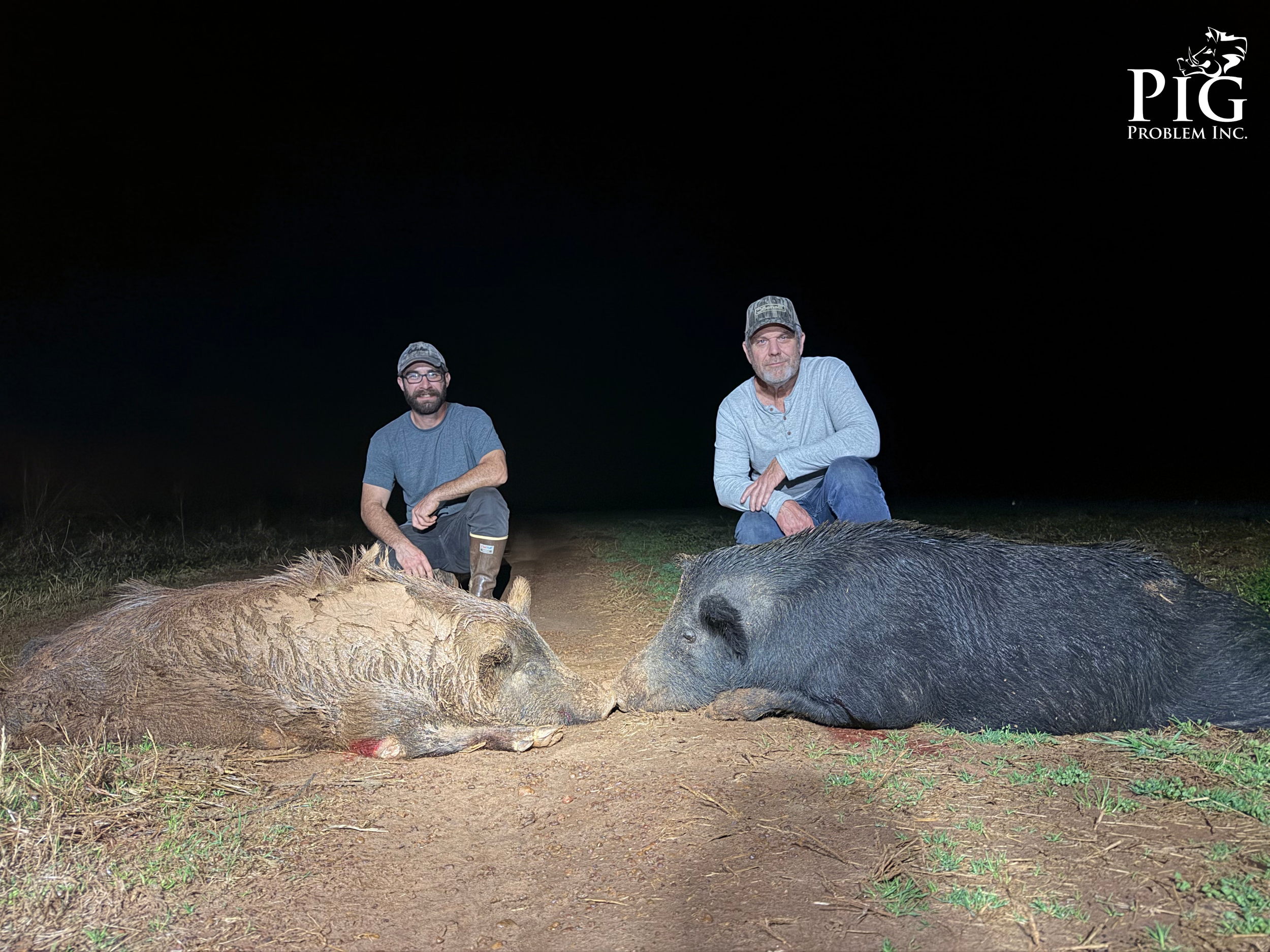
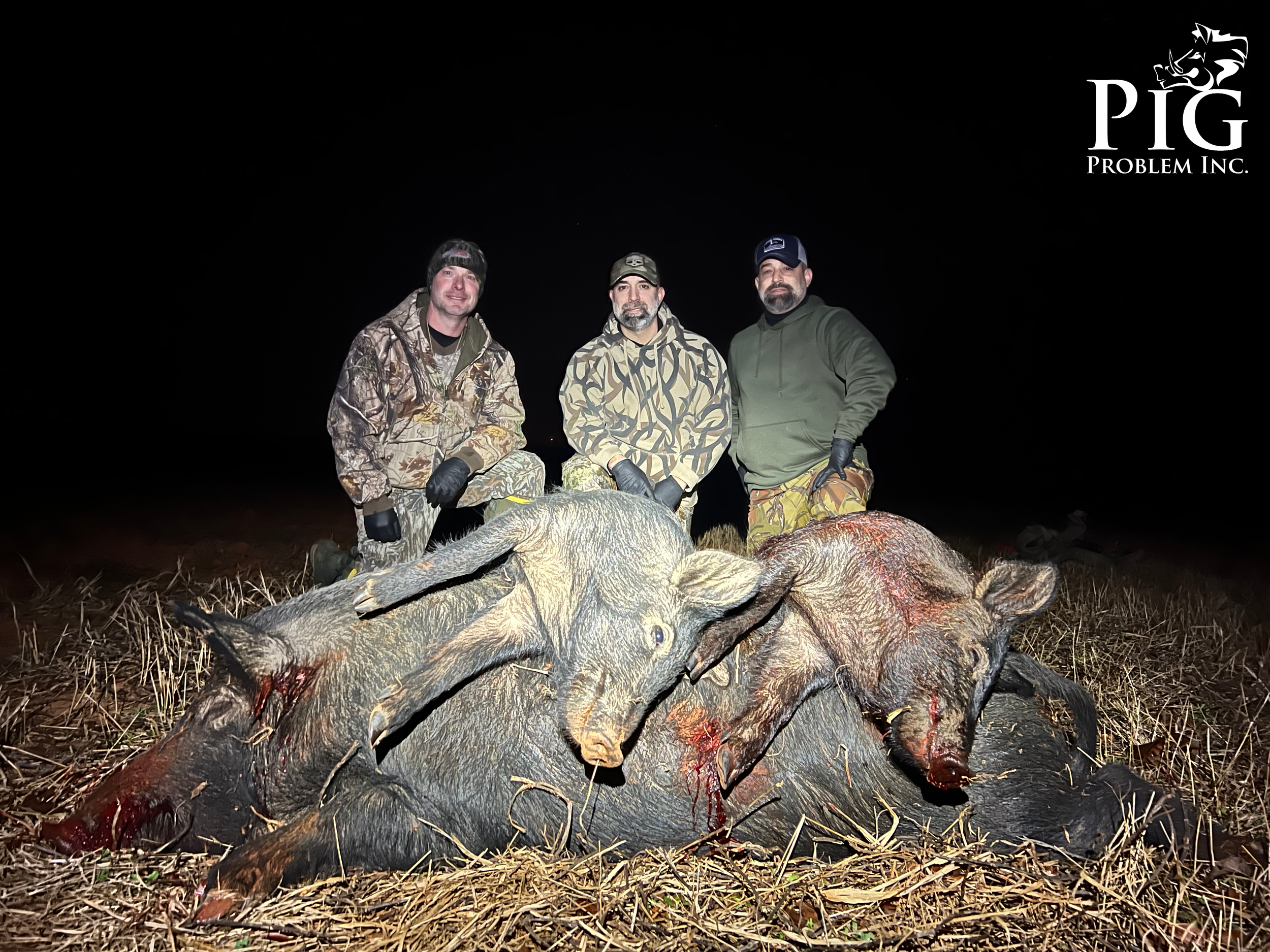
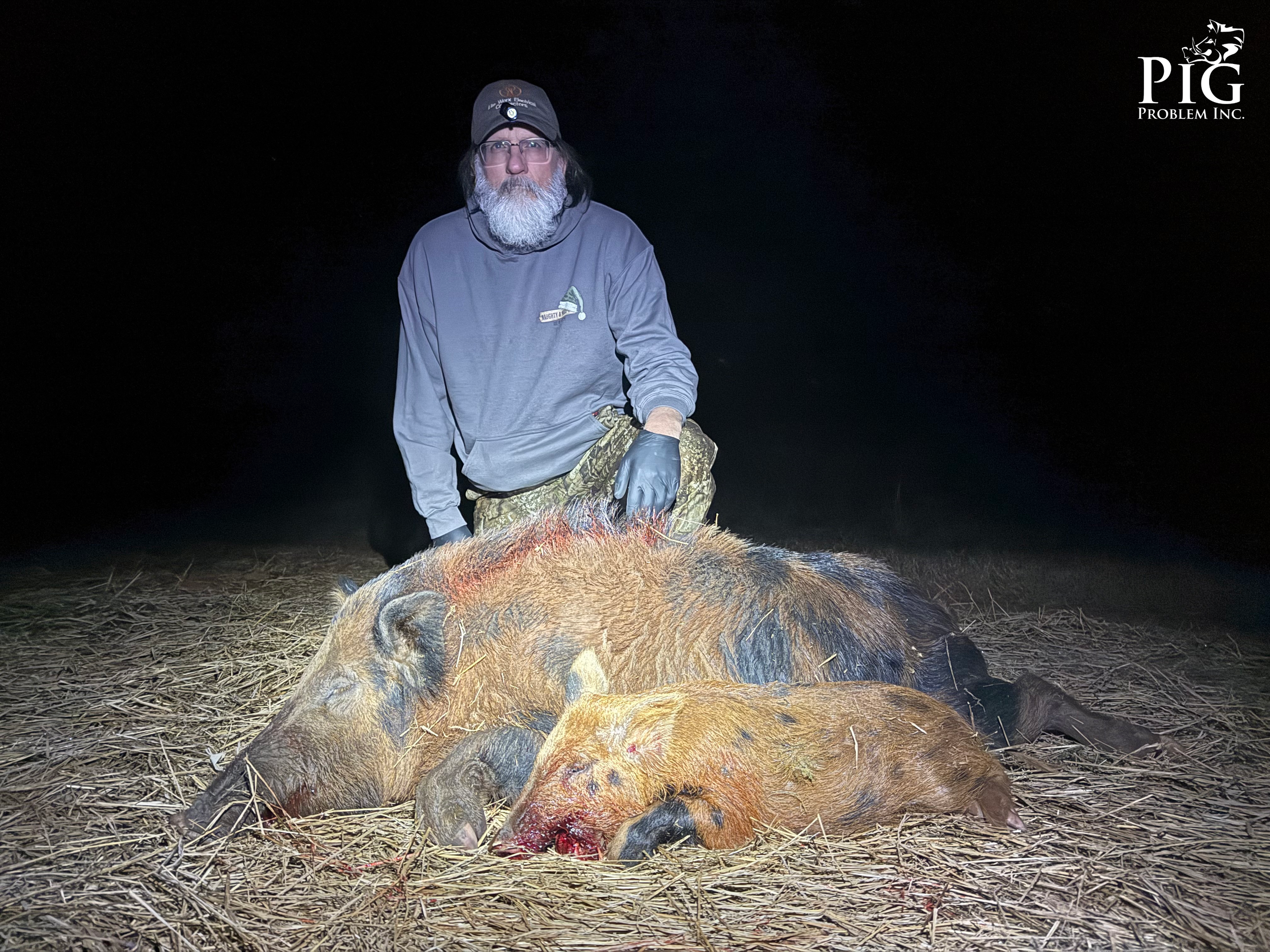
The first night was an absolute adrenaline rush. Utilizing our most advanced Thermal Hog Hunting gear, we located a massive sounder moving through a primary agricultural zone. David and Rob demonstrated the precision we’ve come to expect from them, successfully recovering two large sows and significantly impacting the local feral population.

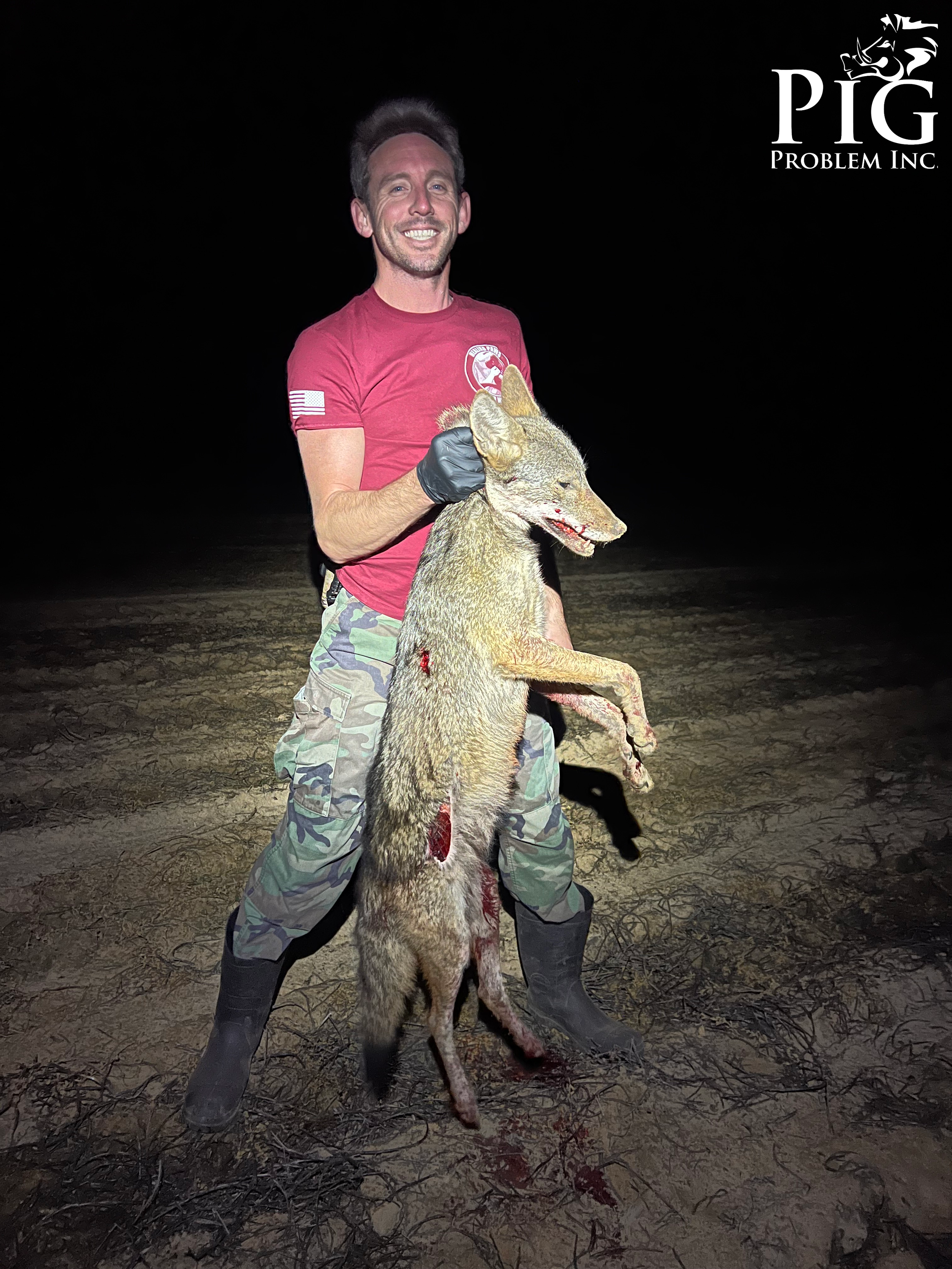
While Wild Boar Hunting was the primary mission, the night also offered several high-speed encounters with local predators. We love when our hunts turn into Coyote Hunting! We engaged in two 'go-rounds' with coyotes that managed to evade us in the thick South Georgia brush, but the action kept the team on high alert all night. It’s always a 'Great Success' when you combine Elite Night Hog Hunting results with the camaraderie of returning friends. We are looking forward to what Night 2 has in store!

Hog Hunts In Georgia

Hog Hunting Georgia

Photo: Hog Hunting Georgia @PigProblem

Wild Hog Hunting

Photo: Wild Hog Hunting @PigProblem

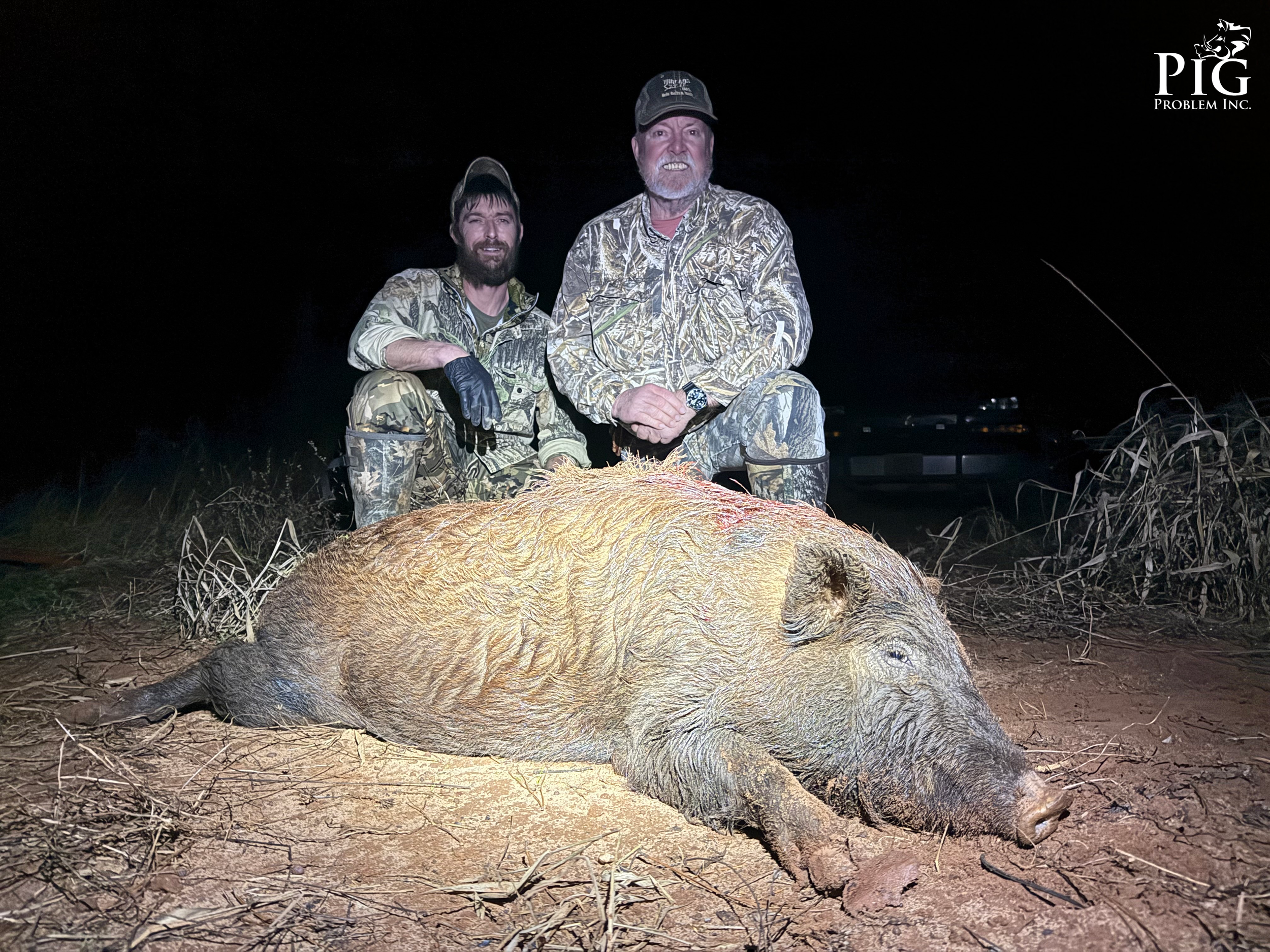
The opening night of our latest Hog Hunting Georgia expedition was a masterclass in persistence and tactical execution. Guide Clayton led the team through the South Georgia landscape, utilizing advanced Thermal Hog Hunting optics to locate active targets across multiple properties.

The night started strong with a precision stalk on a lone boar. Our hunters closed the distance with ease, resulting in a successful recovery and a great start to the trip. In the world of Night Hog Hunting, the environment is always the biggest variable. While one sounder managed to catch a shifting wind and retreat, Clayton’s knowledge of Wild Boar Hunting tactics allowed the group to quickly pivot to a different sector.

The team engaged in a long, disciplined stalk on a secondary group, demonstrating the patience required for high-level Boar Hunting. The effort was rewarded with two additional successful recoveries in the open field. This night proves that with the right guide and the right technology, Hog Hunting Georgia offers some of the most exciting and productive wildlife management opportunities in the country. We’re looking forward to building on this momentum for night two!

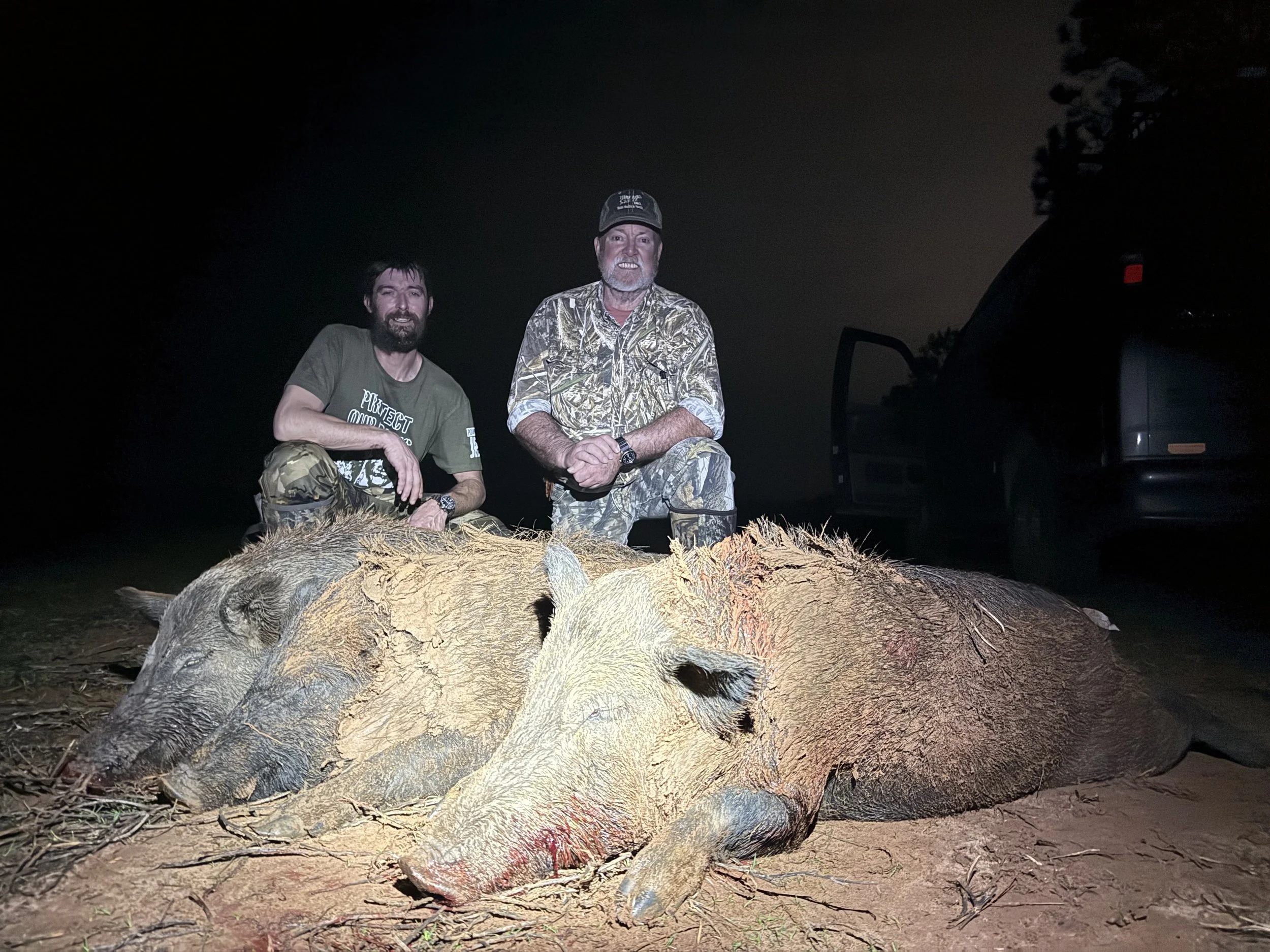
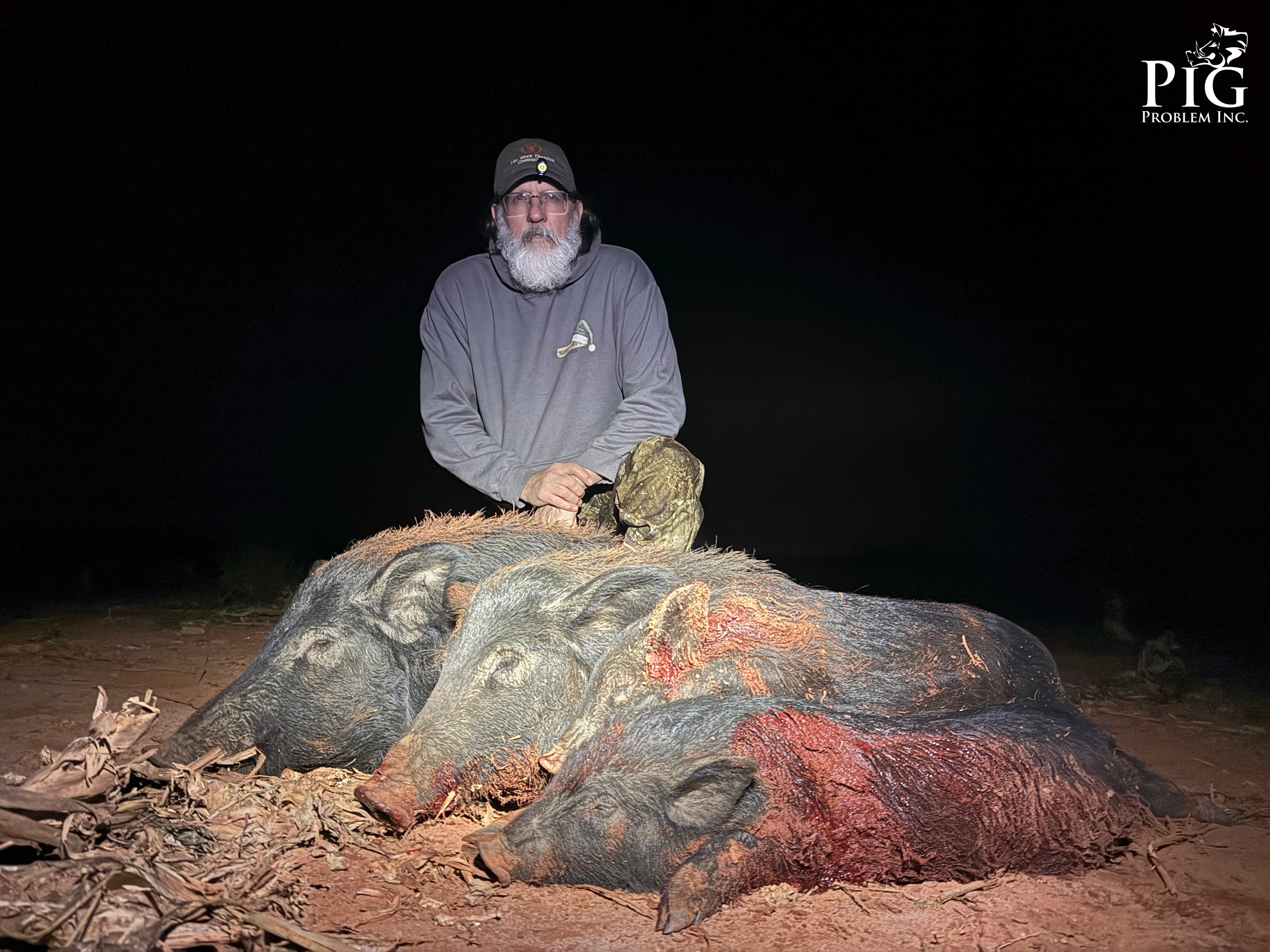
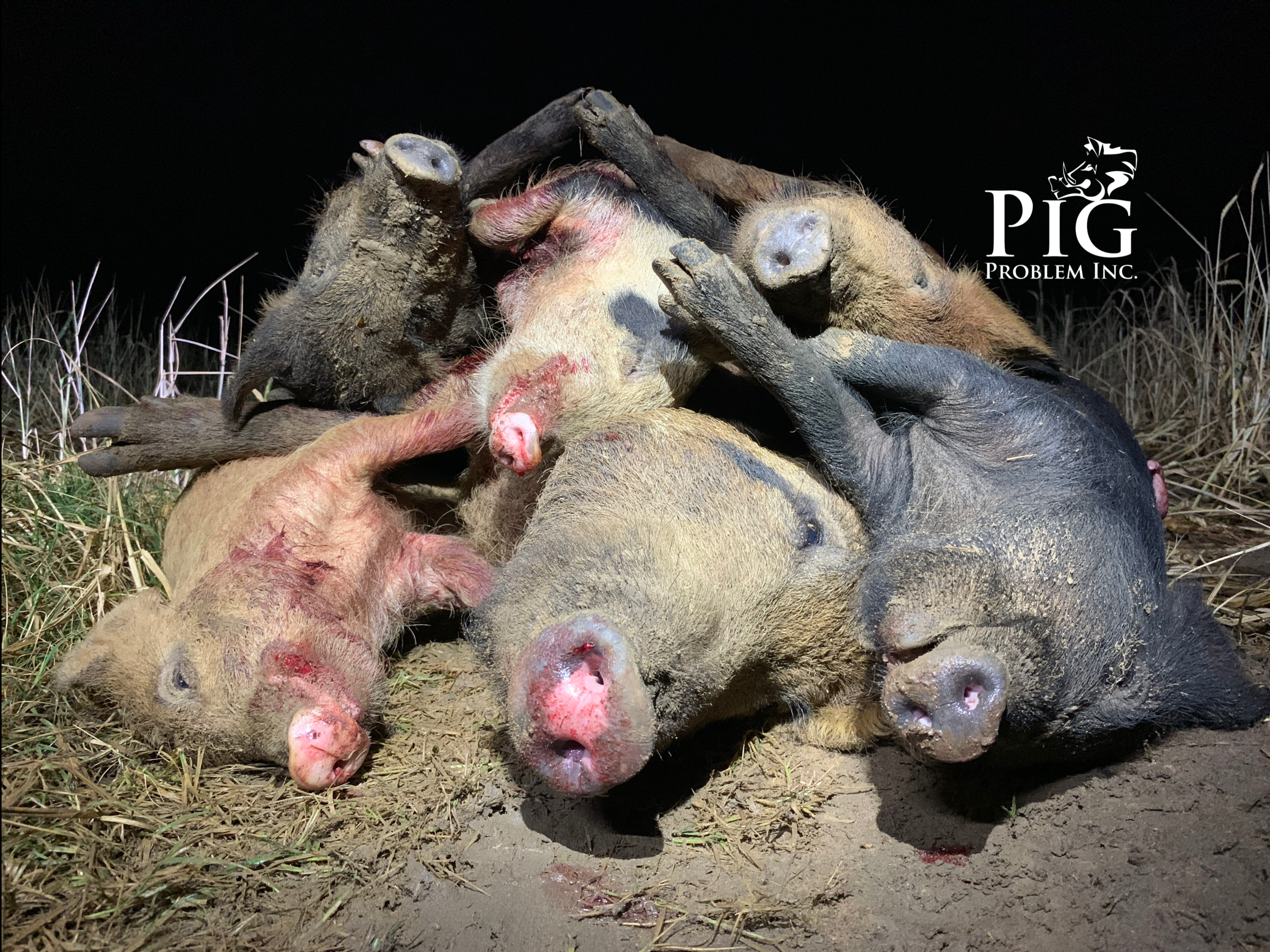
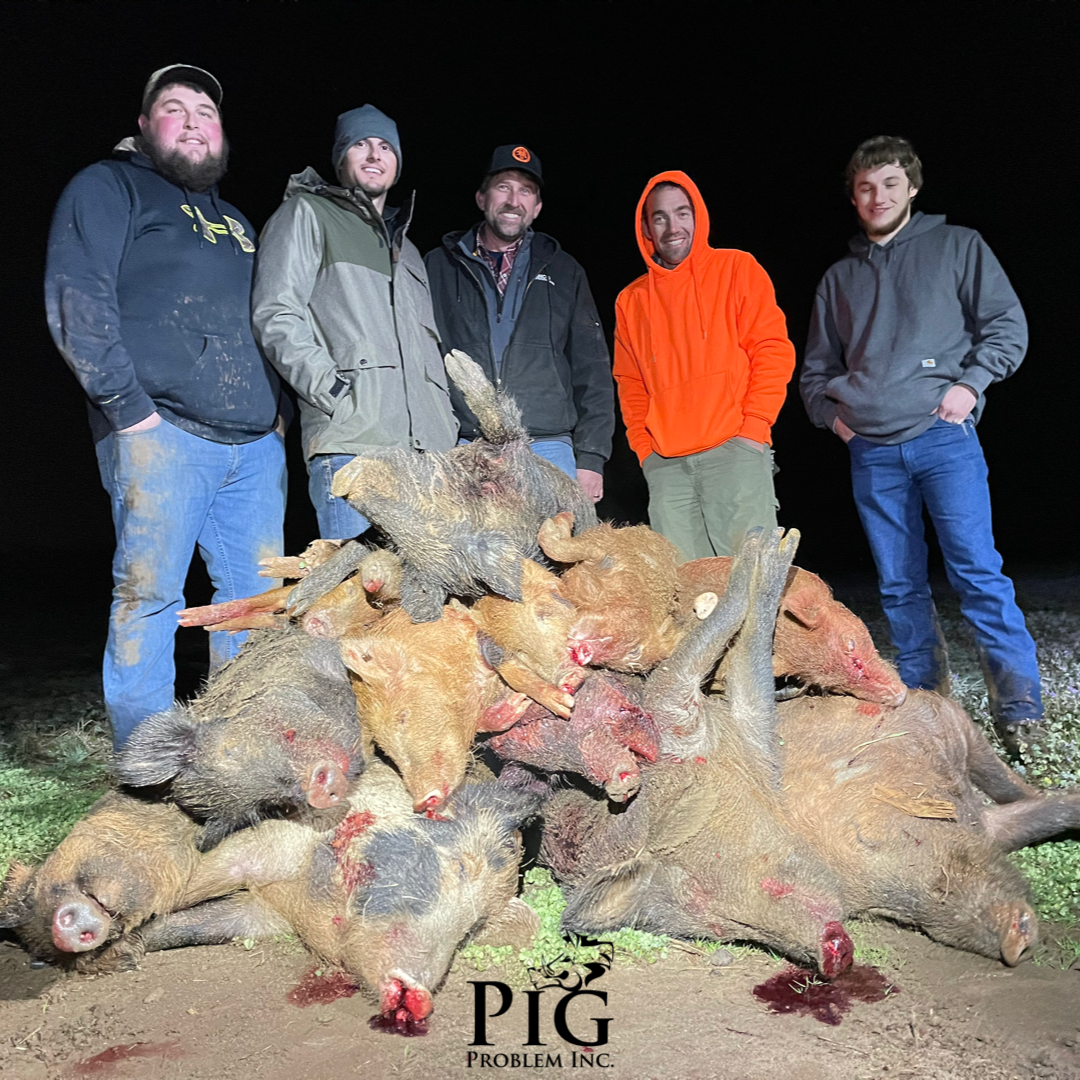
Sounder of Wild Hogs!!

Hog Hunting

Photo: Wild Hogs Stacked @PigProblem

Wild Hog Hunting

Photo: Hog Hunting Georgia @PigProblem

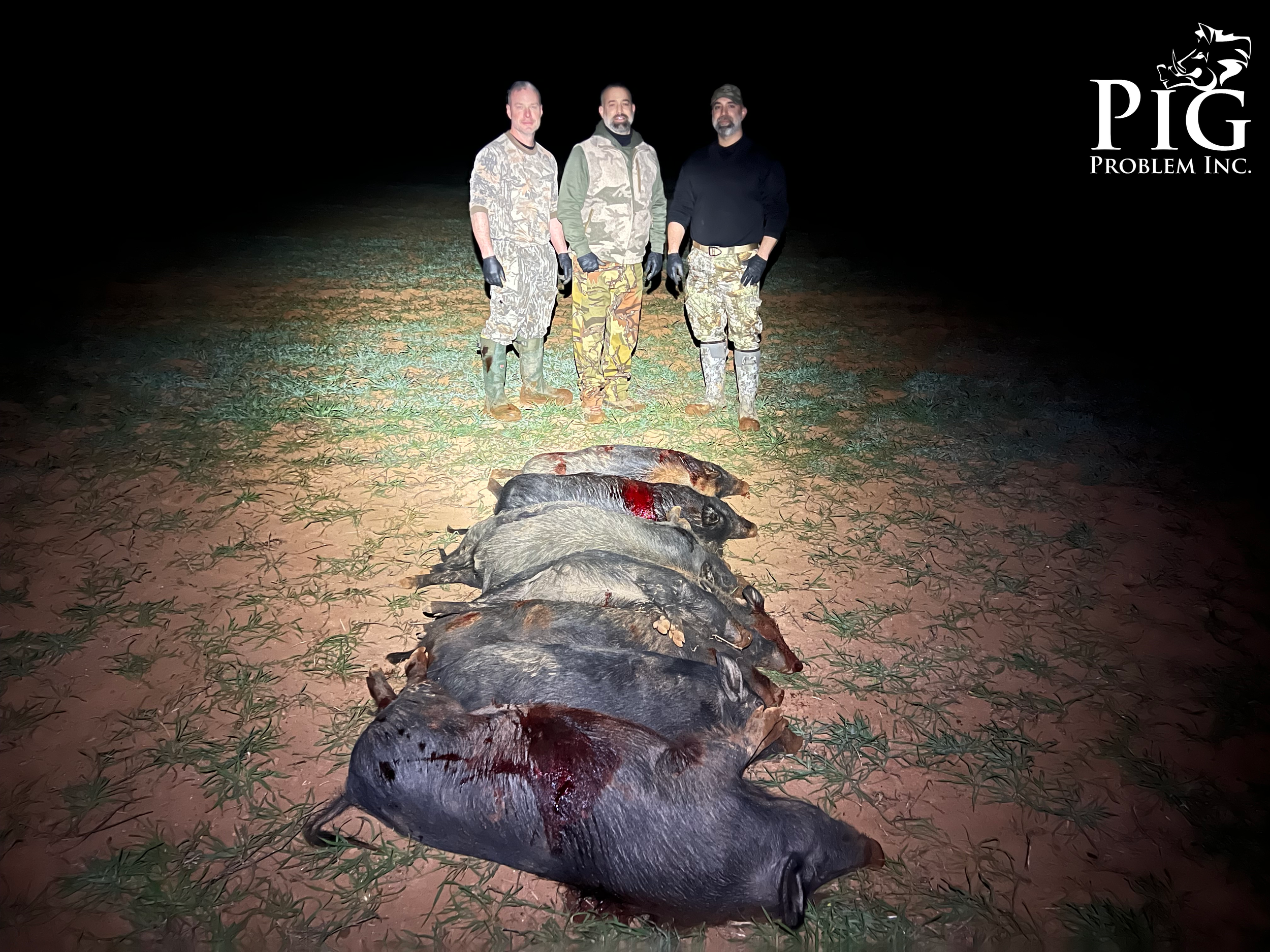
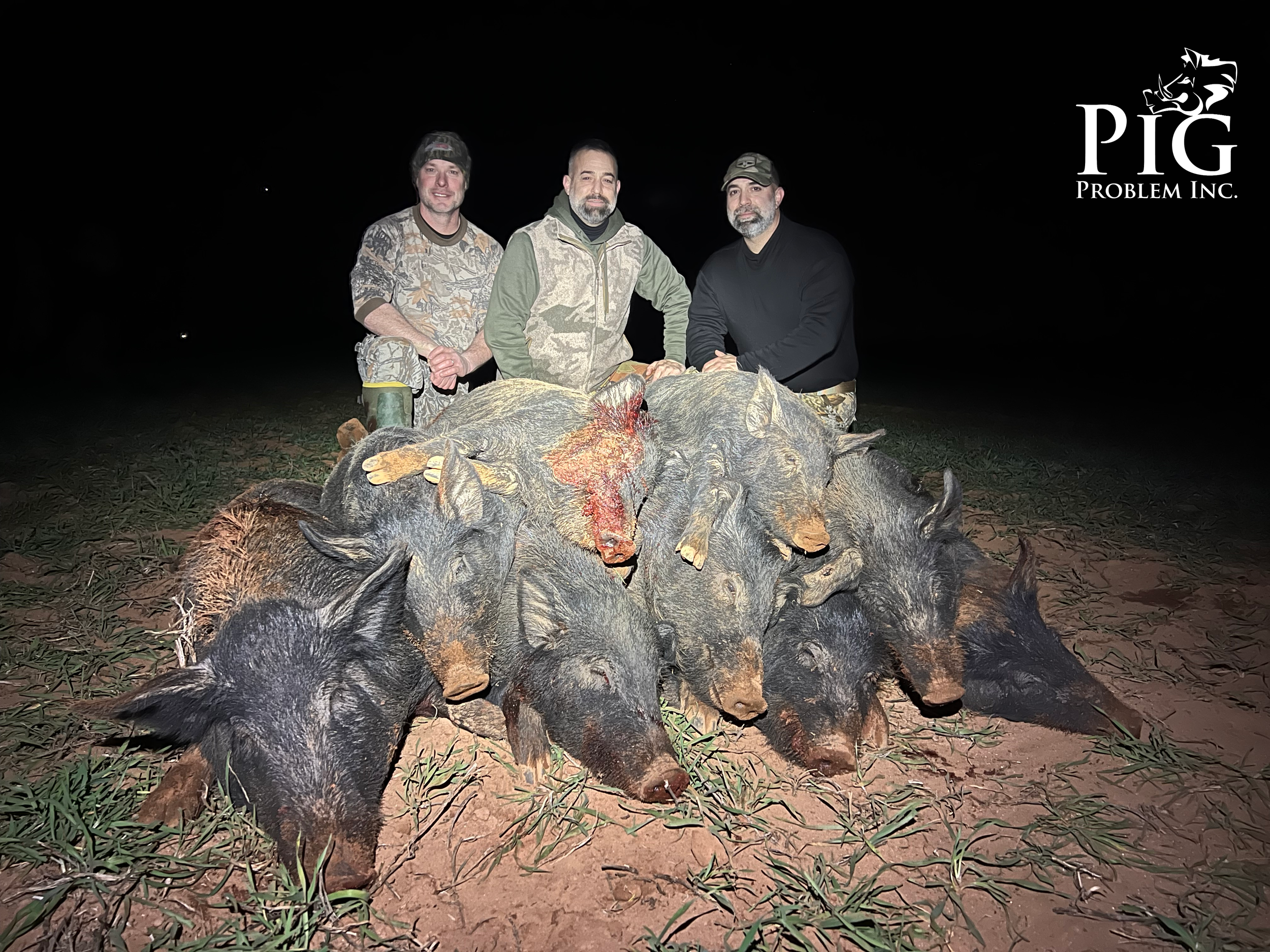
At Pig Problem Inc., our mission is rooted in effective Feral Hog Management and protecting Georgia’s agricultural assets. During the second night of a recent management project led by guide Hank, our team demonstrated the efficiency required to handle high-density Wild Hog populations.

The evening began with the identification of a large sounder utilizing a key sector of the property. Recognizing the opportunity for a significant impact, our team executed a tactical repositioning. By shifting our approach to the south side of the field, we were able to conduct a stealthy, low-profile stalk.

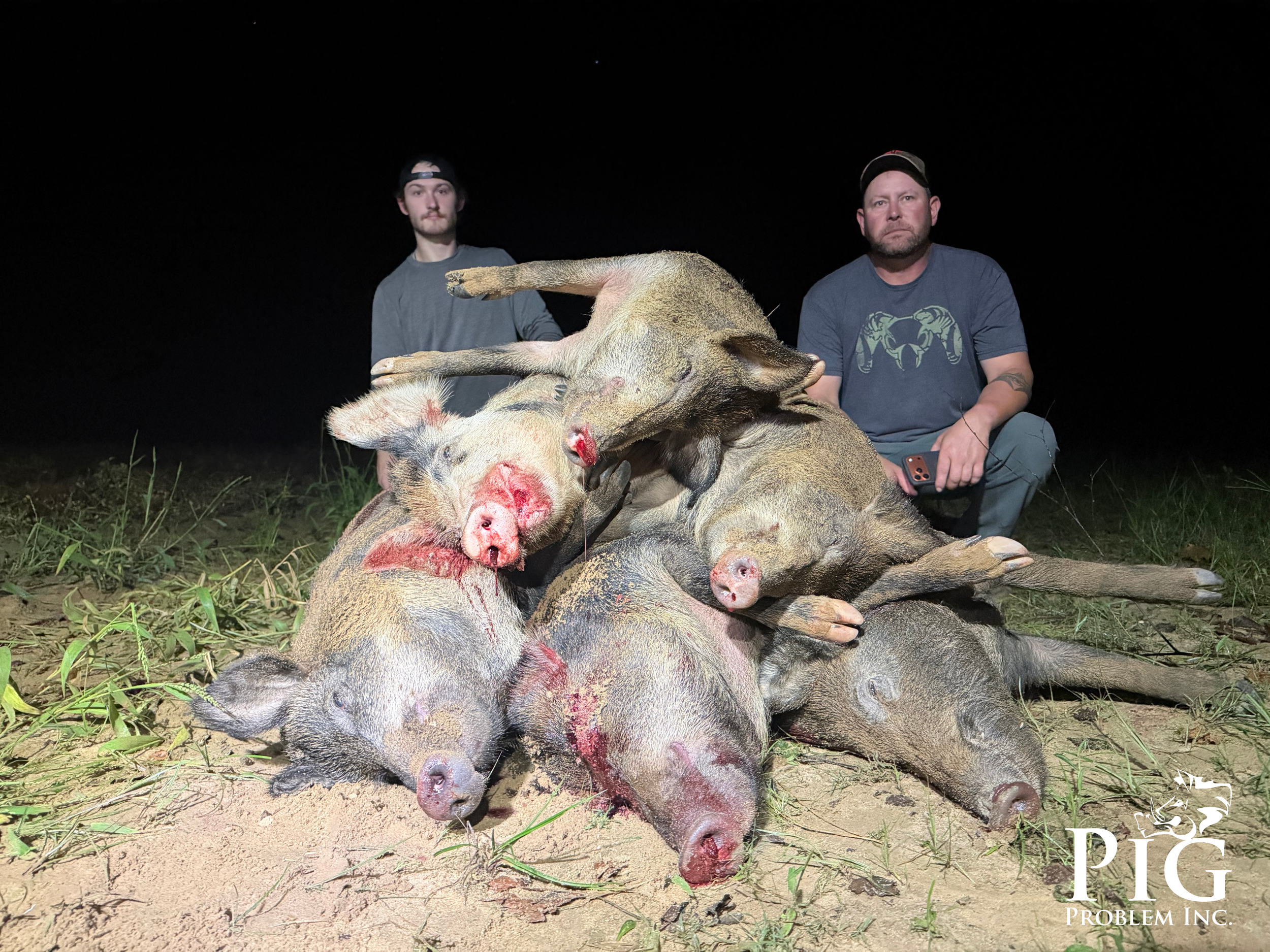
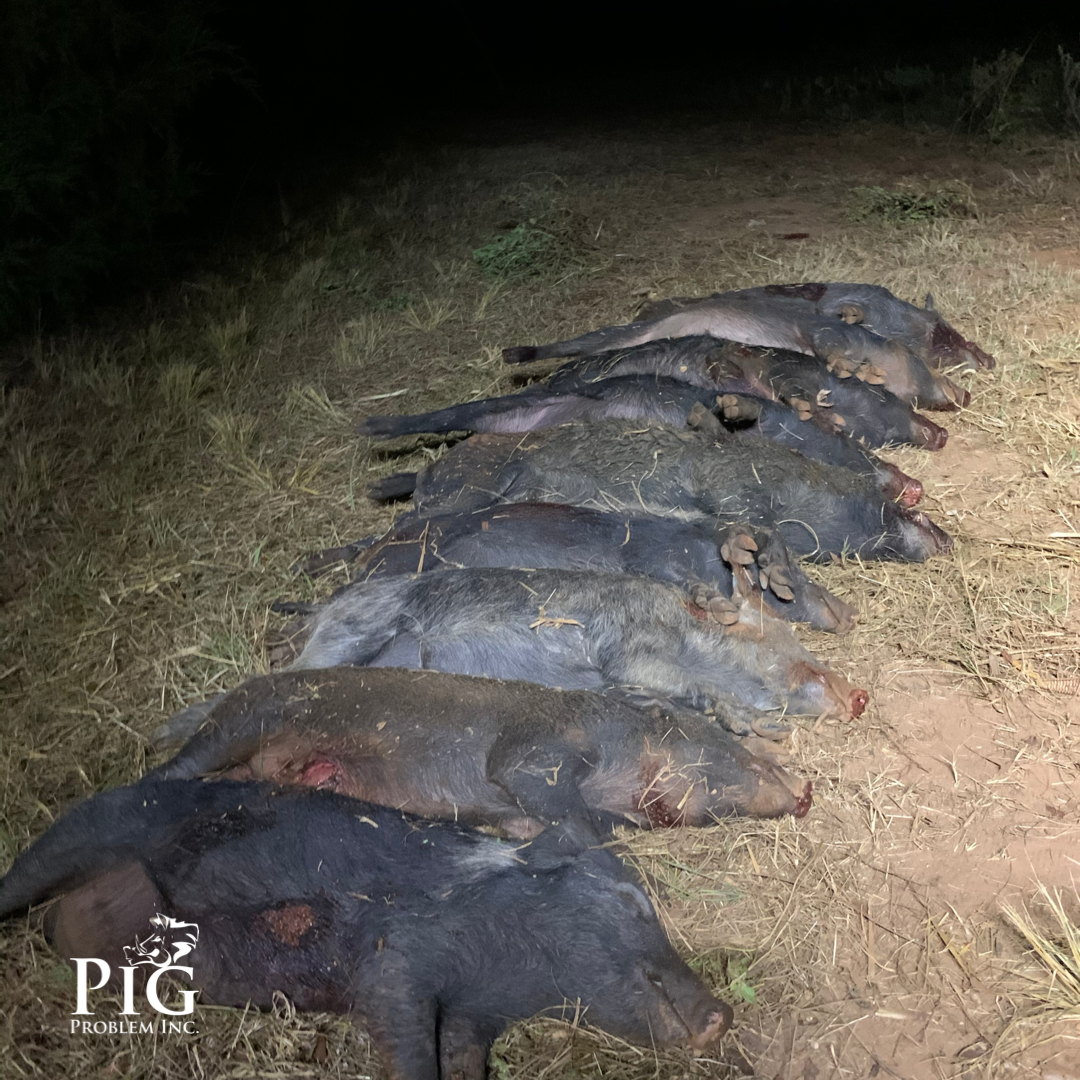
Using professional-grade Thermal Hog Hunting technology, our group successfully closed the distance. The resulting encounter was a major success for the landowner, with nine hogs successfully recovered in a single round. This level of efficiency is what defines our approach to Hog Hunting in Georgia. We don't just scout; we strategically remove nuisance wildlife to ensure long-term land stewardship and crop protection in South Georgia.

Hunting Wild Hogs

Wild Hogs In Georgia

Photo: Wild Hogs In Georgia @PigProblem

Consistency is great, but adaptability is what puts numbers on the board when Boar Hunting in Georgia. On the first night of our Hunting Trip with guide Hank, we were reminded that the fields of South Georgia are always moving.

We began the evening at a high-traffic field, but the initial sounder caught wind of our approach and cleared out. In many cases, that would be the end of the field, but our Thermal Hunting scouts picked up a second group of Wild Hogs entering from the far woodline at the exact same time.

We didn't miss our second opportunity. The team pivoted quickly, setting up a new line of sight and successfully recovering three hogs. This 'double sounder' action is exactly why Hog Hunting in this region is so legendary. It’s not just about the first stalk; it’s about having the technology and the patience to see the next play developing before it happens.

Guided Hog Hunting in Georgia

Hog Hunting In Georgia

Photo: Sounder of Wild Hogs @PigProblem

Wild Hog Hunting

Photo: Boar Hunting @PigProblem

Our latest Hog Hunting Georgia trip kicked off with massive movement and high-stakes action. When we hit the first field in the Americus area, we immediately located a large sounder of roughly 20 wild hogs.

The conditions were a challenge; limited cover and a bright, full moon made a close approach difficult. However, with professional Thermal Hog Hunting equipment, our group was able to close the distance to under 200 yards and capitalize on the opportunity, successfully recovering four hogs from the sounder.

Later in the night, our Hog Hunts continued as we located another small group. With improved positioning, we were able to close the distance more effectively, recovering another hog before the sounder moved into the timber. Just before 1:00 a.m., we spotted a final single hog and executed a controlled setup to finish the night with a total of six recoveries.

Despite the challenging visibility caused by the moonlight, this trip delivered the consistent action that Wild Boar Hunting in South Georgia is known for. It was a strong start to our multi-day hunt and a perfect example of why Guided Hog Hunting requires the right gear and the right team.

Hunting Wild Hogs

This 1-Night Wild Hog Hunt in Americus, Georgia was made even better by having returning hunters back in the field.

Right from the start, activity was strong. The first field of the night produced a small group of hogs, resulting in one successful recovery. Moving on to the next field kept the momentum going, where a larger group was located, leading to additional recoveries early in the Wild Hog Hunt.

As the night went on, activity slowed and visibility dropped, with remaining hours spent scanning fields that held deer but no additional hog movement. Even so, the early action made for a productive and enjoyable night.

Hog Hunts like this highlight why repeat clients are such an important part of Pig Problem Inc. Strong results, good conversations, and shared experiences in the field are what keep Hunters coming back year after year.

Hunting Wild Hogs

Hog Hunting In Georgia

Photo: Hog Hunting In Georgia @PigProblem

Thermal Hog Hunting

Photo: Georgia Hogs @PigProblem

Some hunters come out once and have a good time.
Others come back — and make every night memorable.

Darrell returned to Pig Problem once again for a two-night hunt with Guide Clay, and Night 2 turned into another standout performance. From the first setup to the final field, Darrell stayed focused, confident, and consistent.

Over the course of the night, Darrell successfully handled Multiple Hog Encounters, navigating singles and groups alike and putting together one of the most productive nights of the season. His ability to stay calm, make smart decisions, and adjust to fast-moving hogs showed exactly why he’s become one of Clay’s favorite hunters to guide.

The conditions made the night even more impressive.
Temperatures dropped hard, freezing the ground solid and turning the fields into concrete. Movement was tough, footing was unforgiving, and every step mattered. Even so, Darrell pushed through and made the most of every opportunity.

Late in the night, after a slip on the frozen ground, the decision was made to call it and head back in — a smart move after a long, successful night in harsh conditions.

Beyond the results, what truly stands out about Darrell is the kind of person he is to Wild Hog Hunt with. Easygoing, respectful, and genuinely enjoyable to be around, he brings great energy to the field every time he shows up. That’s the kind of hunter guides hope will keep coming back — and Darrell already plans to do just that.

Another memorable night in the books with Pig Problem, Guide Clay, and one of our favorite repeat hunters of the season.

2 Night Hog Hunting Trip

Best Hog Hunting In Georgia

Photo: Wild Hog Hunting In Georgia @PigProblem

Hog Hunting At Night

Photo: Hunting at Night @PigProblem

Night 2 picked up right where Night 1 left off — with freezing temperatures that had the fields shining and fog crystallizing in the beams of our lights. It was the kind of cold that’s rare for South Georgia and completely changes how Wild Hogs behave.

The first field of the night held a single hog, and the team made a clean approach. Even with solid encounters, the hog pushed deep into the trees after covering nearly 500 yards, leaving no opportunity for recovery.

Around midnight, another Lone Hog appeared — this time requiring a mile-long walk to get into position. The stalk was perfect, but this hog reacted the same way as the first, absorbing the impact and disappearing into the treeline.

Sometimes that’s just how wild hogs are built:
tough, driven, and capable of covering incredible distances when pressured.

But persistence always pays off.

Later in the night, the crew located a group of three, and this time everything came together. Two hogs were recovered in the field, while the third slipped into cover that couldn’t be safely searched. Still, it was a strong finish to a cold, challenging night.

One of the most memorable parts of the Thermal Hog Hunt wasn’t even a hog — it was the fog crystallizing in the freezing air, creating a sparkling curtain across the field. A rare and beautiful sight in South Georgia, especially during a Boar Hunt.

Two nights, shifting temperatures, miles walked, and multiple encounters… and another successful Thermal Hunt with Pig Problem.
Hog Hunting In Georgia

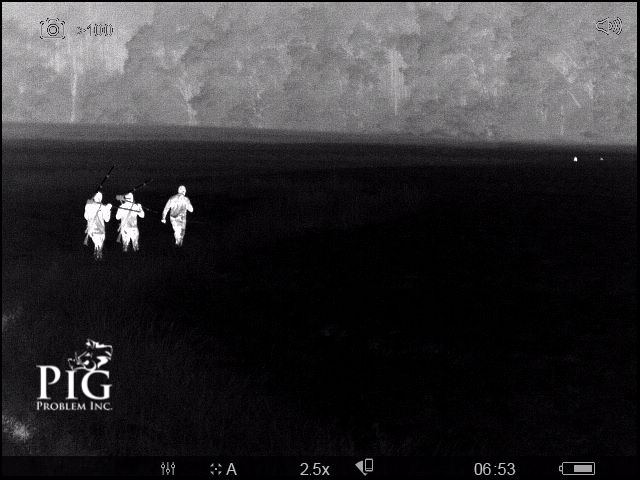
Some nights you cover miles before anything happens — and that’s exactly how Night 1 started for our South Georgia thermal hog hunt with Guide Clay.
We hit the first field at 8:44 PM and immediately spotted a familiar face: the same lone boar we stalked two nights earlier. Just like last time, he never stopped to feed, never slowed down, never looked back — he powered across the field like he had somewhere important to be. Before we could make a move, he was gone.

From there, we checked field after field, putting in the miles with nothing to show for it. Then we finally saw a pig… except it was casually strolling on the side of the road — the one place we can’t hunt. Figures, right? We drove past with a sour taste in our mouths and kept moving.

About an hour later, our new guide Jordan was checking fields for us and called with a lead on a place we call Honey Bun. It took about 45 minutes for him to get back to us, and by the time we arrived (around 3:20 AM), he thought the pigs had slipped back into the trees. He could barely make out shapes deep in the back, but wasn’t sure if they were pigs or shadows.

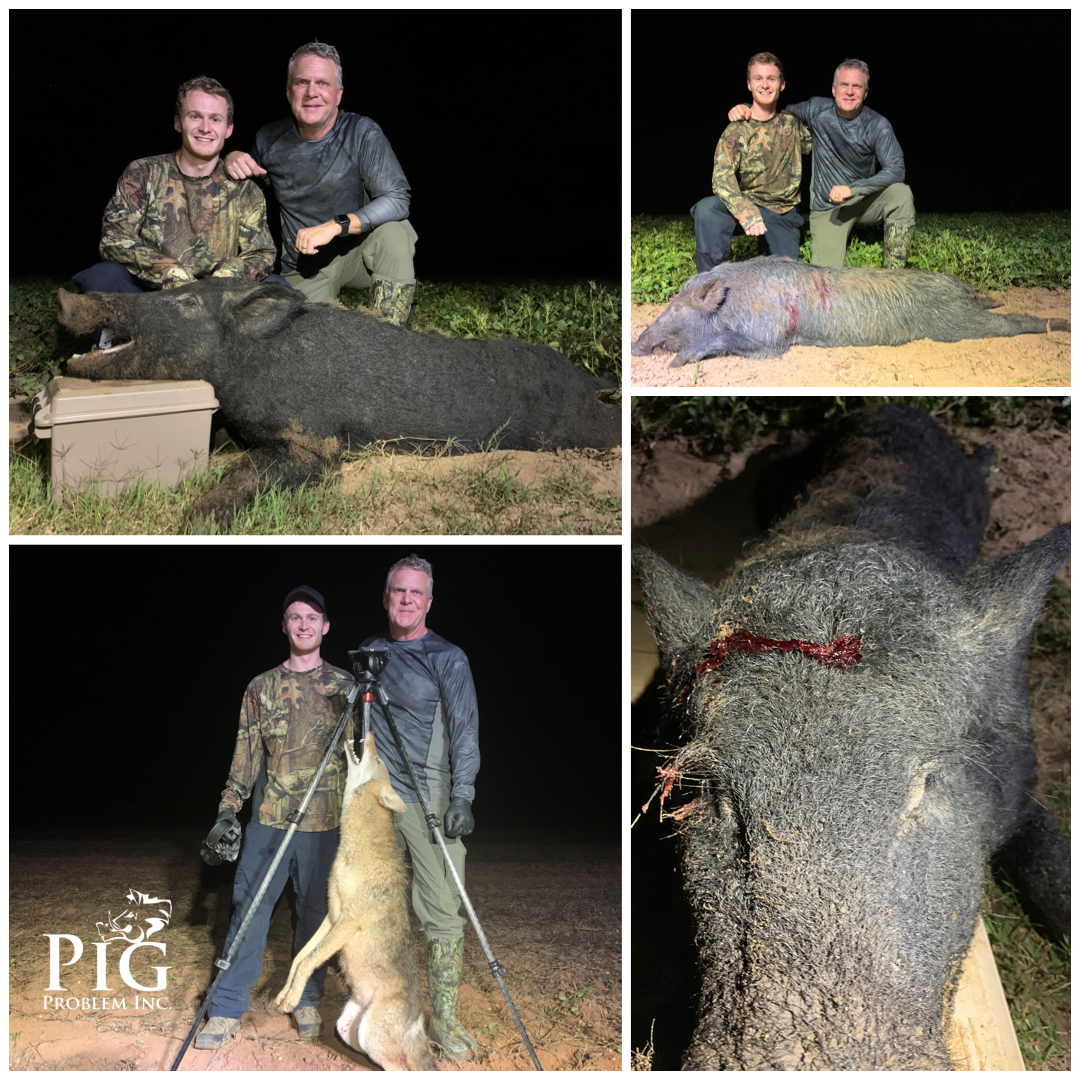
Still, we decided to stalk in — just hoping they were still out there. I was on this hunt too, getting footage, and the entire walk we couldn’t see or hear a thing. No movement, no heat signatures… nothing.

Then we made a sharp turn up onto higher ground — and there they were.
A sounder, right where they were supposed to be.

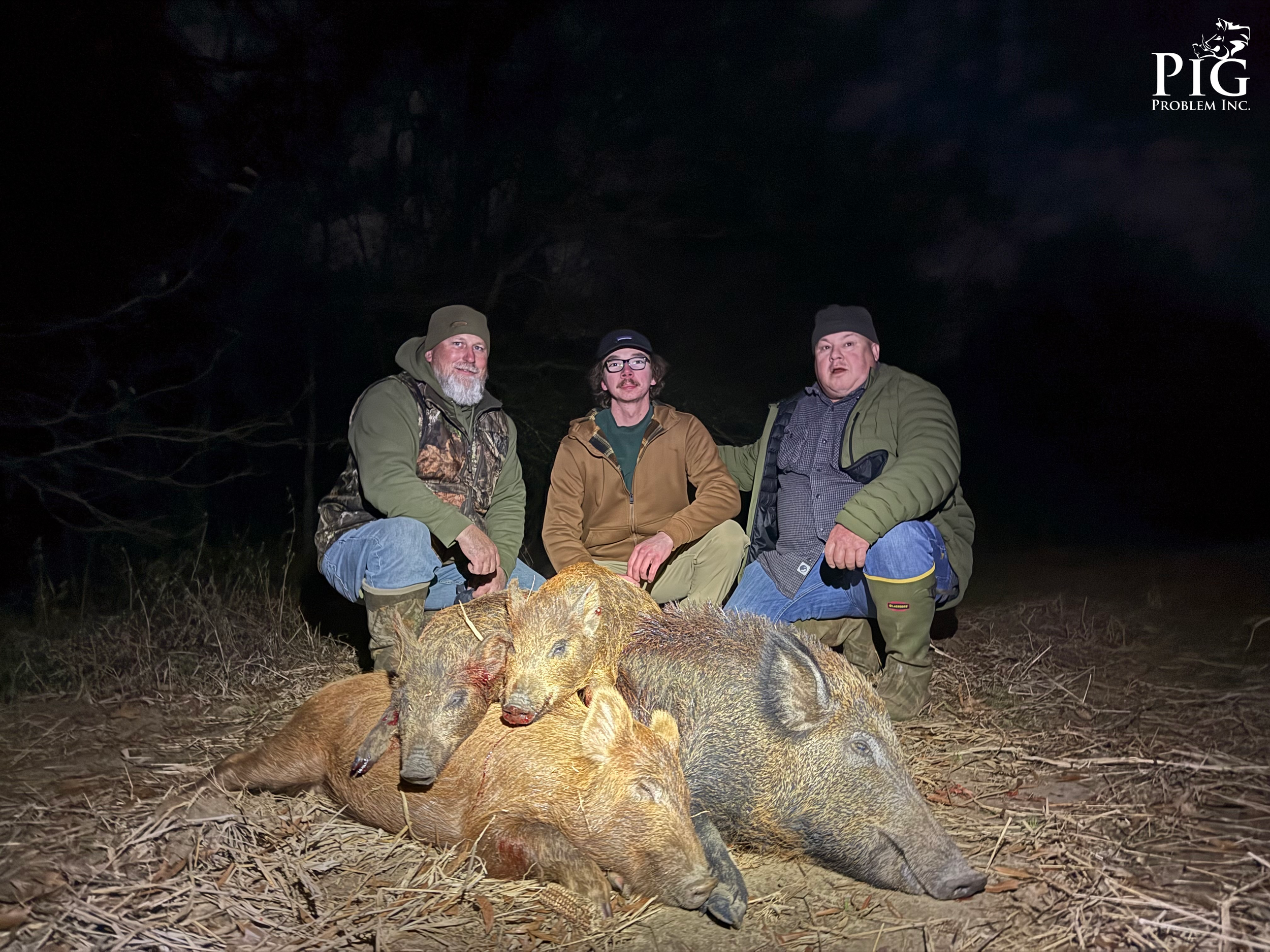
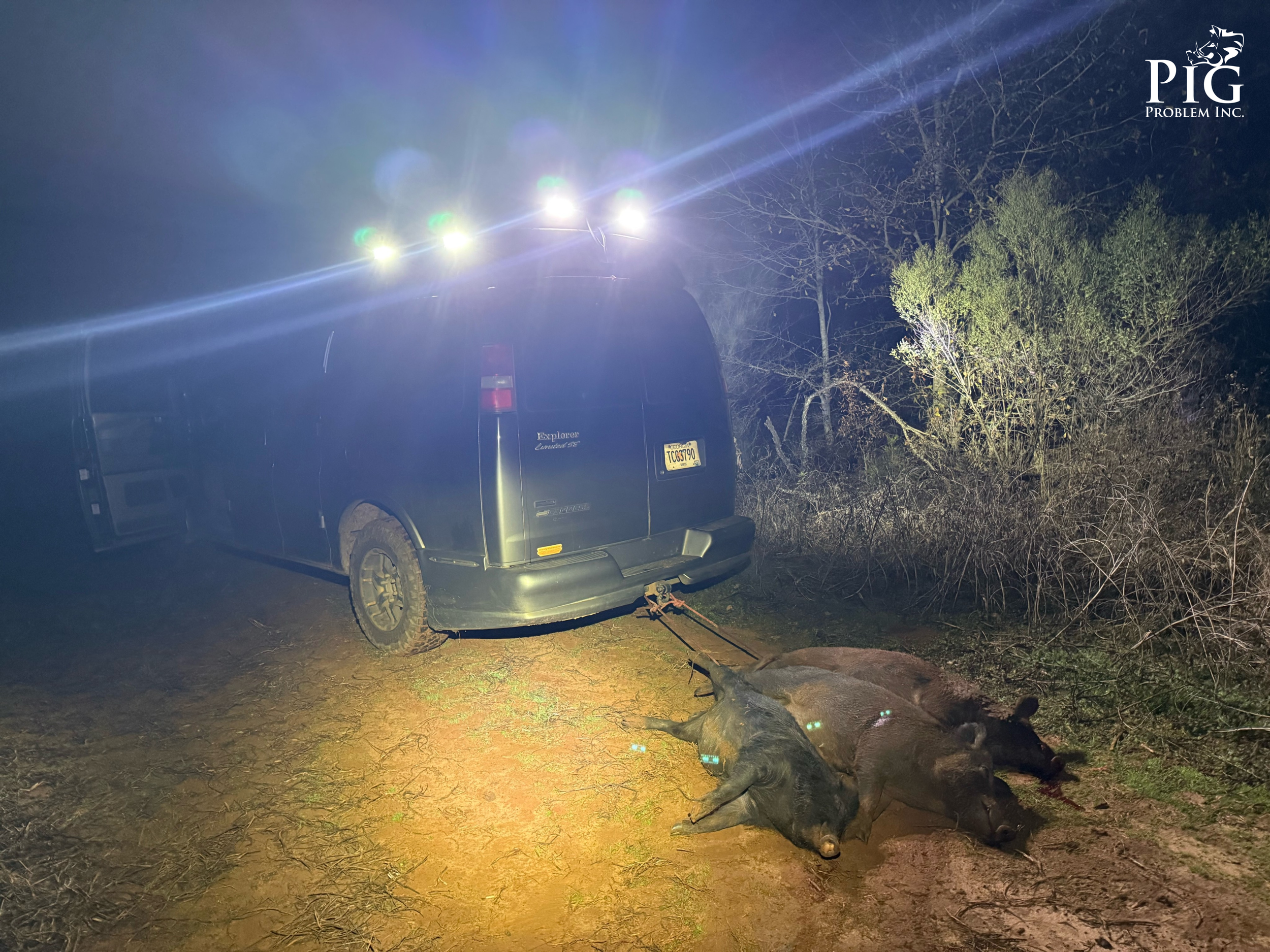
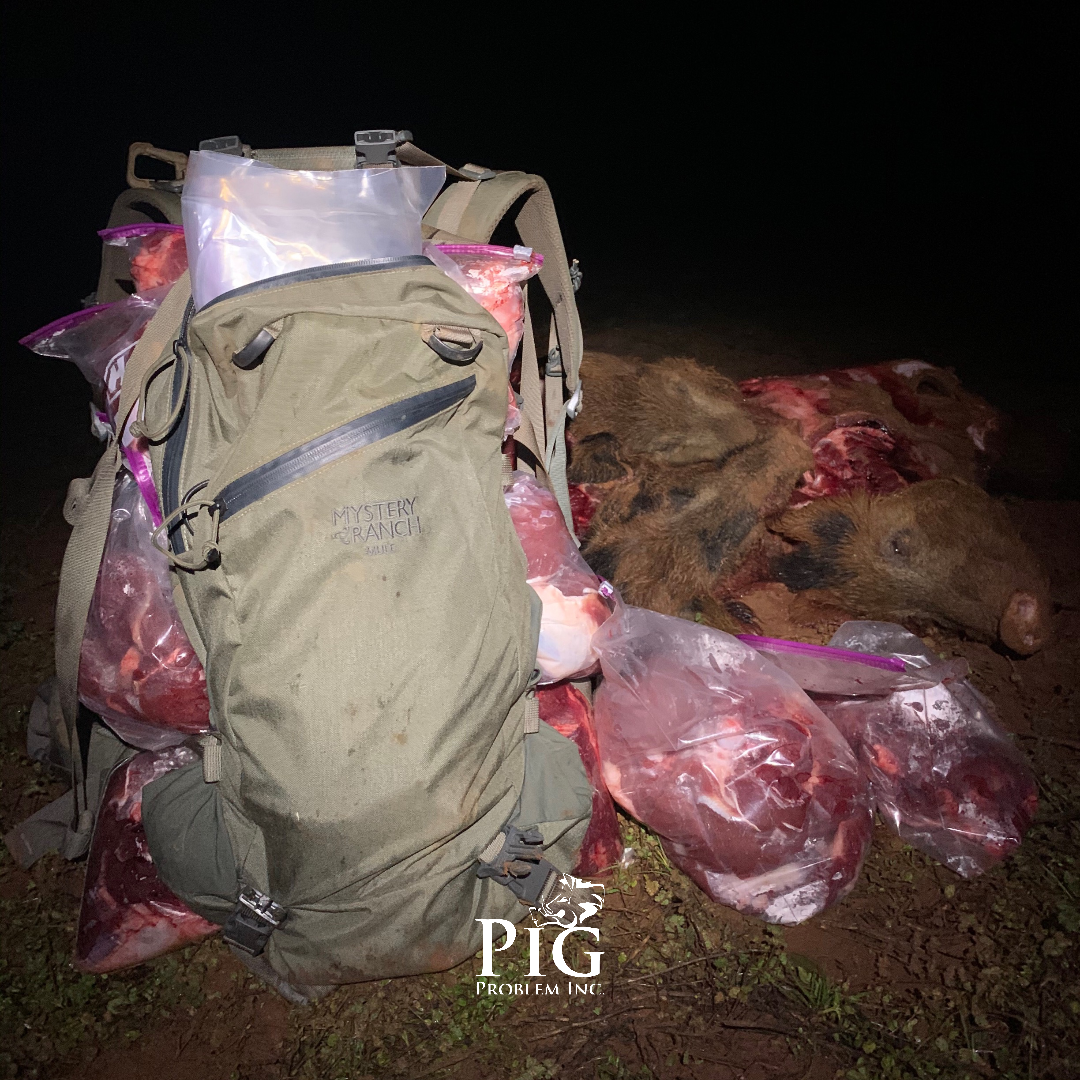
The hunters from upstate New York set up fast and handled business. Before long, five pigs were successfully rehomed(lol), and we loaded up the meat for the ride back to the Windsor so they could get a few hours of rest before Night 2.

Thermal hog hunting is unpredictable — some nights are quiet, some nights take patience, and some end with a surprise sounder waiting right over the hill.

Let’s see what Night 2 brings…

BOOK NOW