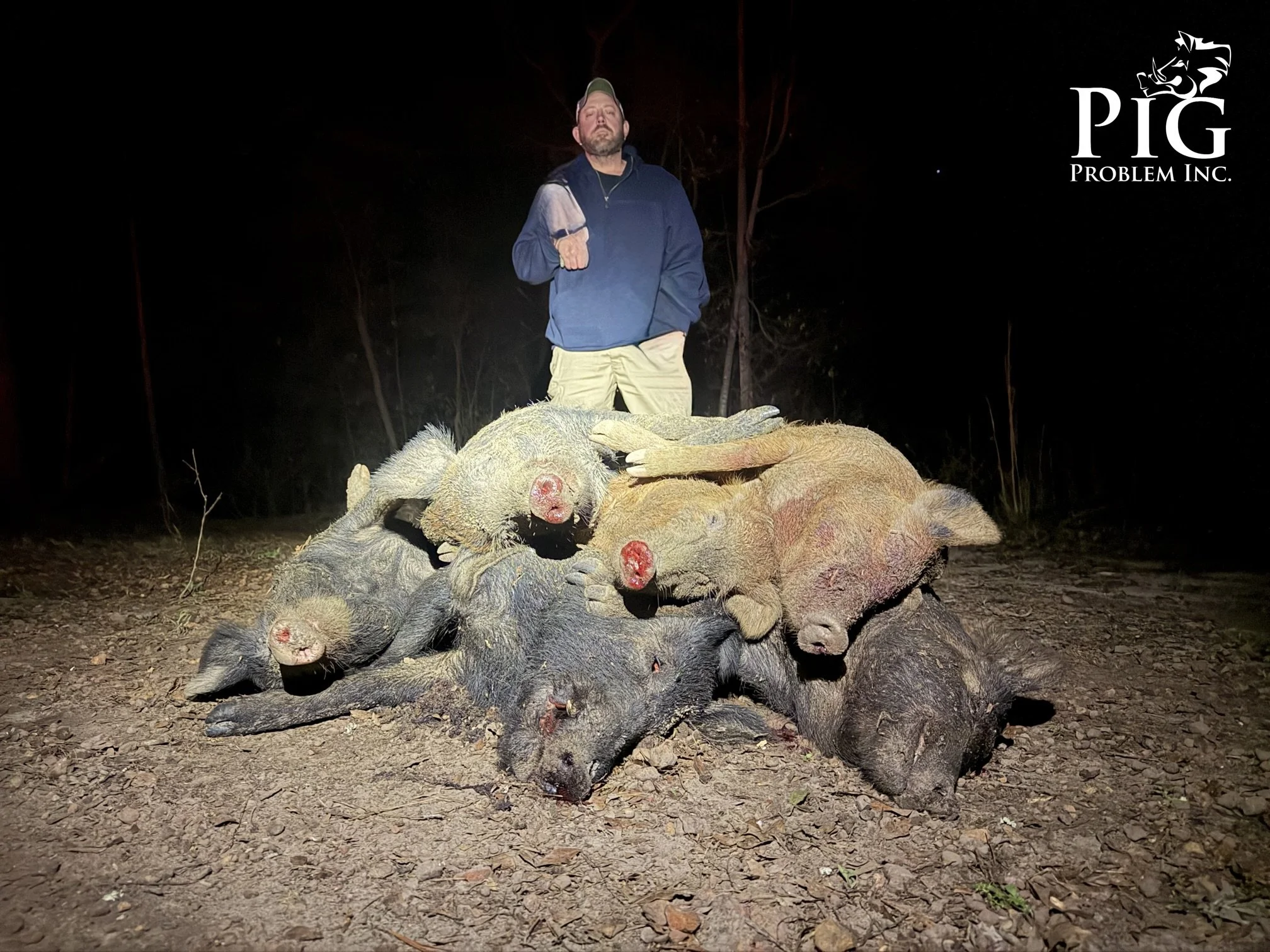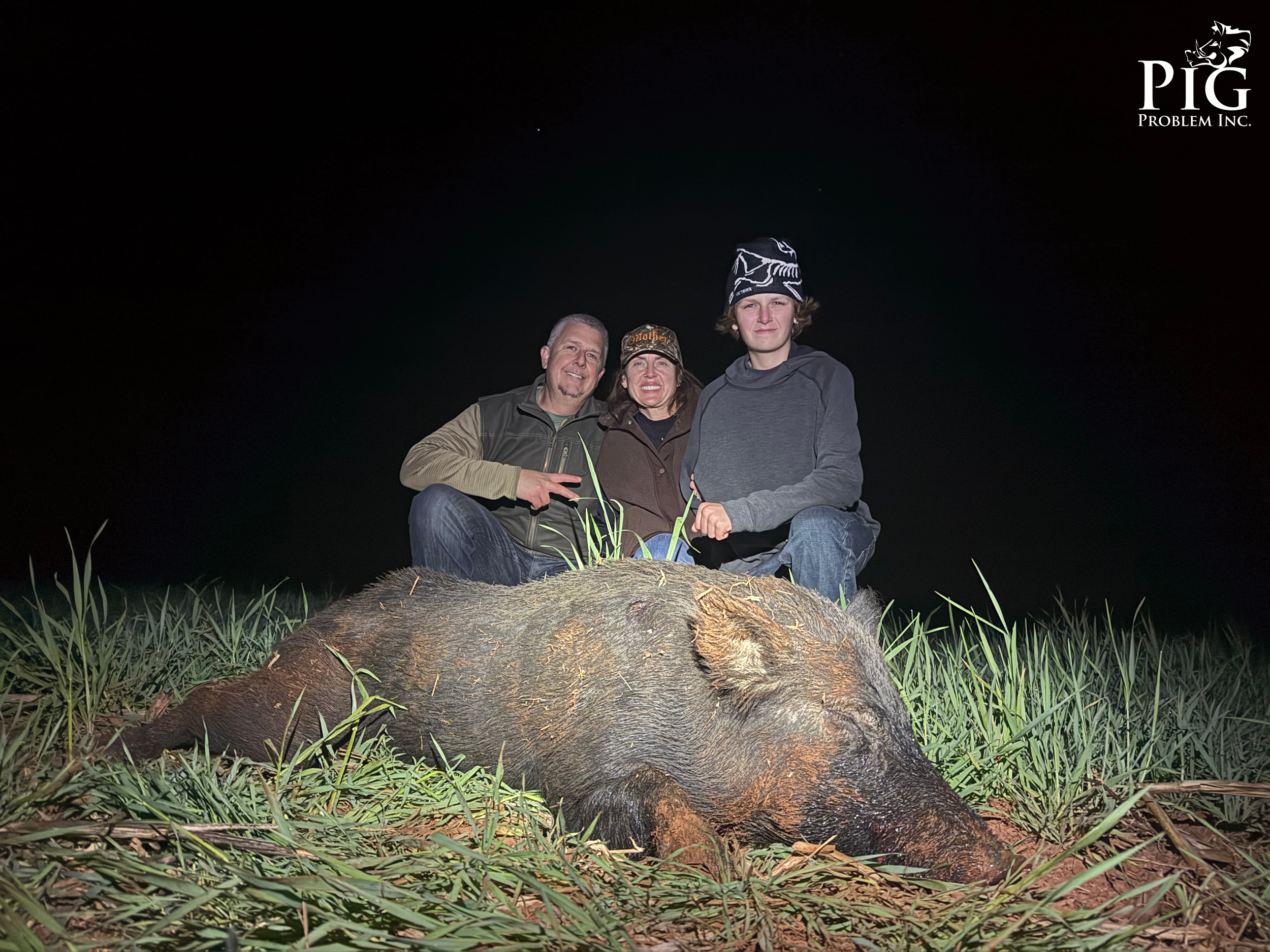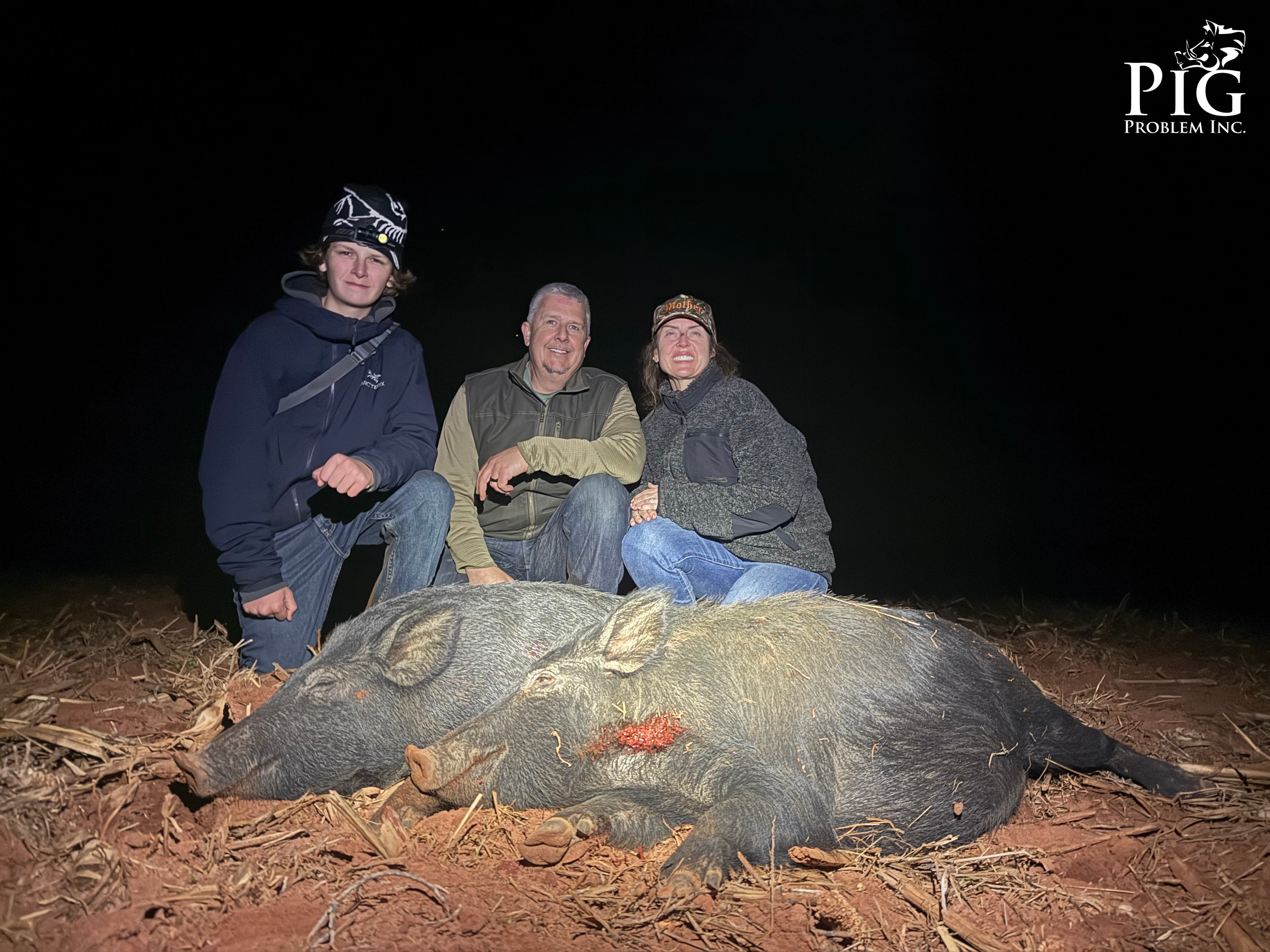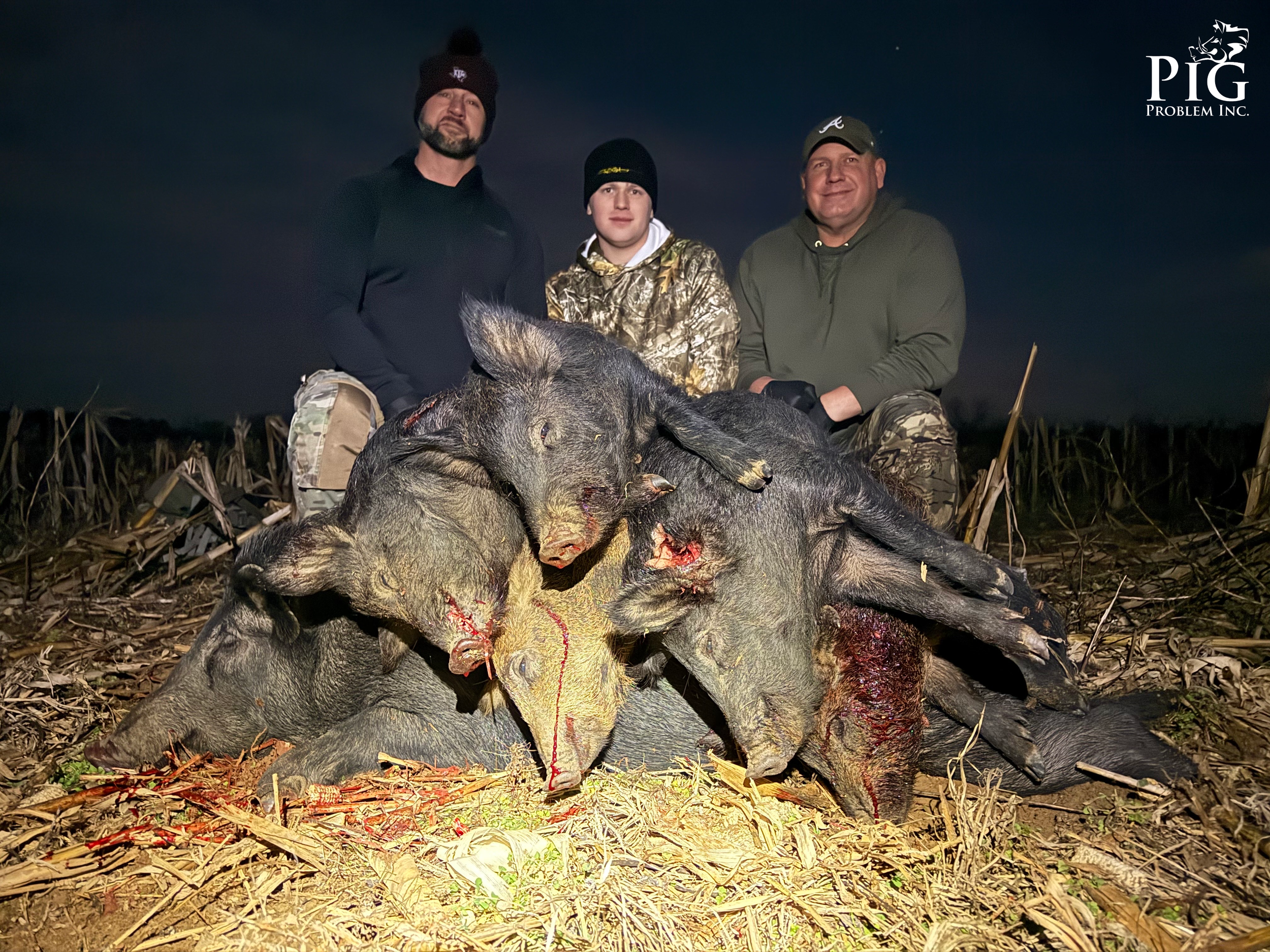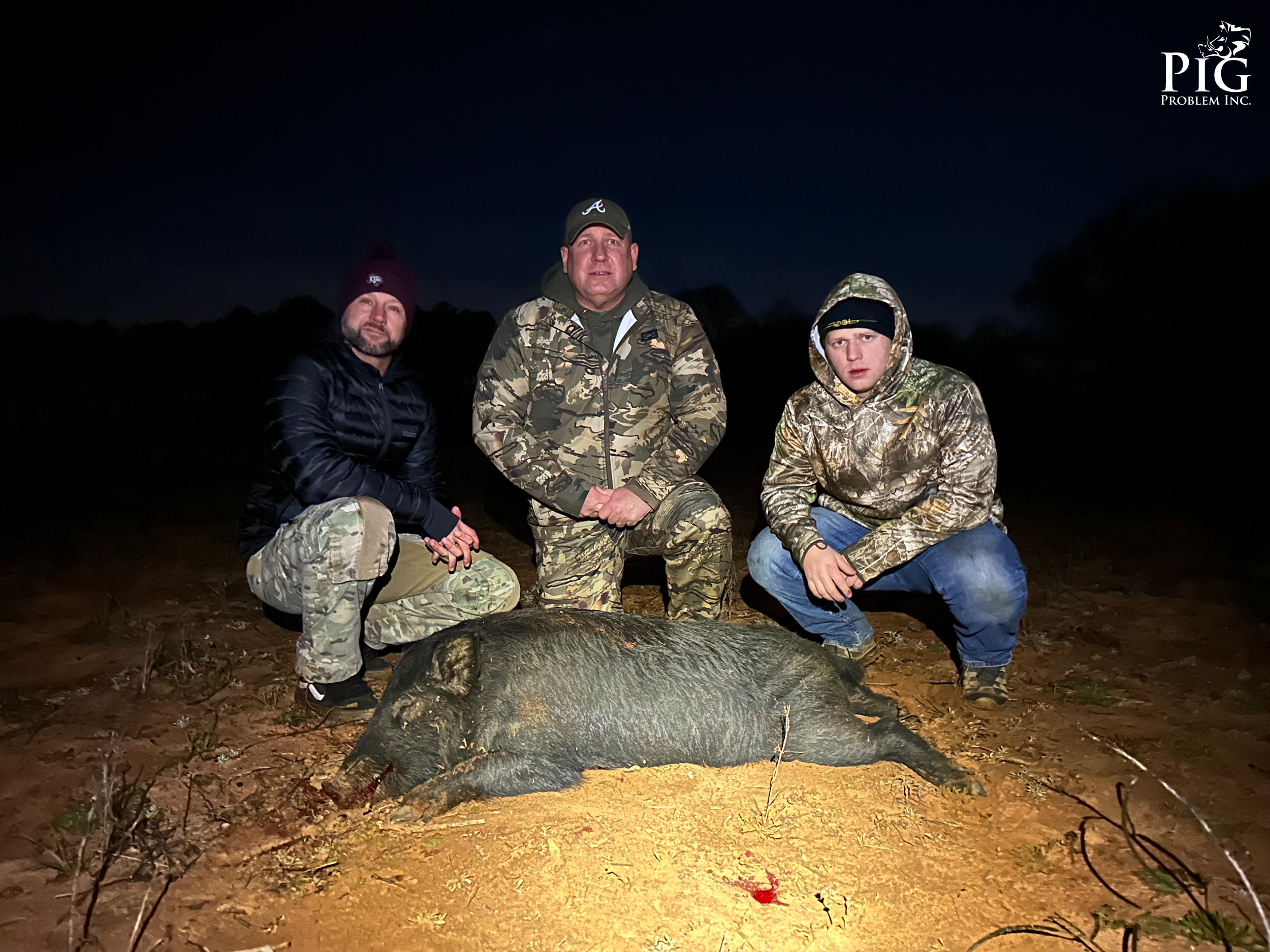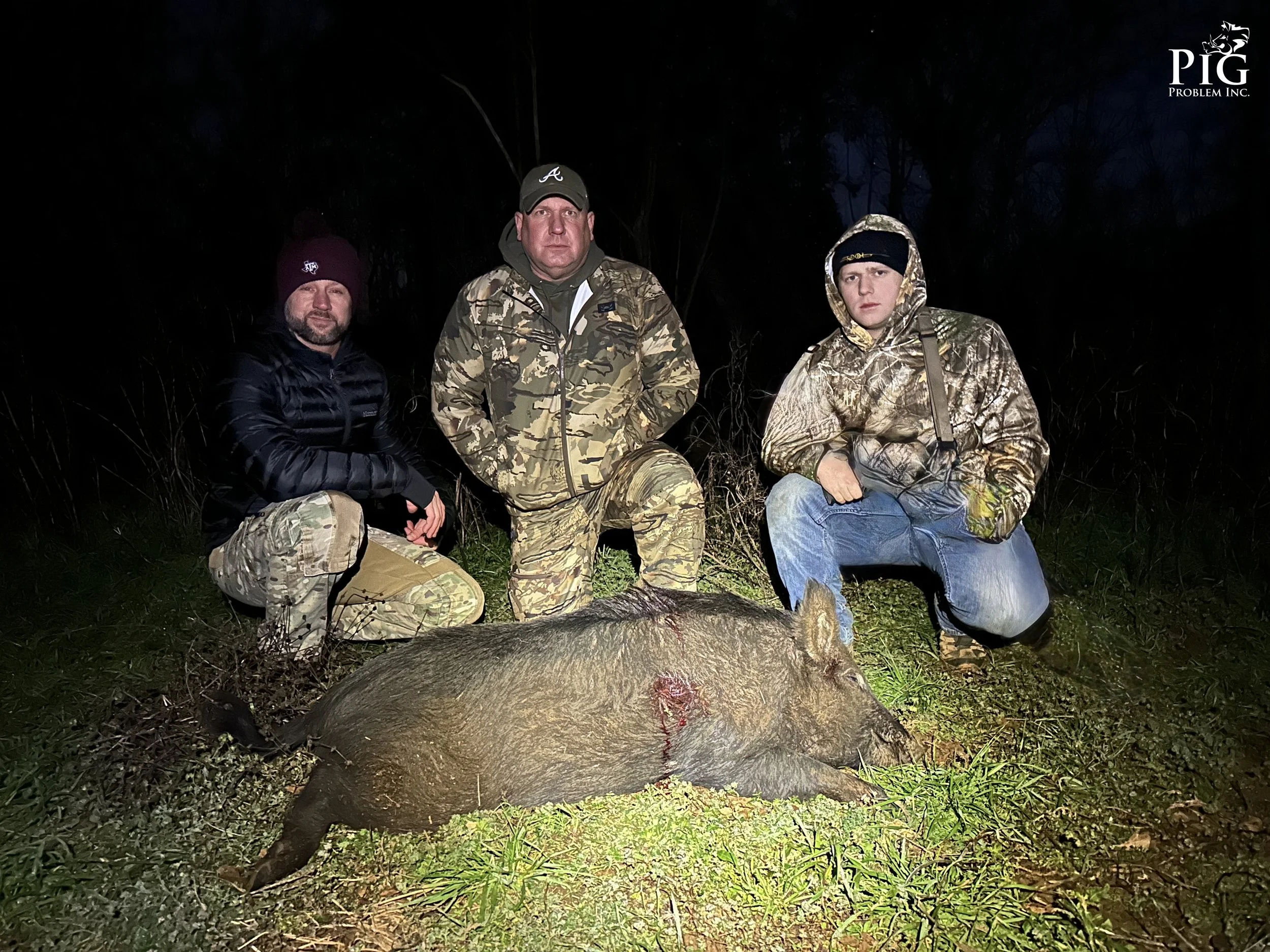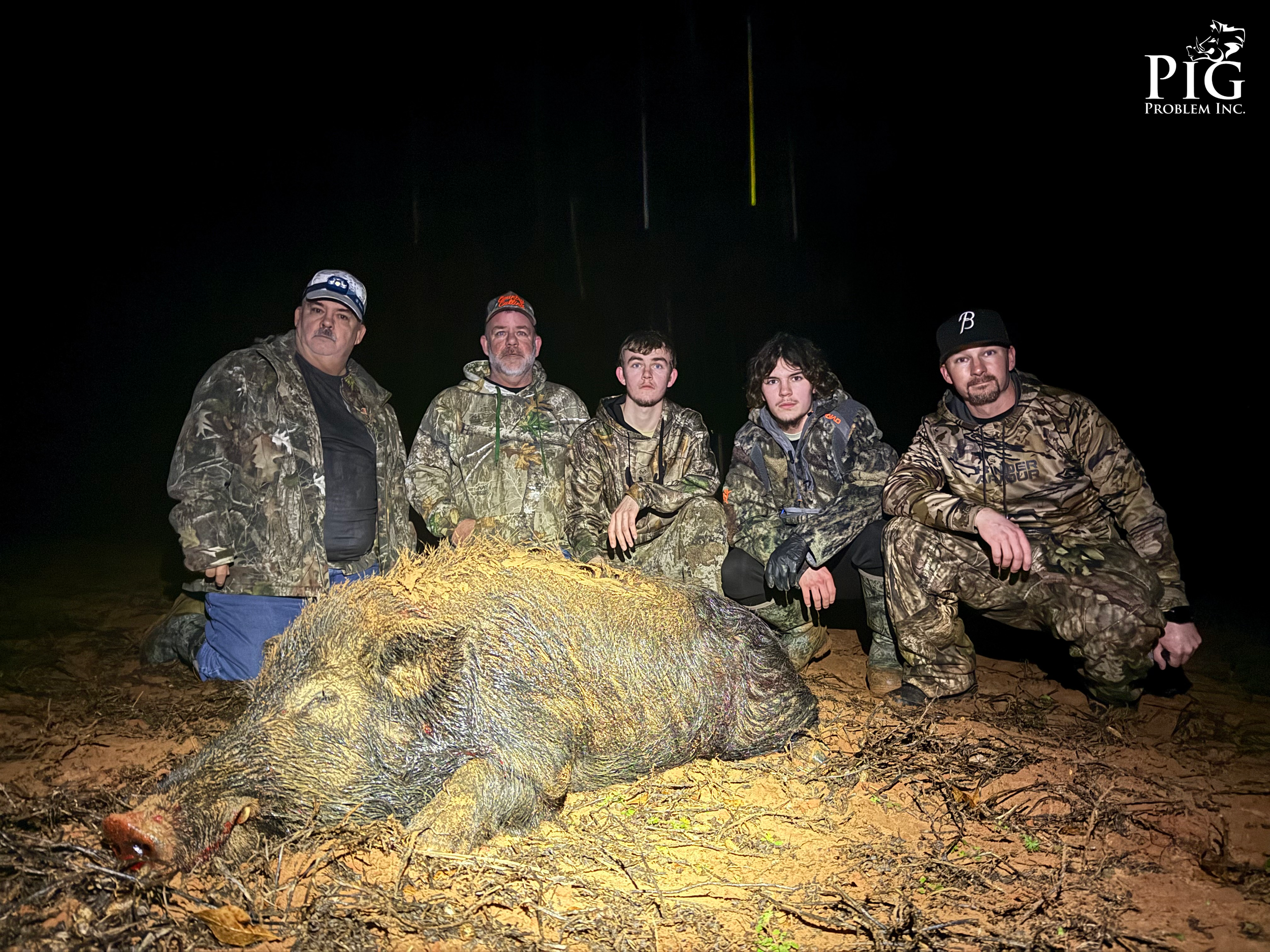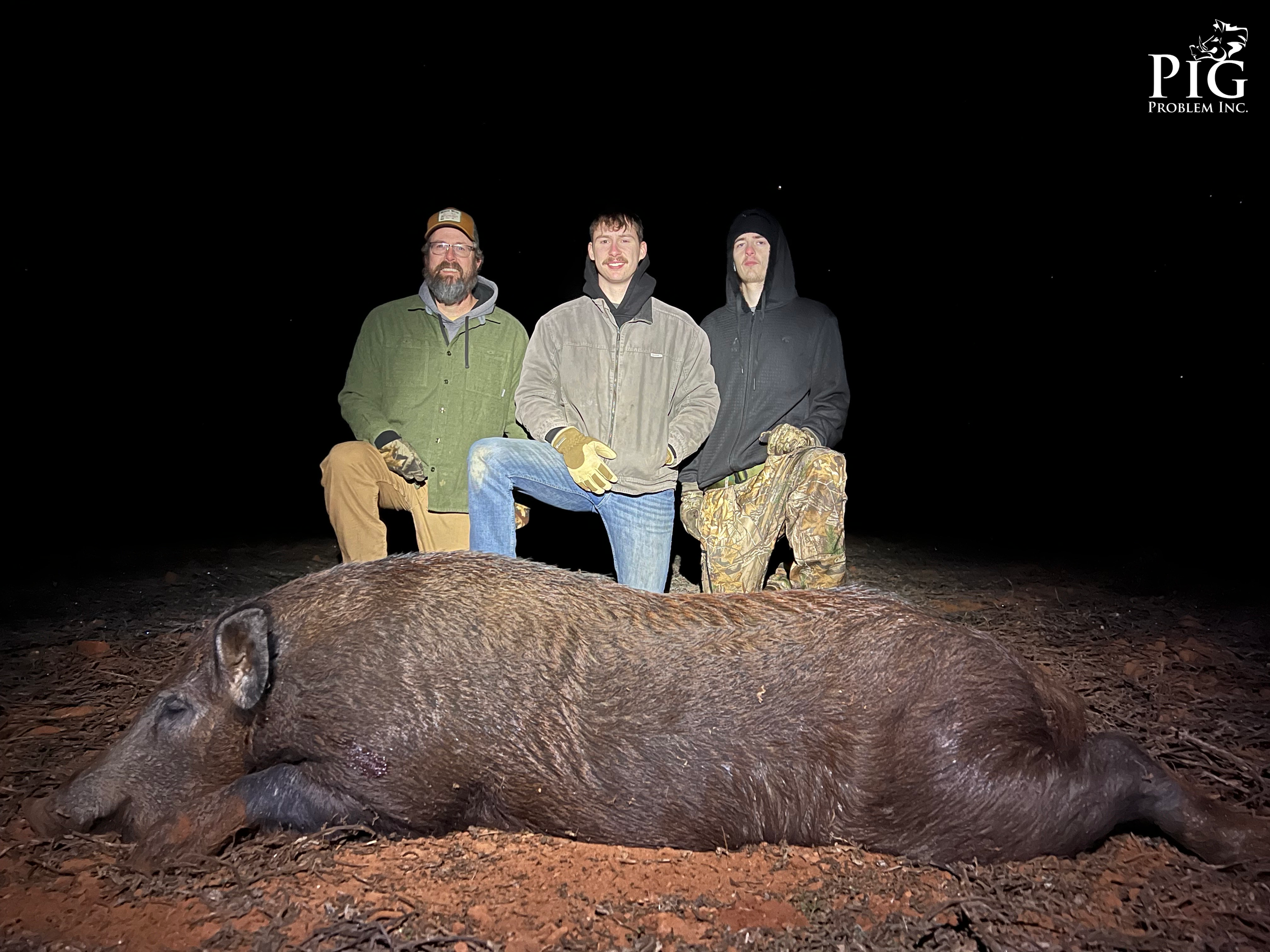
Farmers of Georgia

Why Wild Hogs Are the Most Destructive Animal in America

Across the United States, one animal is causing billions of dollars in damage every year—and it isn’t a predator like a coyote or mountain lion. The real culprit is the wild hog.

Hog Hunting In Georgia

Photo: Hog Hunting Georgia @PigProblem

Wild Hogs, also called feral hogs or feral pigs, are widely considered the most destructive invasive species in the country. Their population continues to explode, and the damage they cause to farms, forests, and ecosystems grows every year.

Today, wild hogs can be found across much of the United States, and in many areas they have become a serious problem for farmers, landowners, and wildlife managers.

Where Wild Hogs Are a Problem in the United States

Wild hog populations exist in at least 35 states, but the heaviest concentrations are found in the southern United States.

Some of the states with the largest wild hog populations include:

  • Texas

  • Georgia

  • Florida

  • Oklahoma

  • Alabama

  • South Carolina

  • Mississippi

  • Louisiana

  • Arkansas

  • California

Warm climates, abundant food, and thick cover allow hog populations to grow rapidly in these areas.

Unlike native wildlife, wild hogs are extremely adaptable. They thrive in farmland, forests, wetlands, river bottoms, and even suburban areas. This adaptability makes controlling their population extremely difficult.

Why Wild Hogs Are So Destructive

Wild hogs cause damage in several ways.

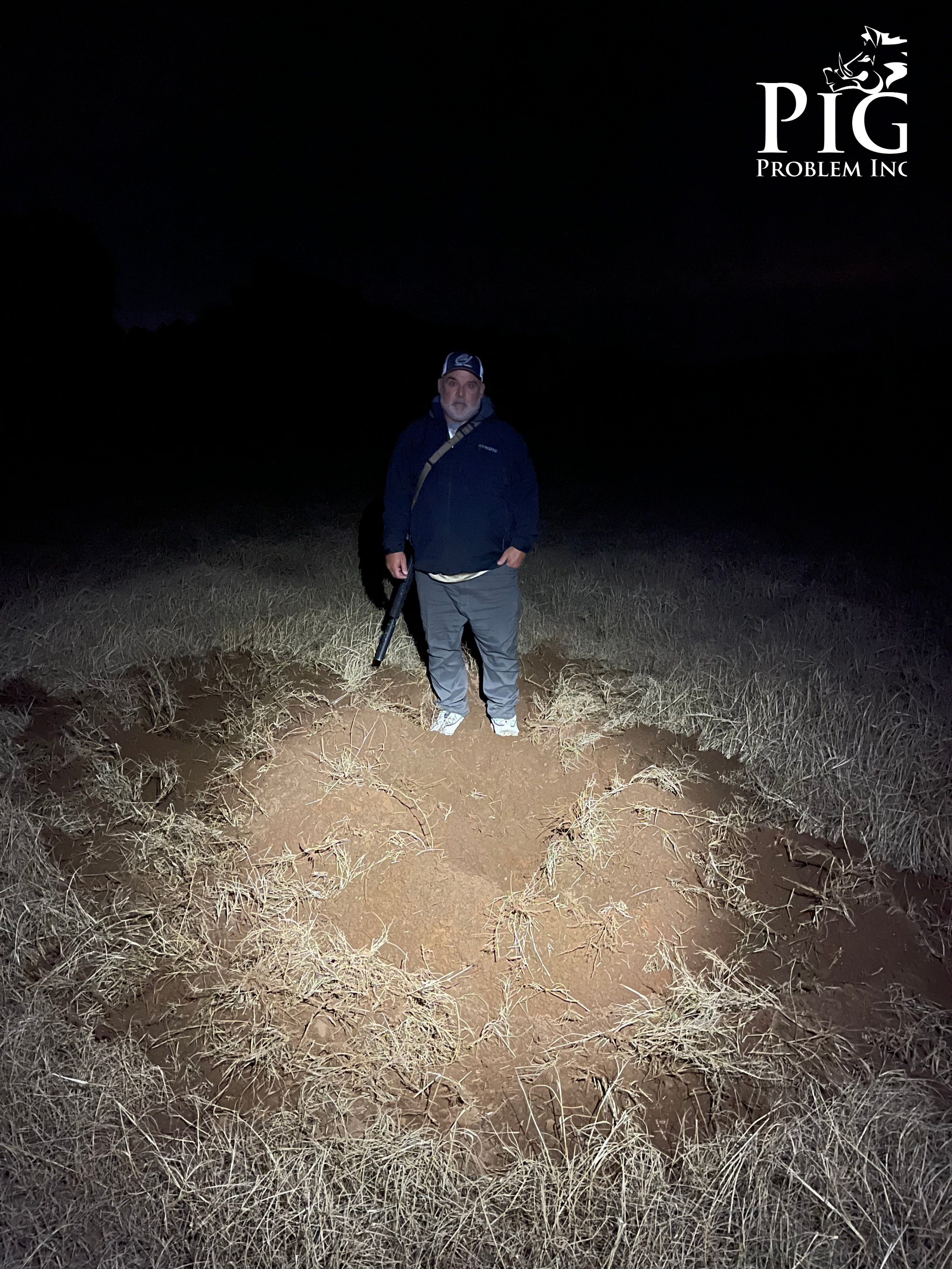
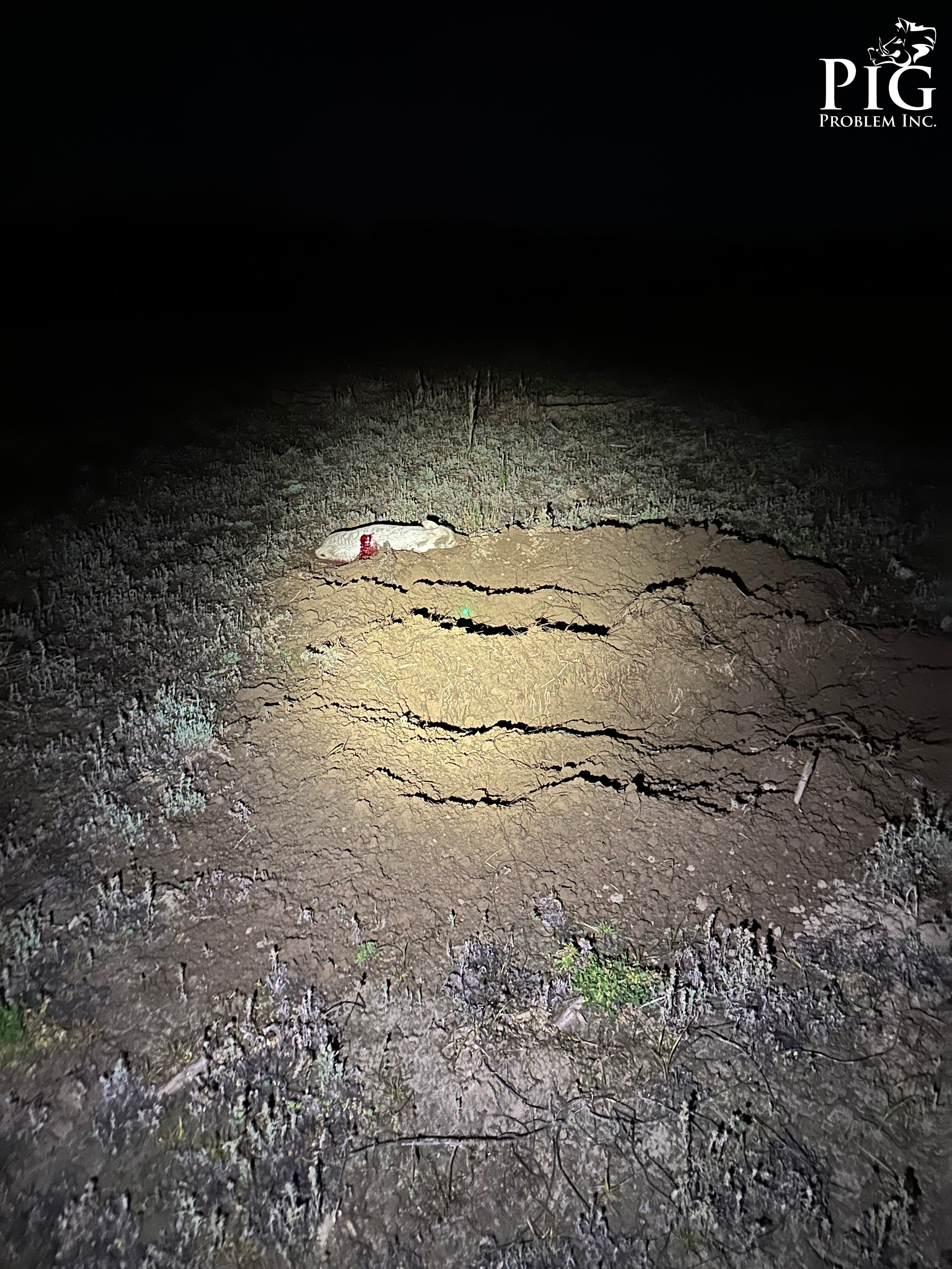
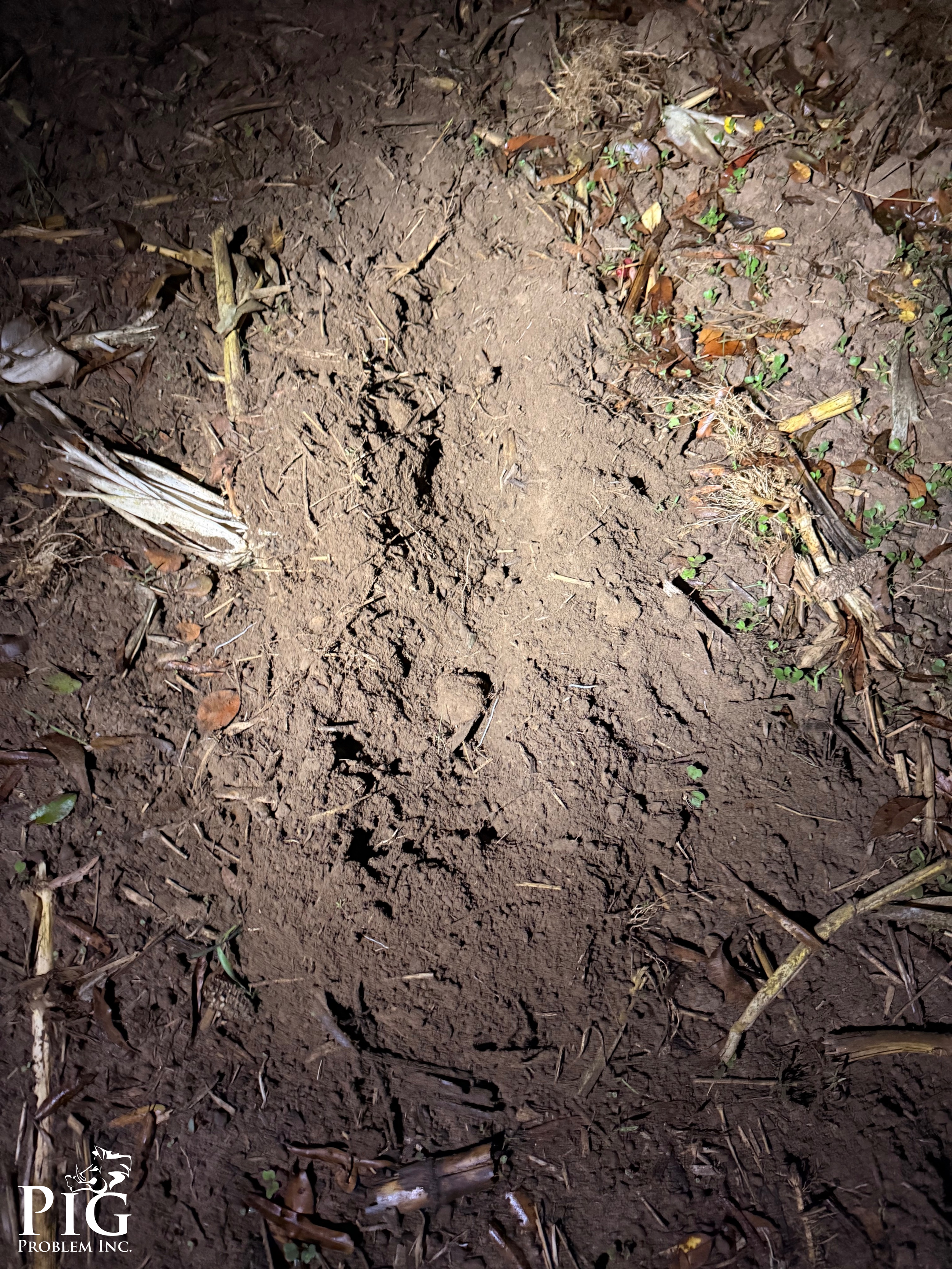
First, they root up the ground while searching for food. Using their powerful snouts, hogs dig into soil looking for roots, insects, grubs, and seeds. This behavior tears up fields, destroys crops, and leaves land looking like it has been plowed overnight.

Wild Hog Destruction

Photo: Feral Hogs Destroying Fields @PigProblem

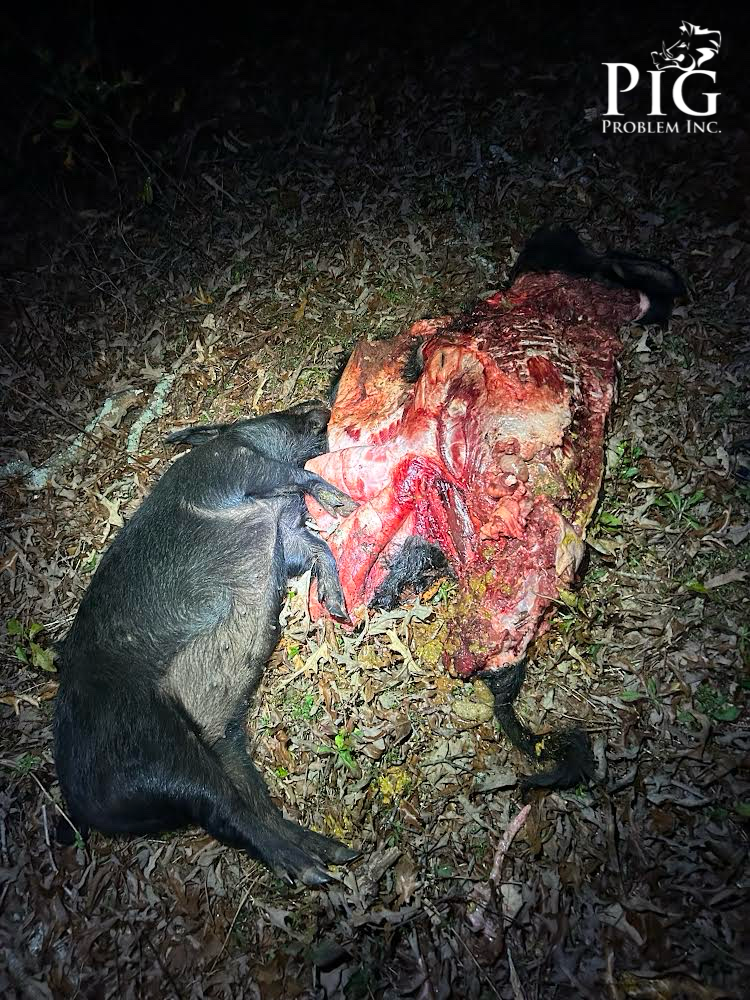
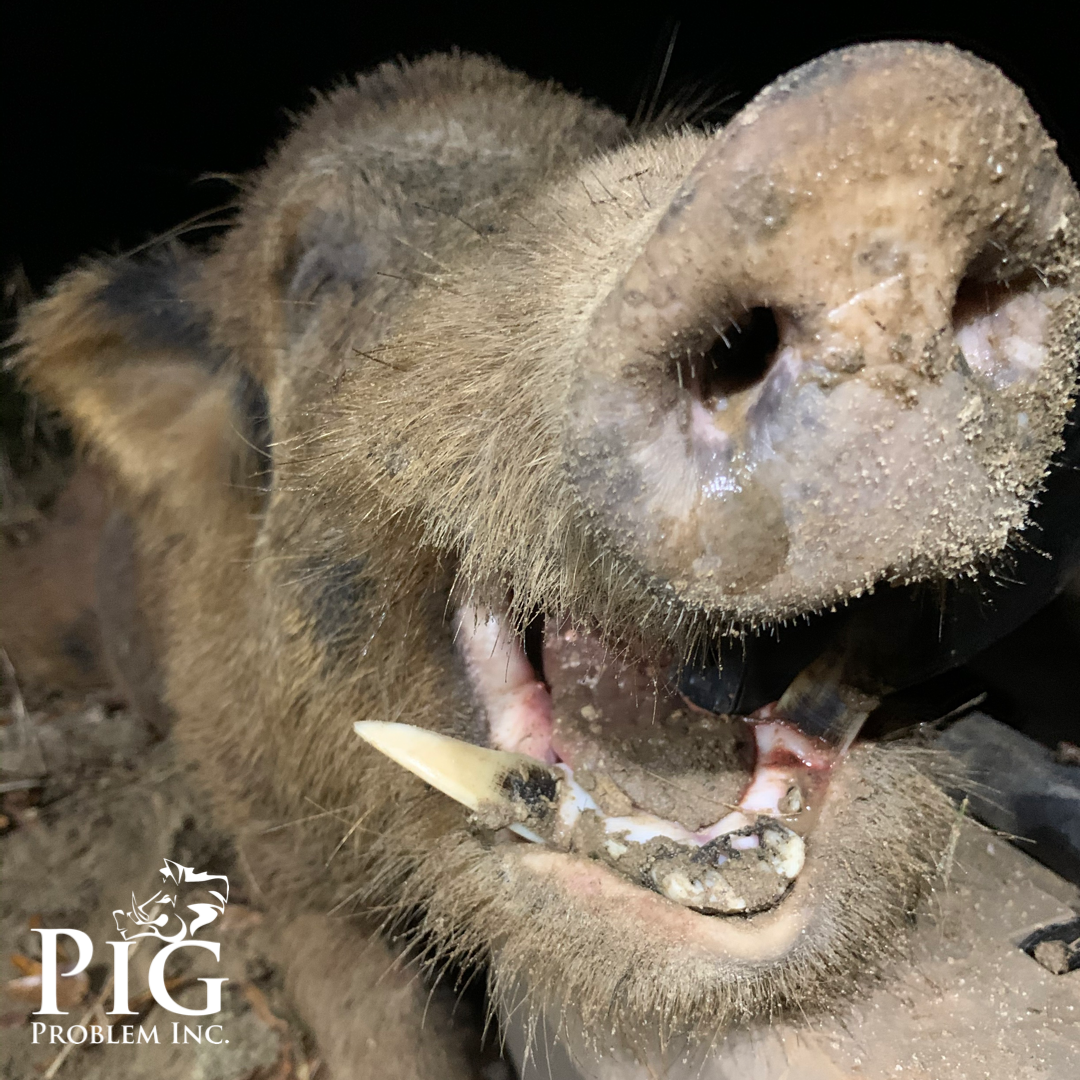
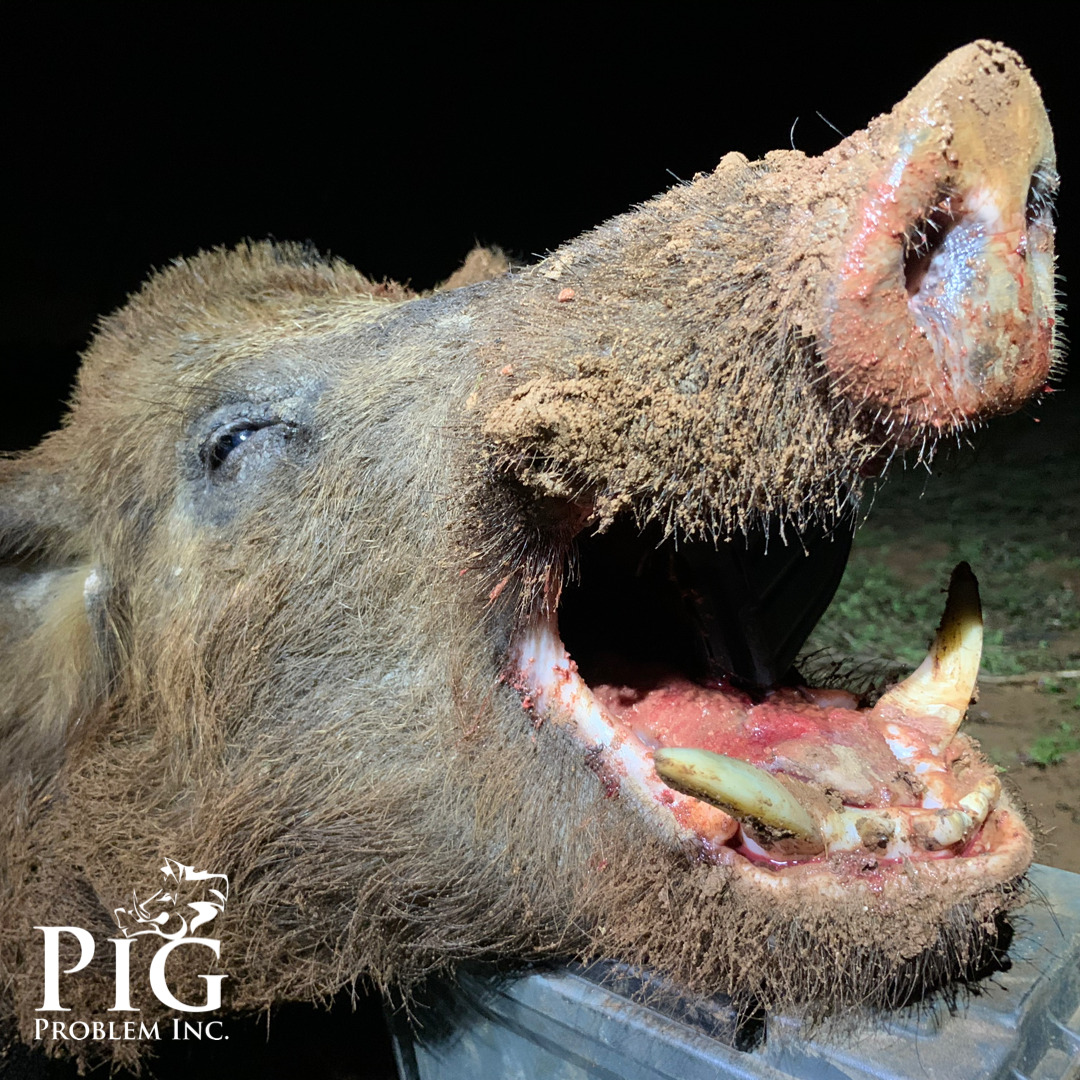
Second, wild hogs eat anything. Remember when your great grandmother (that may or may not have been a little over weight) would tell you “I’ll eat anything that doesn’t eat me first”. Well that’s how feral hogs are too. They are opportunistic omnivores and consume crops, nuts, worms, fruits, small animals, bird eggs, deer fawns, and even them selves… Yes they are cannibals. We have seen it in action.

Feral Hogs Are Cannibals

Photo: Feral Hogs Are Cannibals @PigProblem

Third, hogs reproduce at an alarming rate. A single sow can produce two litters per year, with each litter containing 4–12 piglets. Because of this rapid reproduction, populations can grow faster than most control methods can keep up.

The result is widespread agricultural damage and serious ecological impacts.

The Growing Pig Problem in Georgia

In the southeastern United States, few places feel the impact of wild hogs more than Georgia.

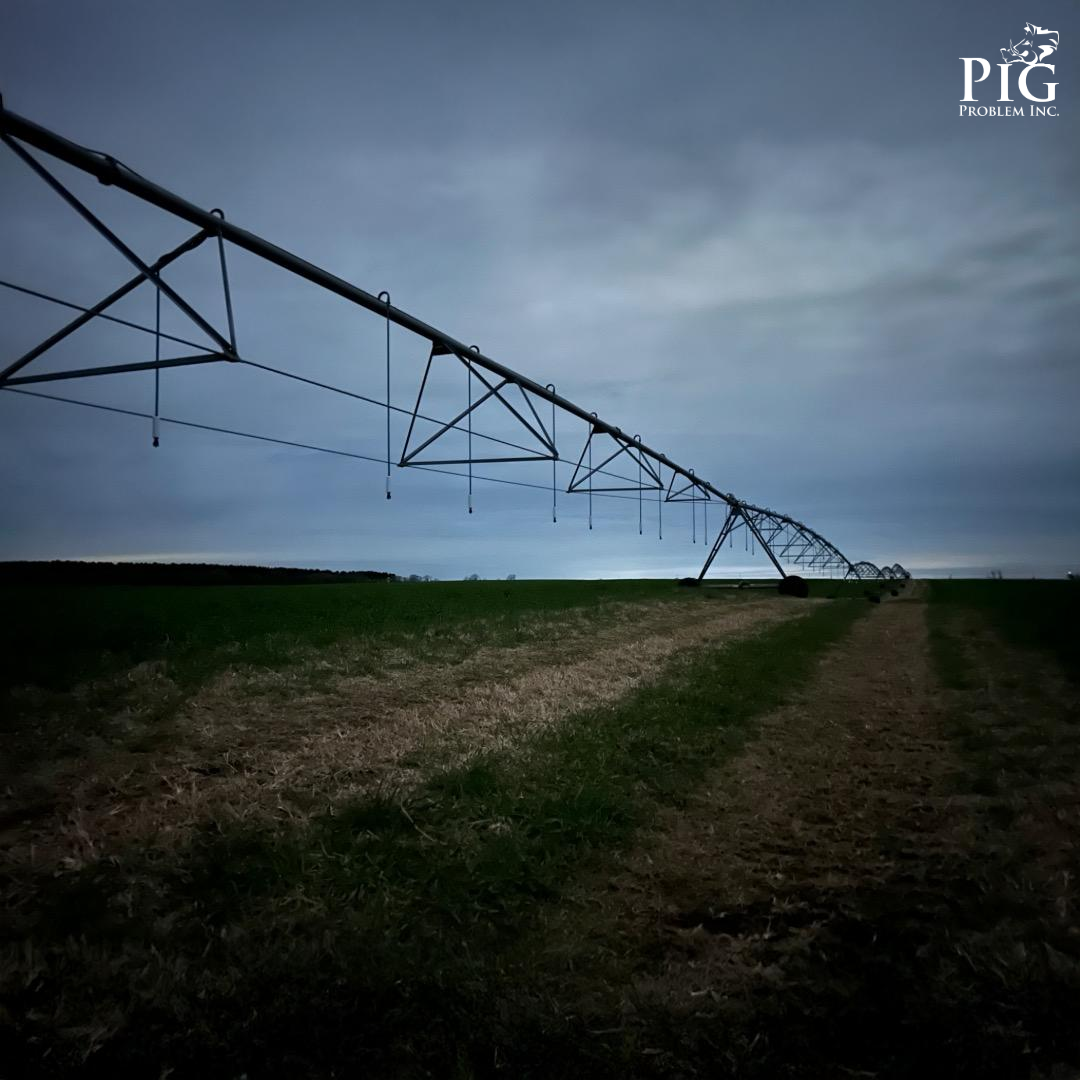
South Georgia Farm Field

Photo: South Georgia Farm Field @PigProblem

Georgia’s warm climate, abundant farmland, and river systems create perfect habitat for feral hogs. Over the past few decades, their population has expanded across nearly the entire state.

For farmers in South Georgia, the problem can be especially severe.

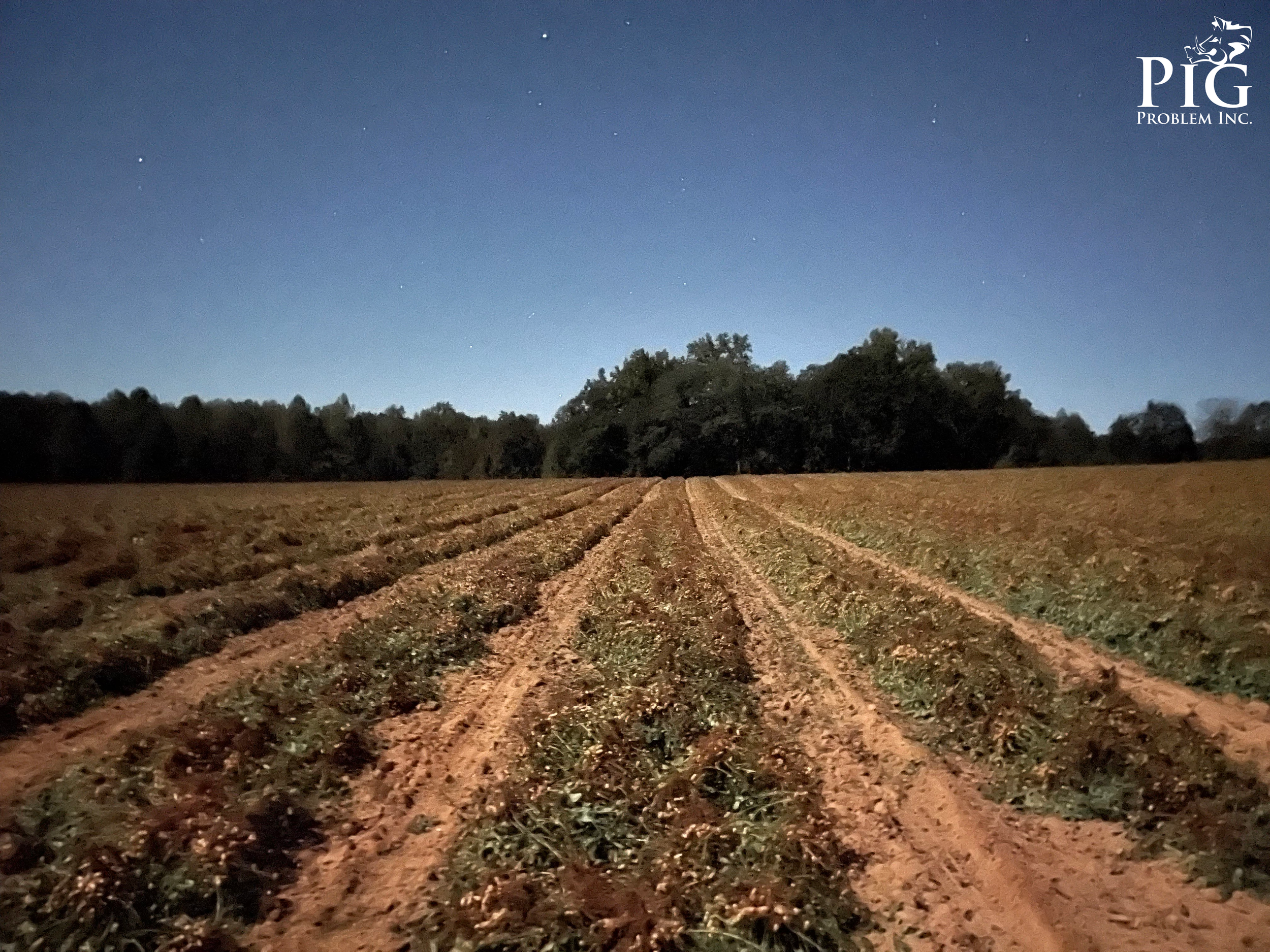
Georgia Peanut Field

Photo: Georgia Peanut Field @PigProblem

This region produces large amounts of crops like:

  • Corn

  • Peanuts

  • Cotton

  • Soybeans

Unfortunately, these crops are also some of a hog’s favorite foods.

How Wild Hogs Destroy Crops in South Georgia

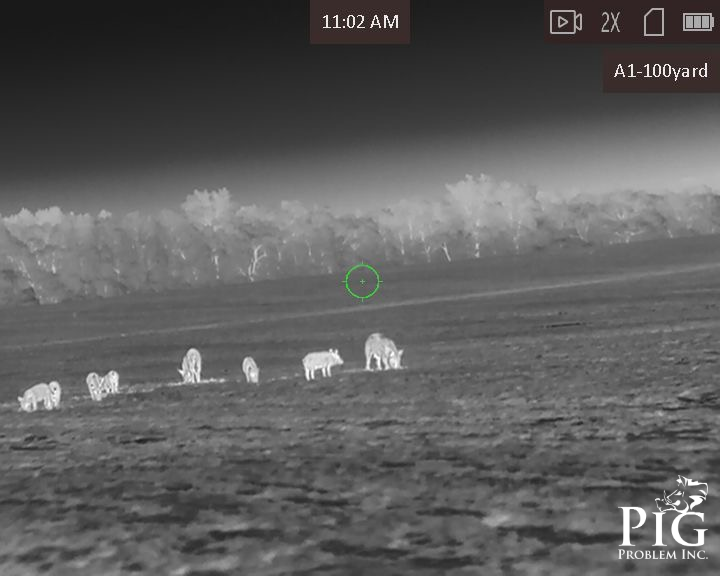
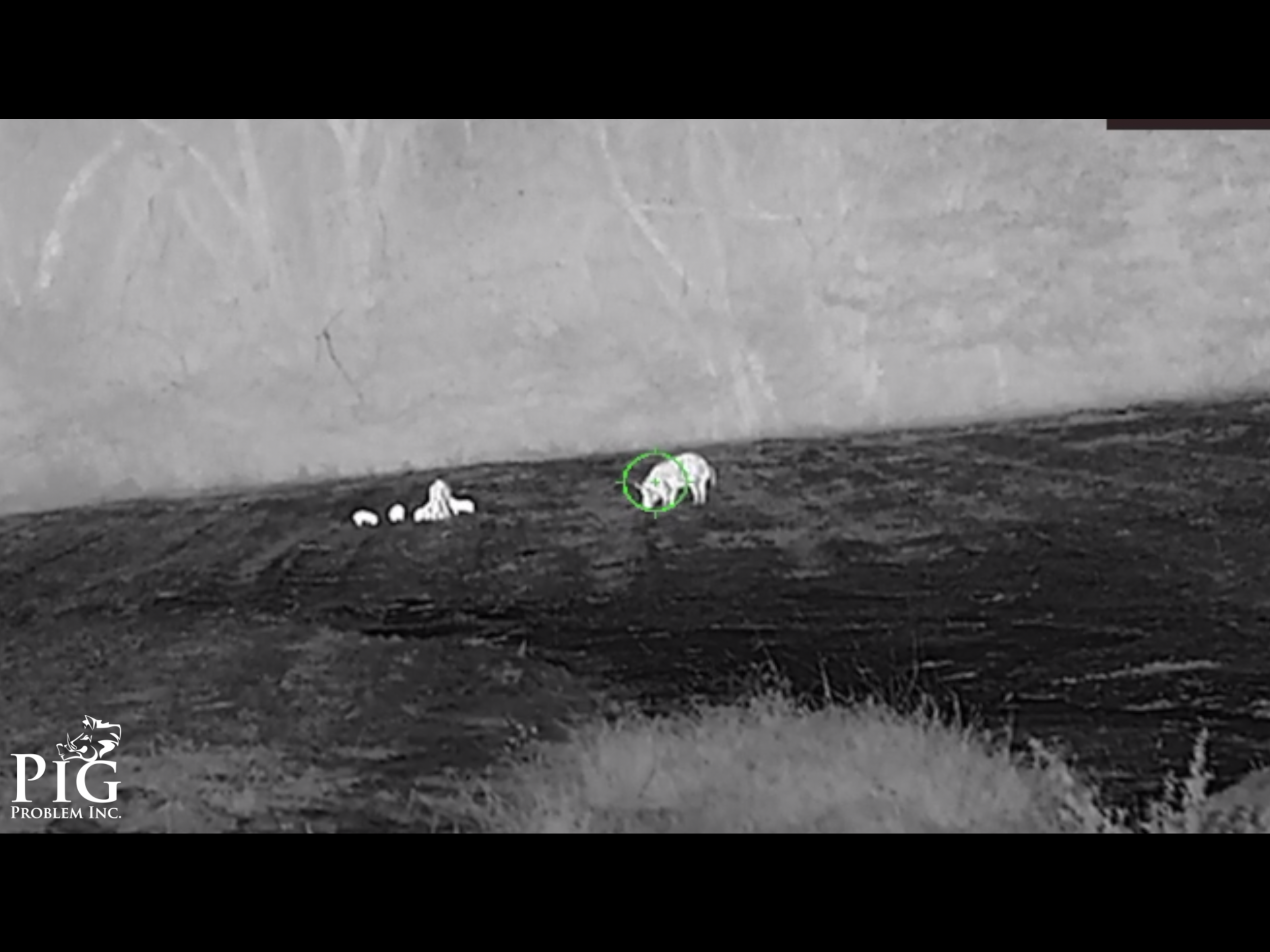
Sounder In Thermal Imaging

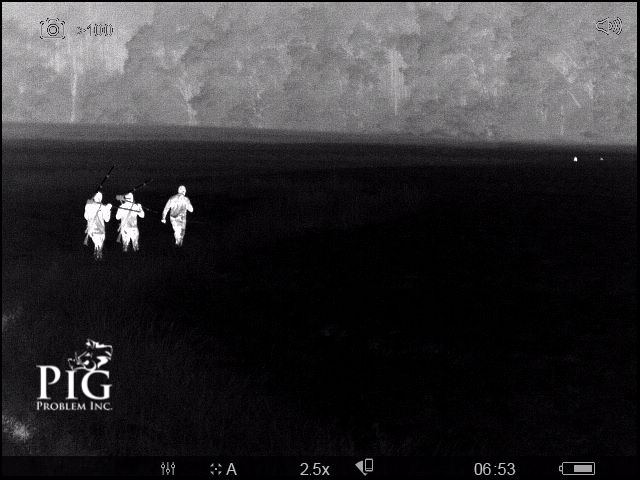
Photo: Thermal Hunting A Sounder Of Wild Hogs @PigProblem

Wild hogs often move into agricultural fields under the cover of darkness. Entire groups of hogs, called sounders, can enter a field and cause major destruction in a single night.

In corn fields, hogs will knock down stalks and consume the ears, leaving rows flattened and unusable.

In peanut fields, they root through the soil searching for peanuts, destroying large sections of planted acreage as they dig.

Cotton and soybean fields can also suffer heavy damage, as hogs trample plants and feed on developing crops.

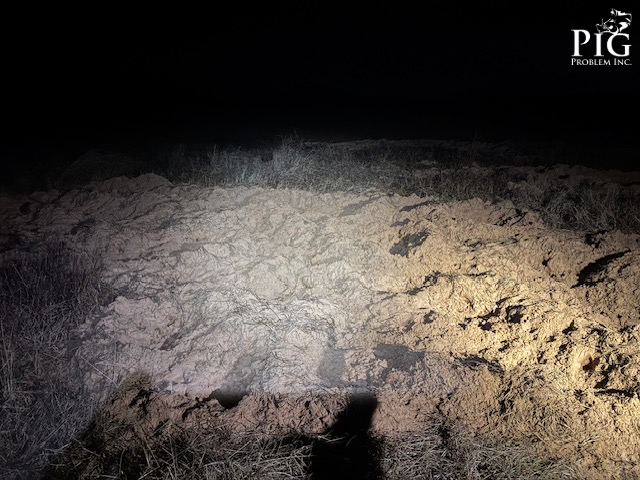
Wild Hog Damage

Photo: Wild Hog Damage @PigProblem

Even when hogs don’t eat the entire crop, their rooting behavior tears up the ground so badly that the field may require costly repairs before it can be planted again.

For many farmers, the damage caused by wild hogs isn’t just frustrating—it can represent a significant financial loss.

The Damage Happens Fast

One of the most frustrating aspects of wild hog damage is how quickly it can happen.

Wild Hogs Rooting

Photo: Wild Hog Rooting @PigProblem

A field that looks perfect in the evening can be heavily destroyed by morning. A sounder of hogs may contain 10, 20, or even more animals, and when they begin feeding in crops the damage multiplies quickly.

Wild Hog Major Crop Damage

Photo: Feral Hog Major Crop Damage @PigProblem

Because hogs are primarily nocturnal, much of this destruction happens at night when farmers and landowners can’t see it happening.

Why Hunting Plays an Important Role

Controlling wild hog populations requires multiple strategies, including trapping and hunting. In many areas, night hunting has become one of the most effective ways to reduce hog numbers, especially on farmland where damage is occurring.

Thermal Hog Hunting

Photo: Thermal Hog Hunting @PigProblem

In South Georgia, hog hunting has become both a practical solution and an exciting outdoor experience for hunters who want to help manage this invasive species.

The guides at Pig Problem spend countless nights helping landowners reduce hog populations while giving hunters the opportunity to experience the adrenaline of a thermal night hunt.

For those who have never seen a field through thermal optics with a group of hogs moving across it, it’s an unforgettable experience—and it plays a small role in helping farmers fight the growing pig problem in Georgia.

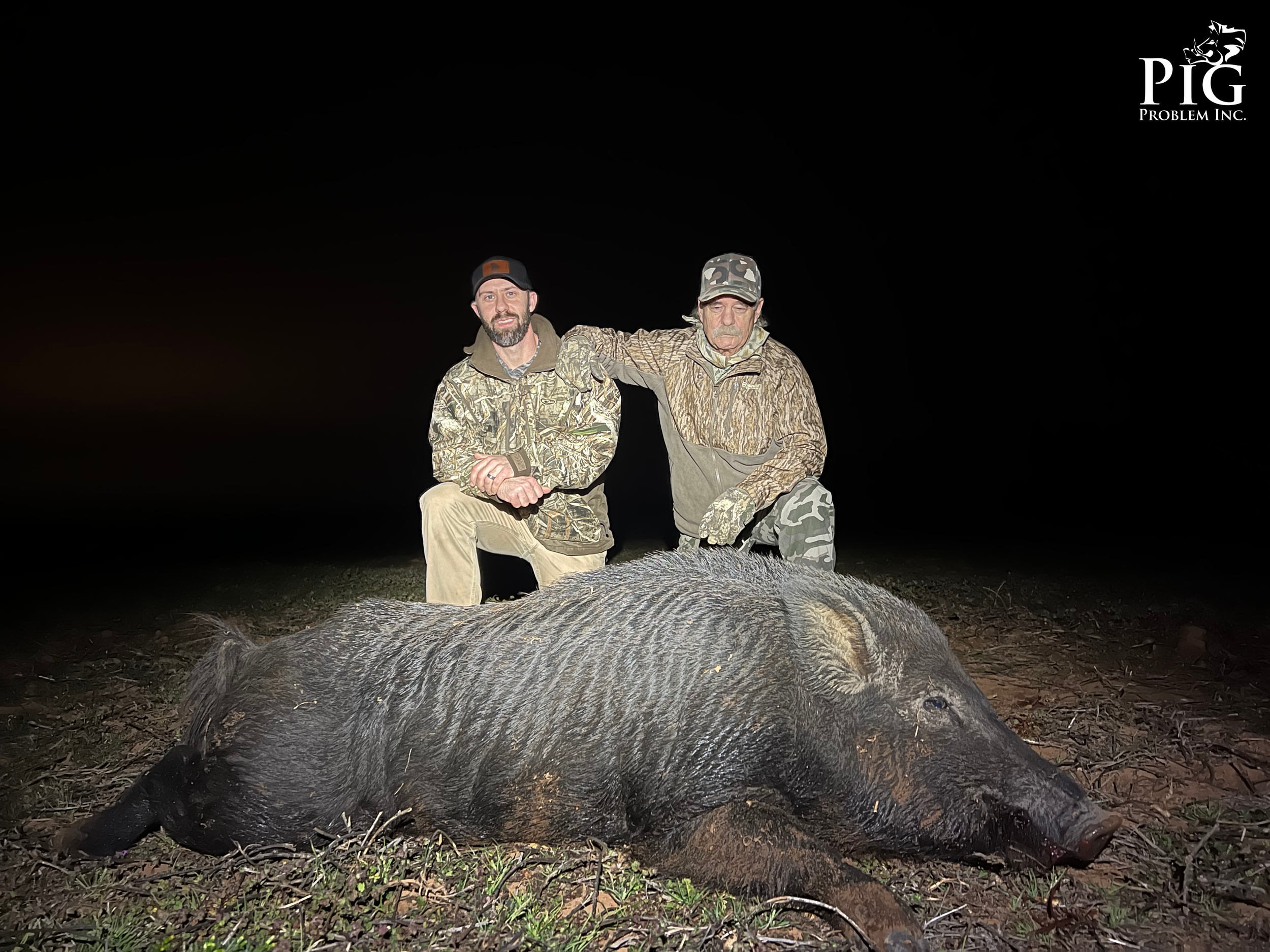
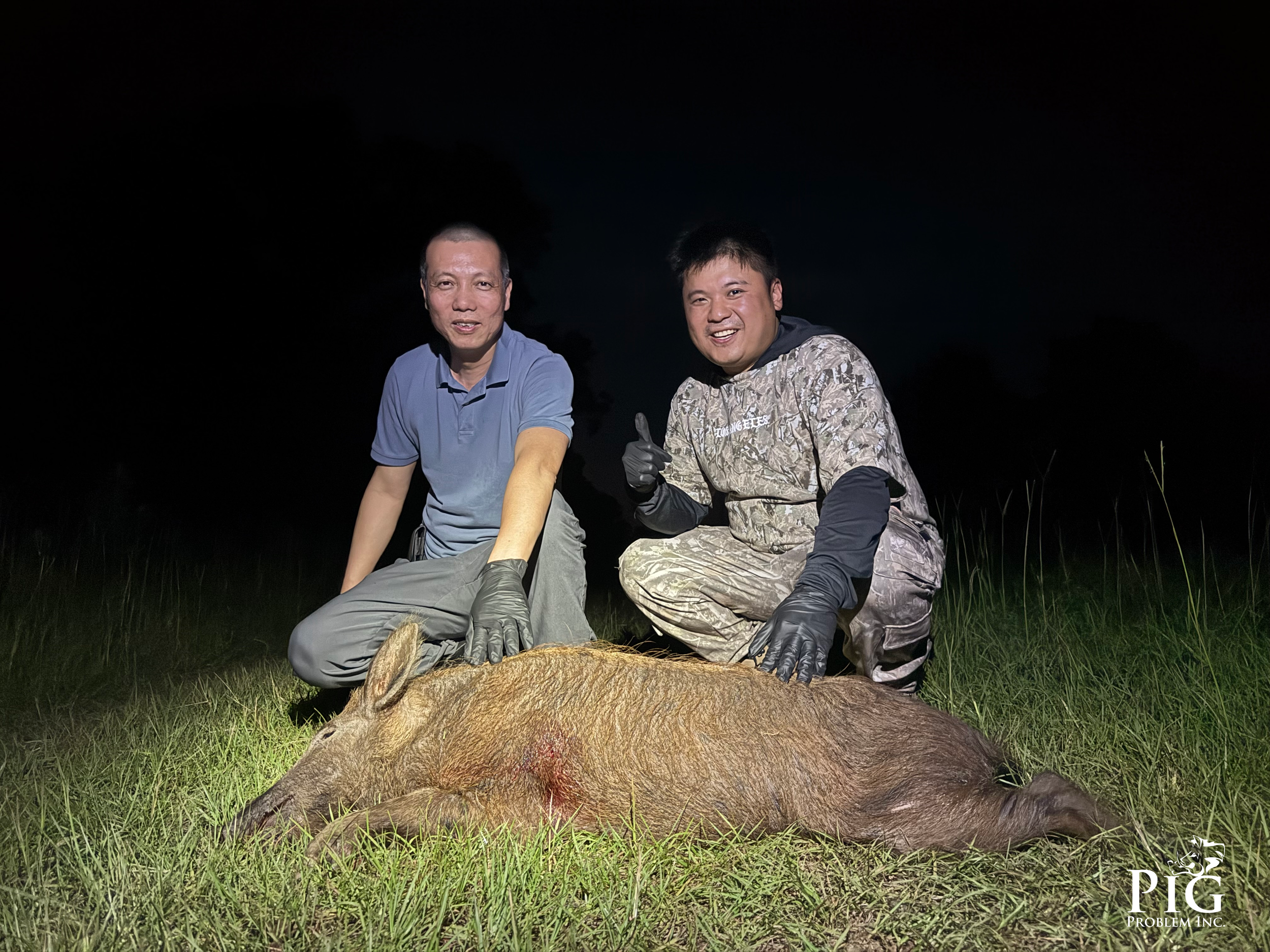
Georgia Hog Hunting

Hog Hunting In Georgia

Photo: Hog Hunting In Georgia @PigProblem

Night Hunting In Georgia

Photo: Night Hunting In Georgia @PigProblem

Photo: Wild Hogs @PigProblem

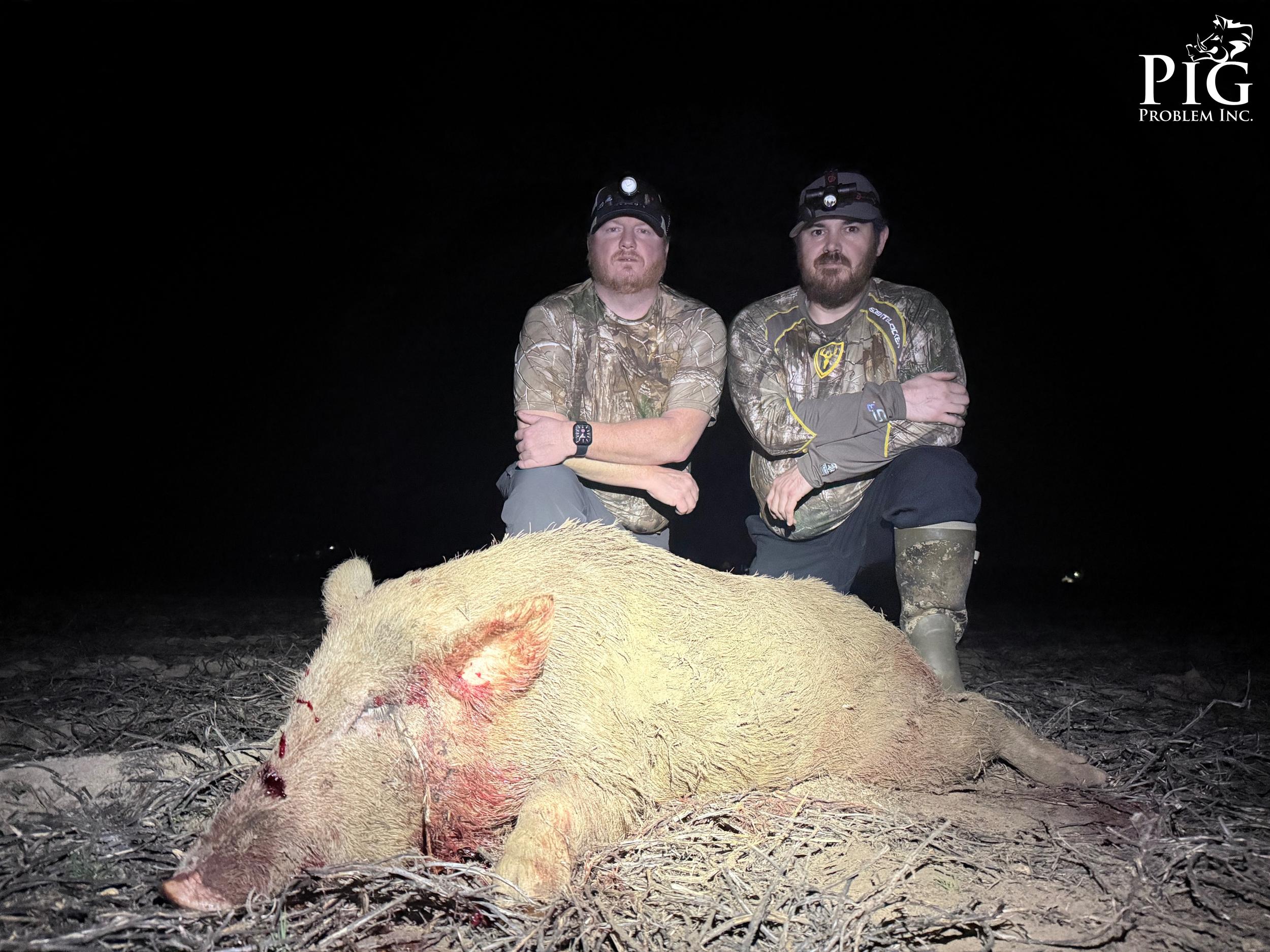
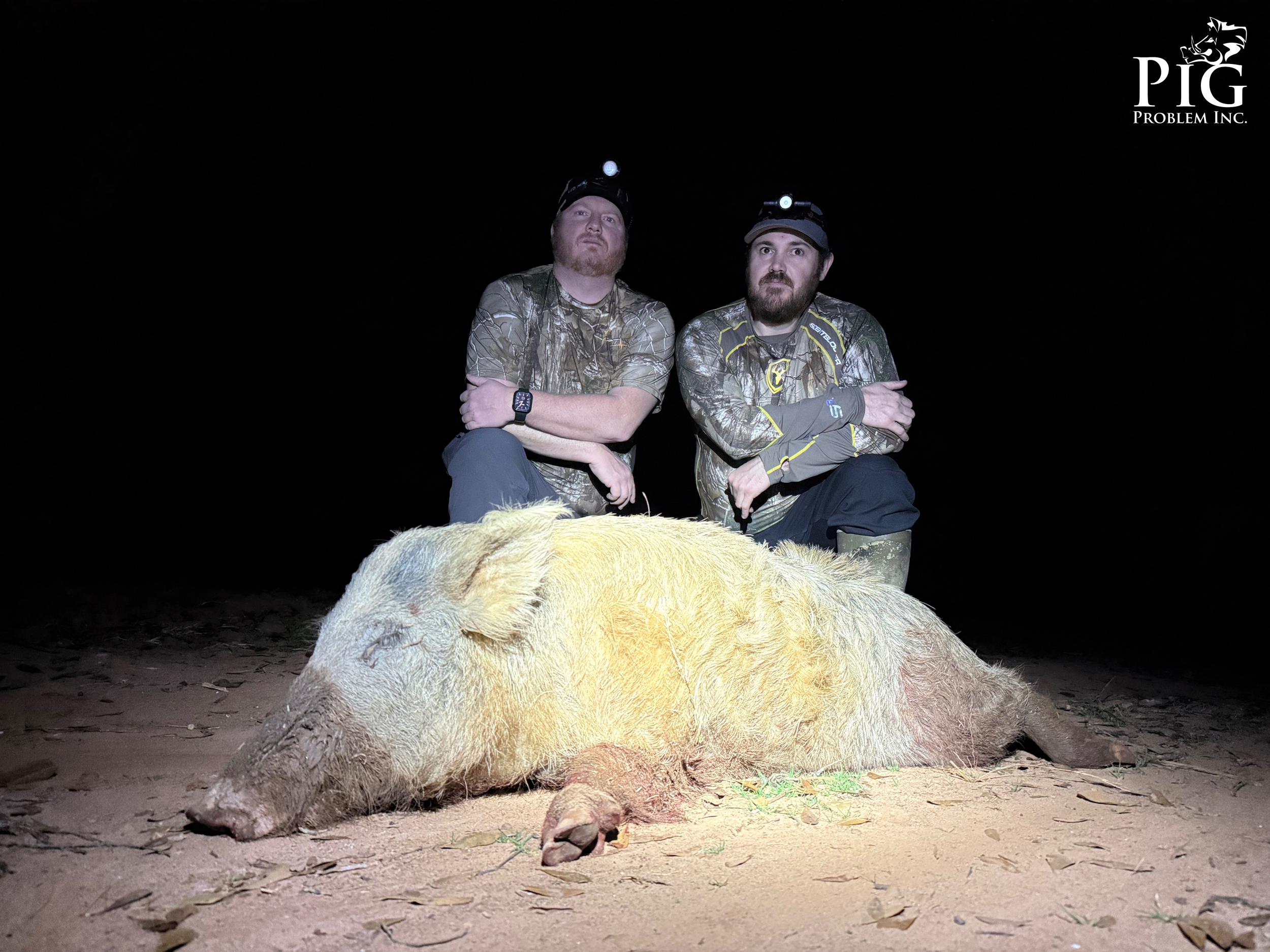
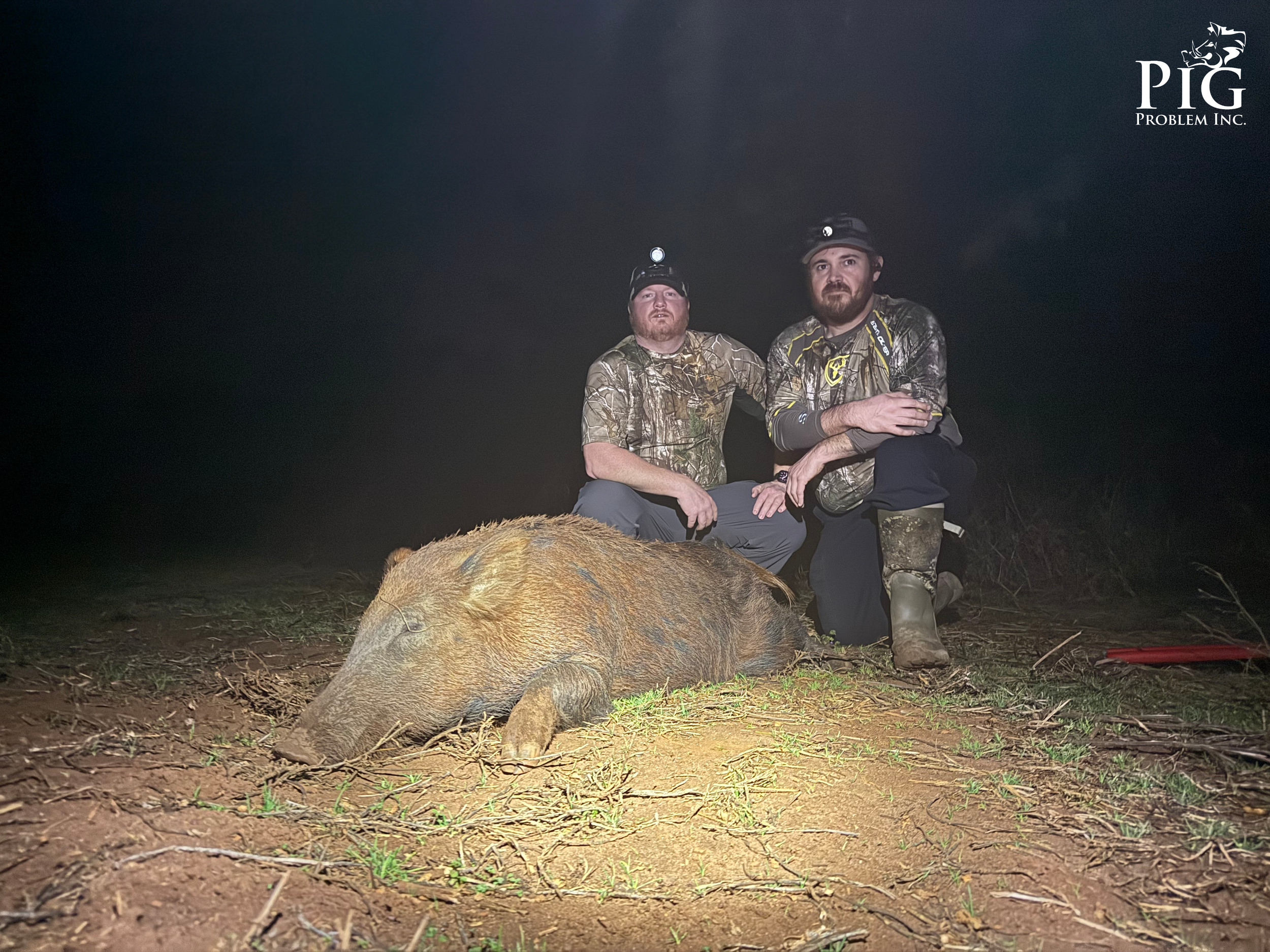
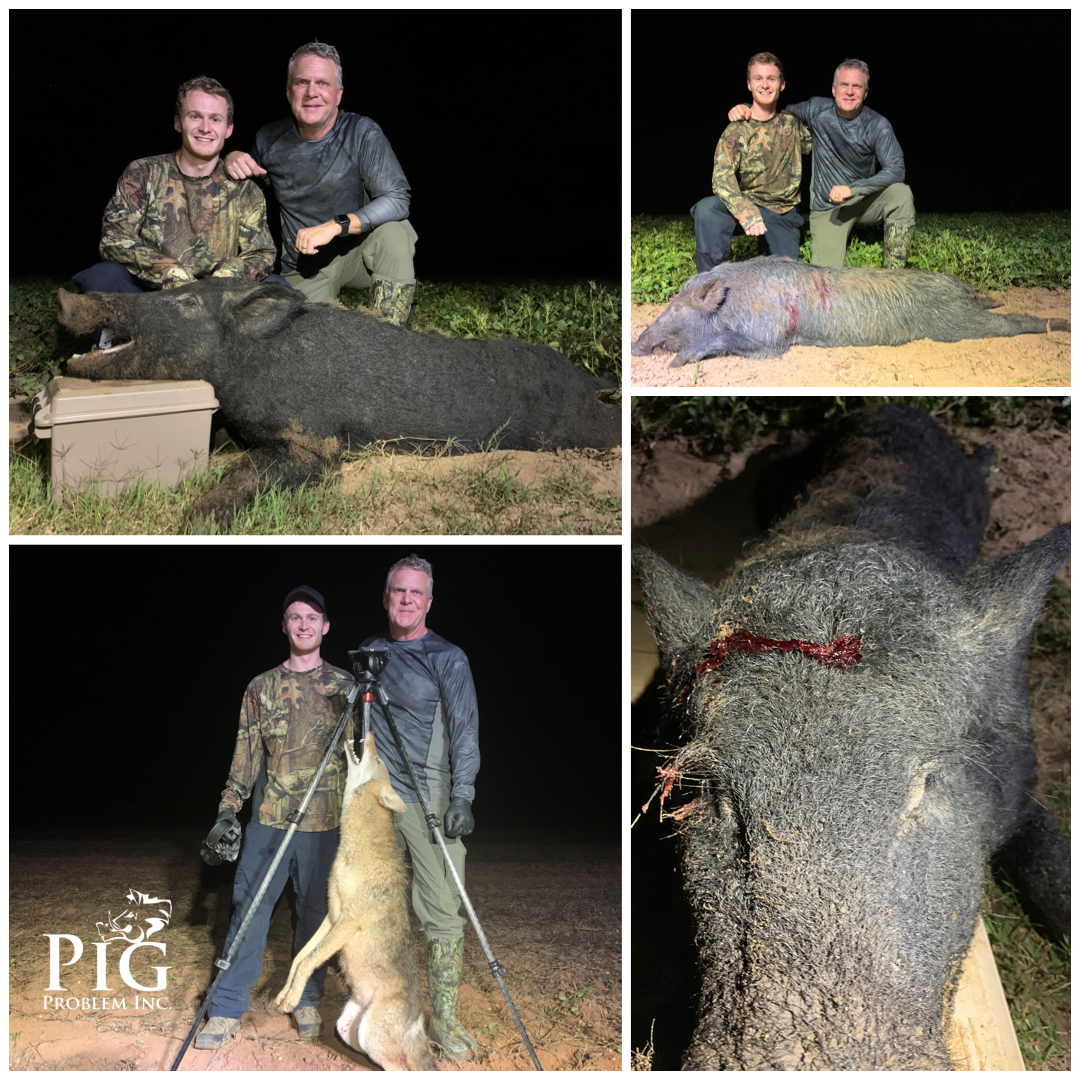
The versatility of Thermal Hog Hunting in Georgia was on full display during our recent outing with guide Jordan. The night began with a high-stakes predator encounter, where our scouting team identified a pack of four coyotes. While the long-range setup from 200 yards proved challenging, it set a tactical tone for the rest of the evening.

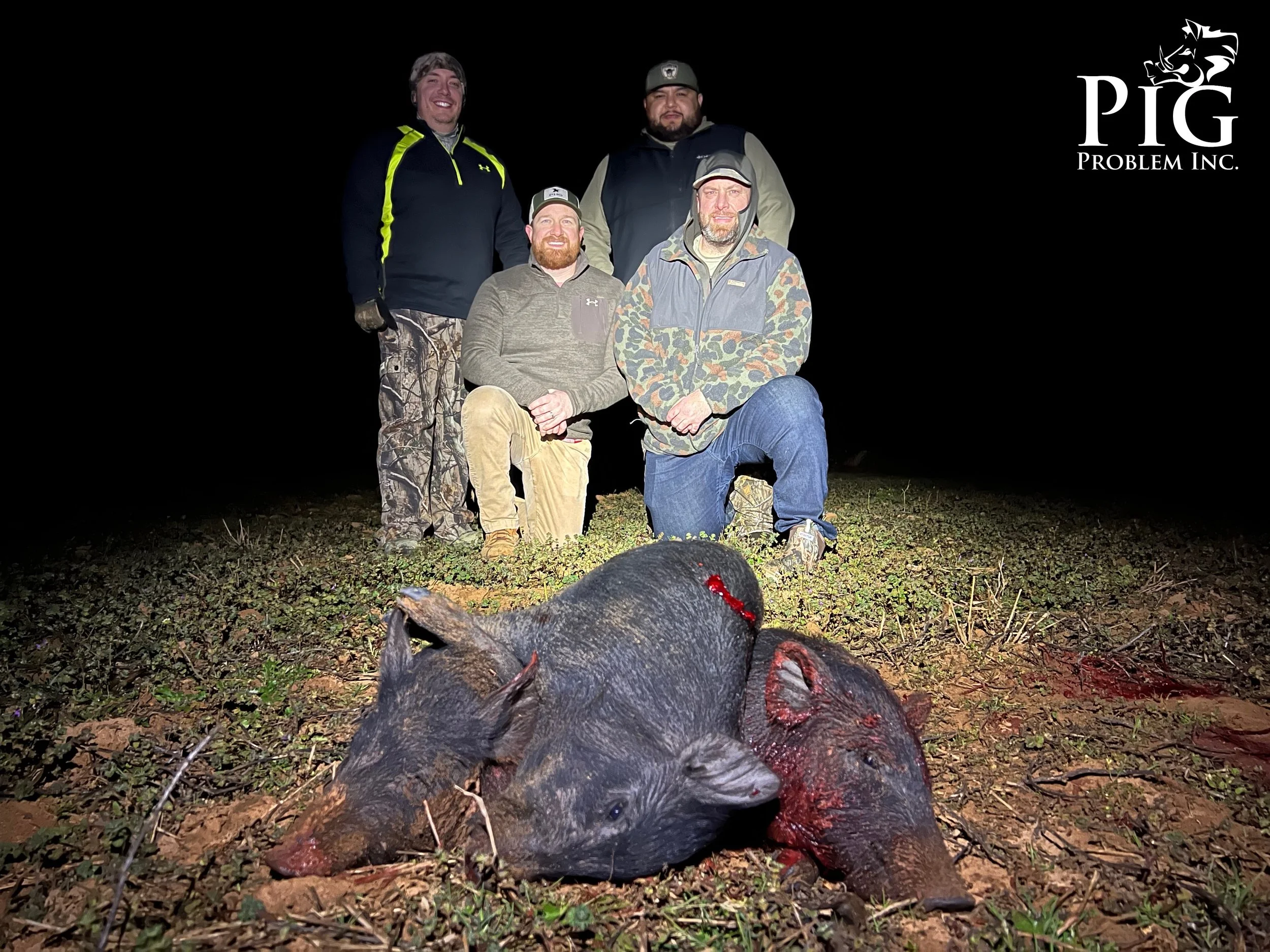
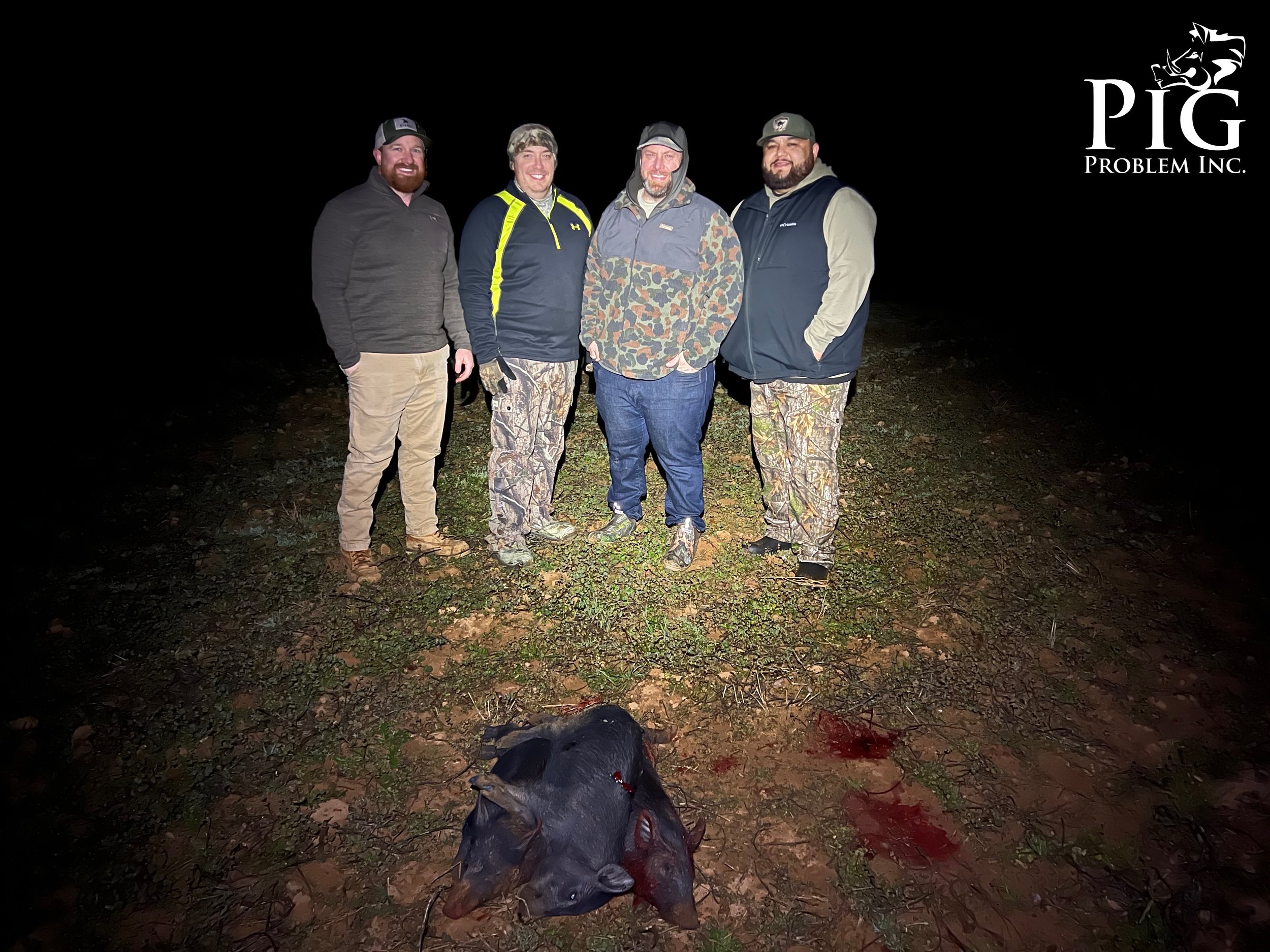
After monitoring several sectors, we relocated, where our thermal identified a high concentration of activity. We observed three distinct groups of Wild Hogs scattered across the acreage. Managing multiple sounders requires a disciplined approach to ensure we don't alert one group while pursuing another.

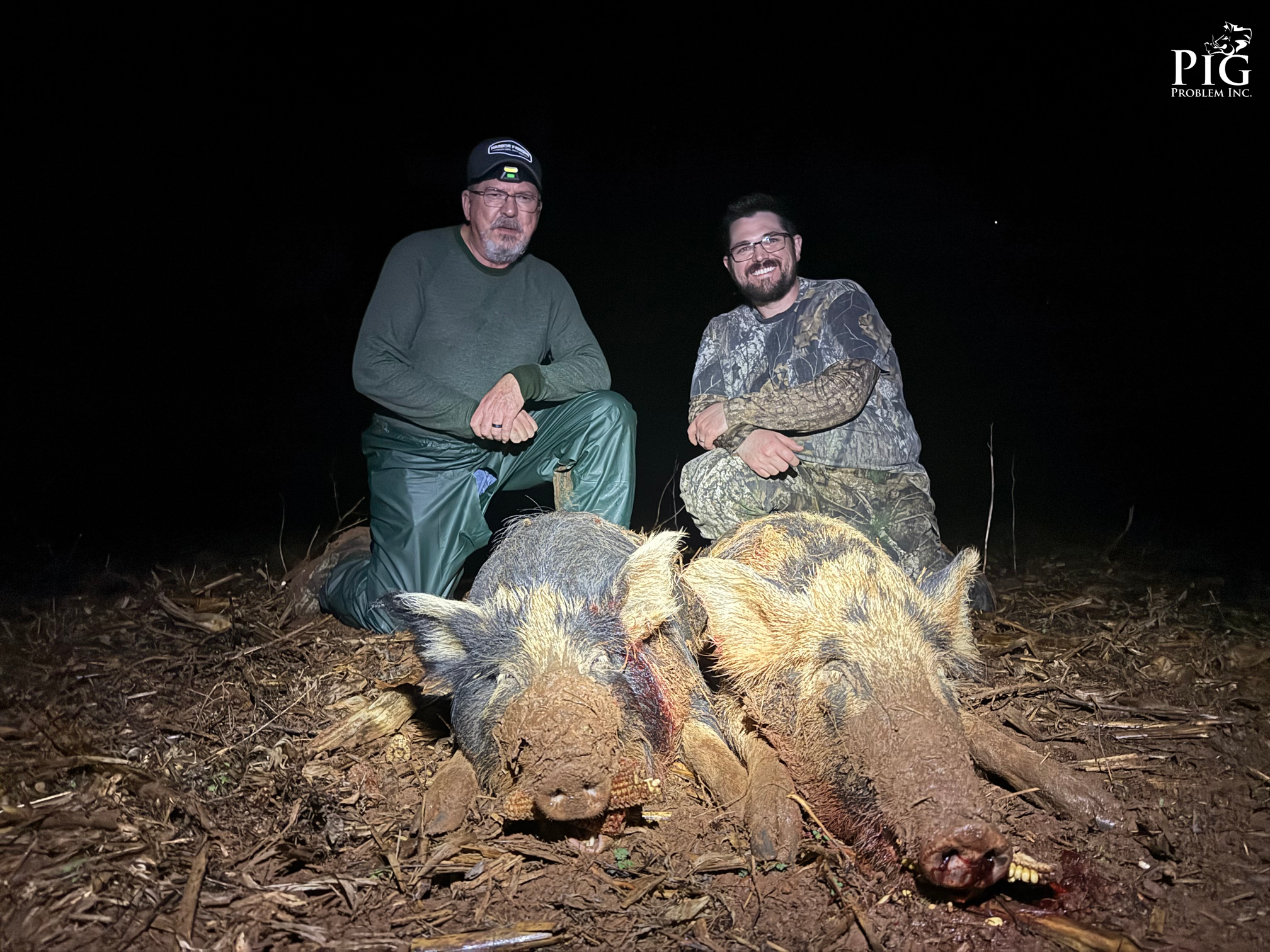
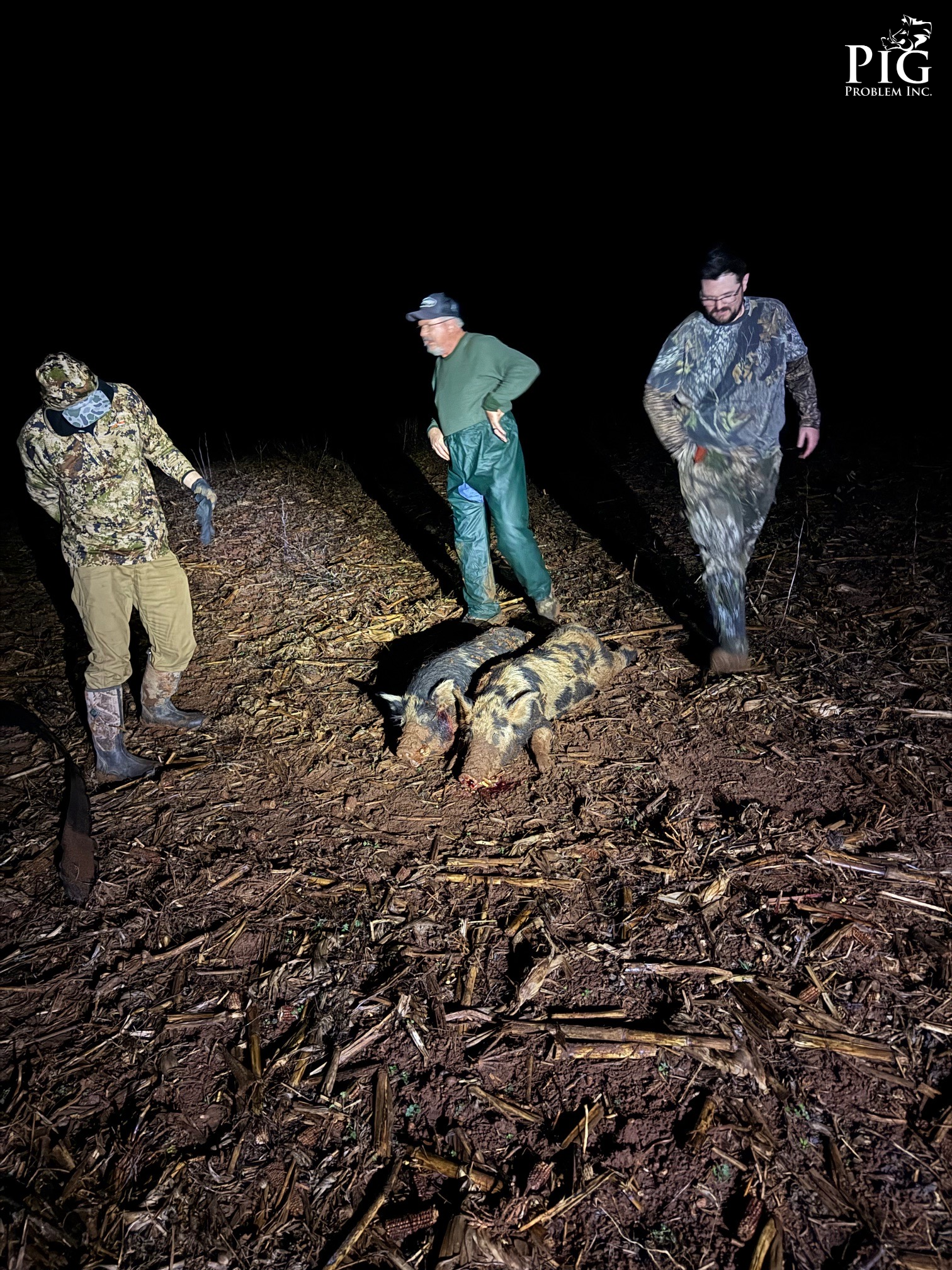
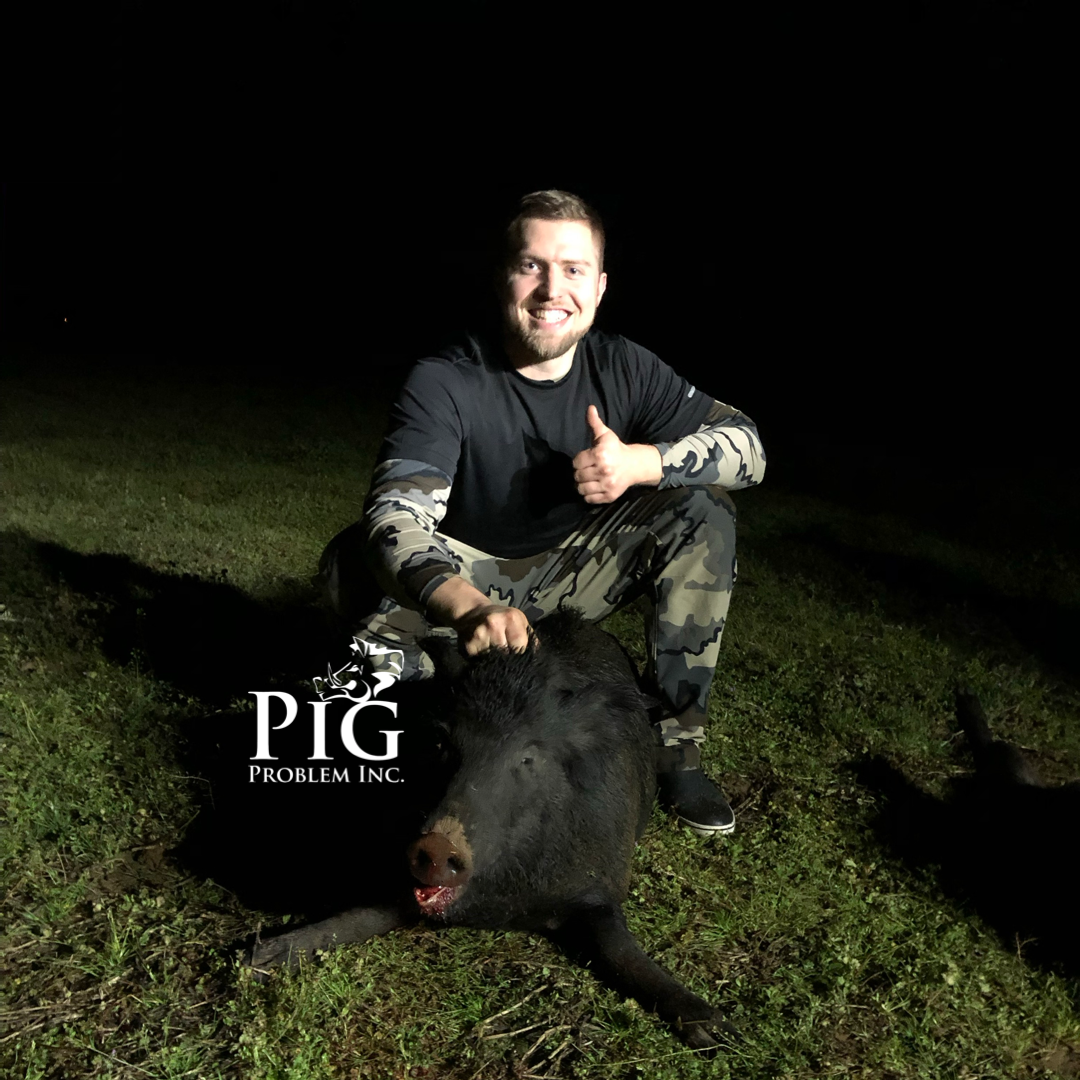
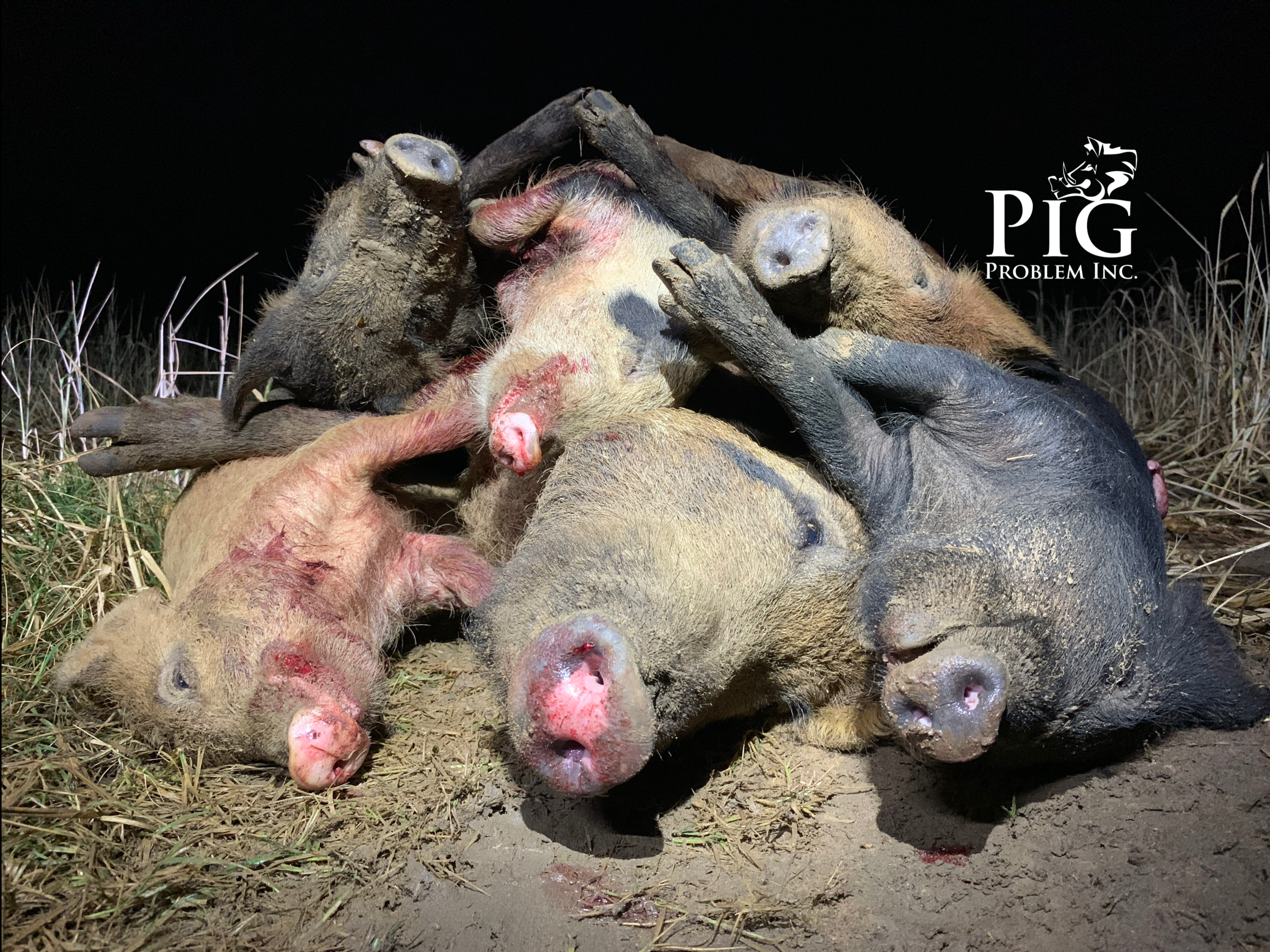
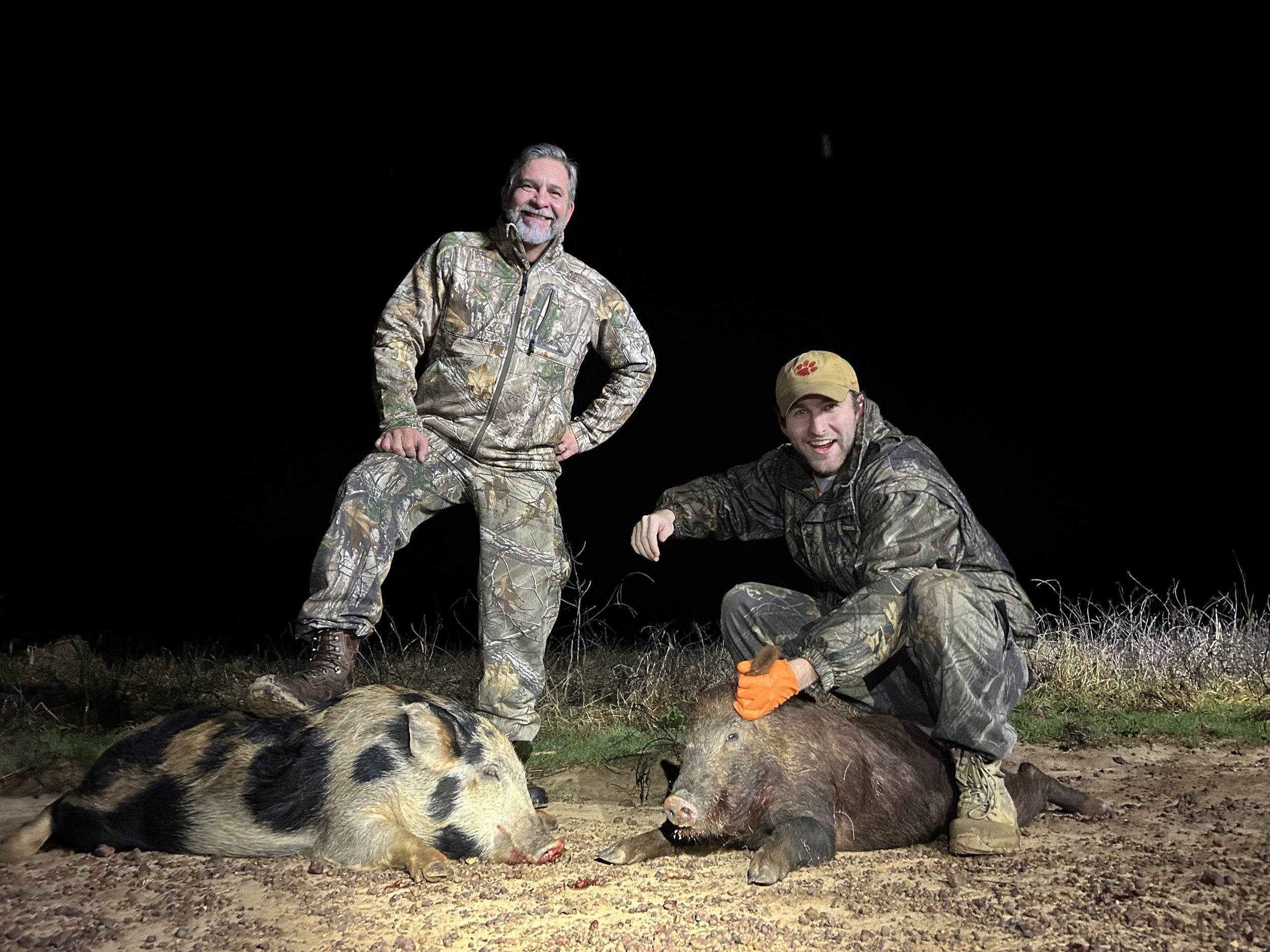
We focused our efforts on a group of three hogs feeding near a pivot irrigation system. Navigating around large-scale farm equipment requires extreme care; the team had to stay low to maintain a safe line of sight beneath the pivot pipes. The patience paid off as we closed the distance, allowing our hunters to execute a synchronized setup. With a single shot each, two hogs were successfully recovered.

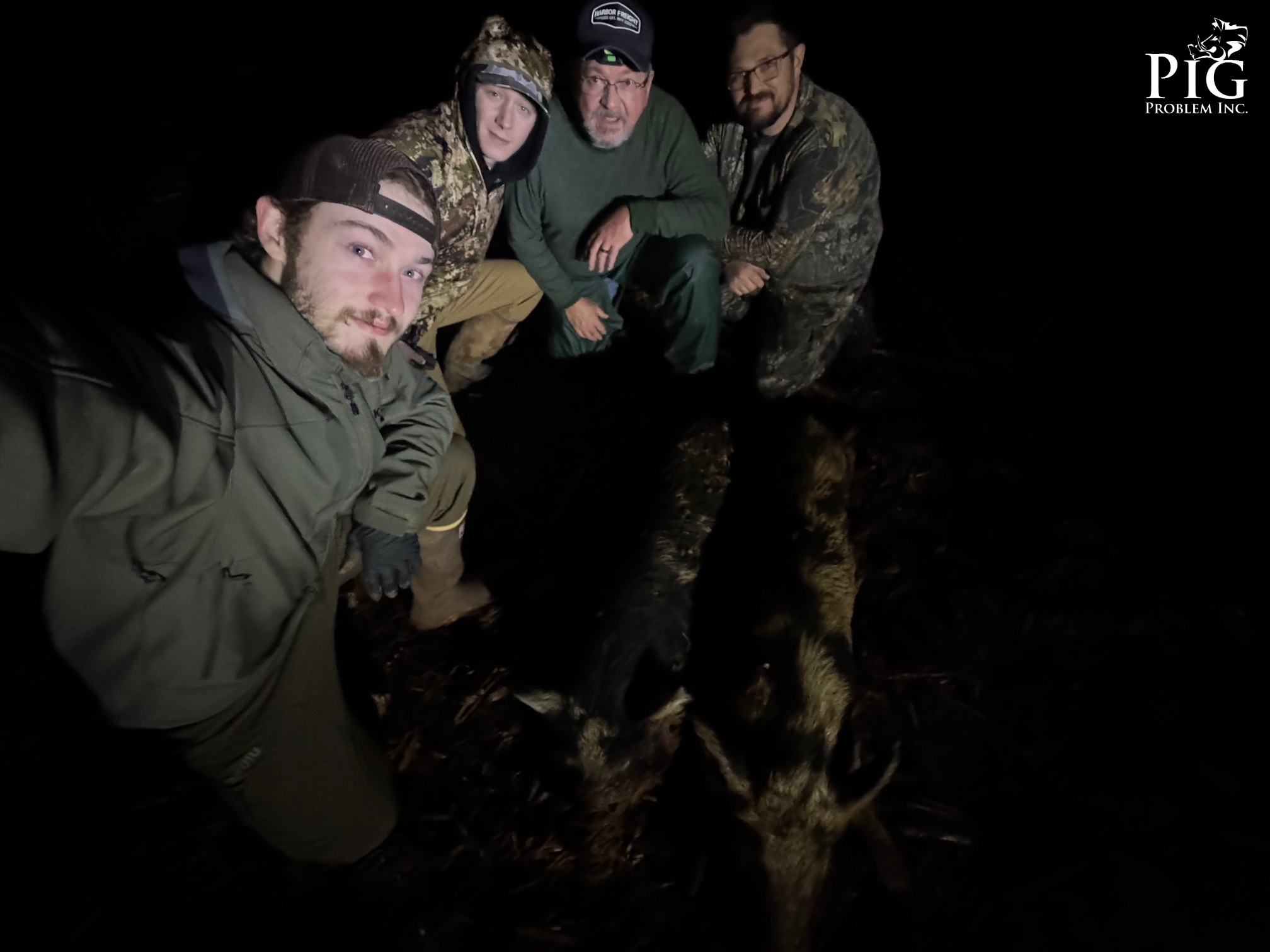
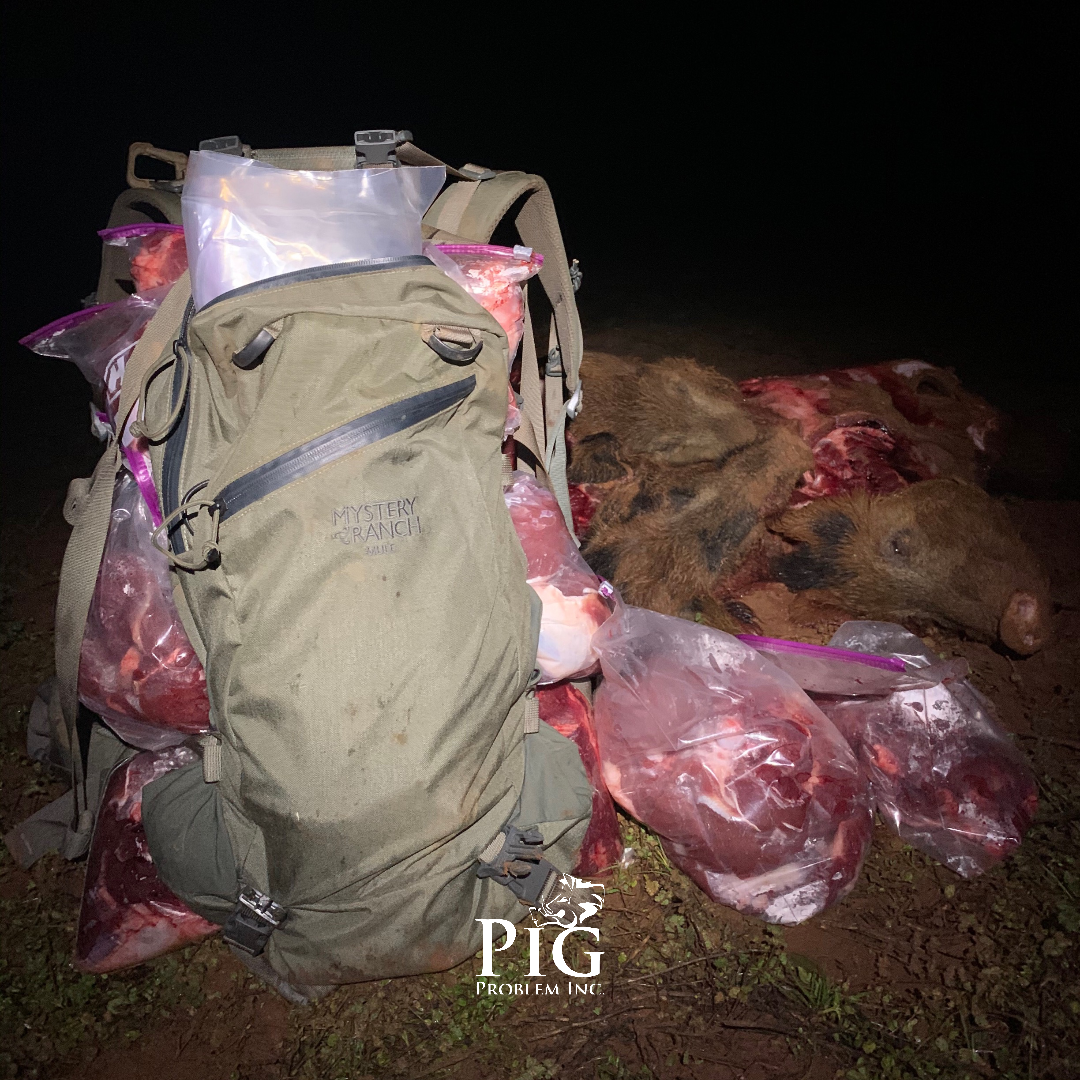
We concluded the night by honoring the 'field-to-table' tradition. After a quick group photo to celebrate the success, the team assisted in butchering the harvest for the clients to take home. This blend of technical Thermal Hog Hunting and successful meat recovery is exactly what makes the Georgia Hunting experience so unique.

Georgia Guided Hunting

Hog Hunting

Photo: Hog Hunting @PigProblem

Hunting Wild Hogs In Georgia

Photo: Hunting Wild Hogs In Georgia @PigProblem

Best Hunting In Georgia

Photo: Night Hunting @PigProblem

The final night of our Georgia Hog Hunting Trip with guide Clayton was defined by consistent action and easy movement. In the world of Boar Hunting, some nights require an intense grind, but other times, the Wild Hog activity is so steady that finding opportunities feels almost effortless.

Throughout the evening, Clayton utilized our Thermal Hunting gear to locate four different single hogs across the acreage. These 'lone wolf' boars are often highly active during the late hours, providing excellent stalking opportunities for our guests. The team stayed focused, executing several setups that resulted in successful recoveries to close out the trip.

Even a 'normal' night of Hog Hunting in Georgia delivers more excitement than most realize. While there were a few learning moments regarding equipment readiness in the heat of the moment, the overall success of the multi-day hunt was undeniable. We finished the trip with a high recovery count, proving once again that consistency and local knowledge are the keys to a premier Georgia Hog Hunting experience.

Georgia Hog Hunting

Hunting In Georgia

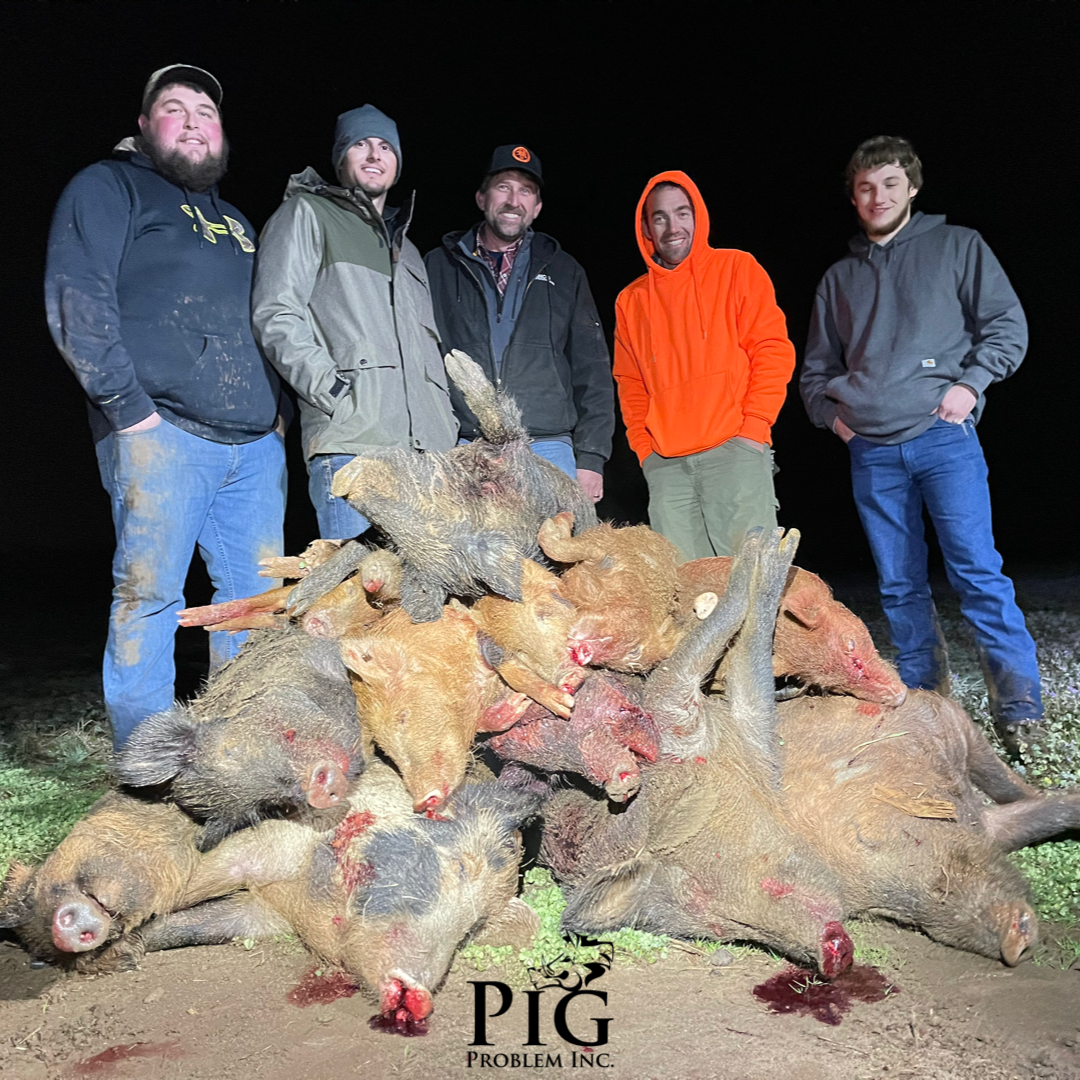
Photo: Successful Night Hog Hunts in South Georgia @PigProblem

Hog Hunting

Photo: Thermal Hog Hunting @PigProblem

When it comes to Hog Hunting in Georgia, patience is just as important as the high-end gear we carry. Our most recent Thermal Hog Hunting trip in the Americus area proved that even when the movement starts slow, the Wild Boar Hunting can turn on in an instant.

After covering significant ground and checking multiple South Georgia fields with limited activity, our group stayed the course. We continued monitoring the landscape with our thermal, knowing that Night Hog Hunts often require waiting out the sound and movement of local wildlife.

Just as the night was winding down, a large hog stepped into the open. With a controlled approach, the group moved in and successfully recovered the wild hog.

The remainder of the night was spent scouting for more Hog Hunts opportunities. While we spotted more hogs in the area, the local deer movement kept them on edge and pushed them back into the cover before we could set up again.

Despite the slow start, the night was a major success. It served as a perfect example of why we are the leaders in Georgia Hog Hunting—we stay patient, we stay committed, and we know how to produce results during Thermal Night Hunts.

Hog Hunting Georgia

Hog Hunting Georgia - Thermal Night Success

Photo: Hog Hunting Georgia @PigProblem

Wild Boar Hunting - Pig Problem Inc. Thermal Hog Hunts

Photo: Wild Boar Hunting - Pig Problem Inc. Thermal Hog Hunts @PigProblem

When it comes to Hog Hunting, success often comes down to the ability to adapt in real-time. Our latest Thermal Hog Hunting trip in the Americus, Georgia area started off slow, with the group covering significant ground and checking several South Georgia fields before the activity picked up.

While working toward the back of a sprawling field, we initially located a single hog. However, as our team began to reposition, Pig Problem guide Hank identified a sounder of hogs moving along a distant tree line. We immediately adjusted our strategy for these Night Hog Hunts to take advantage of the better opportunity.

After a careful, tactical approach, our hunters moved into position just as the hogs began to shift. This is where the precision of Wild Boar Hunting with thermal really shines. Despite the limited window for a setup, a quick and controlled sequence followed, resulting in three hogs successfully recovered.

The remainder of the night was spent patrolling the surrounding acreage. While no additional activity was found, the night was a perfect example of why our Hog Hunts are the most effective in the state. We turned a slow start into a multiple-recovery success through expert scouting and the best Thermal Hog Hunt equipment in the business."

Best Hunting In Georgia

Best Hog Hunting

Photo: Hunting Sounders! @PigProblem

Hog Hunting In Georgia

Photo: Georgia Hog Hunting @PigProblem

Best Guided Hunts

Photo: Guided Thermal Hunting @PigProblem

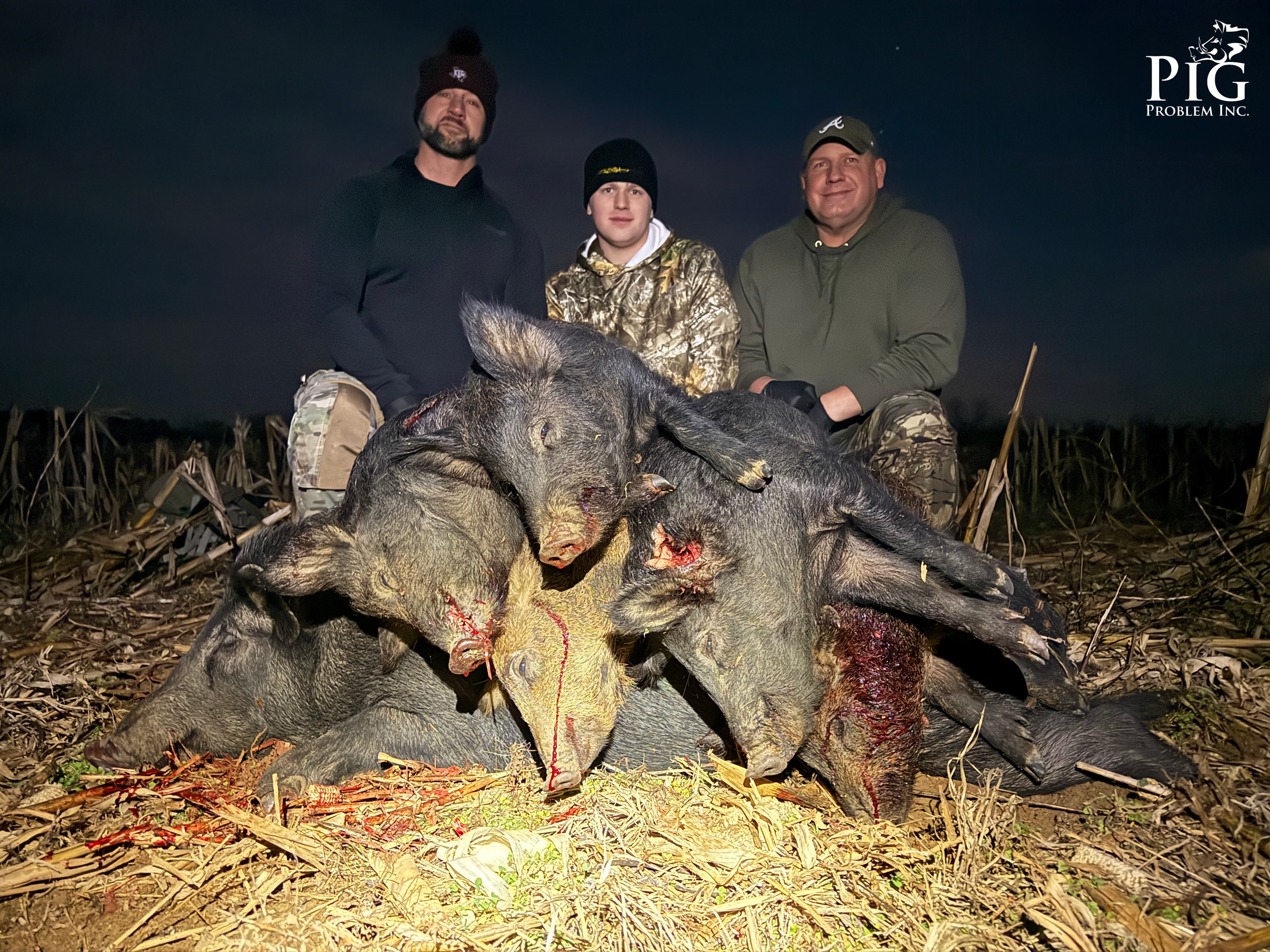
If you are looking for the best Hog Hunting Georgia has to offer, look no further than the consistent action found in our South Georgia fields. Our latest trip near Americus delivered steady movement and multiple opportunities for Thermal Hog Hunting across several productive properties.

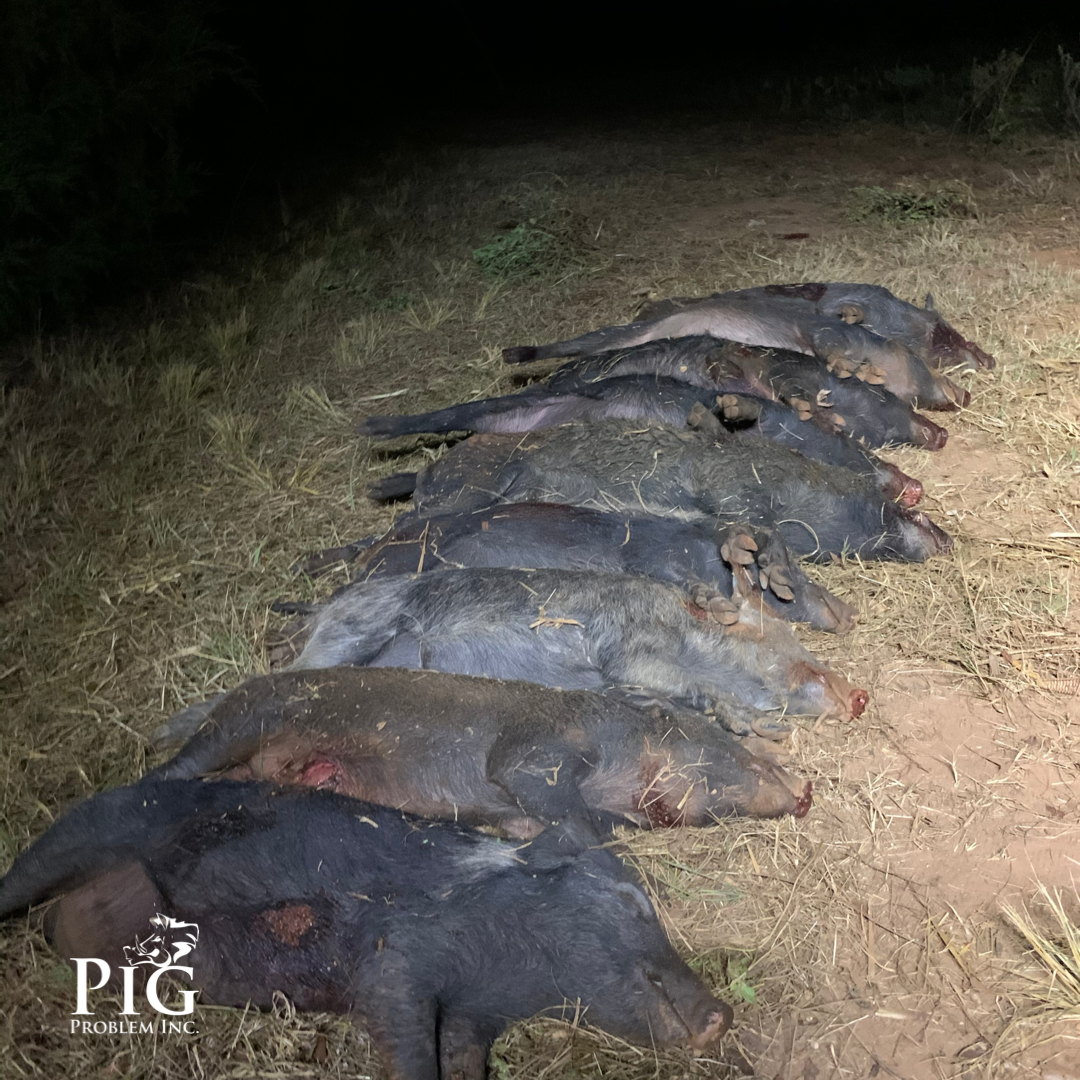
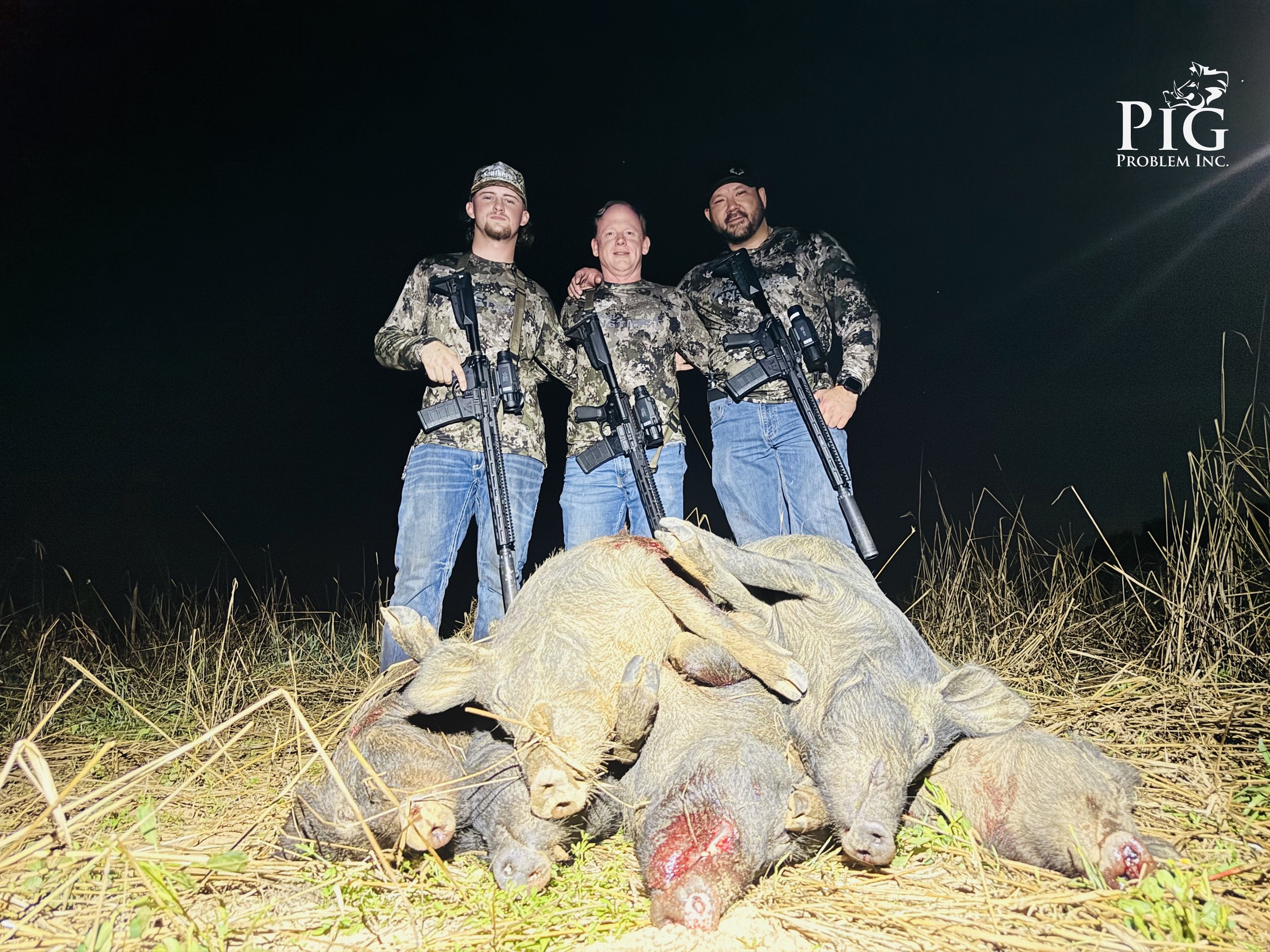
The night began with a single hog located in open ground, which moved into the timber before a setup could be completed. However, our continued scouting quickly led to more productive Hog Hunts. We soon located a large sounder, allowing for a tactical setup that resulted in six hogs successfully recovered.

The movement remained consistent throughout the night, proving why Wild Boar Hunting with the right team makes all the difference. We located another group later in the evening, producing further opportunities; while several were engaged, another hog was successfully recovered before the sounder moved off.

To close out the night, we located a final group of three hogs, resulting in two more successful recoveries. With multiple sounders located and consistent action from start to finish, this Hunting Trip highlighted exactly what Thermal Hog Hunting with Pig Problem is all about—covering ground, finding targets, and capitalizing on opportunities across South Georgia Farmland.

Why Hog Hunting Is Critical Before Planting Season in South Georgia

Crop Protection In South Ga

Photo: Crop Protection In South Georgia @PigProblem

Night one of this 2-Night Wild Hog Hunt in Americus, Georgia resulted in one hog successfully recovered, but the importance of the Hog Hunt goes far beyond the numbers.

As Planting Season approaches across South Georgia, Wild Hog Activity increases dramatically. Hogs root up freshly prepared fields, destroy seed beds, and cause thousands of dollars in damage to crops before they ever have a chance to grow.

Proactive Hog Hunting helps reduce pressure on farmland before planting begins. Even removing a single hog can make a difference by disrupting movement patterns and limiting future damage.

Night one served as an important step in protecting local fields and supporting farmers ahead of the growing season.

Americus, Ga Hog Hunting

Hog Hunts

Photo: Hog Hunting @PigProblem

Hunting Hogs

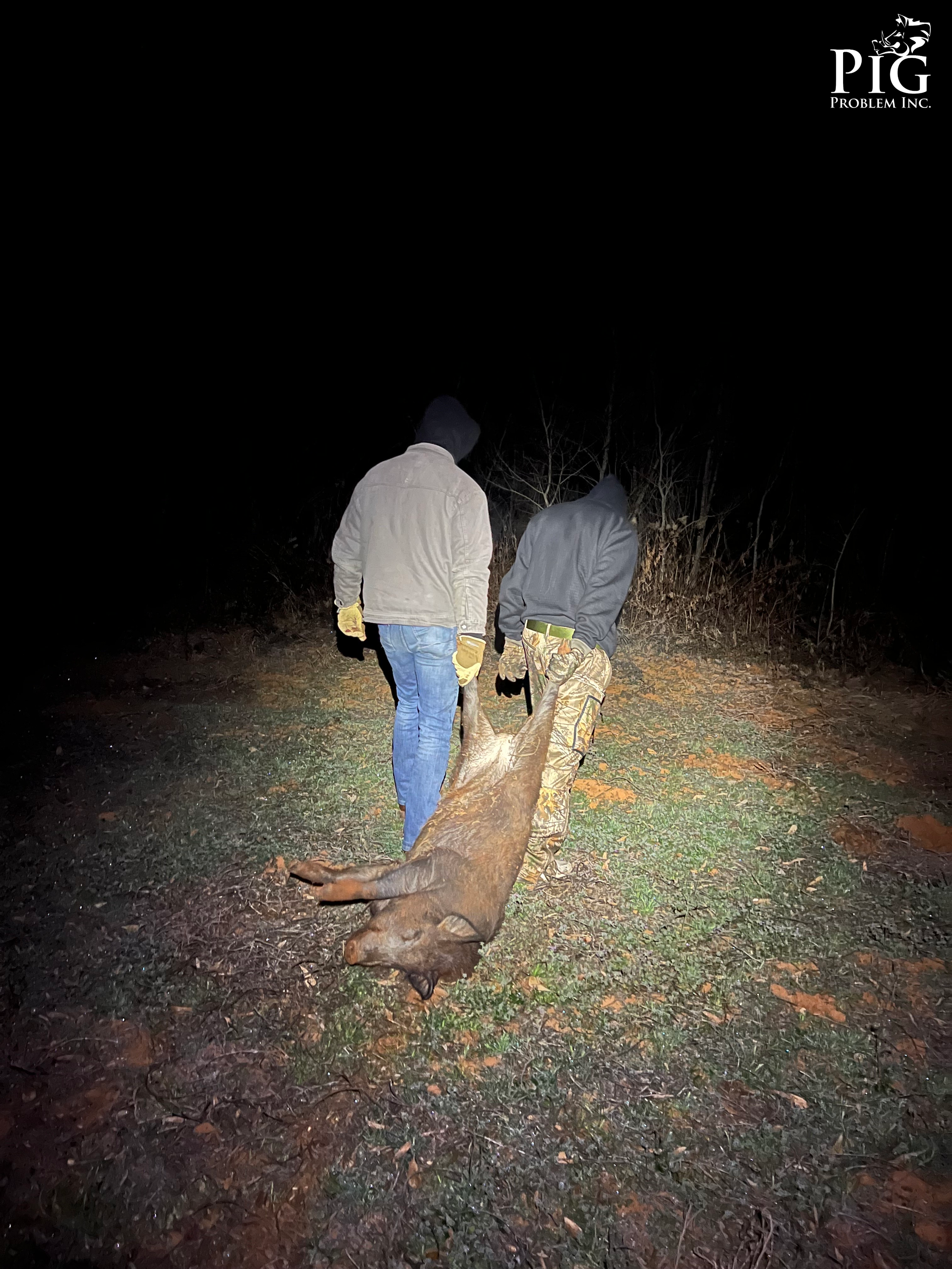
Photo: Dragging Hogs Off The Field @PigProblem

Best Hog Hunting

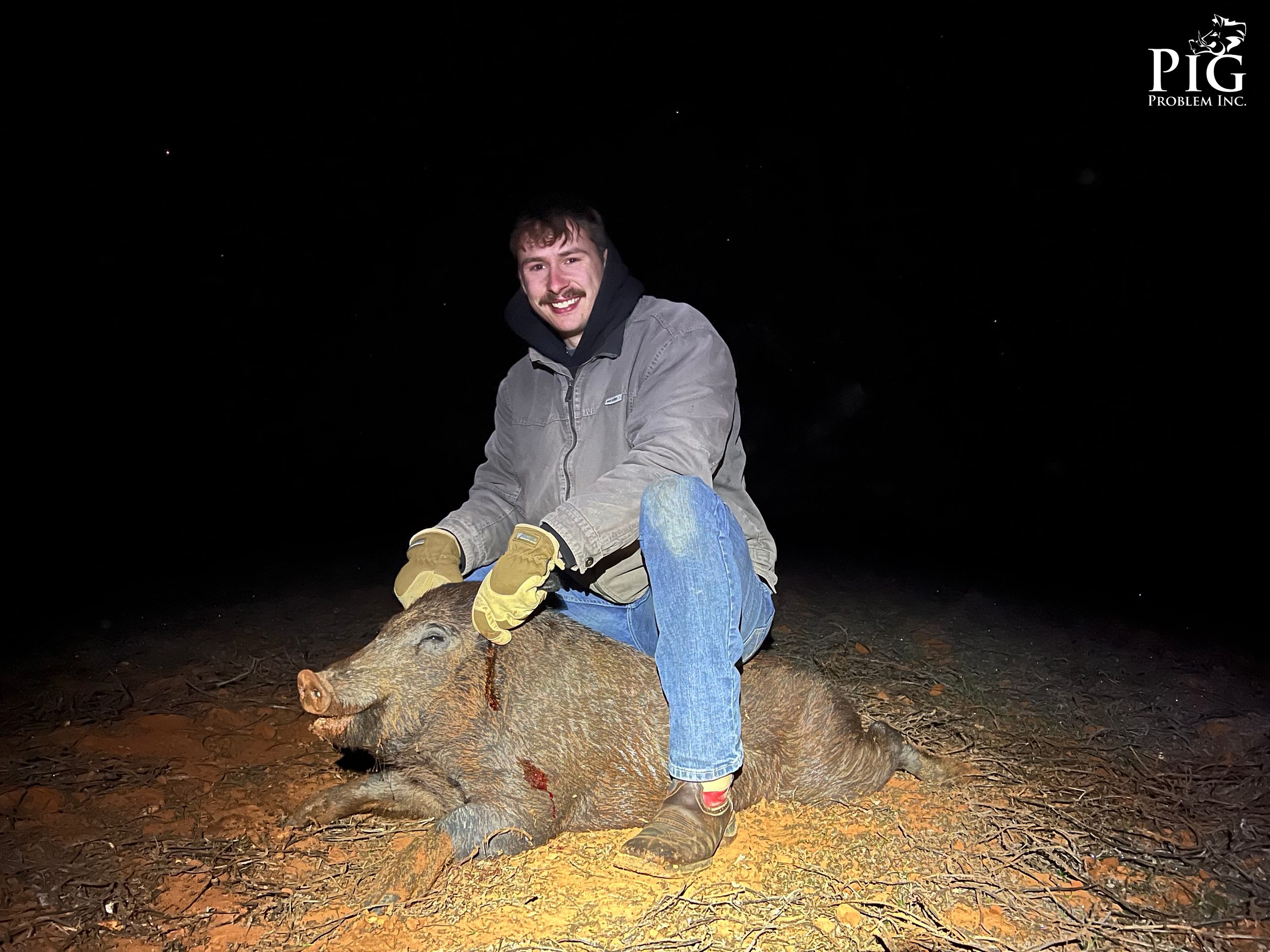
Photo: Gotta Make Them Smile @PigProblem

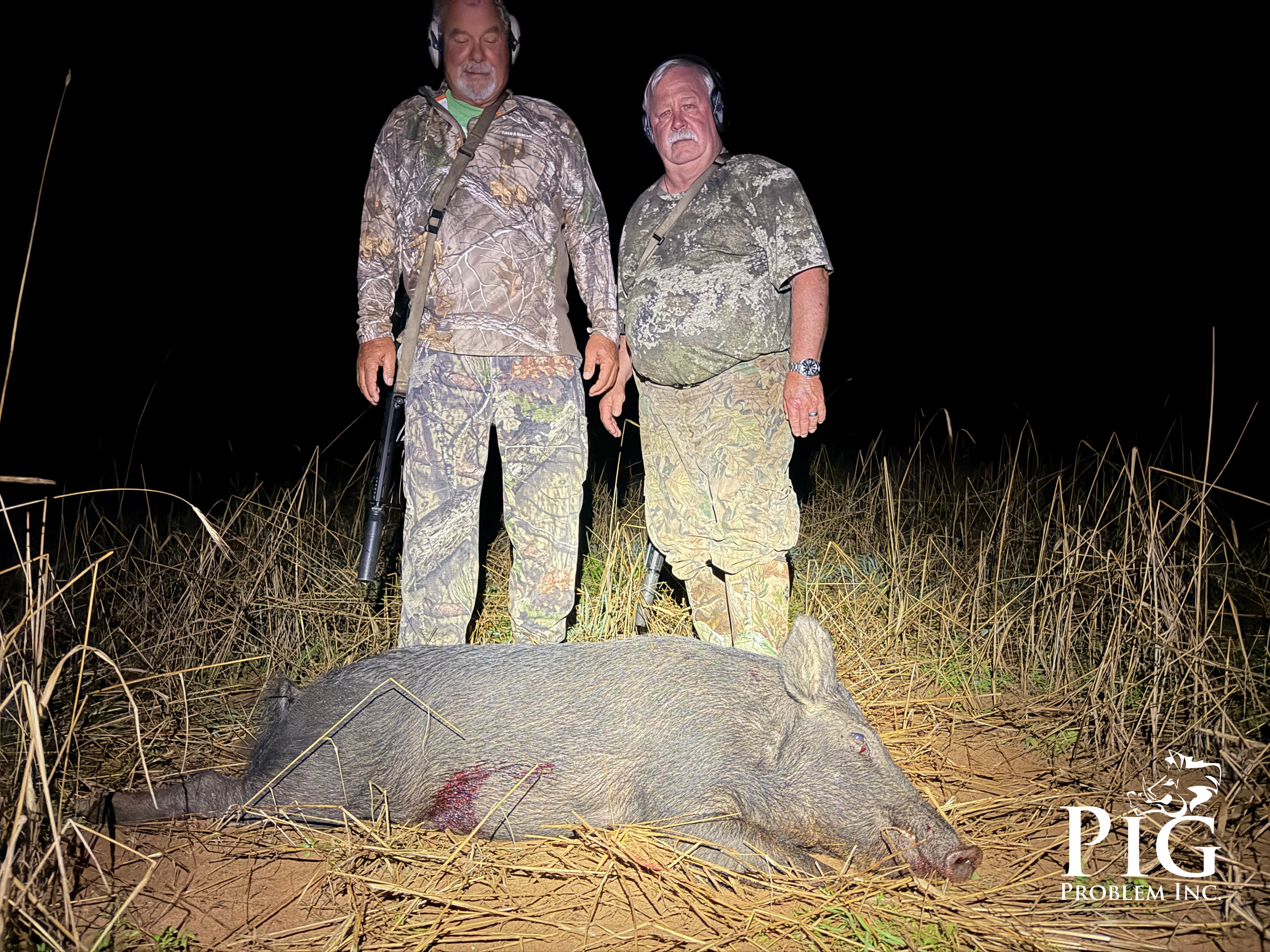
This 1-Night Hog Hunt in Americus, Georgia delivered a solid result through patience and careful decision-making.

Early in the evening, a sounder was detected moving through wooded cover, positioned just far enough away to limit opportunities. While property boundaries and angles were favorable, extremely quiet conditions made movement risky, and discretion was the best option at the time.

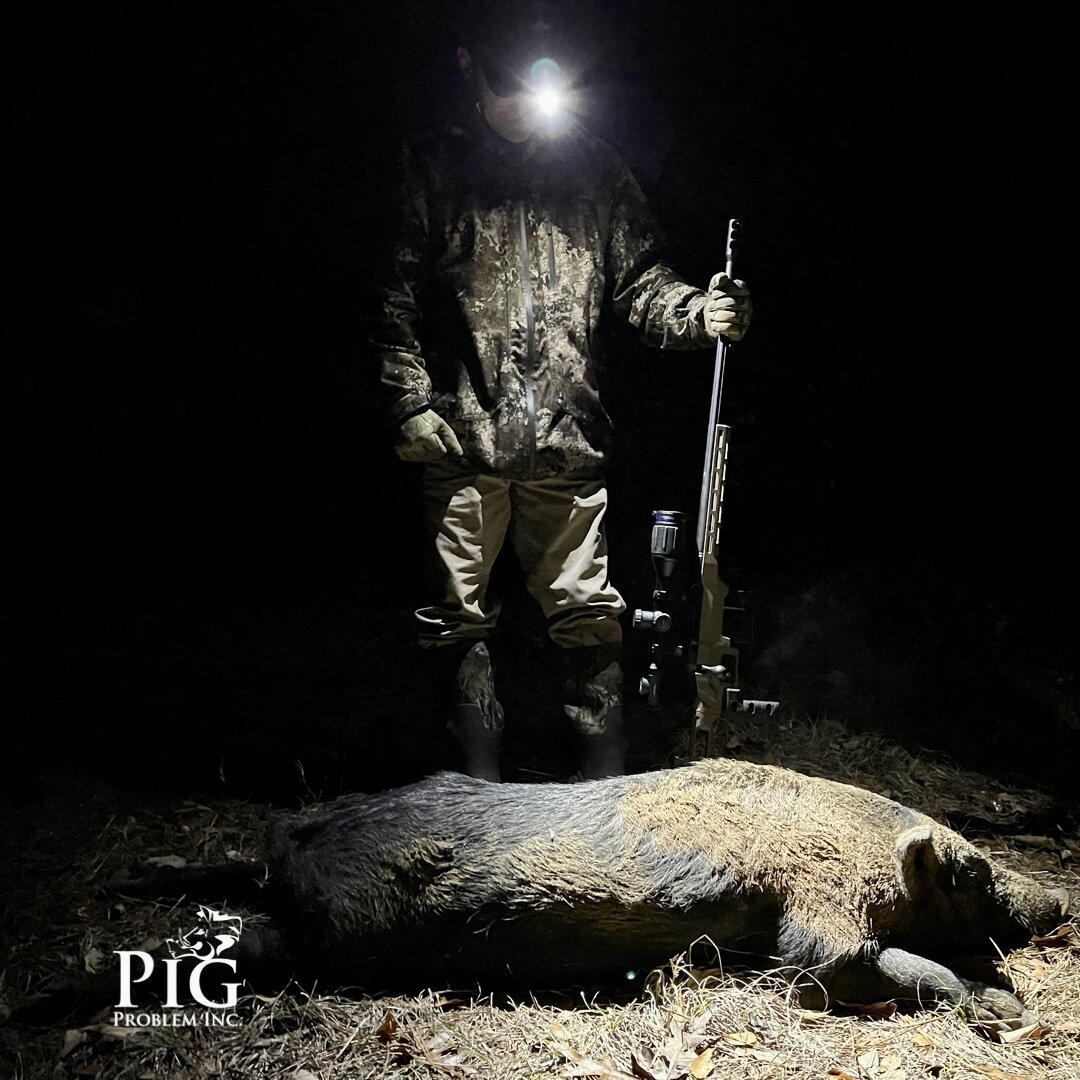
Later in the night, continued scanning led to the discovery of a single hog actively feeding along the edge of the field. With improved positioning and clear angles, a controlled setup was made, resulting in a successful recovery.

Though brief, this Wild Hog Hunt highlighted how Thermal Hog Hunting in South Georgia often comes down to timing, awareness, and adapting to conditions. Even on a single-night hunt, focused effort can lead to Effective Hog Control and meaningful results.

Crop Protection

When there’s no client Hog Hunt booked, we’re still out there. Crop Protection is a big part of what we do — and it’s our responsibility to Help Local Farmers Protect Farm Fields from Hog Damage.

The night started off slow with plenty of deer moving through, but around 2 a.m., a couple Wild Hogs finally showed up. One was recovered, and another made it to cover after being engaged.

It’s not always fast and furious, but every night in the field counts. Whether it’s a Guided Hog Hunt or a Farm Crop Protection run, we’re always working to keep the pressure on.

South Georgia Crop Protection

Hog Hunting

Photo: Thermal Hog Hunting @PigProblem

Wild Hog Hunting

Photo: Crop Protection @PigProblem

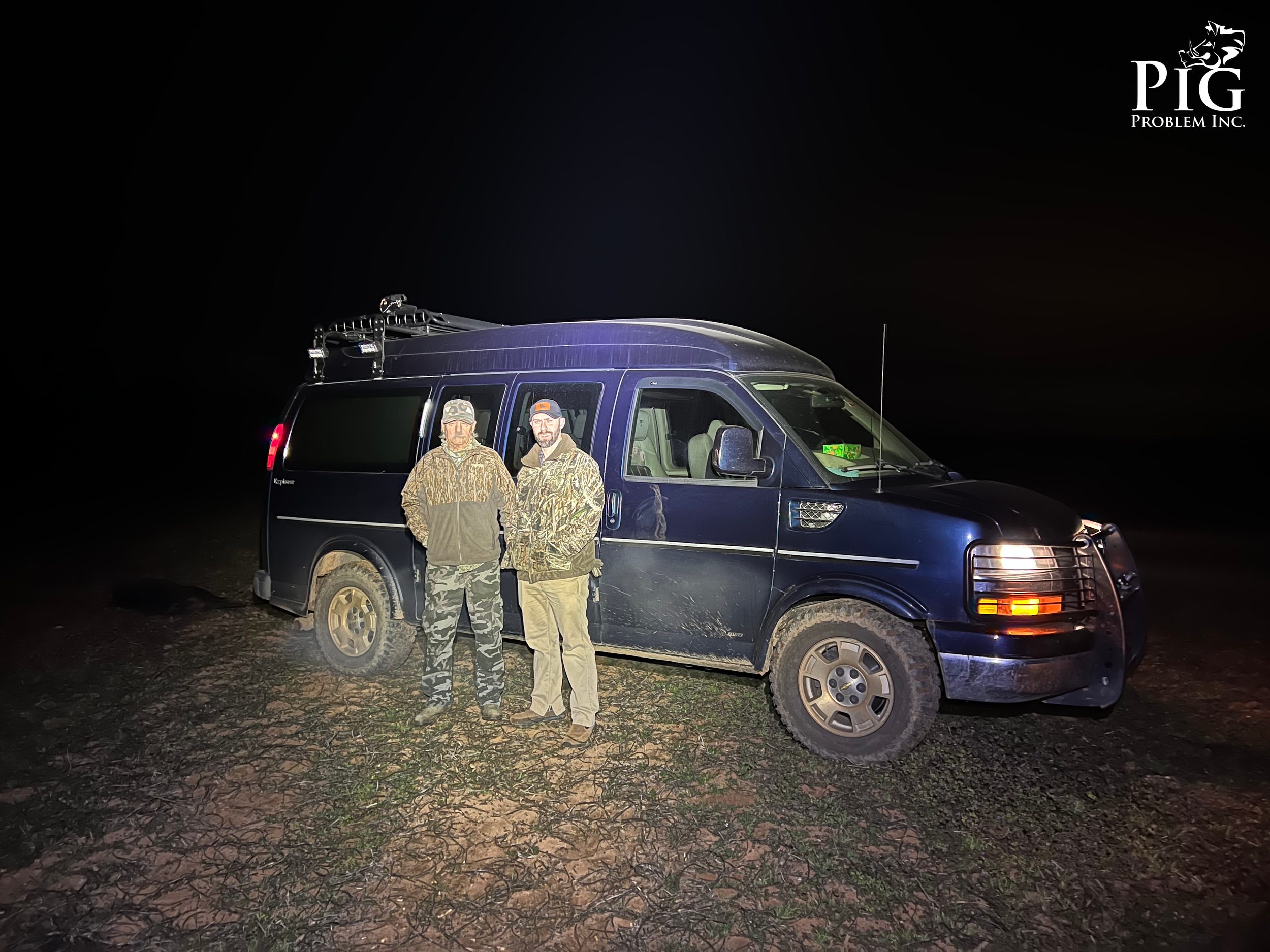
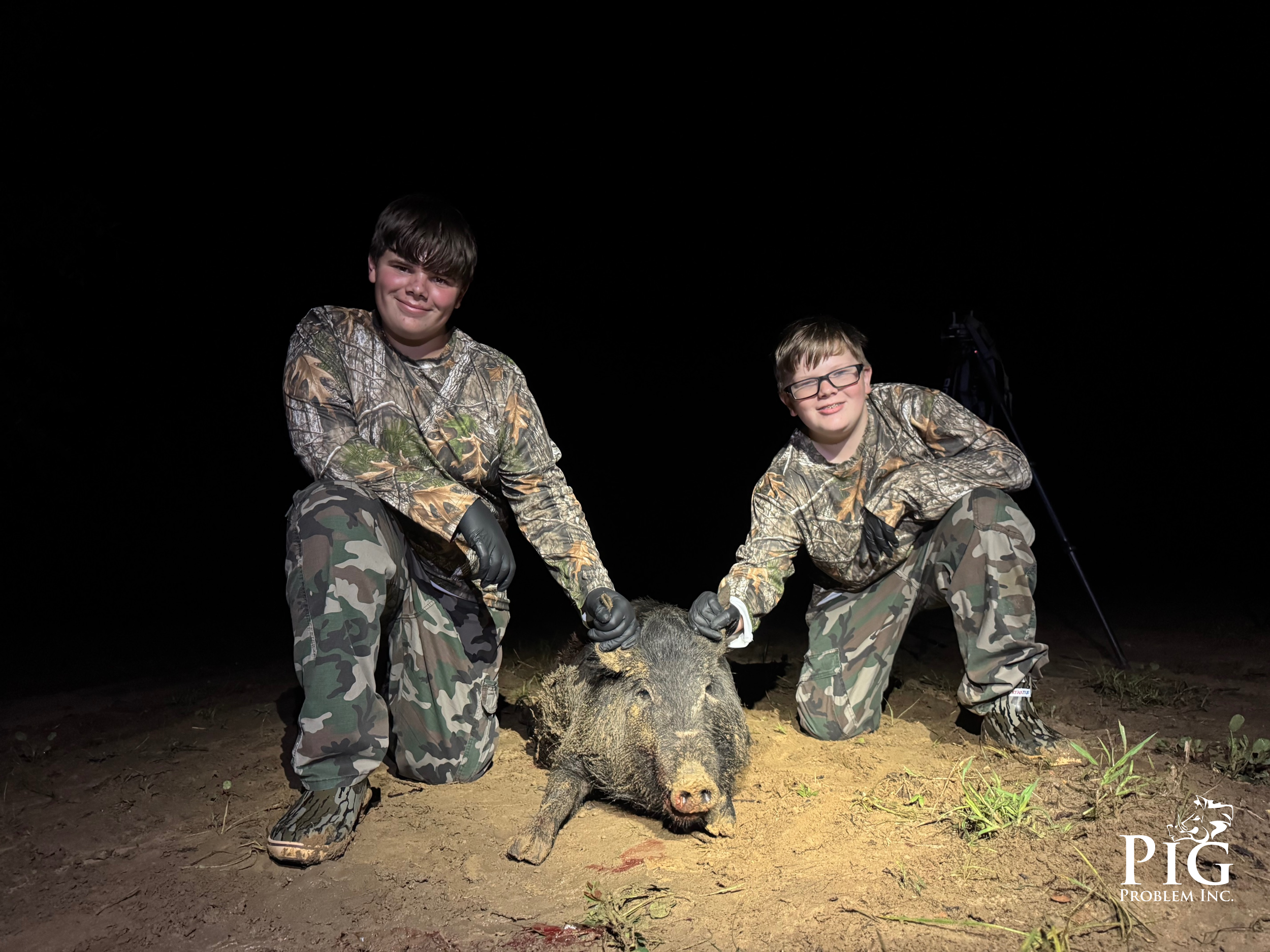
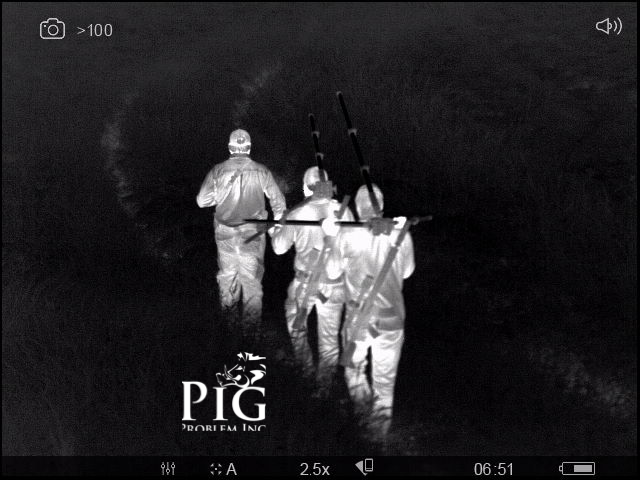
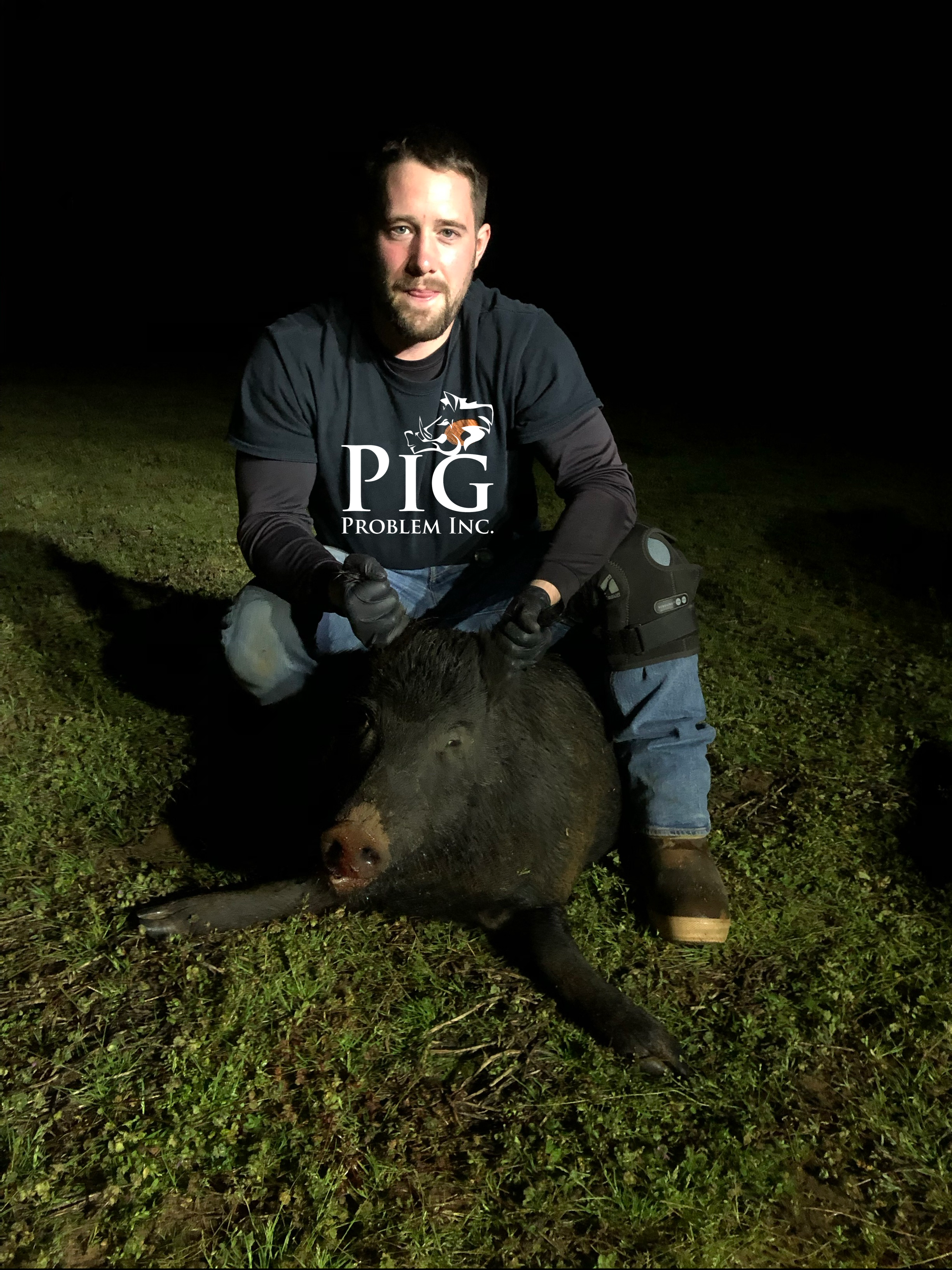
Spring is here in South Georgia, and with it comes the hustle and bustle of planting season. Peanuts, Cotton, and Corn are going into the ground right now—and that makes our farmers’ fields tempting targets for one of the region’s Most Destructive Pests: Wild Hogs. Last week, Guide Hank and his dad teamed up on a Crop‑Protection mission—and together they rehomed four hungry hogs before they could wreak havoc on those freshly planted rows.

Why Wild Hogs Threaten Your Spring Planting

Wild Pigs are more than just a nuisance. A single Sounder can gouge hundreds of square feet of soil in a single night as they root for bulbs, tubers, and newly sprouted seedlings. That means:

  • Seed Loss & Poor Germination. As hogs dig up seedbeds, precious peanuts and corn kernels never get the chance to sprout.

  • Soil Compaction & Erosion. Their heavy bodies and constant trampling can compact the soil, making it harder for roots to penetrate and for water to absorb.

  • Increased Disease Risk. Disturbed soil can kick up spores and pathogens, raising the chance of fungal infections and rot for vulnerable seedlings.
When you’re investing time and money in planting, every row matters. A few torn‑up patches today can turn into a significant hit on yields come harvest.

A Family Affair:

Hank and His Dad in Action

On a recent Wild Hog Hunt, our own Guide Hank brought his dad along for some hands‑on Field Protection. Using our advanced Thermal Gear, they pinpointed four hogs sneaking into Farmland. Within minutes, they’d dispatched the threat—no crop damage, no early‑season losses, and, most importantly, peace of mind for the farmer.

How Pig Problem Keeps Your Fields Safe

At Pig Problem, we specialize in Thermal Hog Hunts tailored to South Georgia’s Planting Calendar. Here’s what you get when you have crop‑protection with us:

  1. Expert Guides. Our team knows hog behavior, seasonal movements, and how to read field signs—so we’re always two steps ahead.

  2. Cutting‑Edge Gear. We Hog Hunt with the latest Thermal

  3. Flexible Scheduling. Planting windows wait for no one. We’re on standby through the spring, ready to respond the instant Wild Hog Activity spikes.

  4. Upfront Rates, No Surprises. You’ll know exactly what to expect—no hidden fees, just straightforward Crop‑Protection Service.

Protect Your Investment—Book Today

Peanuts, cotton, and corn are gearing up for their most vulnerable stage. Don’t wait until you see the Crop Damage in broad daylight. Let Guide Hank, Guide Clayton, Guide Zev, and the rest of the Pig Problem Crew patrol your fields tonight. We’ll keep Wild Pigs out of your seedbeds so you can focus on a bumper crop this fall.

Ready to lock down your spring planting?

Contact Pig Problem Inc today and get your crop‑protection:

📞 (706)-927-5580

📧 info@pigproblem.com

Protecting South Georgia’s farmers—one hog at a time.

BOOK NOW