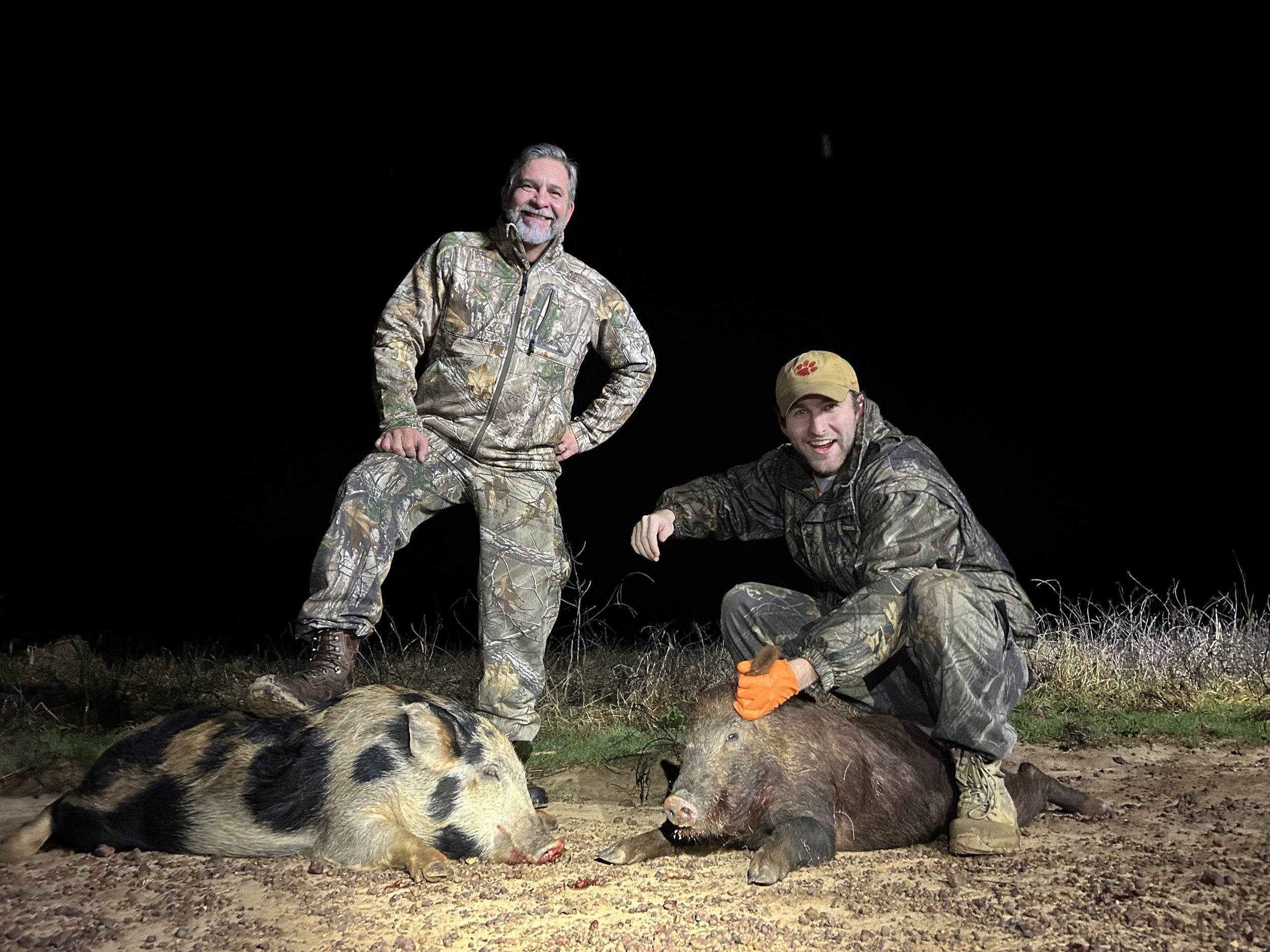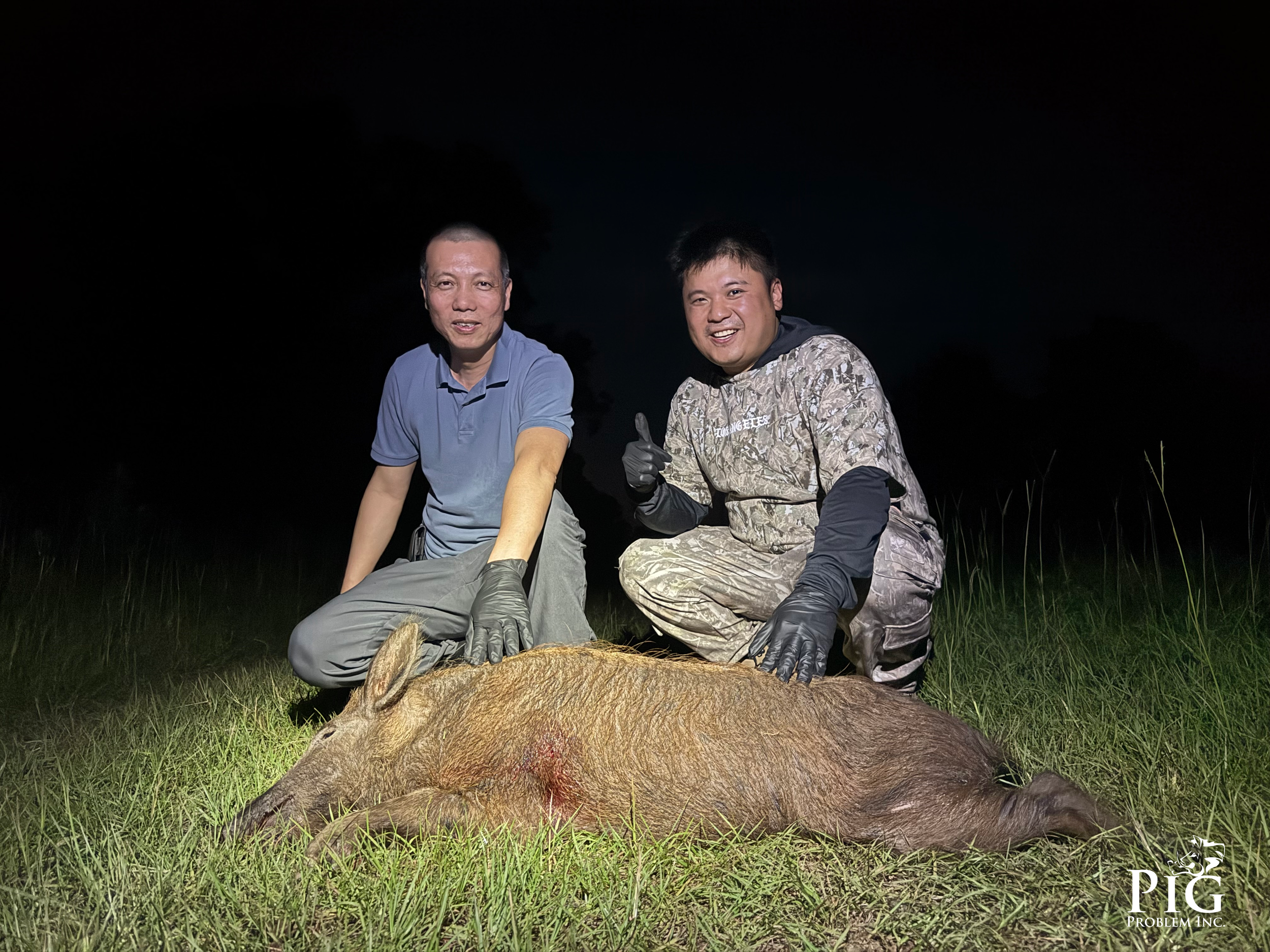
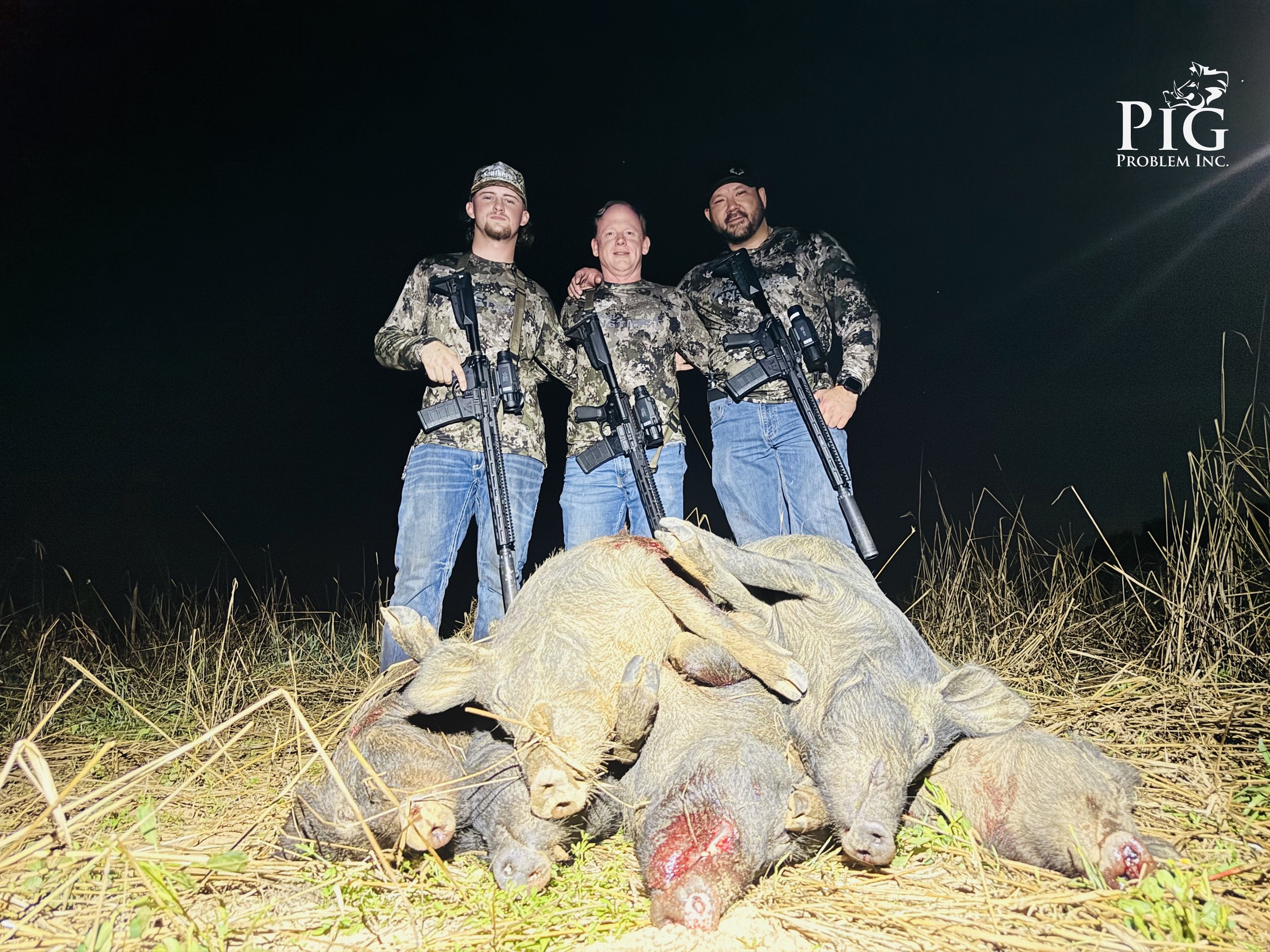
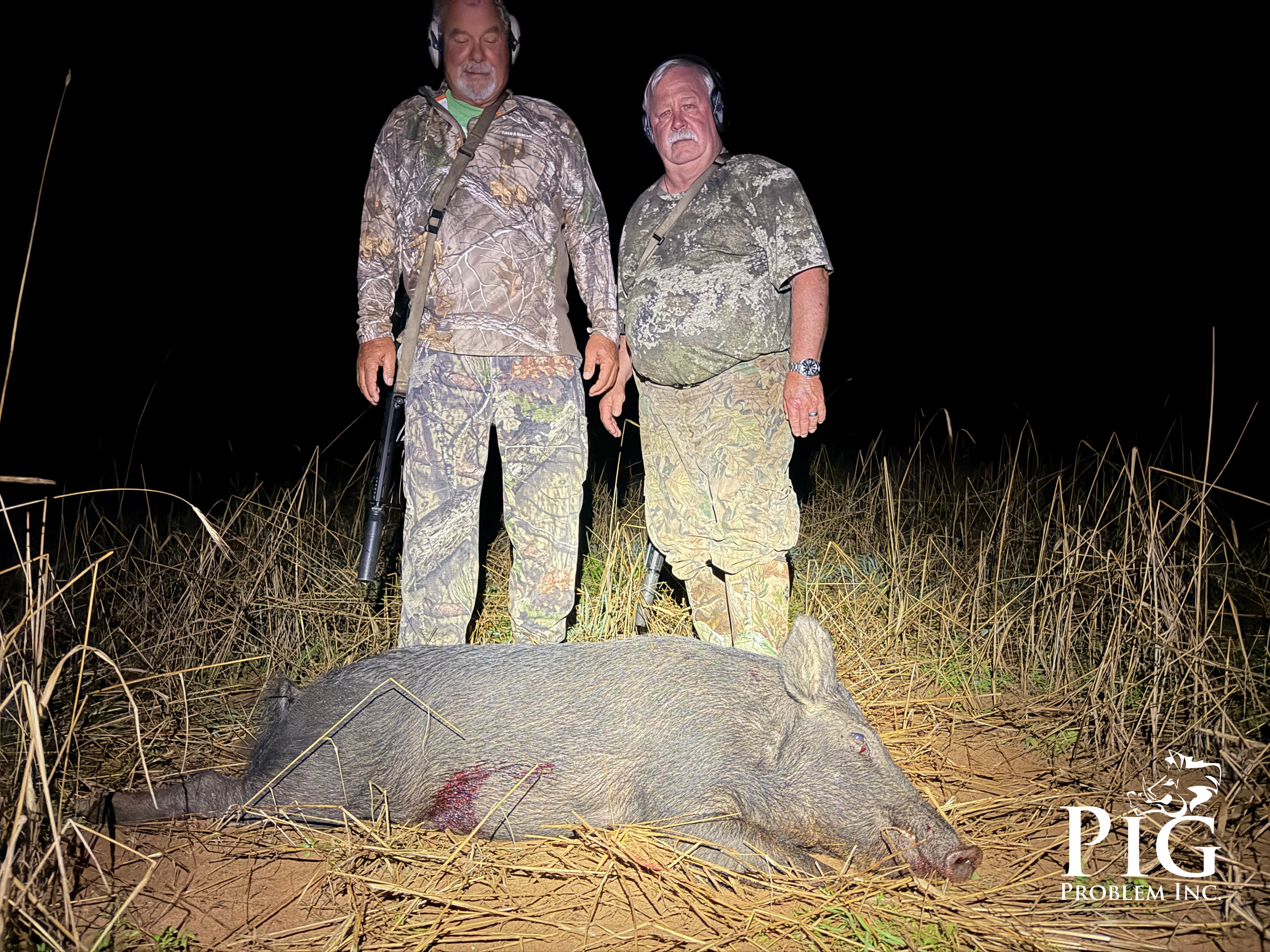
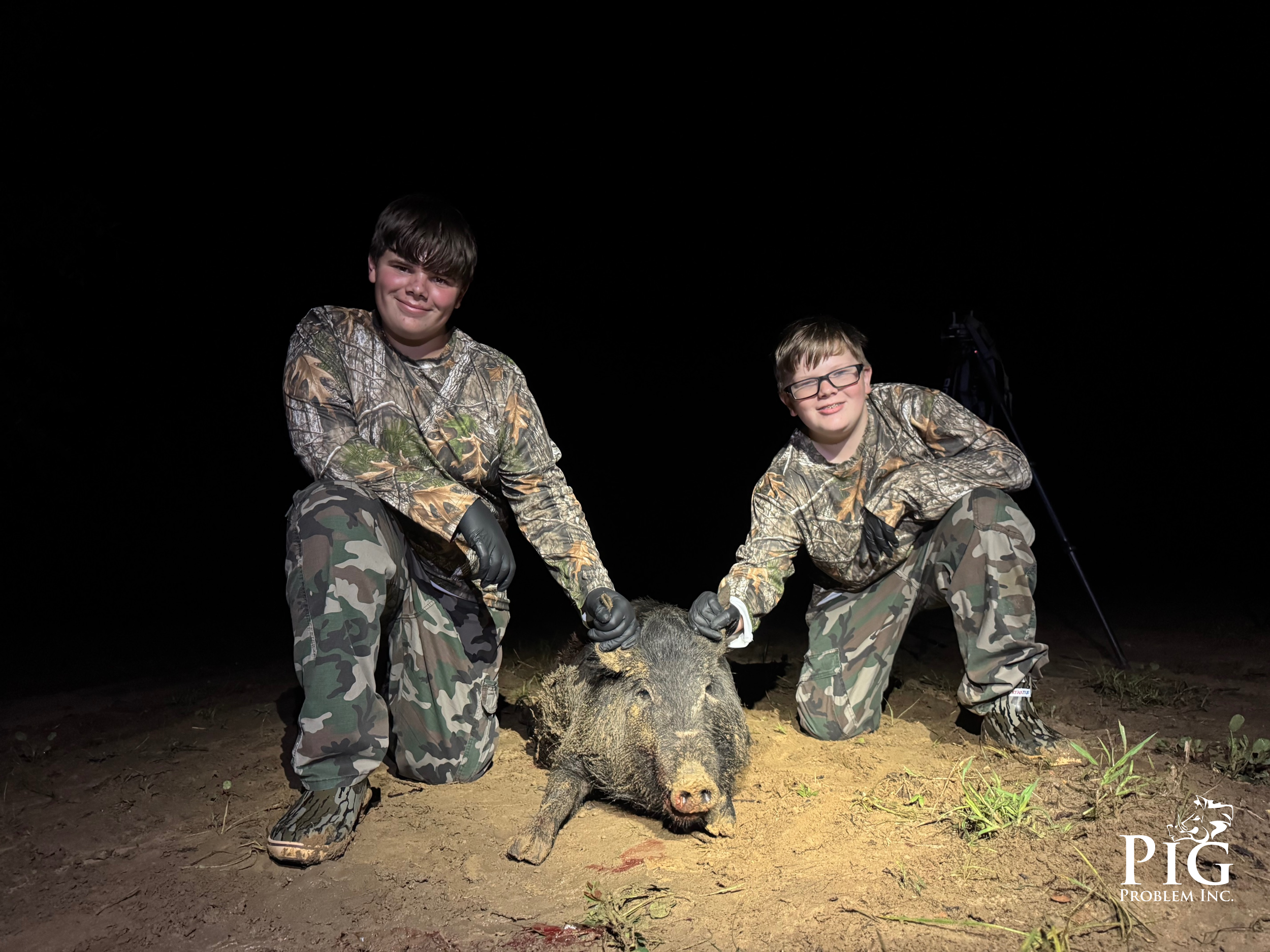

Across the United States, one animal is causing billions of dollars in damage every year—and it isn’t a predator like a coyote or mountain lion. The real culprit is the wild hog.
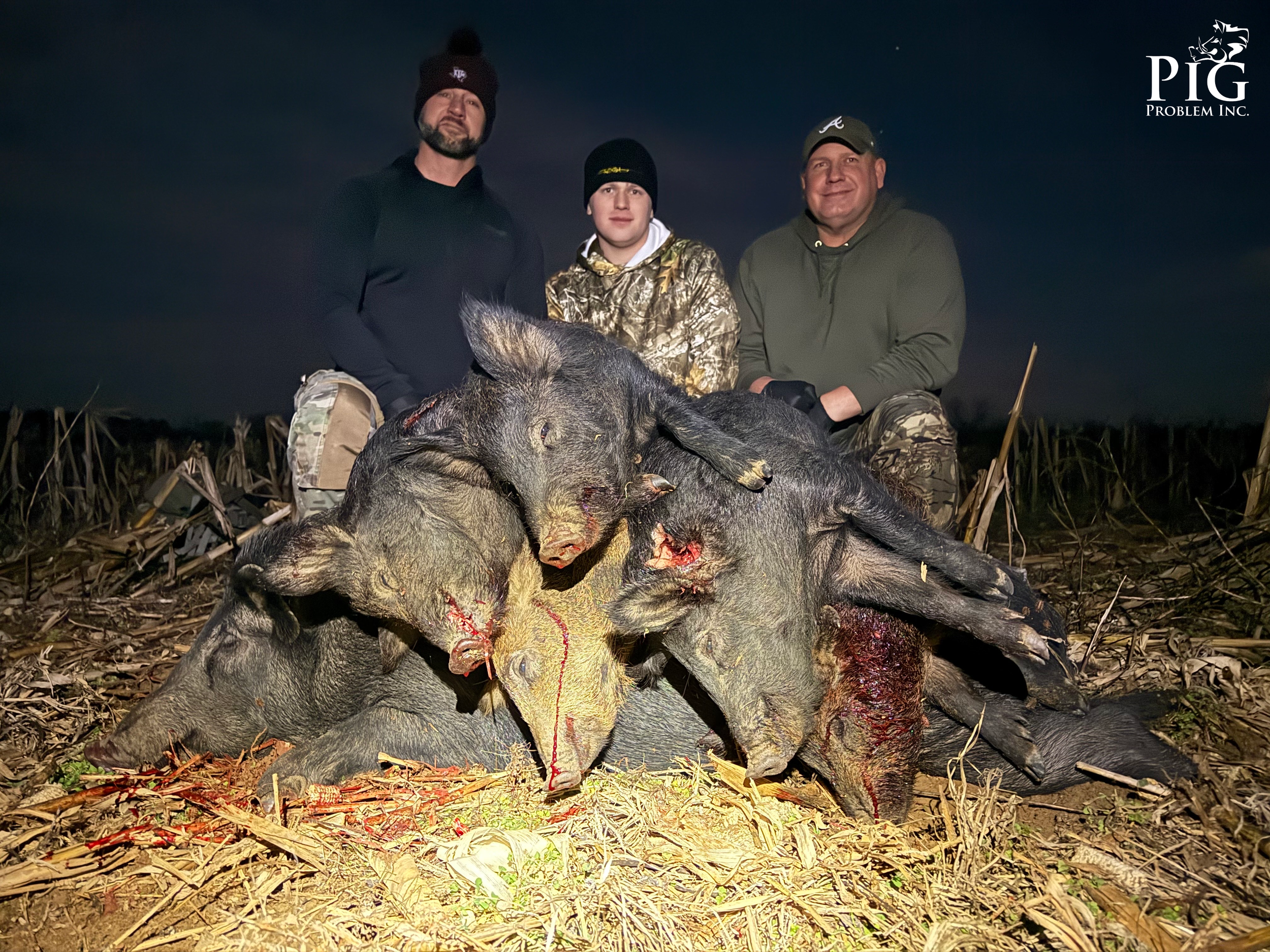
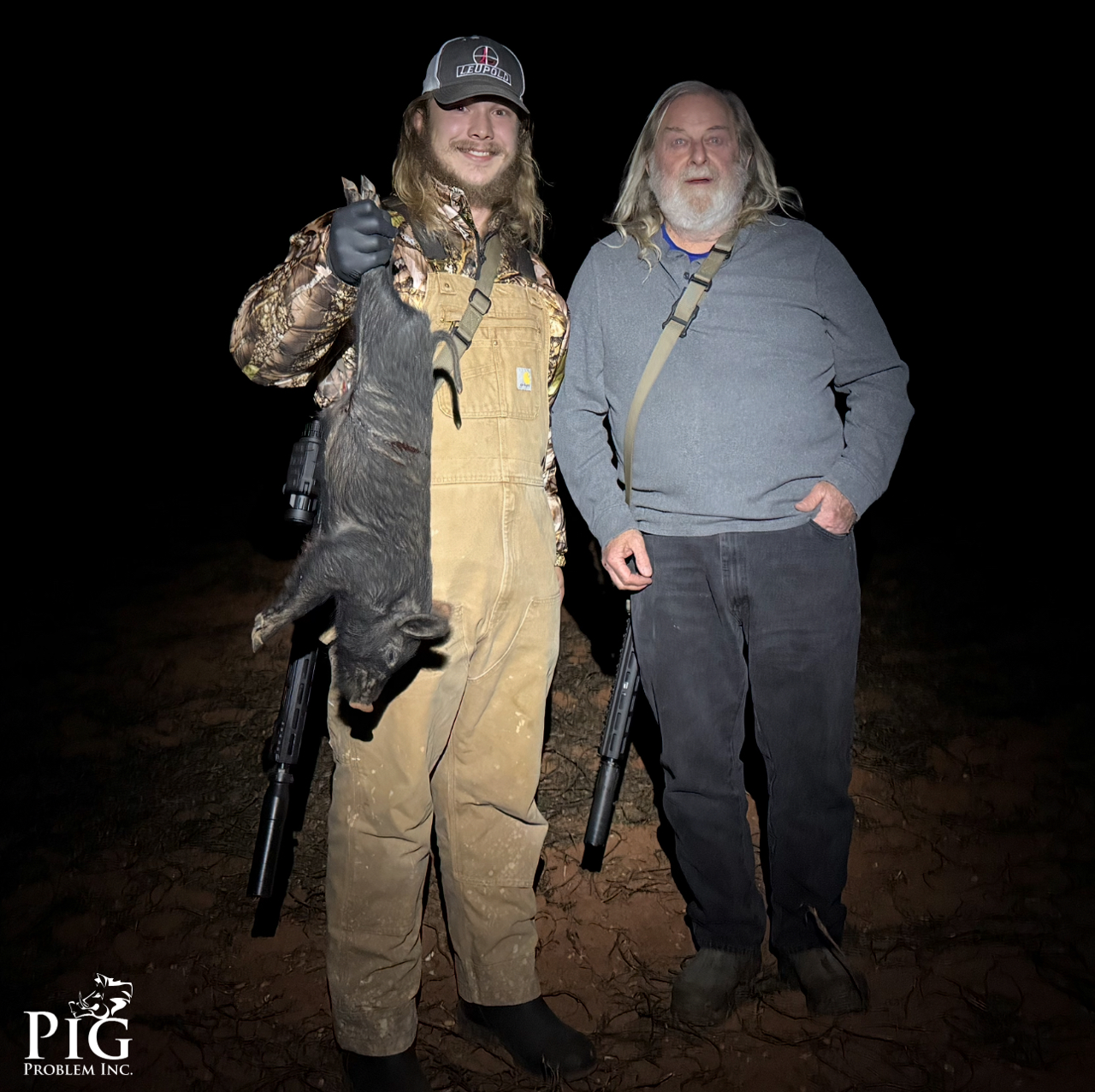
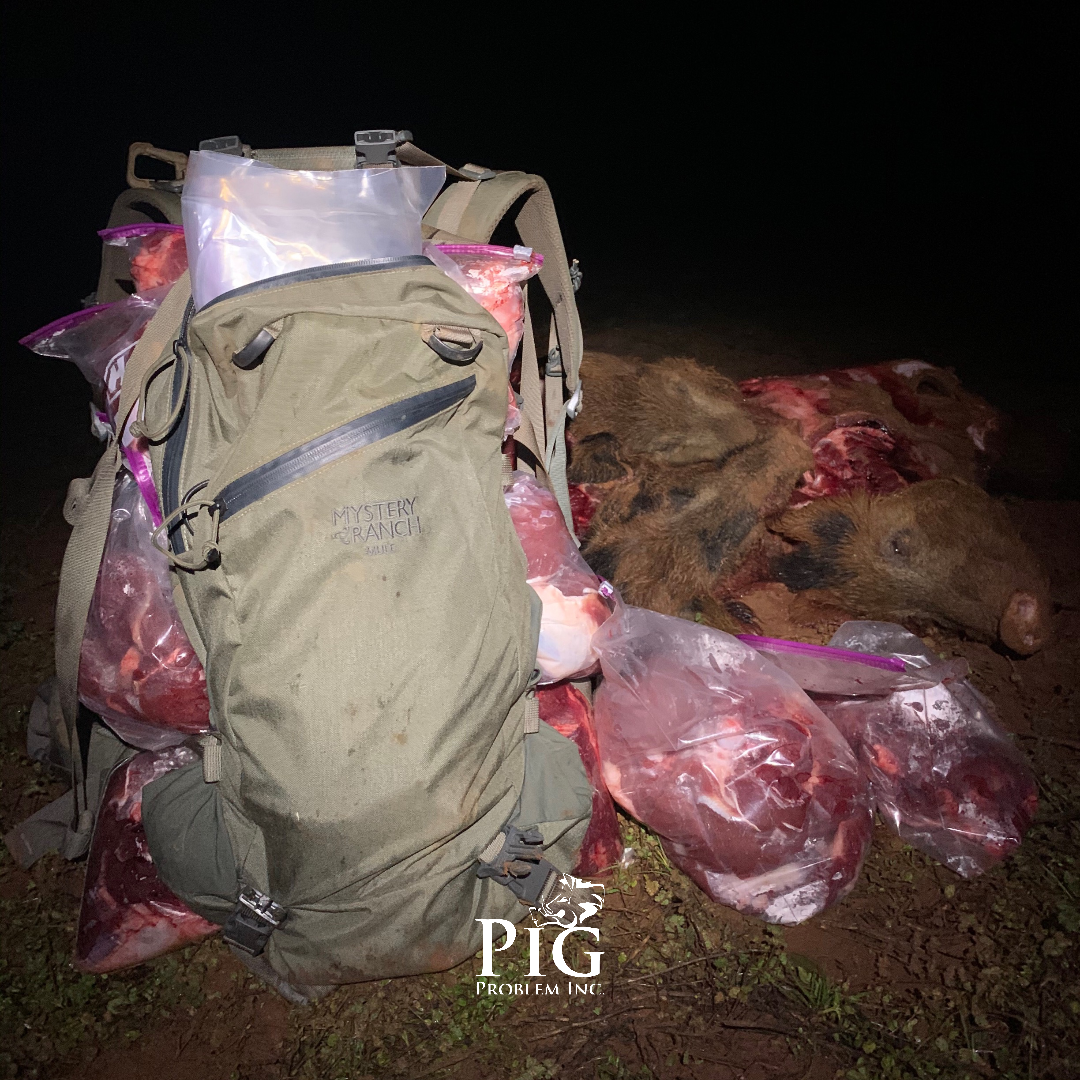
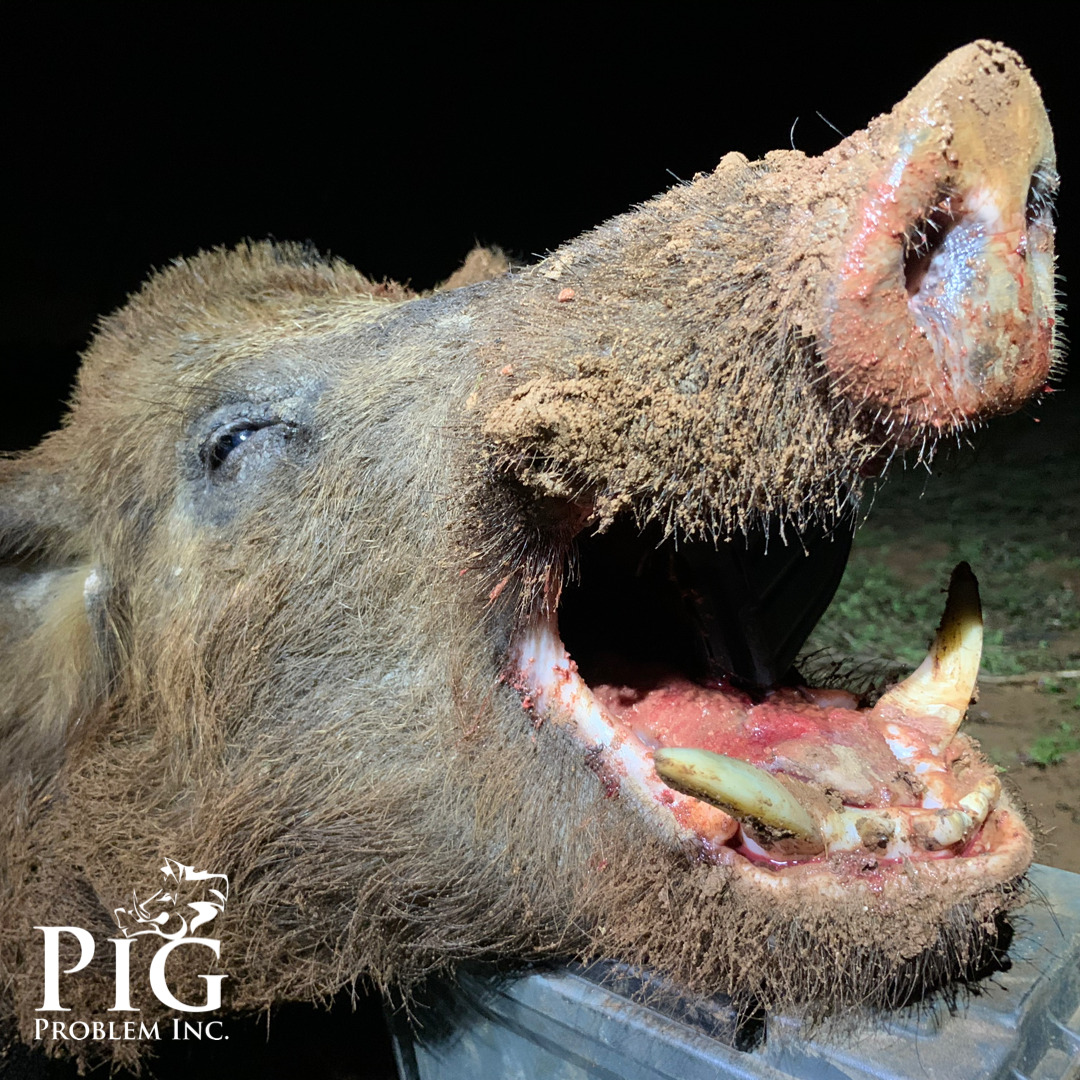
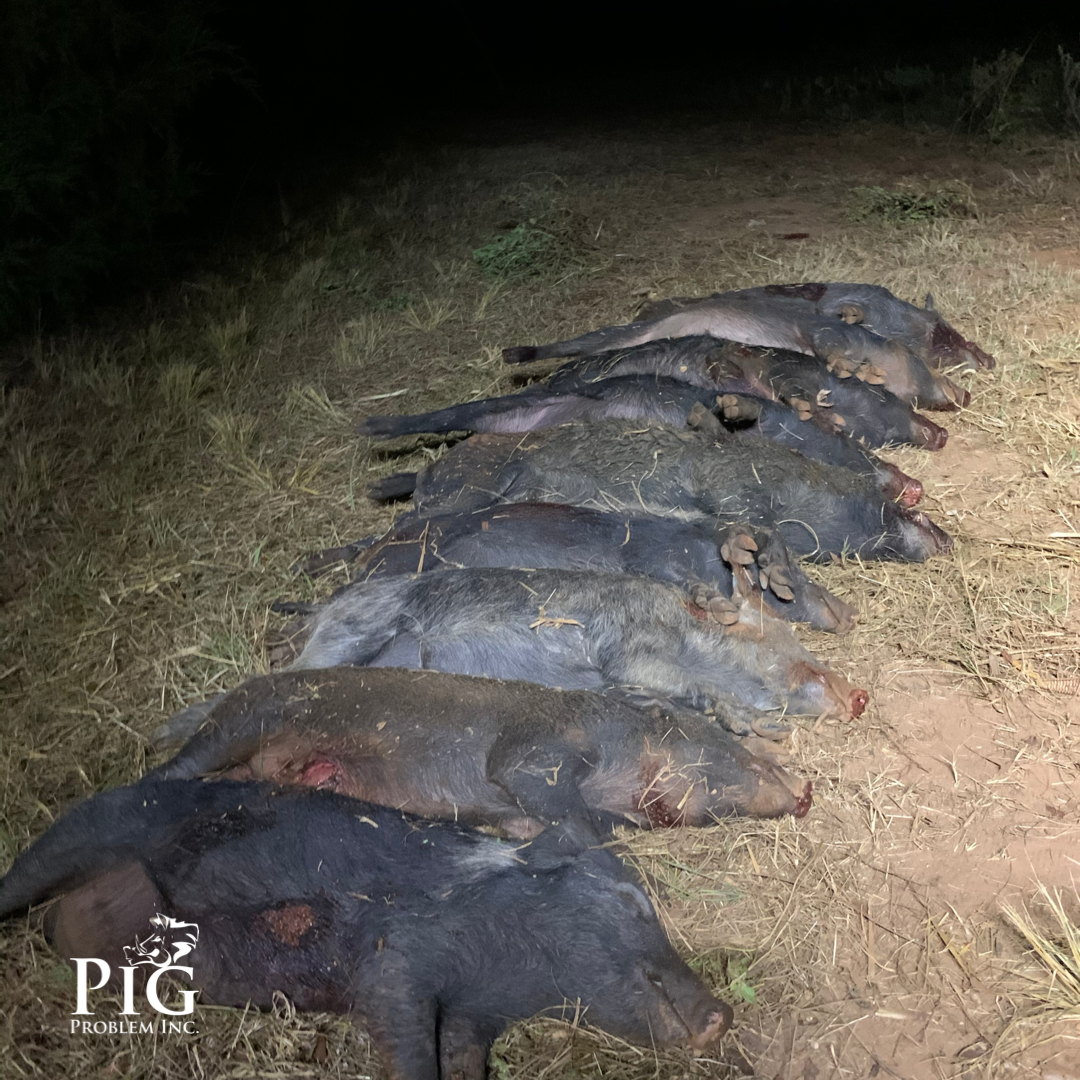
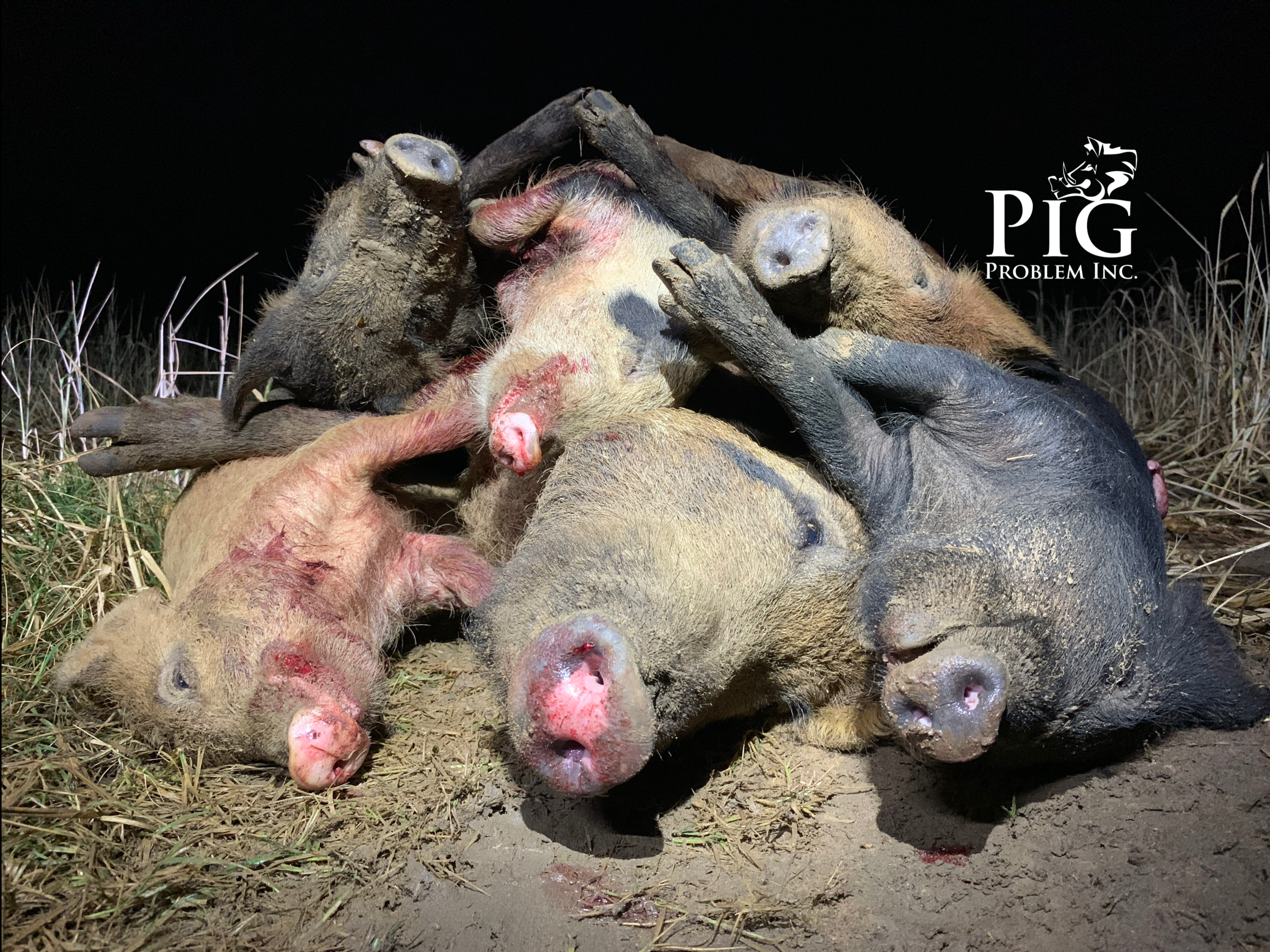
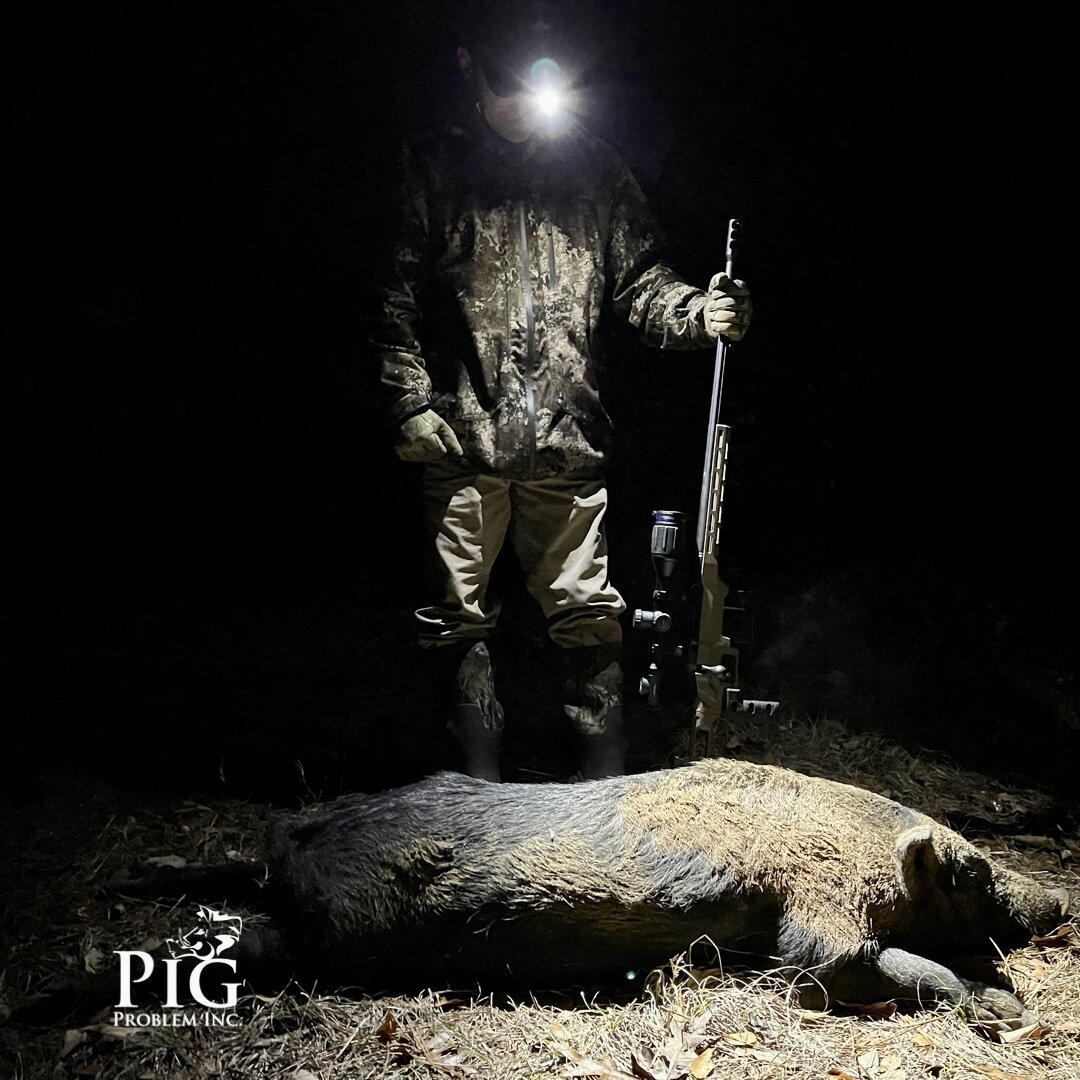
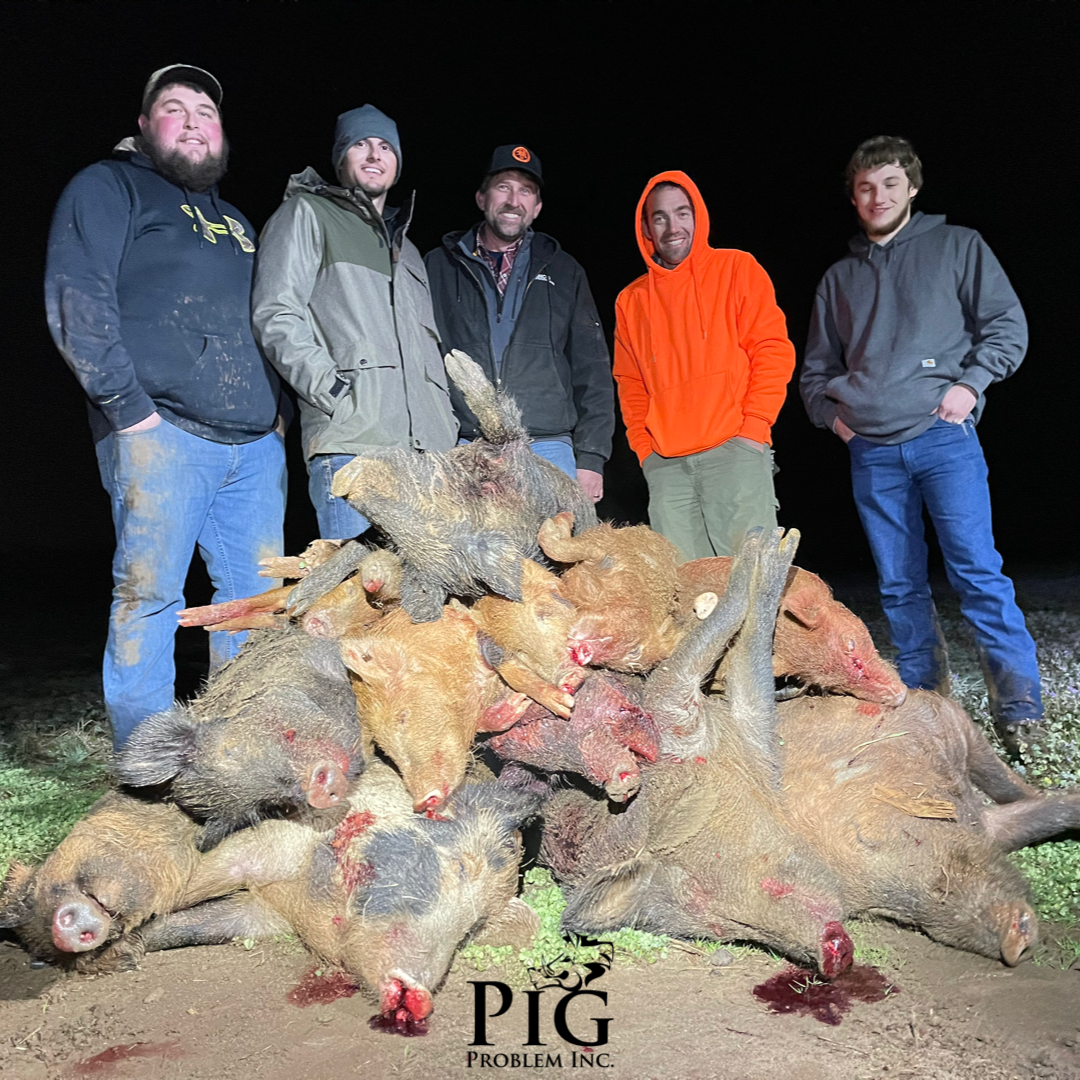
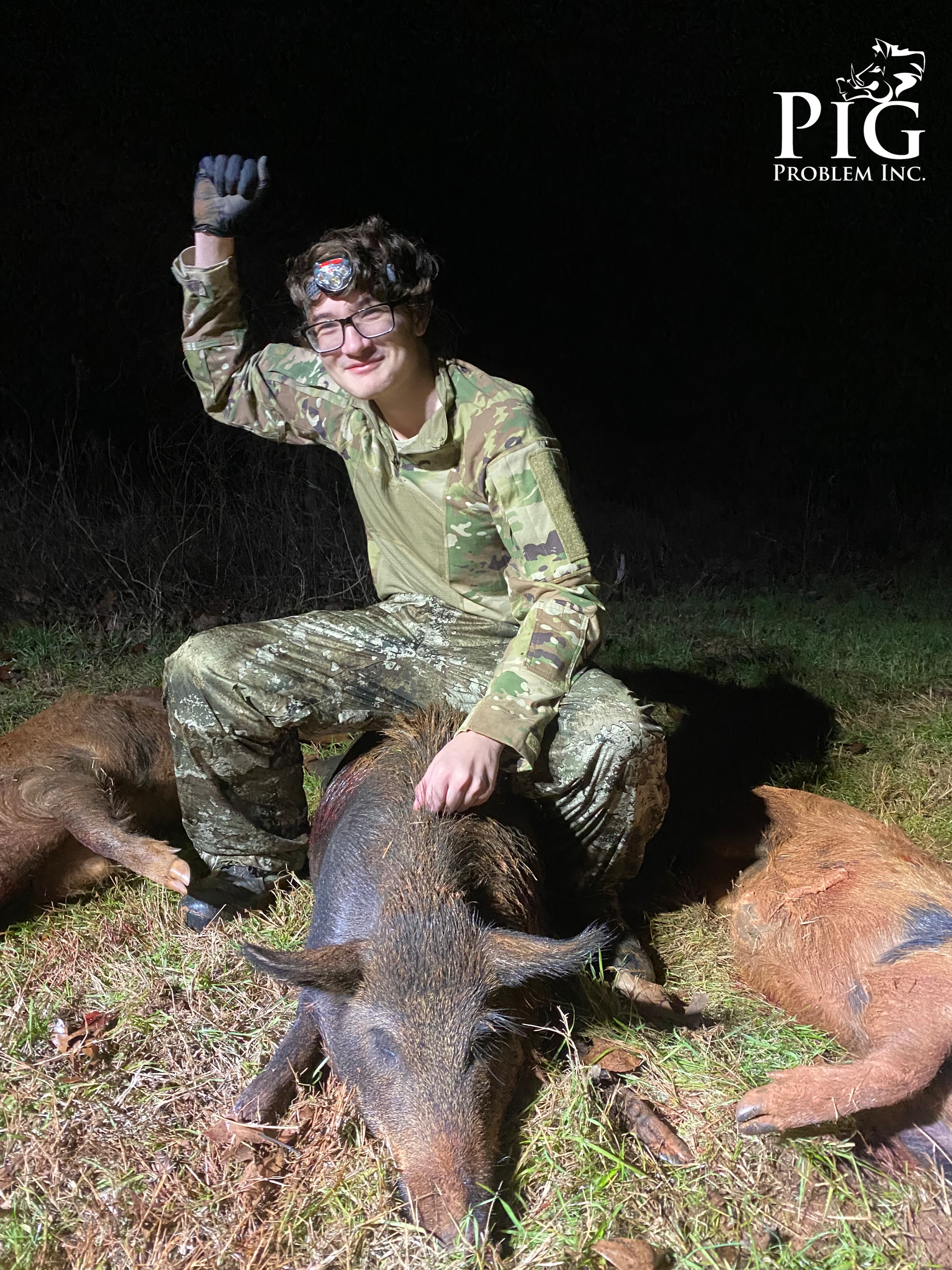
Photo: Hog Hunting Georgia @PigProblem
Wild Hogs, also called feral hogs or feral pigs, are widely considered the most destructive invasive species in the country. Their population continues to explode, and the damage they cause to farms, forests, and ecosystems grows every year.
Today, wild hogs can be found across much of the United States, and in many areas they have become a serious problem for farmers, landowners, and wildlife managers.
Where Wild Hogs Are a Problem in the United States
Wild hog populations exist in at least 35 states, but the heaviest concentrations are found in the southern United States.
Some of the states with the largest wild hog populations include:
Texas
Georgia
Florida
Oklahoma
Alabama
South Carolina
Mississippi
Louisiana
Arkansas
California
Warm climates, abundant food, and thick cover allow hog populations to grow rapidly in these areas.
Unlike native wildlife, wild hogs are extremely adaptable. They thrive in farmland, forests, wetlands, river bottoms, and even suburban areas. This adaptability makes controlling their population extremely difficult.
Why Wild Hogs Are So Destructive
Wild hogs cause damage in several ways.
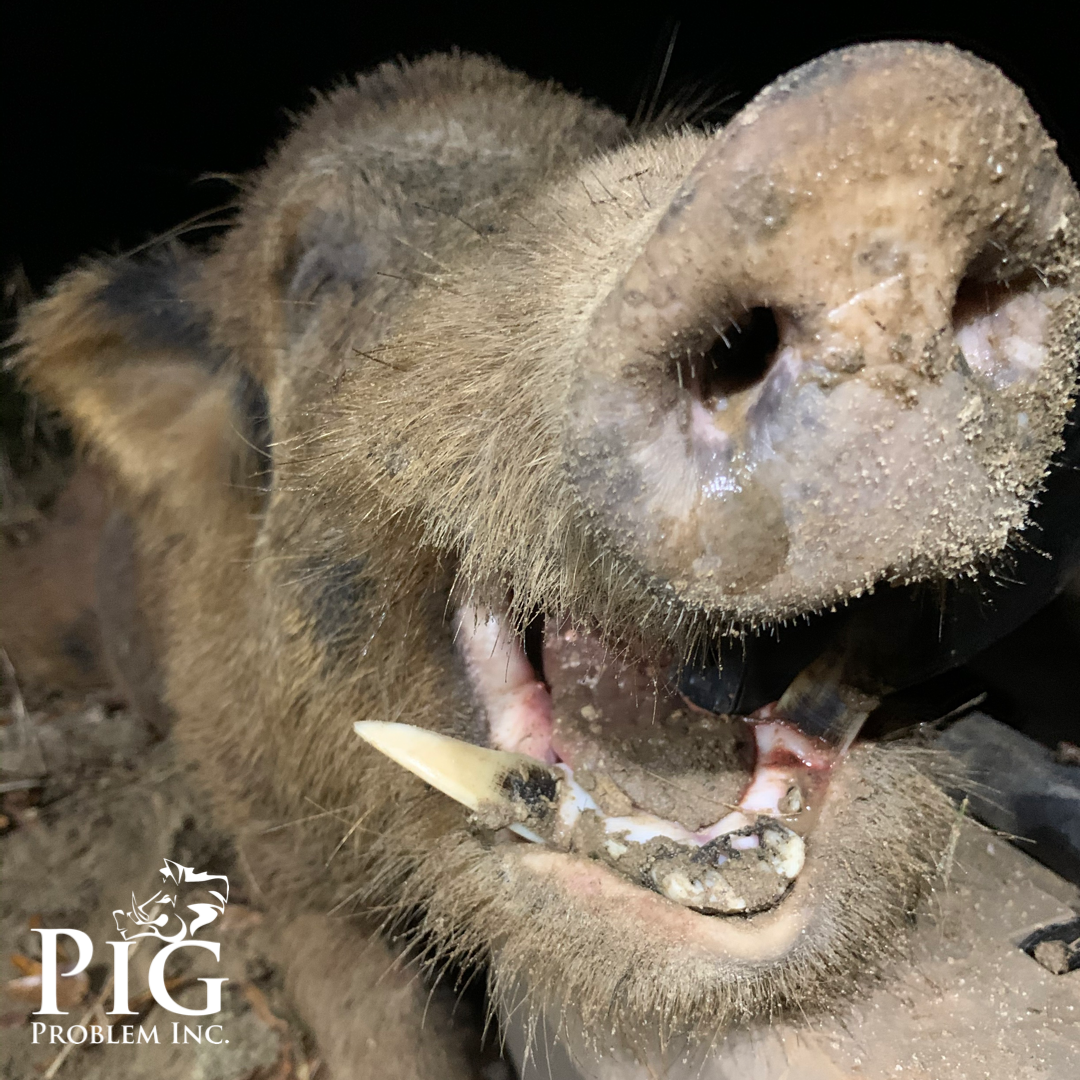
First, they root up the ground while searching for food. Using their powerful snouts, hogs dig into soil looking for roots, insects, grubs, and seeds. This behavior tears up fields, destroys crops, and leaves land looking like it has been plowed overnight.
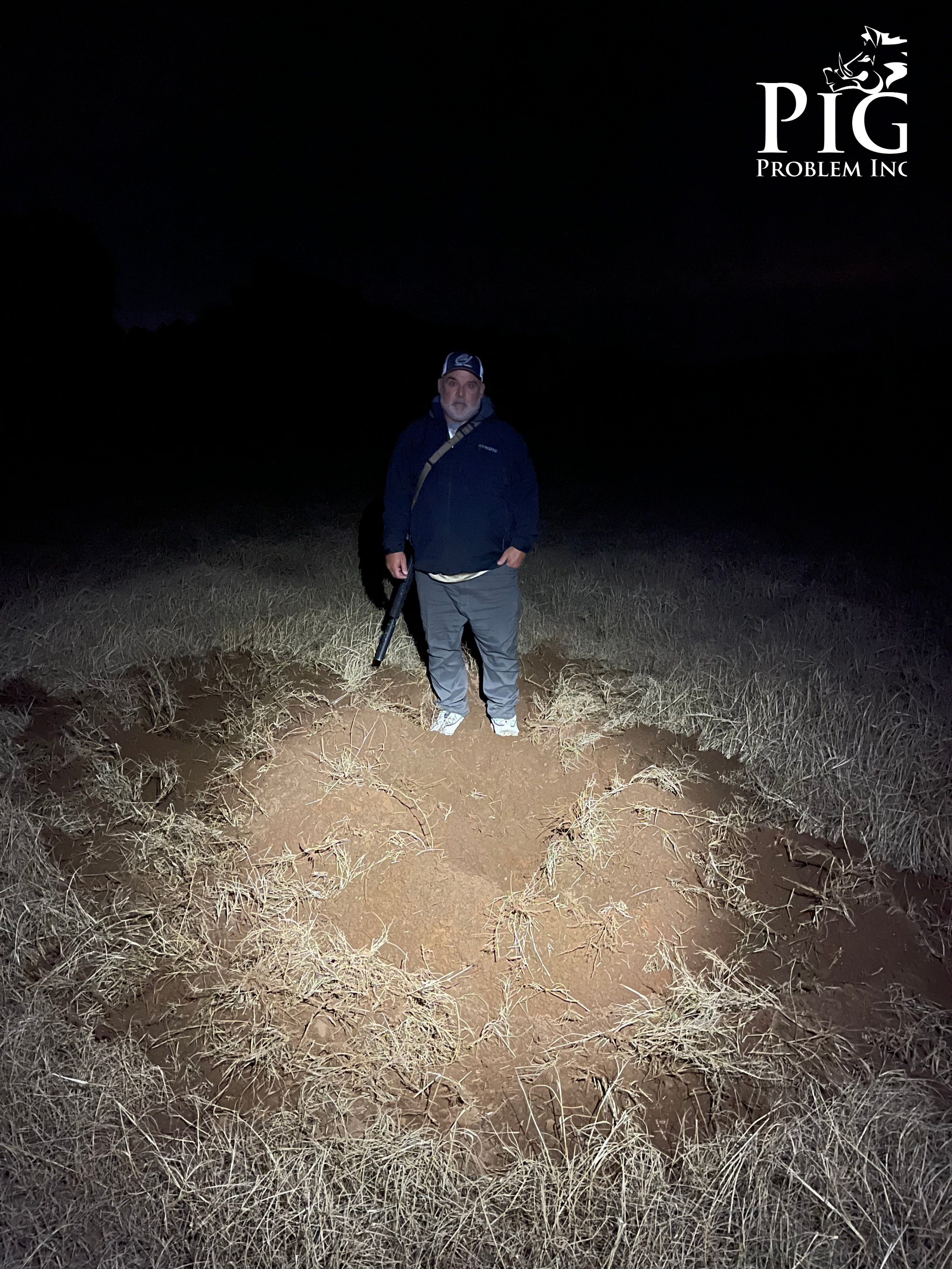
Photo: Feral Hogs Destroying Fields @PigProblem
Second, wild hogs eat anything. Remember when your great grandmother (that may or may not have been a little over weight) would tell you “I’ll eat anything that doesn’t eat me first”. Well that’s how feral hogs are too. They are opportunistic omnivores and consume crops, nuts, worms, fruits, small animals, bird eggs, deer fawns, and even them selves… Yes they are cannibals. We have seen it in action.
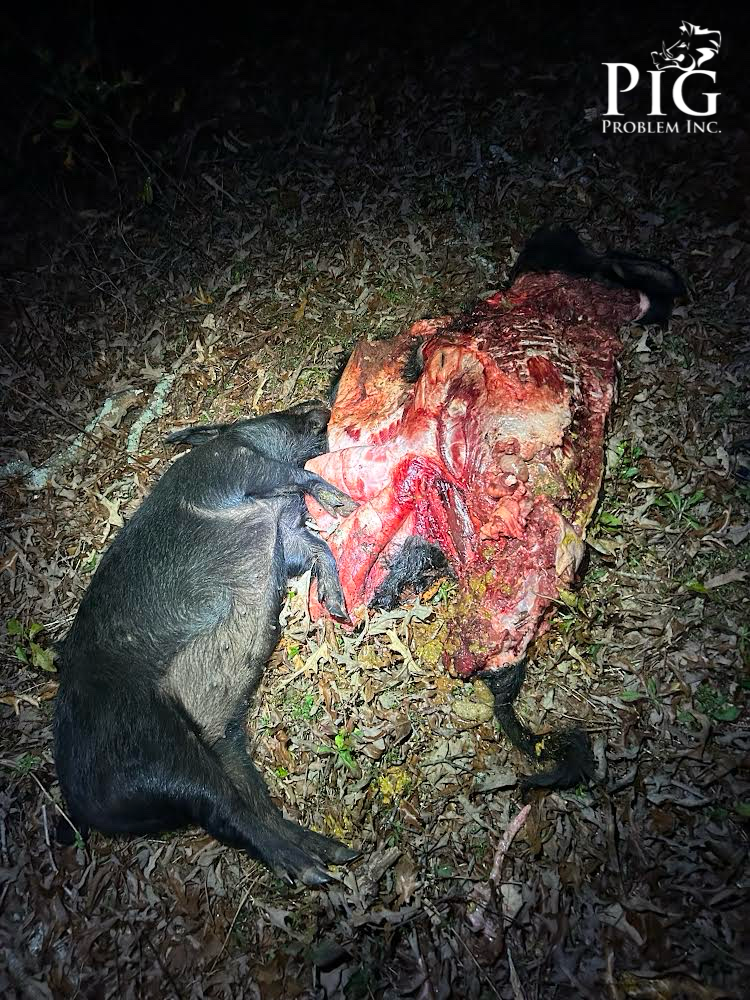
Photo: Feral Hogs Are Cannibals @PigProblem
Third, hogs reproduce at an alarming rate. A single sow can produce two litters per year, with each litter containing 4–12 piglets. Because of this rapid reproduction, populations can grow faster than most control methods can keep up.
The result is widespread agricultural damage and serious ecological impacts.
The Growing Pig Problem in Georgia
In the southeastern United States, few places feel the impact of wild hogs more than Georgia.
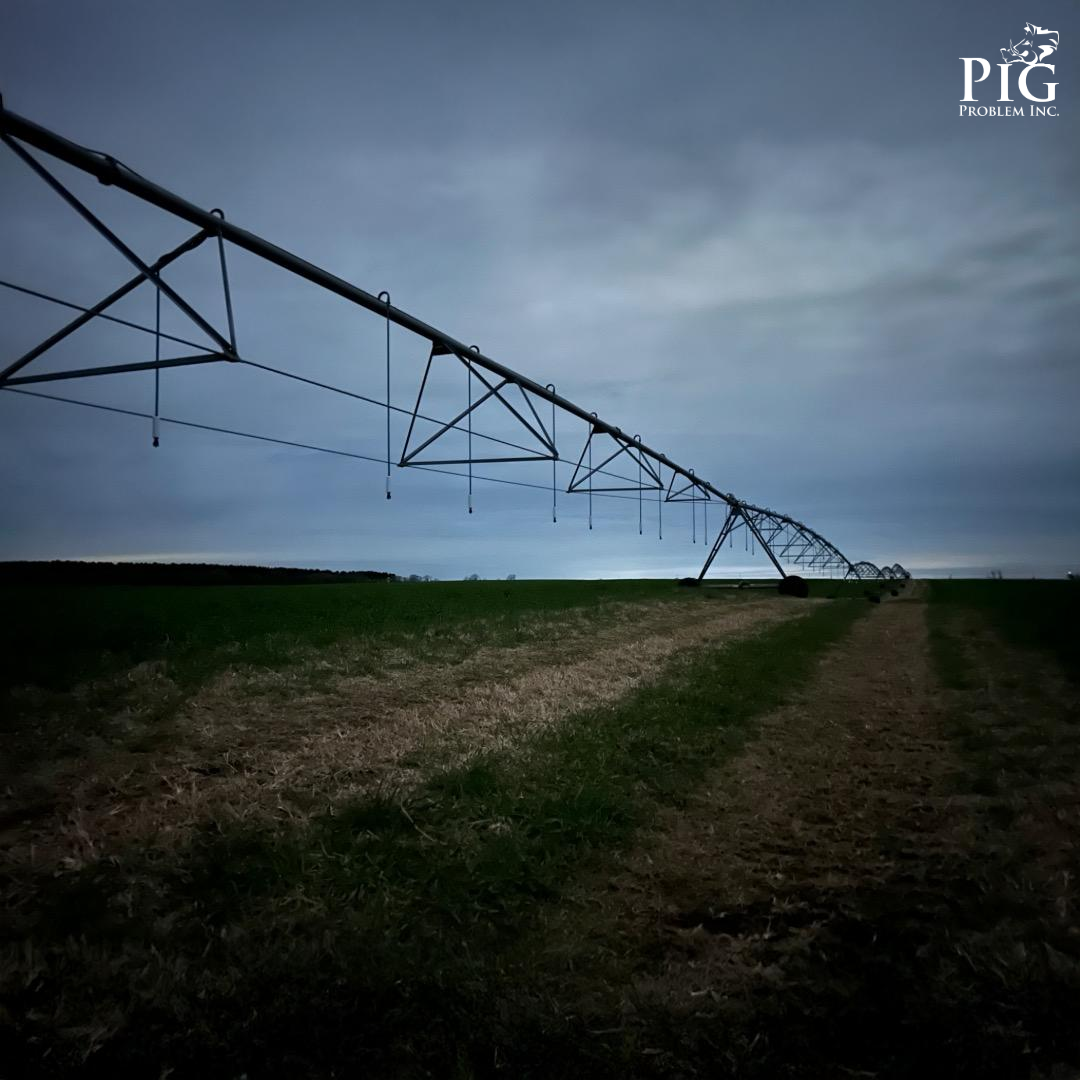
Photo: South Georgia Farm Field @PigProblem
Georgia’s warm climate, abundant farmland, and river systems create perfect habitat for feral hogs. Over the past few decades, their population has expanded across nearly the entire state.
For farmers in South Georgia, the problem can be especially severe.
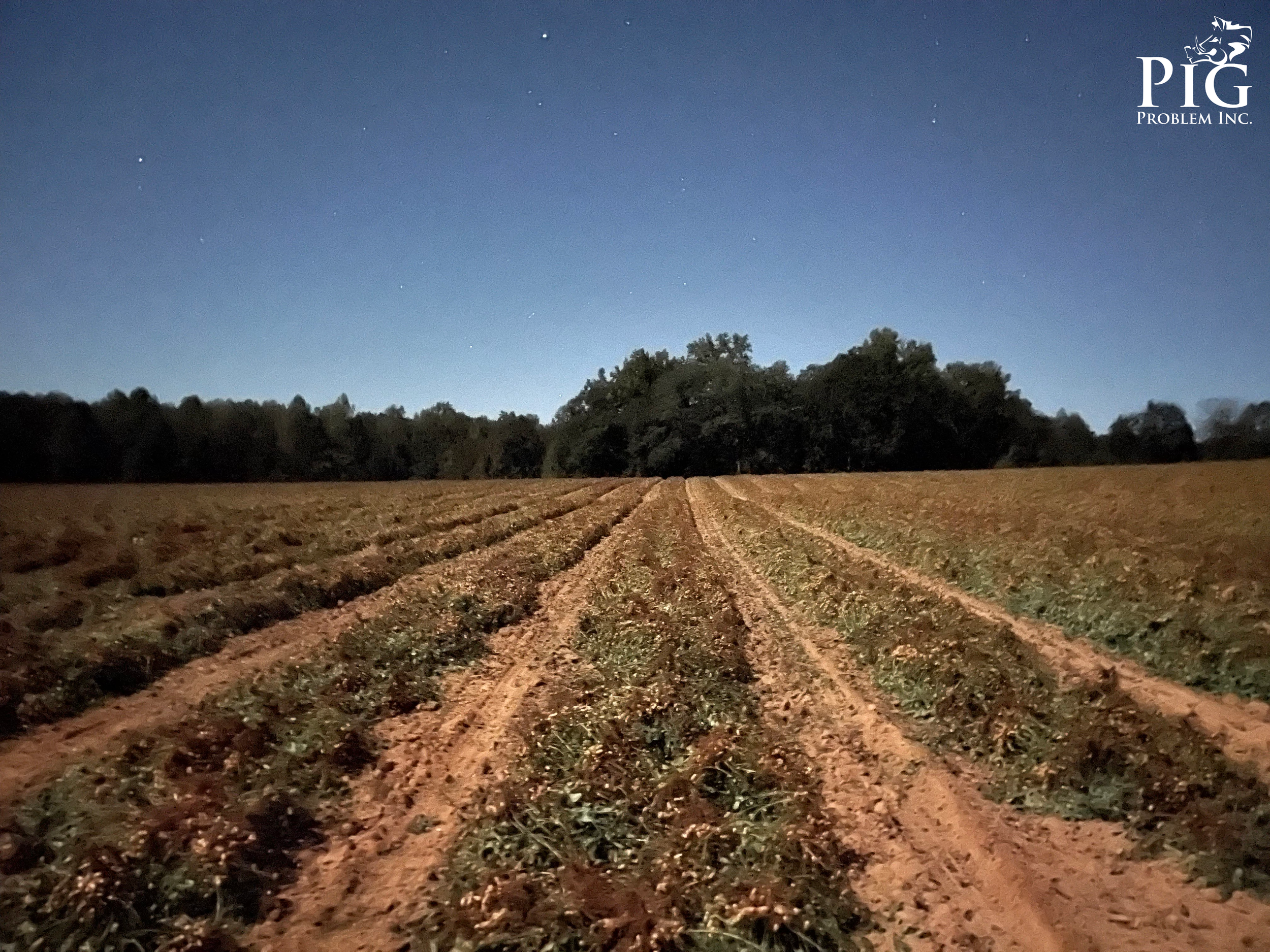
Photo: Georgia Peanut Field @PigProblem
This region produces large amounts of crops like:
Corn
Peanuts
Cotton
Soybeans
Unfortunately, these crops are also some of a hog’s favorite foods.
How Wild Hogs Destroy Crops in South Georgia
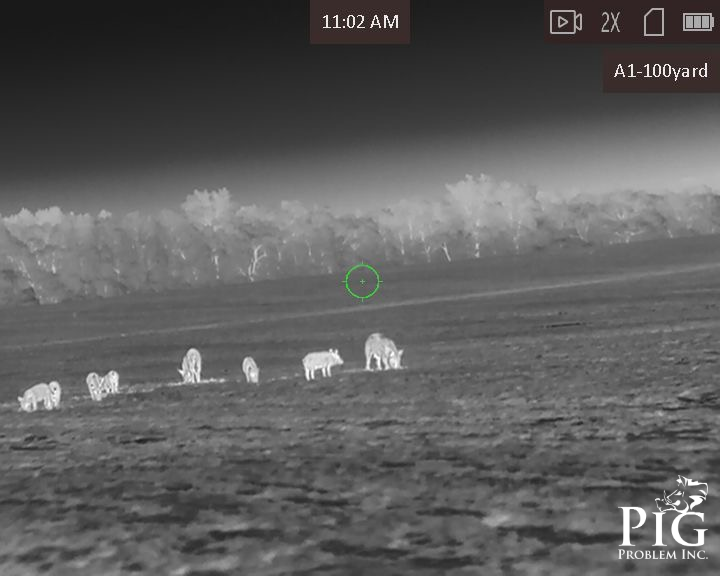
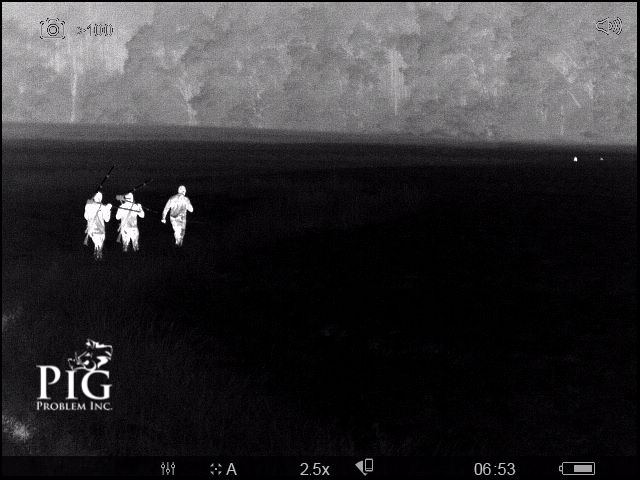
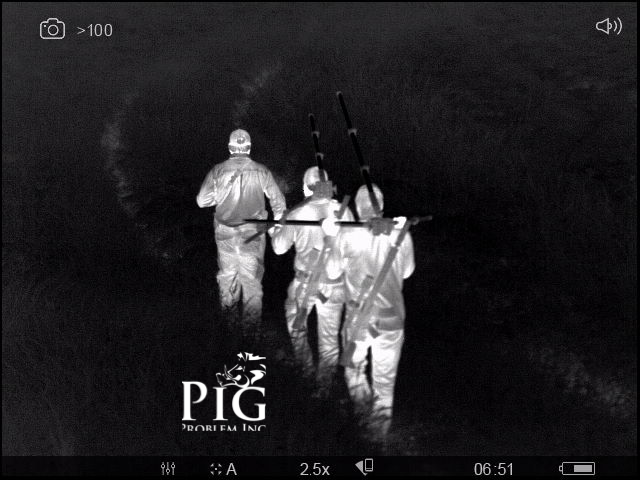
Photo: Thermal Hunting A Sounder Of Wild Hogs @PigProblem
Wild hogs often move into agricultural fields under the cover of darkness. Entire groups of hogs, called sounders, can enter a field and cause major destruction in a single night.
In corn fields, hogs will knock down stalks and consume the ears, leaving rows flattened and unusable.
In peanut fields, they root through the soil searching for peanuts, destroying large sections of planted acreage as they dig.
Cotton and soybean fields can also suffer heavy damage, as hogs trample plants and feed on developing crops.
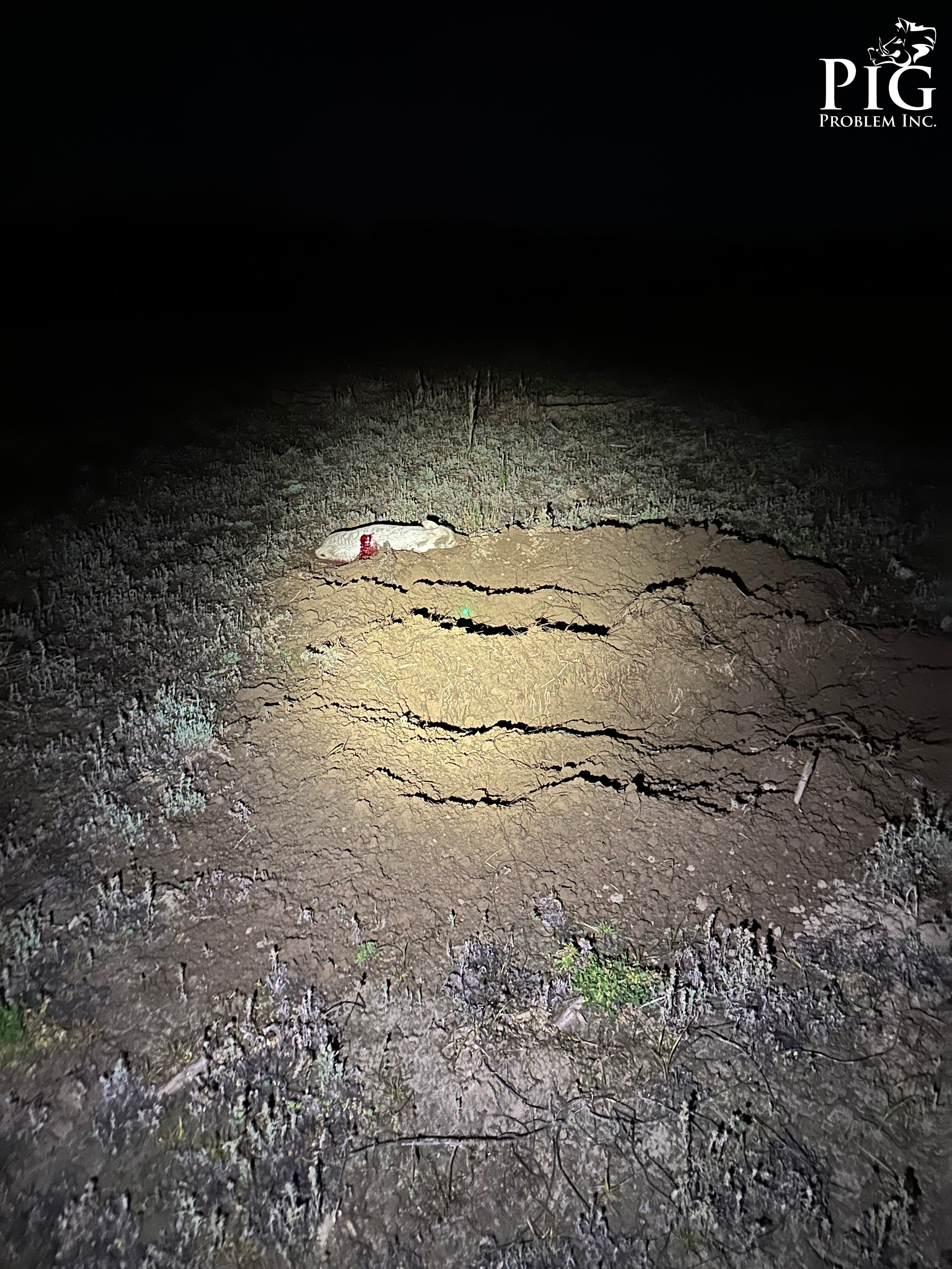
Photo: Wild Hog Damage @PigProblem
Even when hogs don’t eat the entire crop, their rooting behavior tears up the ground so badly that the field may require costly repairs before it can be planted again.
For many farmers, the damage caused by wild hogs isn’t just frustrating—it can represent a significant financial loss.
The Damage Happens Fast
One of the most frustrating aspects of wild hog damage is how quickly it can happen.
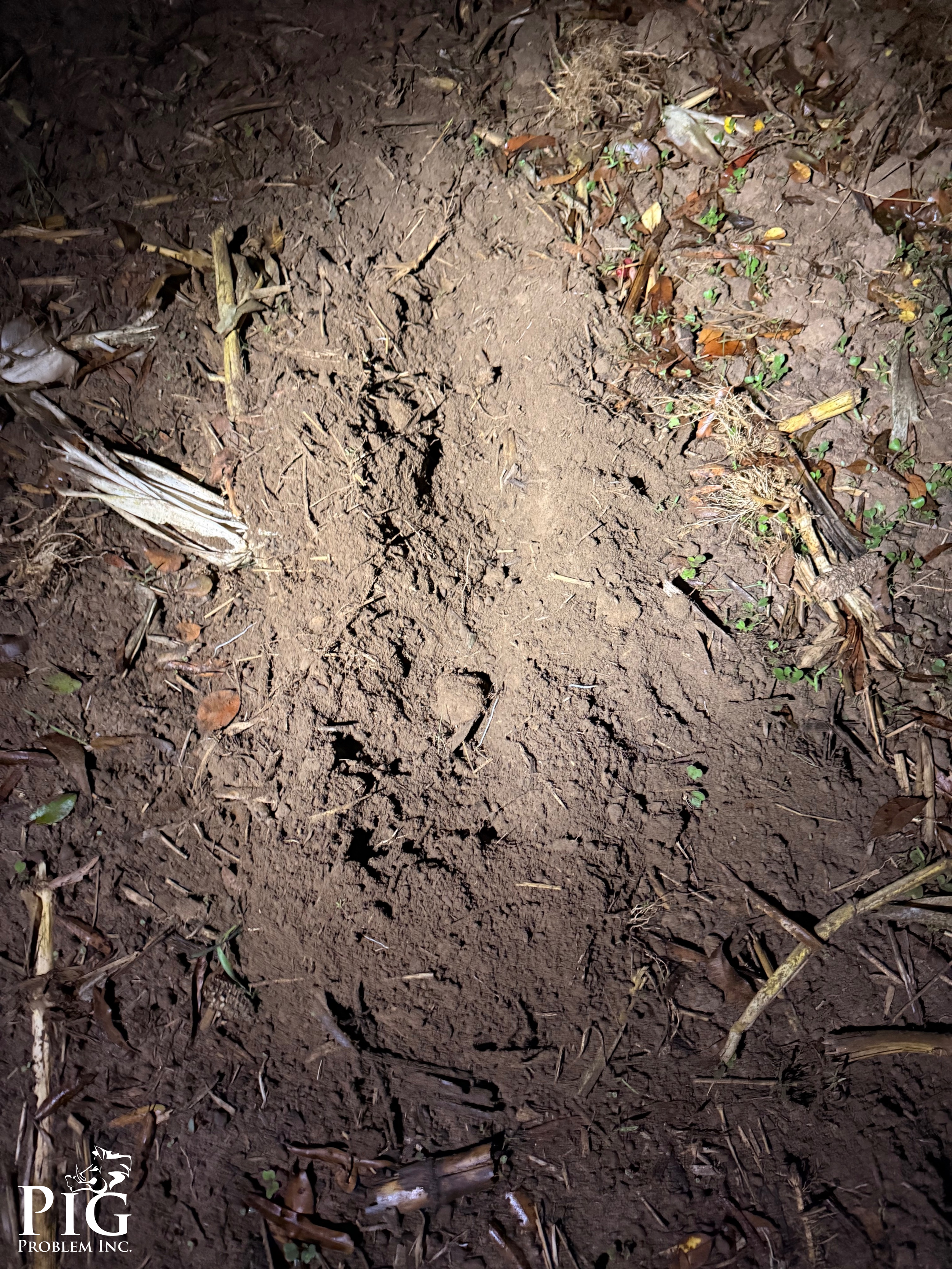
Photo: Wild Hog Rooting @PigProblem
A field that looks perfect in the evening can be heavily destroyed by morning. A sounder of hogs may contain 10, 20, or even more animals, and when they begin feeding in crops the damage multiplies quickly.
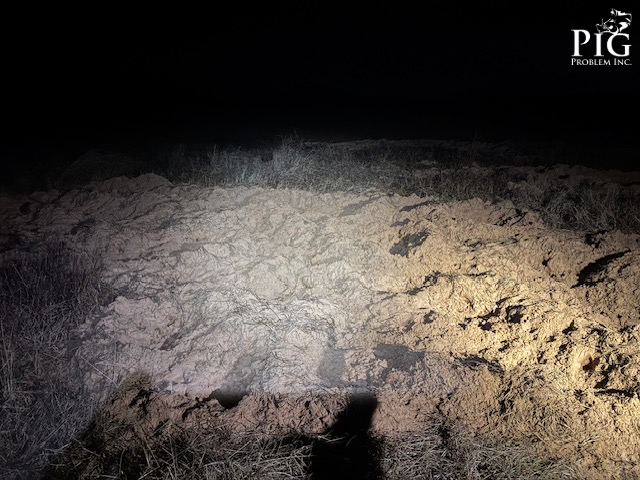
Photo: Feral Hog Major Crop Damage @PigProblem
Because hogs are primarily nocturnal, much of this destruction happens at night when farmers and landowners can’t see it happening.
Why Hunting Plays an Important Role
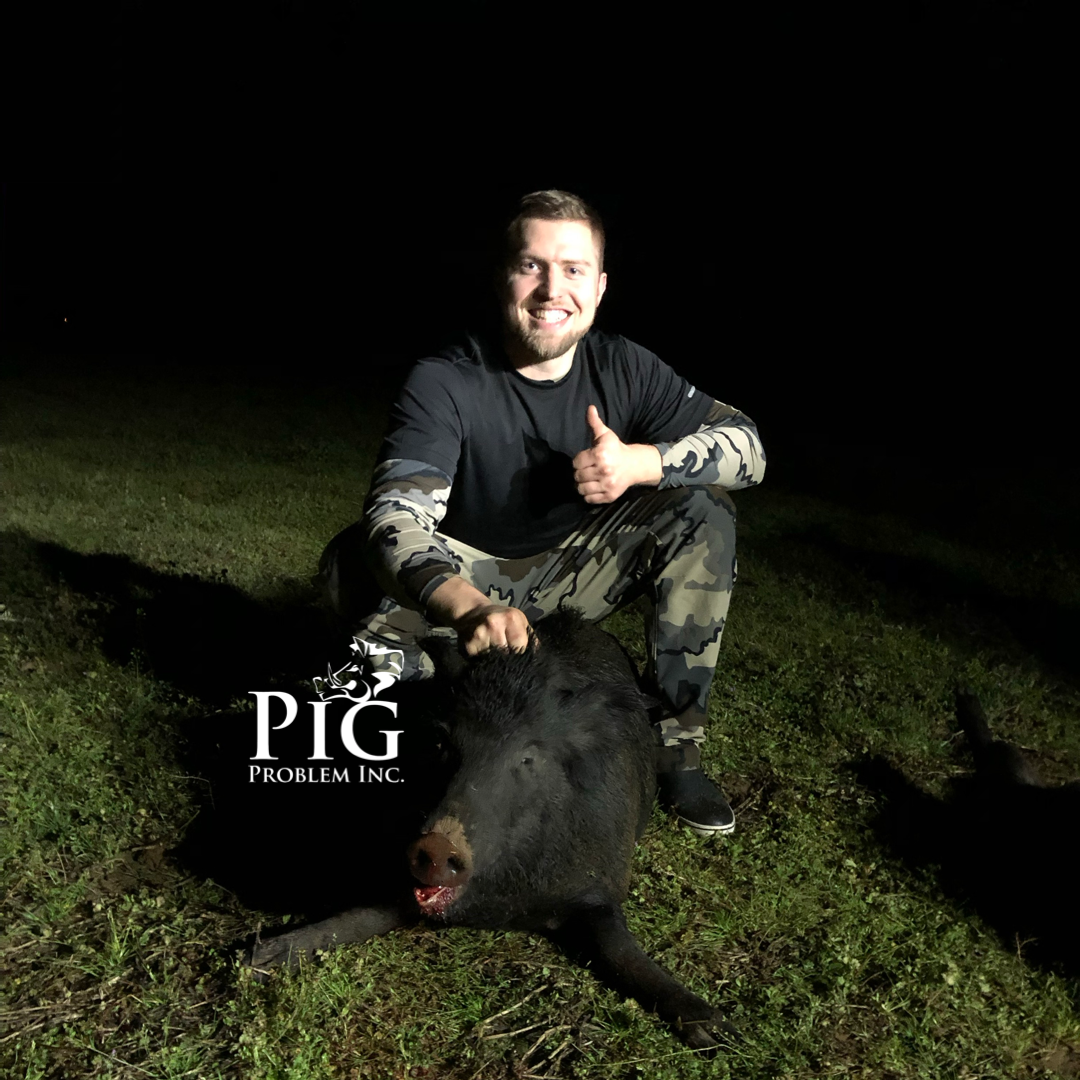
Controlling wild hog populations requires multiple strategies, including trapping and hunting. In many areas, night hunting has become one of the most effective ways to reduce hog numbers, especially on farmland where damage is occurring.
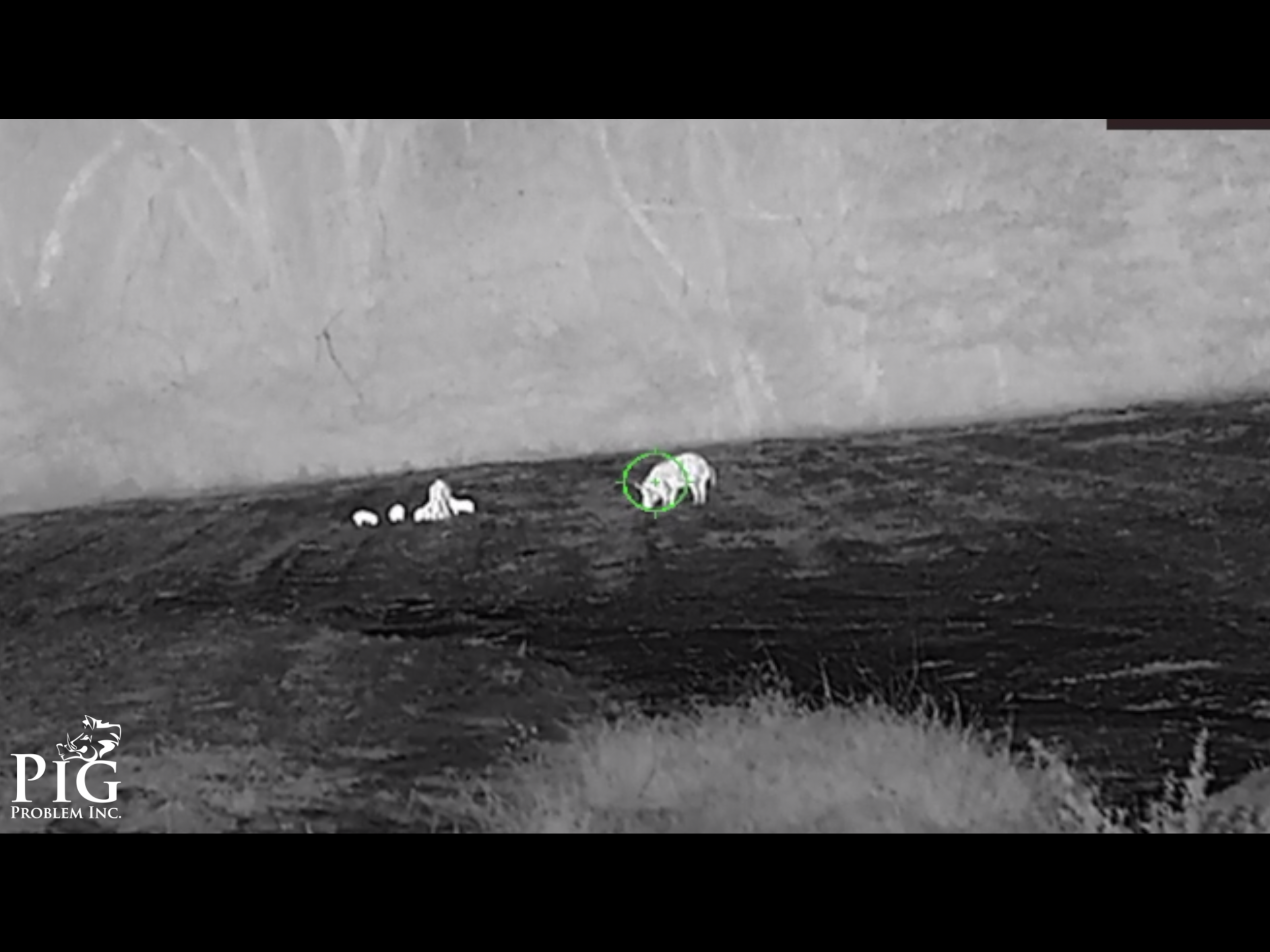
Photo: Thermal Hog Hunting @PigProblem
In South Georgia, hog hunting has become both a practical solution and an exciting outdoor experience for hunters who want to help manage this invasive species.
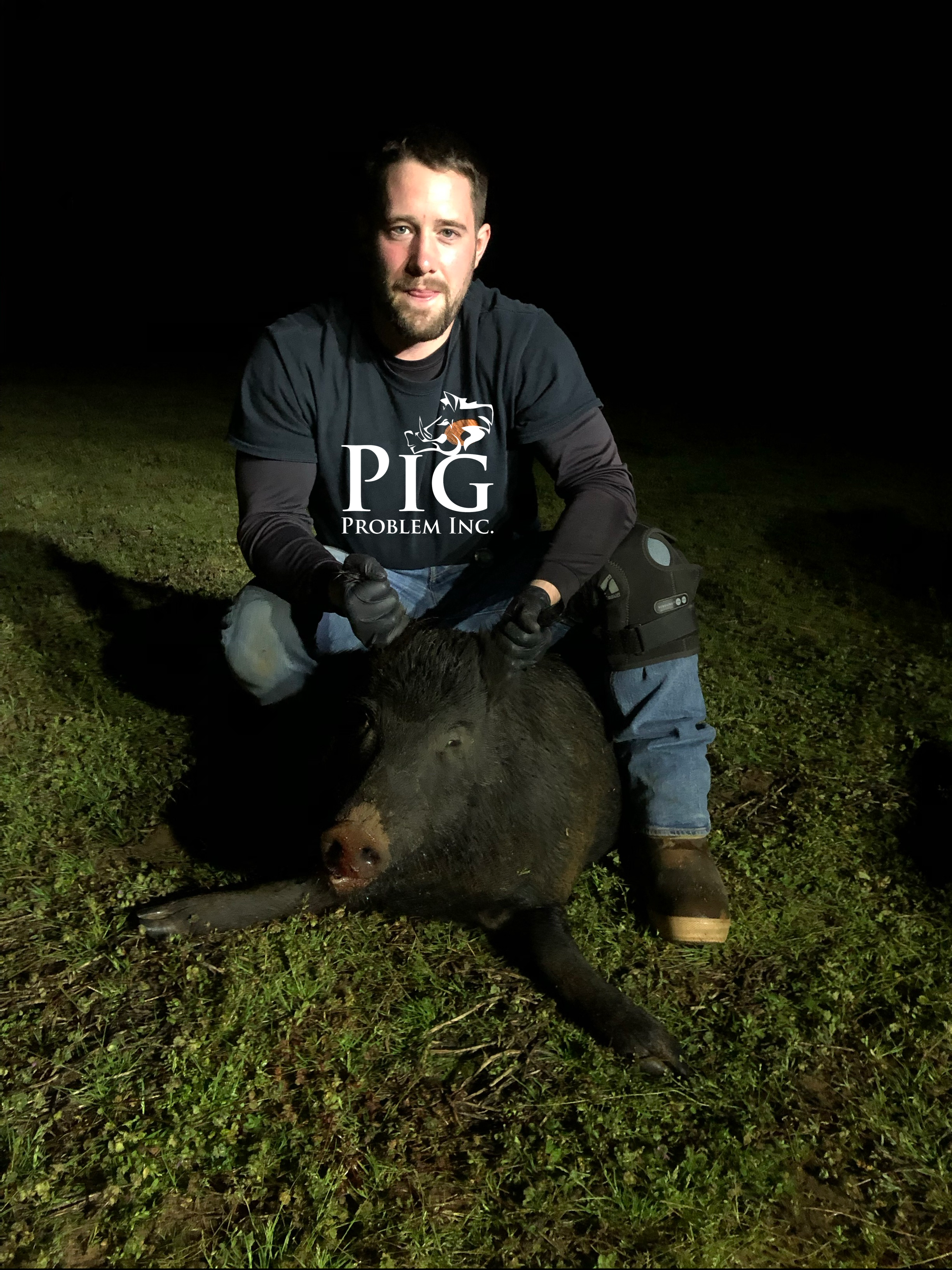
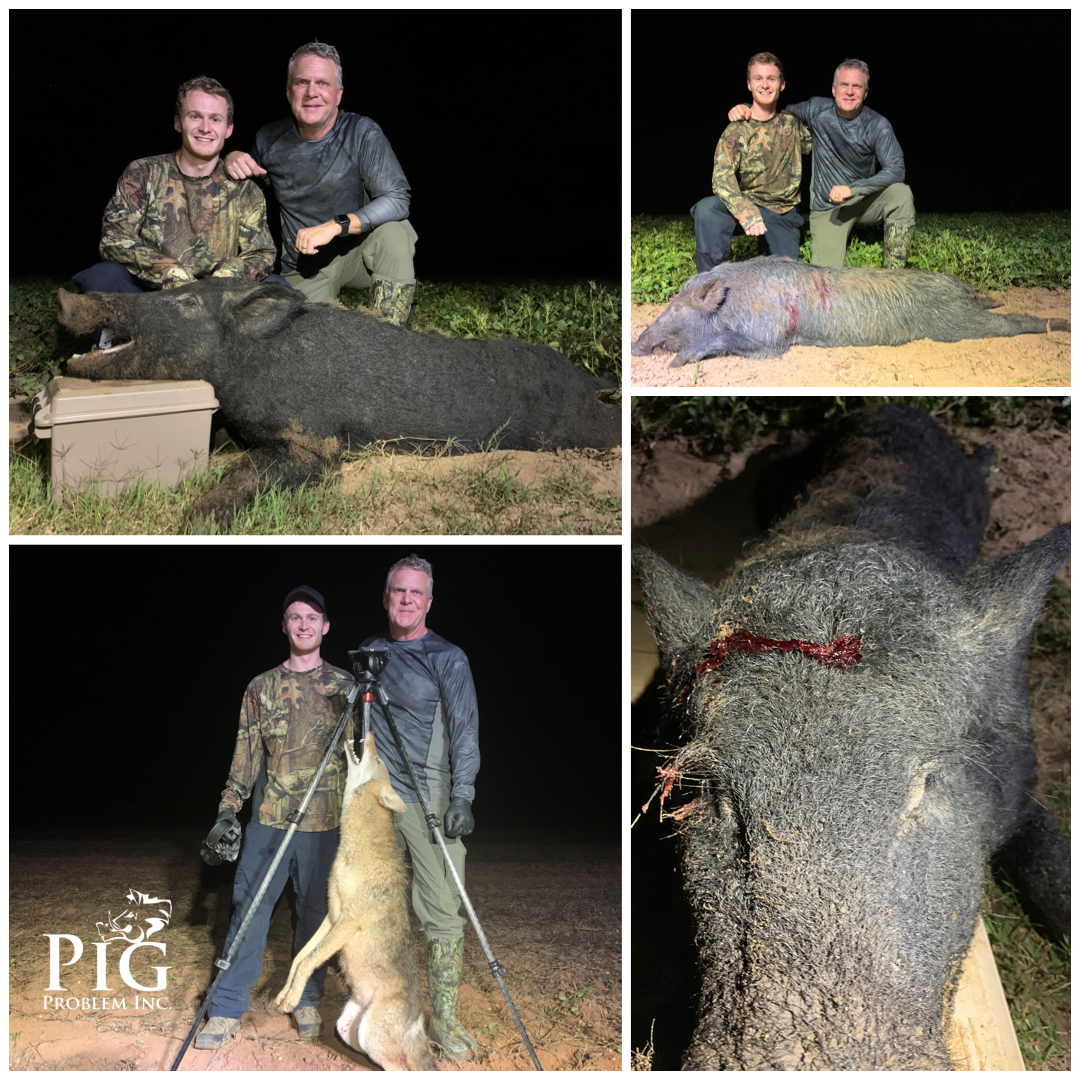
The guides at Pig Problem spend countless nights helping landowners reduce hog populations while giving hunters the opportunity to experience the adrenaline of a thermal night hunt.
For those who have never seen a field through thermal optics with a group of hogs moving across it, it’s an unforgettable experience—and it plays a small role in helping farmers fight the growing pig problem in Georgia.