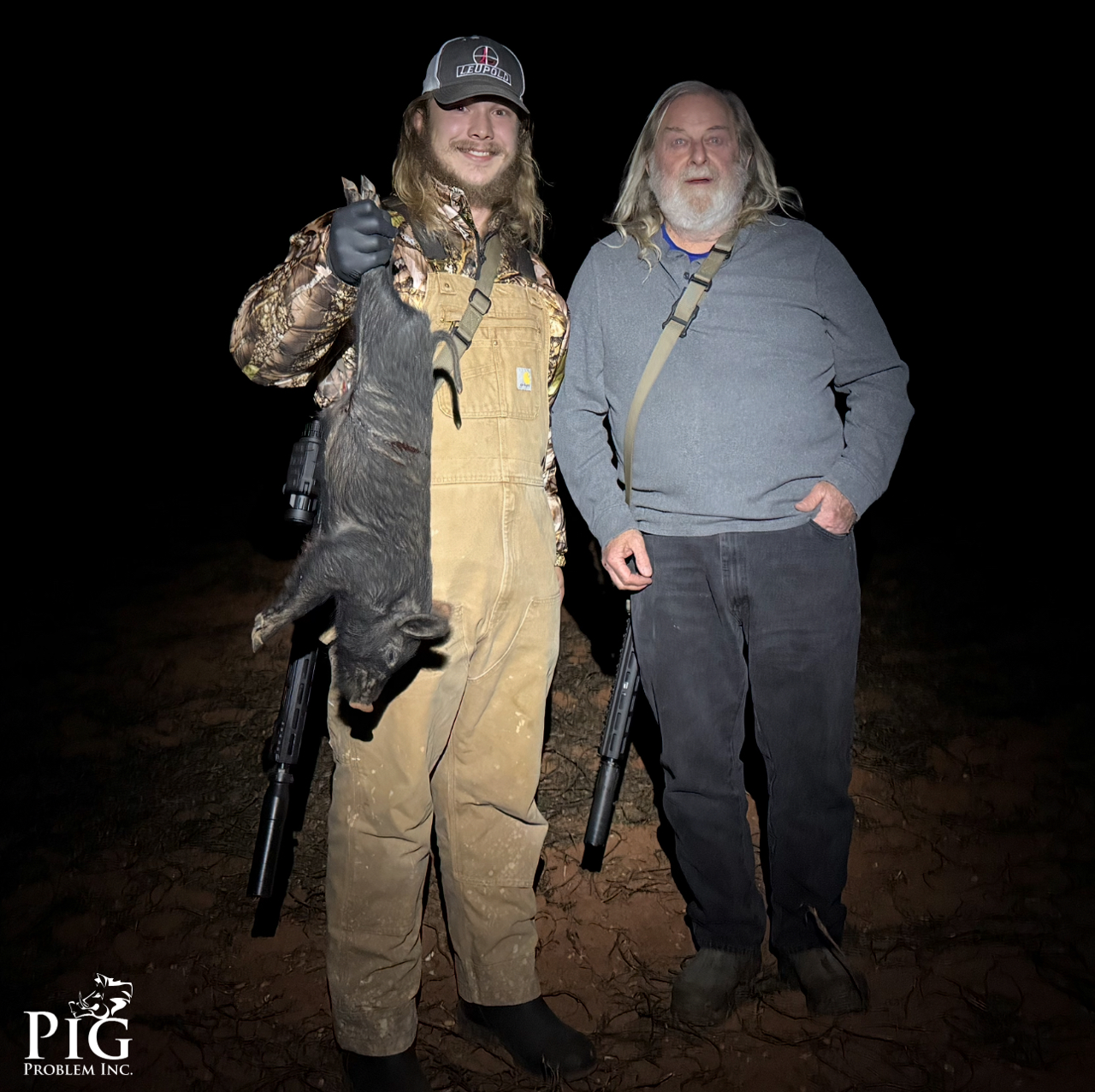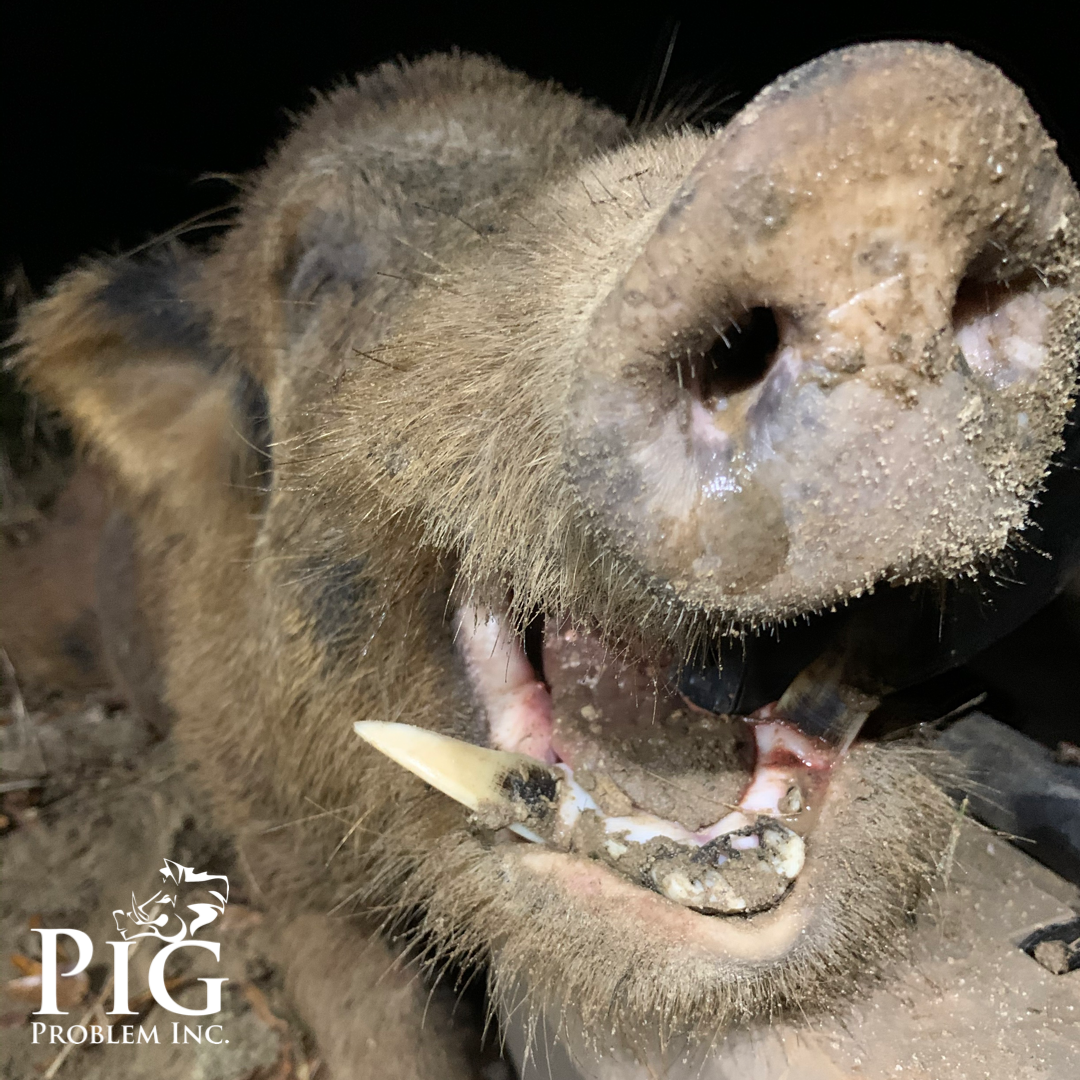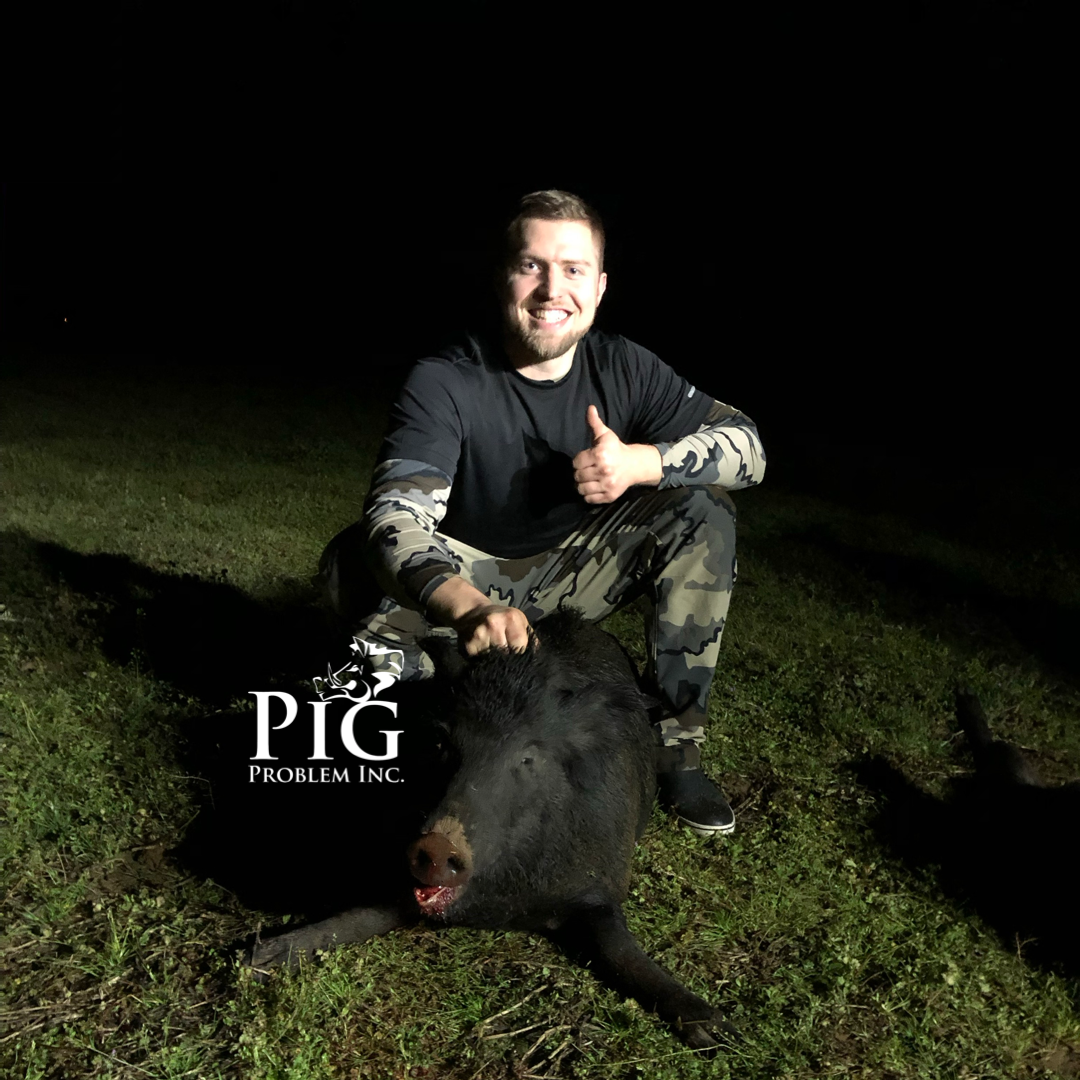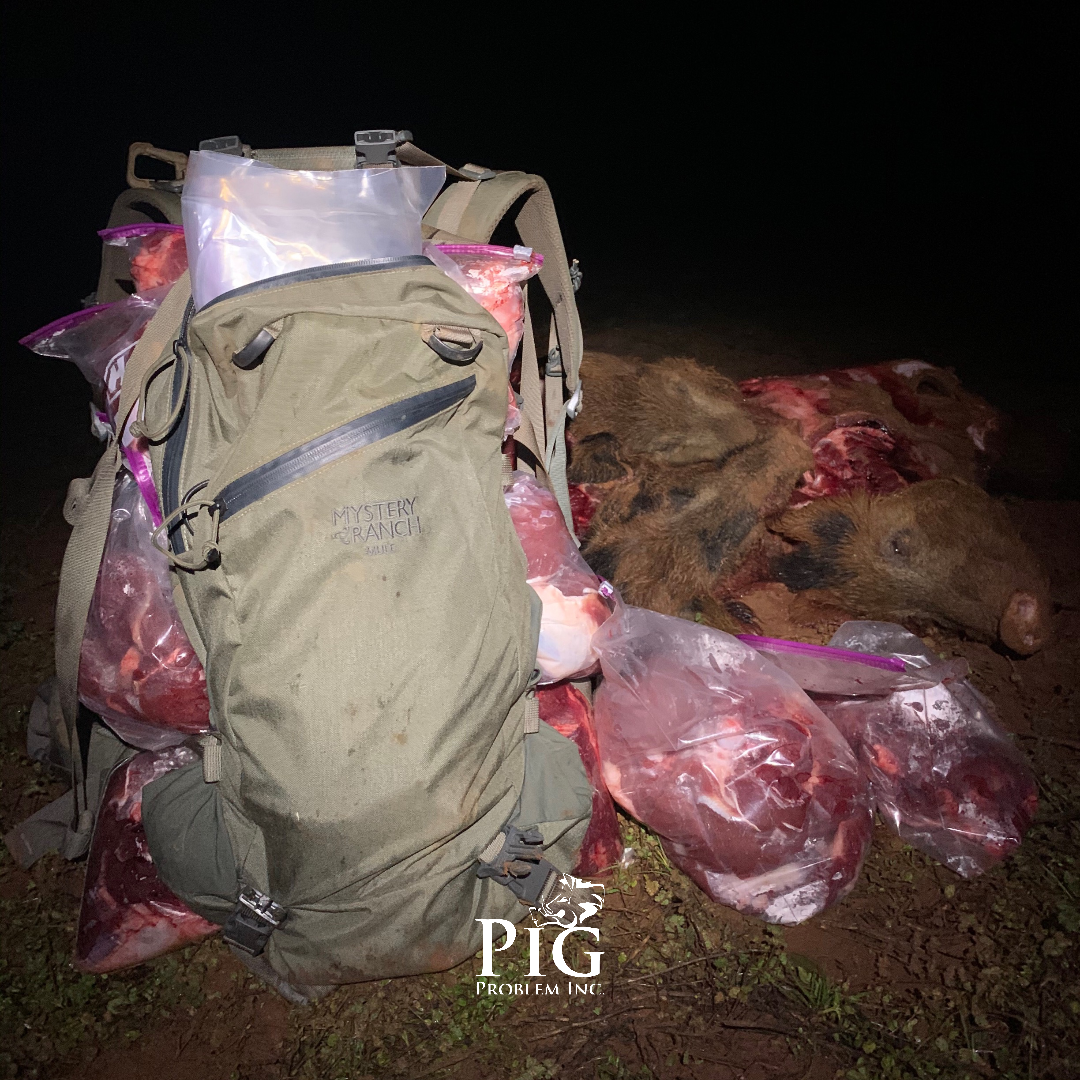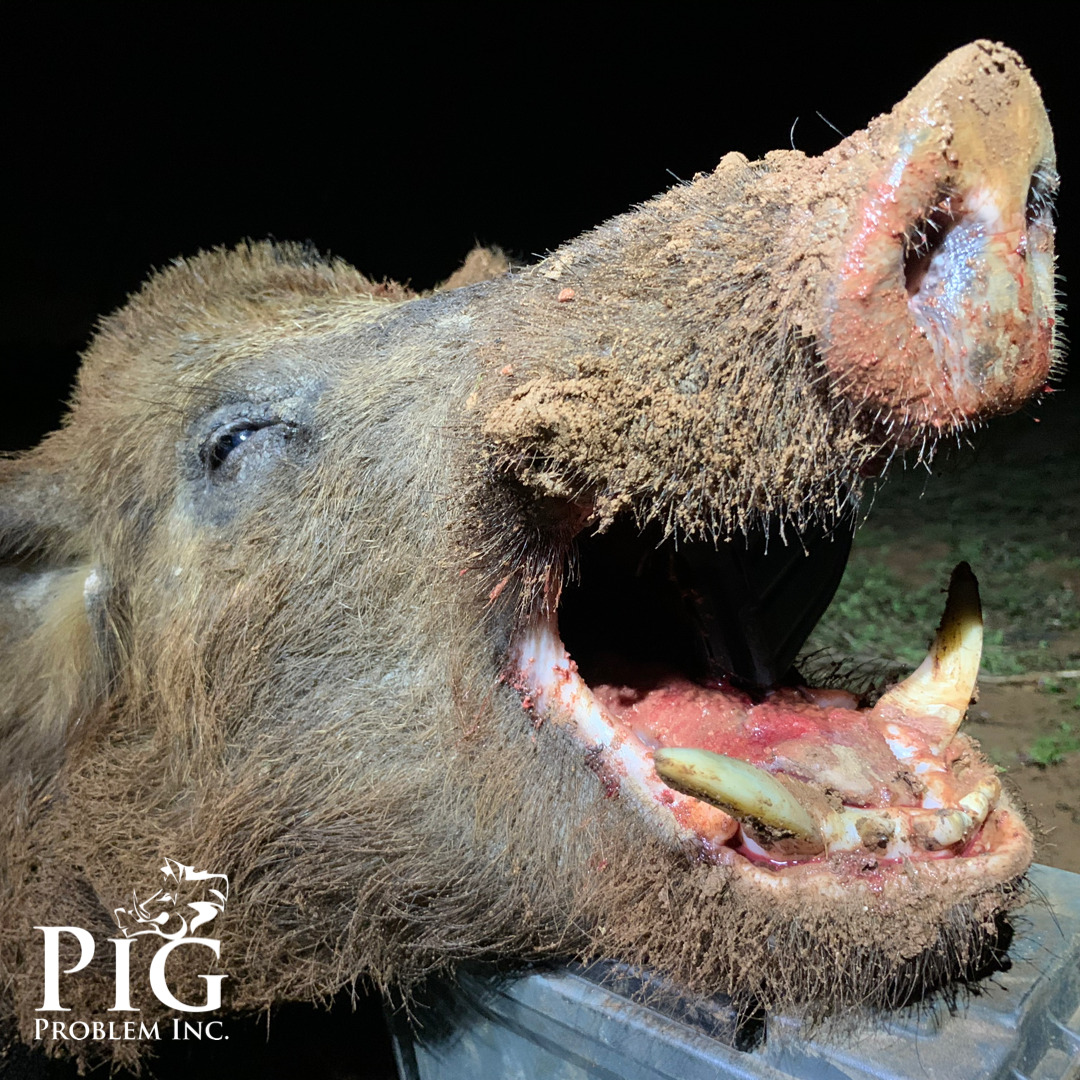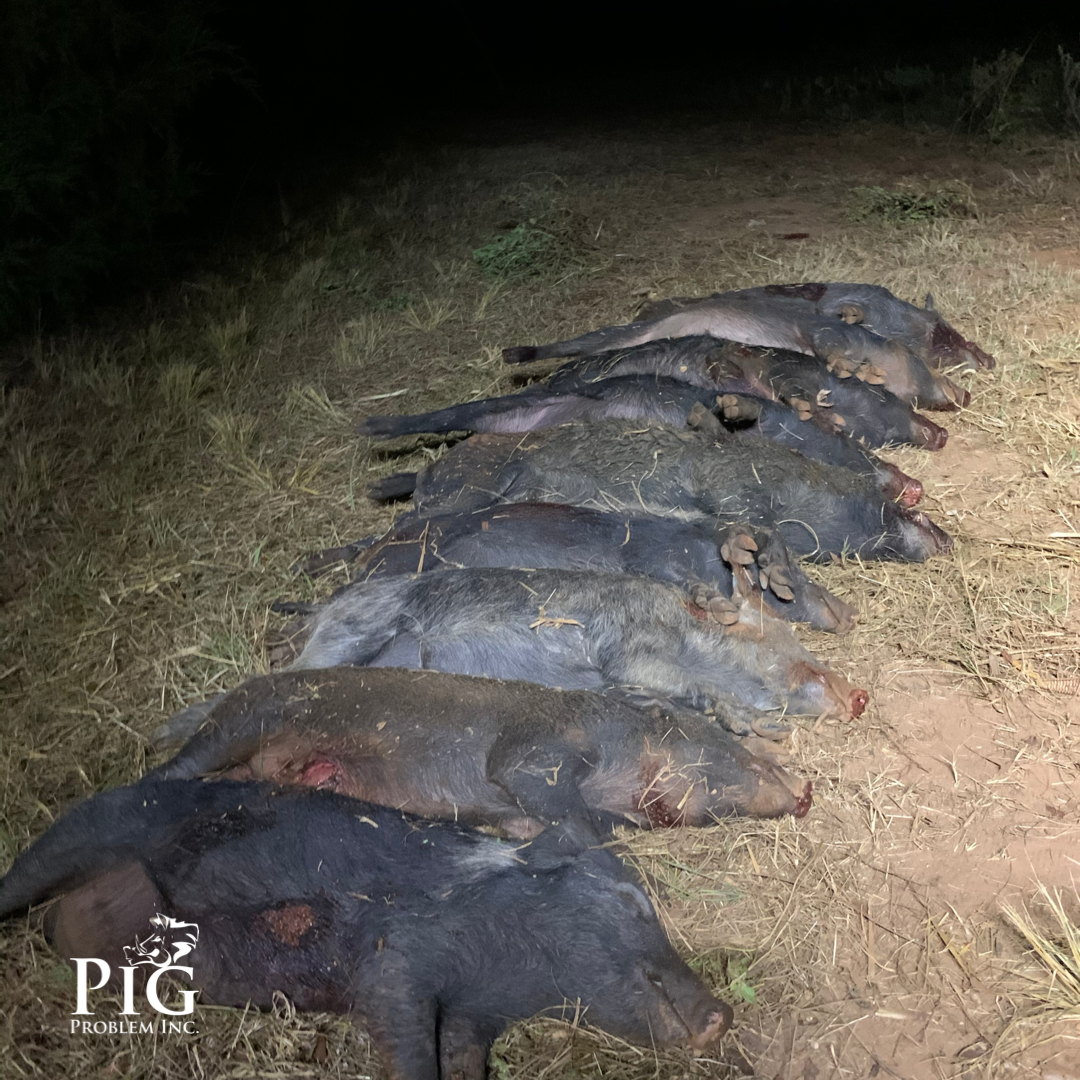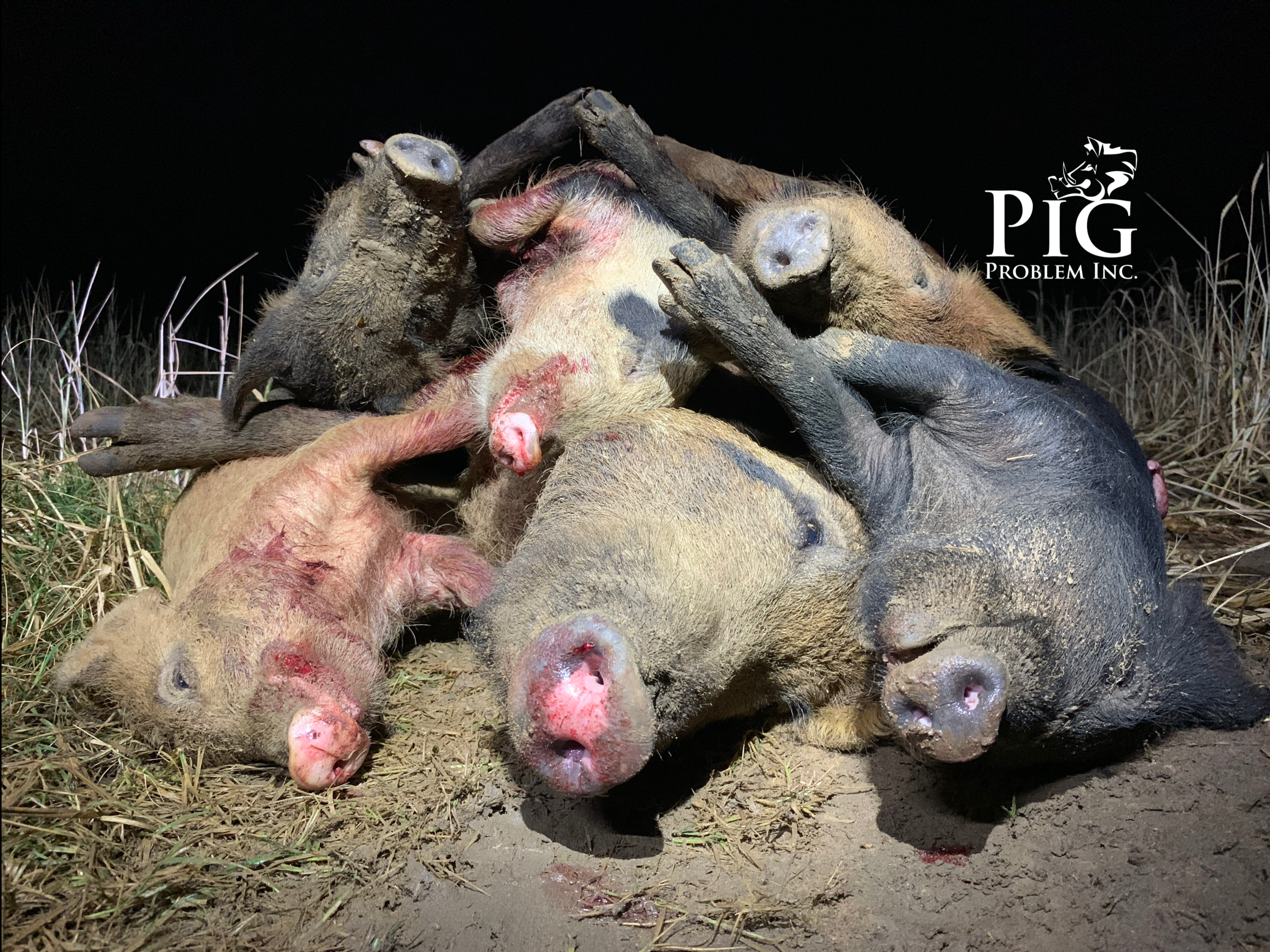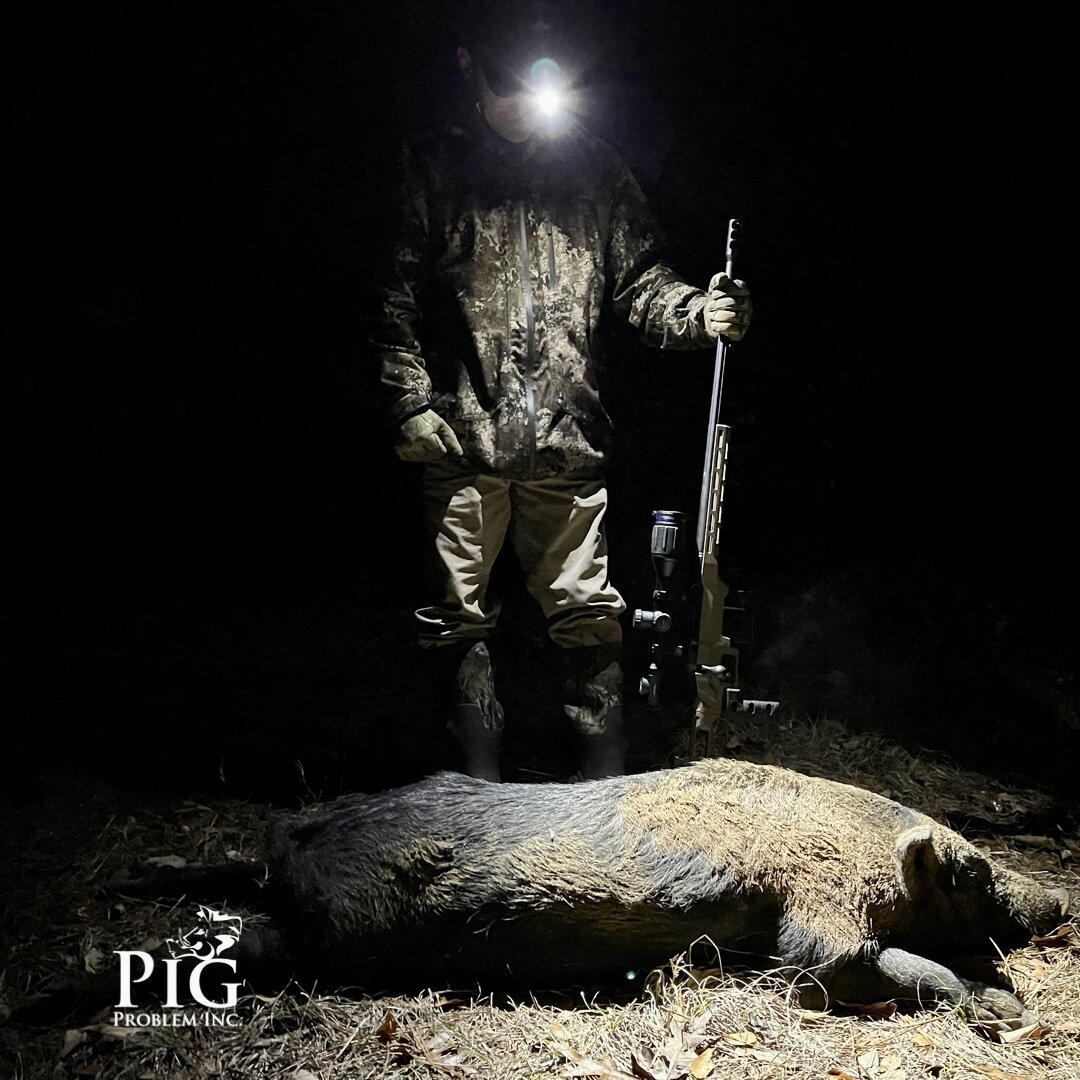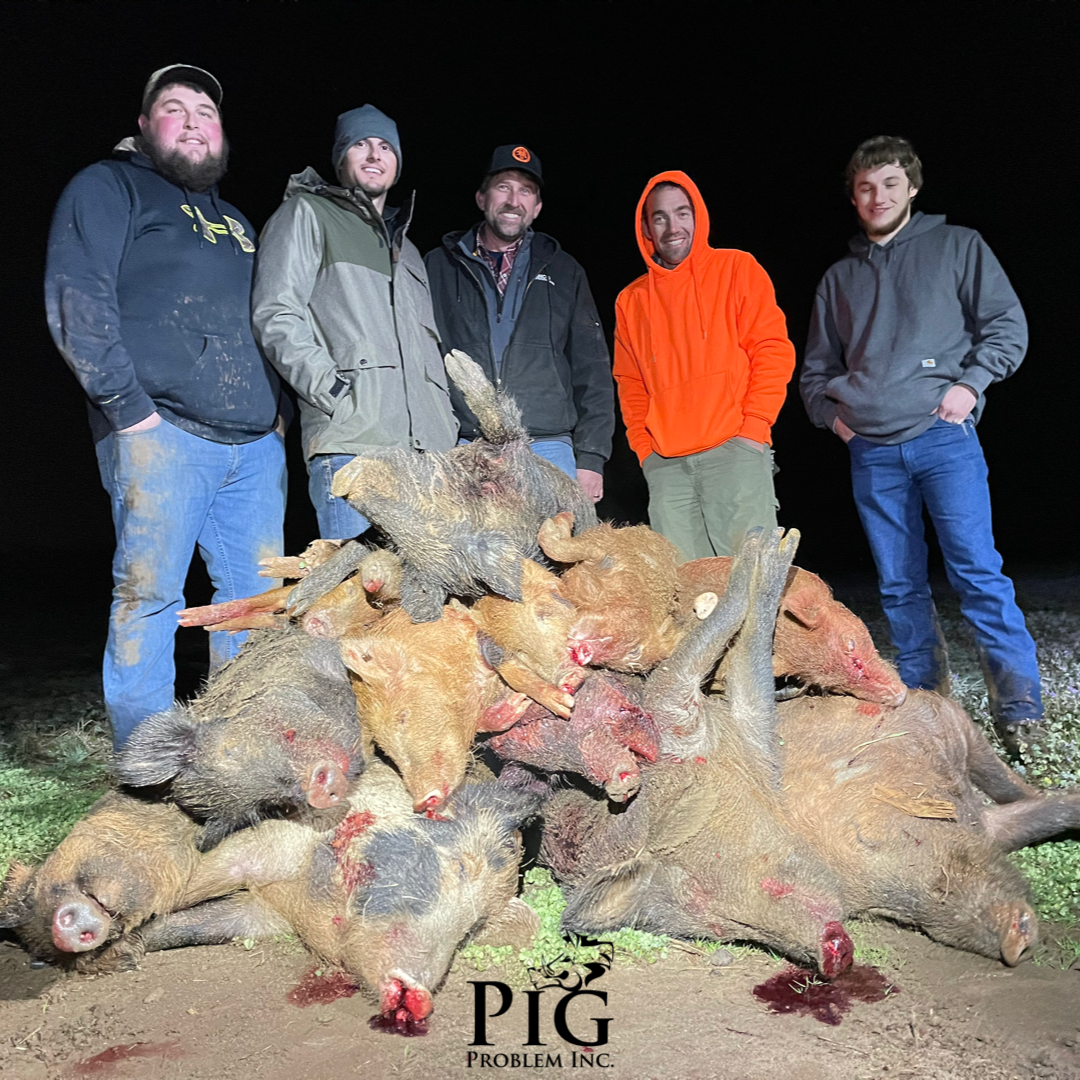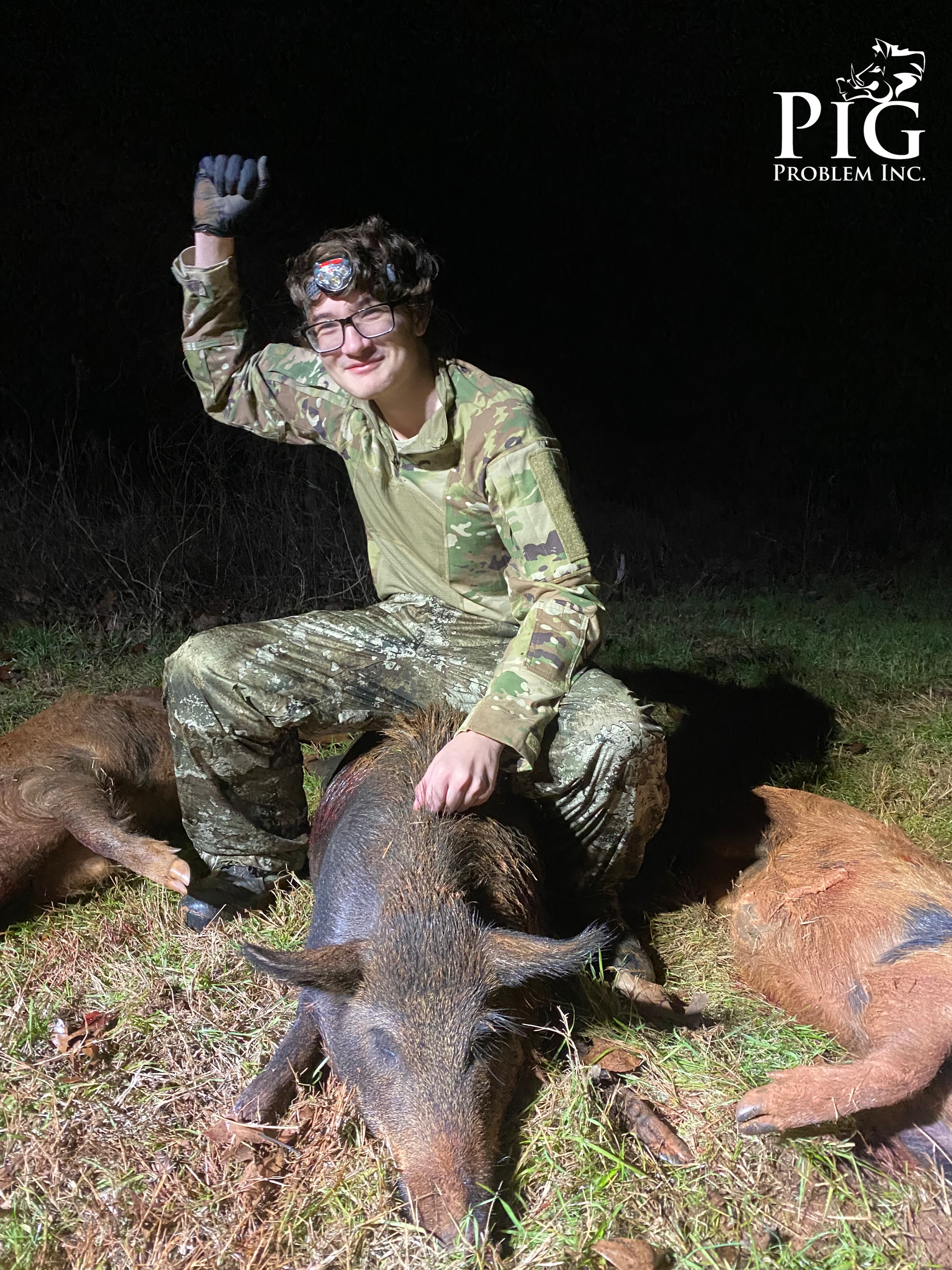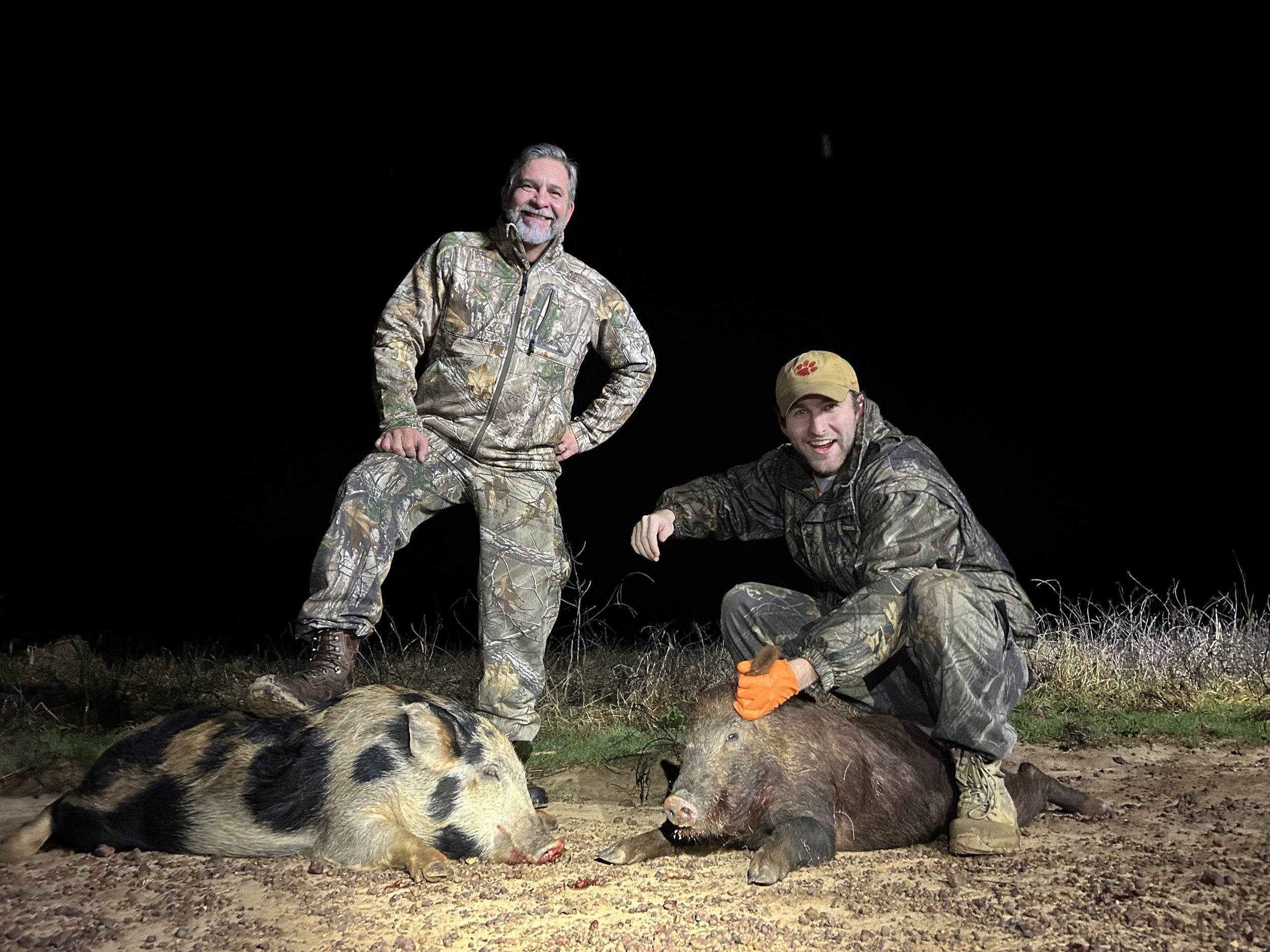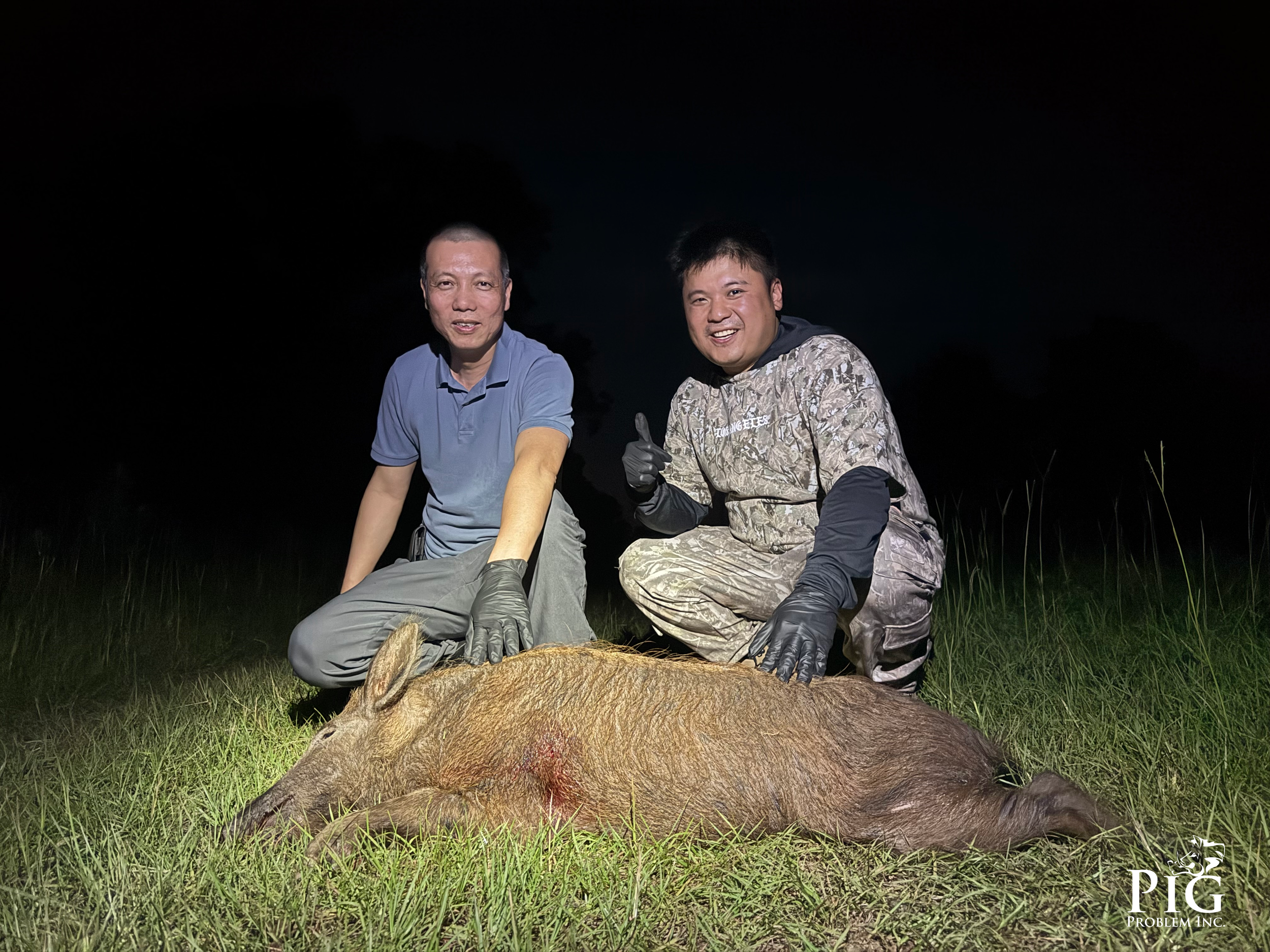
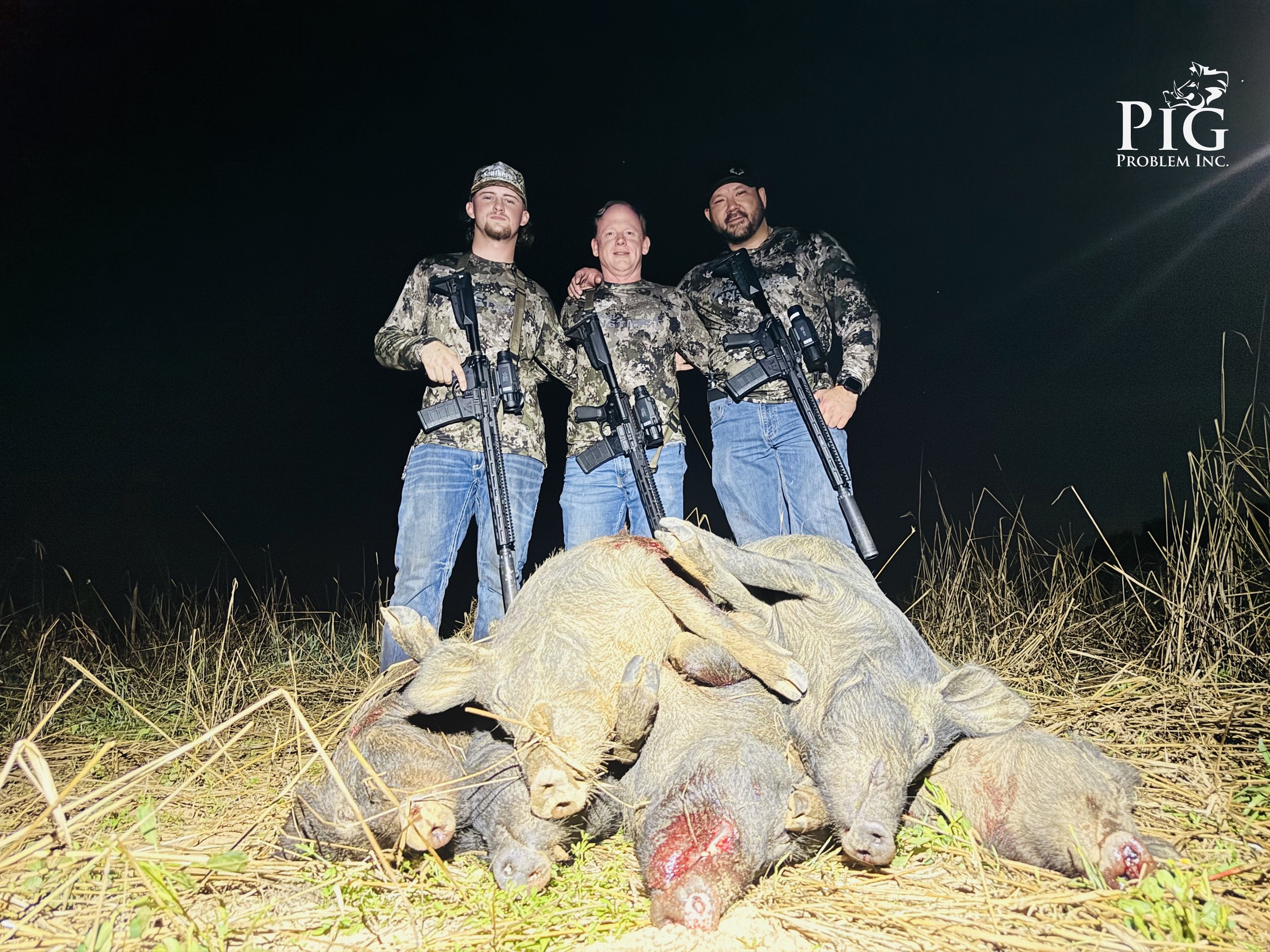
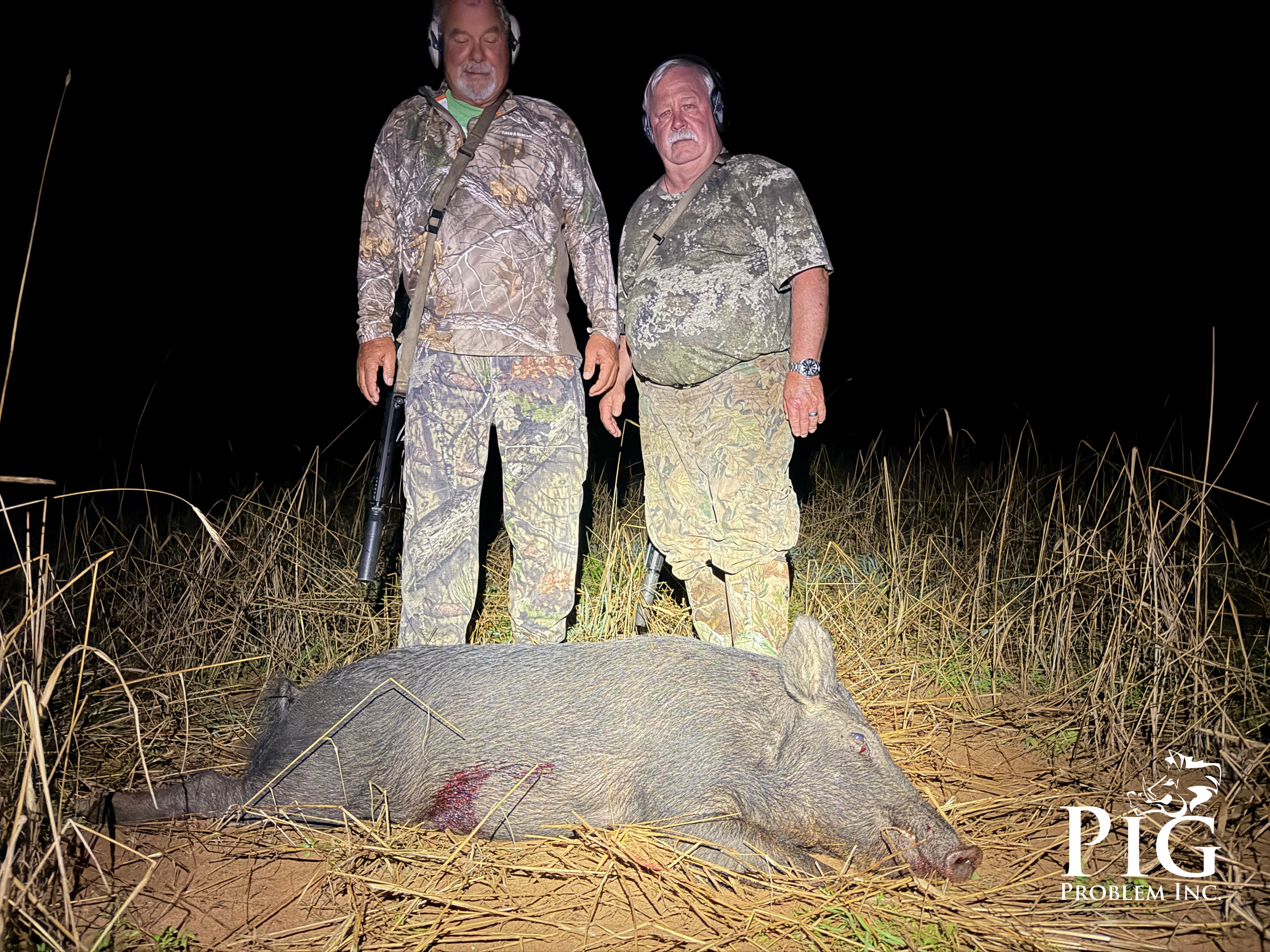
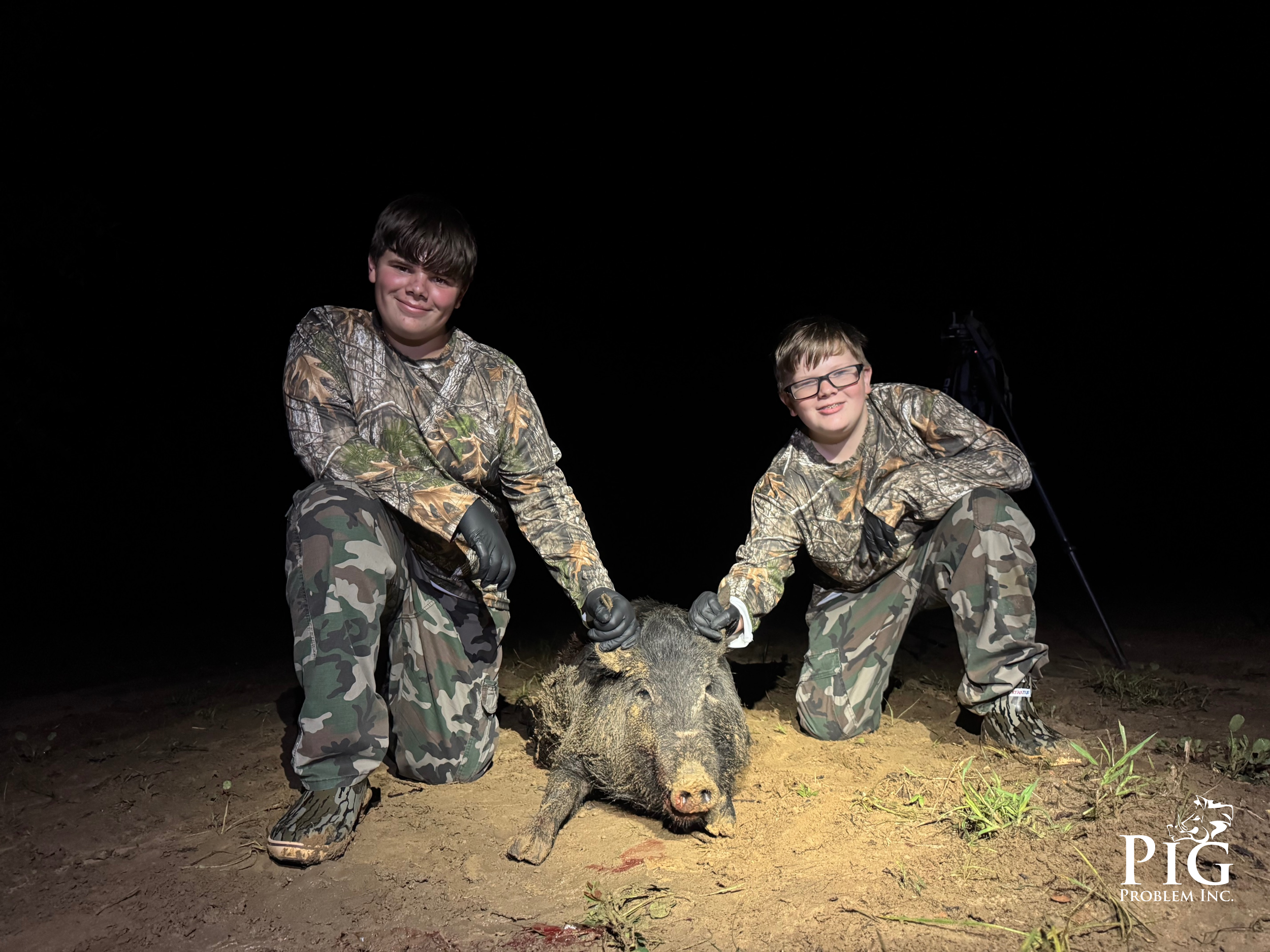

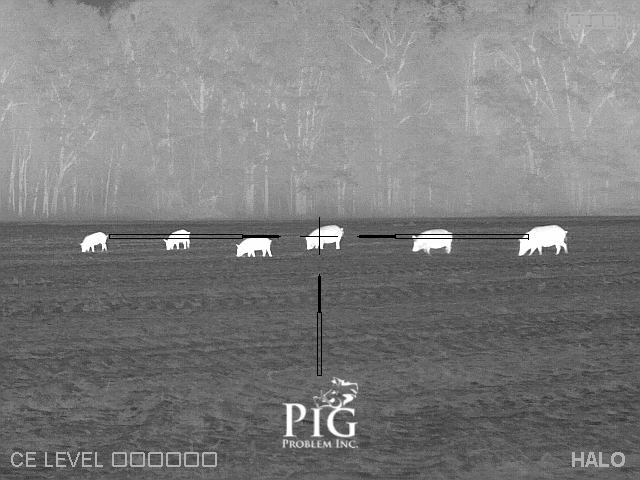
Photo: Hog Hunting In Georgia @PigProblem
Wild hogs are one of the fastest-reproducing large animals in North America. While crop damage and land destruction often get the most attention, the real reason wild hogs have become such a massive problem is how quickly their population grows.
If wild hog numbers aren’t controlled, their population can increase at an alarming rate in just a few years.
Across much of the southern United States—including Georgia—this rapid reproduction is the driving force behind the growing Feral Hog Problem.
When Wild Hogs Start Reproducing
One reason hog populations grow so quickly is that females begin reproducing at a very young age.
A female hog, called a sow, can begin breeding when she is only 6 to 8 months old. This means hogs born in one season may already be capable of producing piglets before the year is over.
Unlike many wild animals that breed during a short seasonal window, wild hogs can reproduce year-round when food and habitat conditions are good.
How Many Piglets Do Wild Hogs Have?
Wild hogs typically produce 4 to 12 piglets per litter, though the average litter size is usually around 5 to 6 piglets.
Even more concerning is that a sow can produce two litters per year under the right conditions.
This means a single female hog could potentially produce 10 or more piglets in just one year.
When multiple sows exist within the same group, the population growth becomes extremely rapid.
The Wild Hog Population Explosion
Wild Hogs usually travel in family groups called sounders, which often include several adult females and their young.
Because multiple sows within a sounder can reproduce at the same time, a small group of hogs can quickly turn into a large population.
Wildlife experts often estimate that hog populations can increase by 100% to 200% in a single year if they are not controlled.
In other words, a property with 20 hogs this year could potentially have 40 or even 60 hogs the next year if nothing is done to reduce their numbers.
Over several years, that growth becomes exponential.
Wild hog reproduction is one of the main reasons they cause so much damage across the country. If you want to learn more about the destruction they cause to farms and land, read our article on why wild hogs are the most destructive animal in America.
The Pig Problem in Georgia
The rapid reproduction of wild hogs is one of the main reasons they have spread across most of Georgia.
South Georgia in particular offers ideal conditions for Feral Hogs. The region has:
Abundant farmland
Thick cover and river bottoms
A year-round food supply
Agricultural crops such as corn, peanuts, cotton, and soybeans provide a constant food source for hogs, allowing populations to grow quickly.
Because food is plentiful and winters are mild, sows in this region often produce litters regularly.
Without control efforts, hog numbers in agricultural areas could grow extremely quickly and cause major damage to farmland.
What Happens If Hog Populations Aren’t Controlled
Because of their reproductive rate, wild hog populations can explode if they are left unmanaged.
Studies and wildlife management models suggest that if hog populations were completely left alone, their numbers could grow three to four times larger within just a few years.
In agricultural areas like South Georgia, that would mean significantly more crop destruction, rooting damage, and competition with native wildlife.
This is why wildlife agencies, landowners, and farmers often rely on active population control methods, including trapping and hunting.
Why Population Control Matters
Controlling wild hog numbers is not about eliminating them entirely—it’s about slowing the rapid growth of their population.
Without regular removal of hogs from the landscape, their reproduction rate quickly replaces any losses and populations continue to grow.
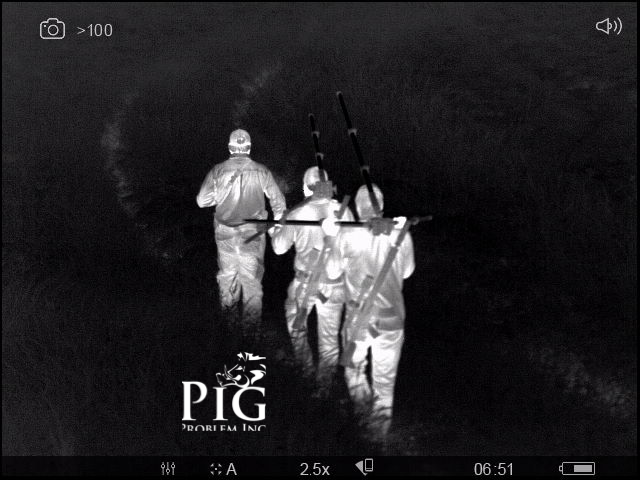
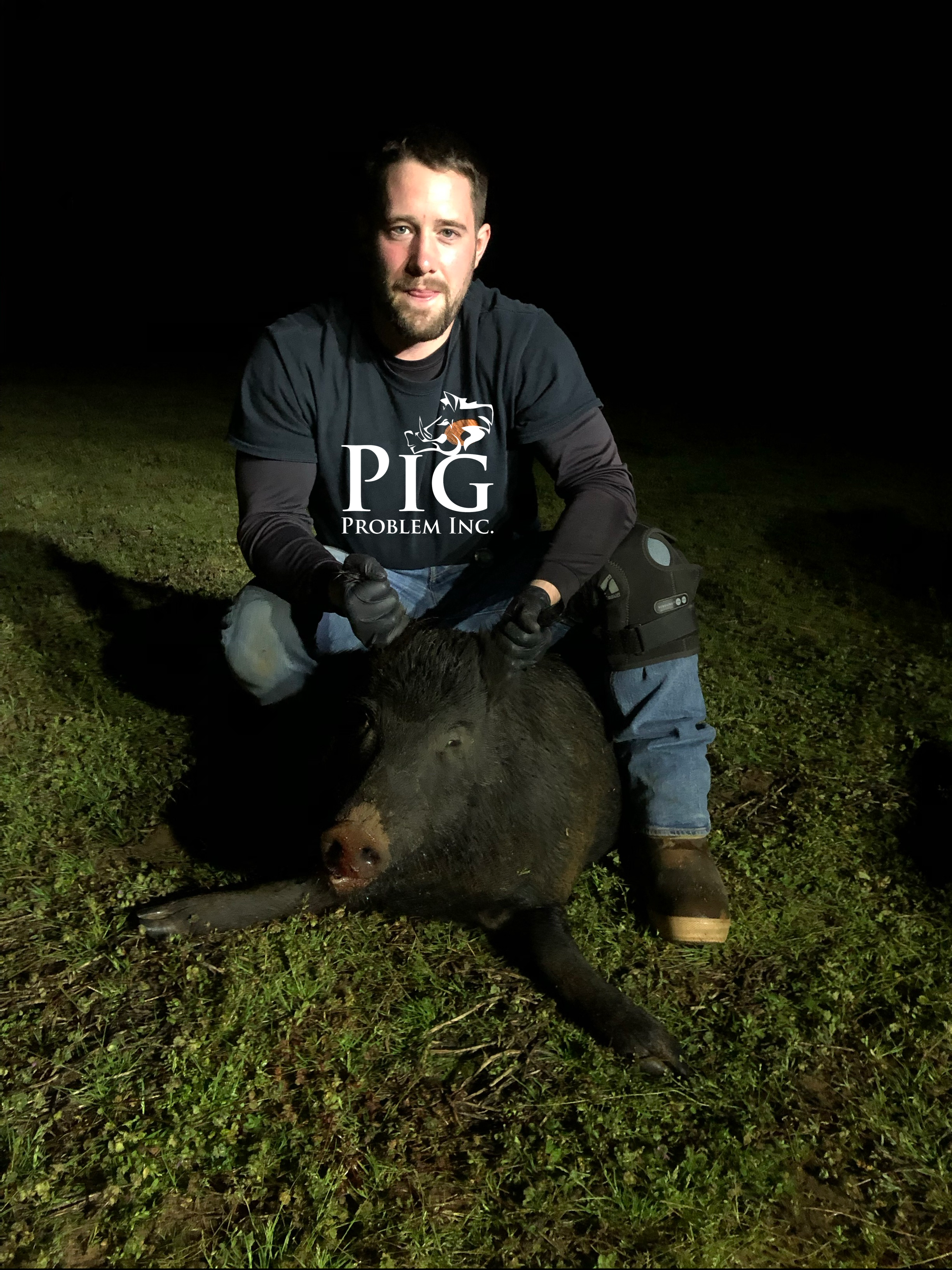
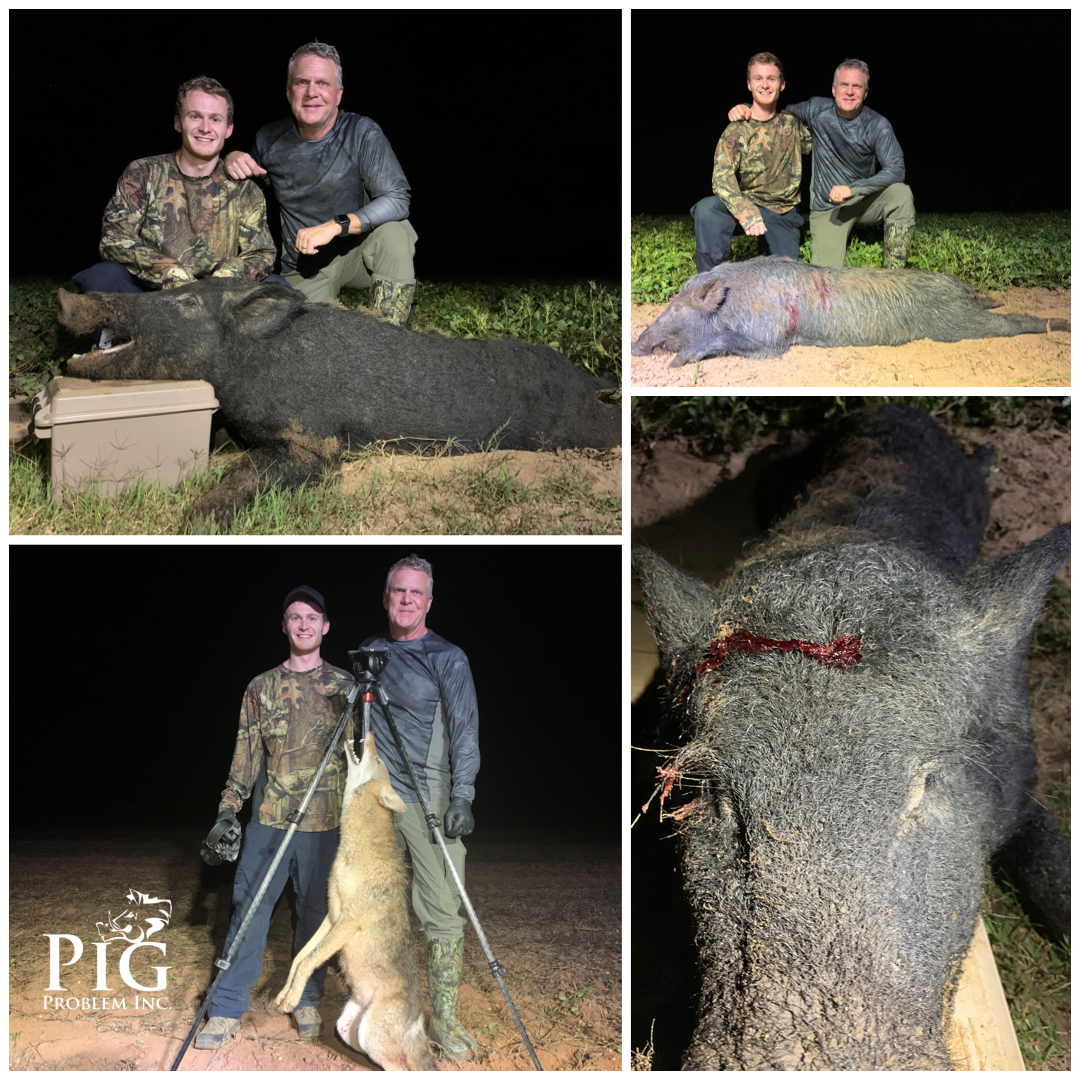
This is one reason why Night Hog Hunting has become such an important tool for managing hog populations across the South.
The guides at Pig Problem spend countless nights helping reduce hog numbers in South Georgia while giving hunters the chance to experience the excitement of Thermal Hog Hunting.
While one Hog Hunt won’t eliminate the problem entirely, every hog removed helps slow the population growth and reduce damage to farms and land.
The Real Problem
Wild hogs aren’t just destructive—they reproduce faster than most control efforts can keep up with.
As long as ideal habitat and food sources exist, their population will continue to grow unless active steps are taken to manage it.
And in places like South Georgia, where farmland and mild weather provide the perfect environment, that rapid reproduction is exactly what keeps the pig problem growing.
Wild hog populations continue to grow across South Georgia. If you want to experience the excitement of Wild Hog Hunting while helping reduce hog numbers, book your hunt at Pig Problem.