Pig Problem Inc

Why Wild Hogs Are the Most Destructive Animal in America

Across the United States, one animal is causing billions of dollars in damage every year—and it isn’t a predator like a coyote or mountain lion. The real culprit is the wild hog.
Hog Hunting In Georgia

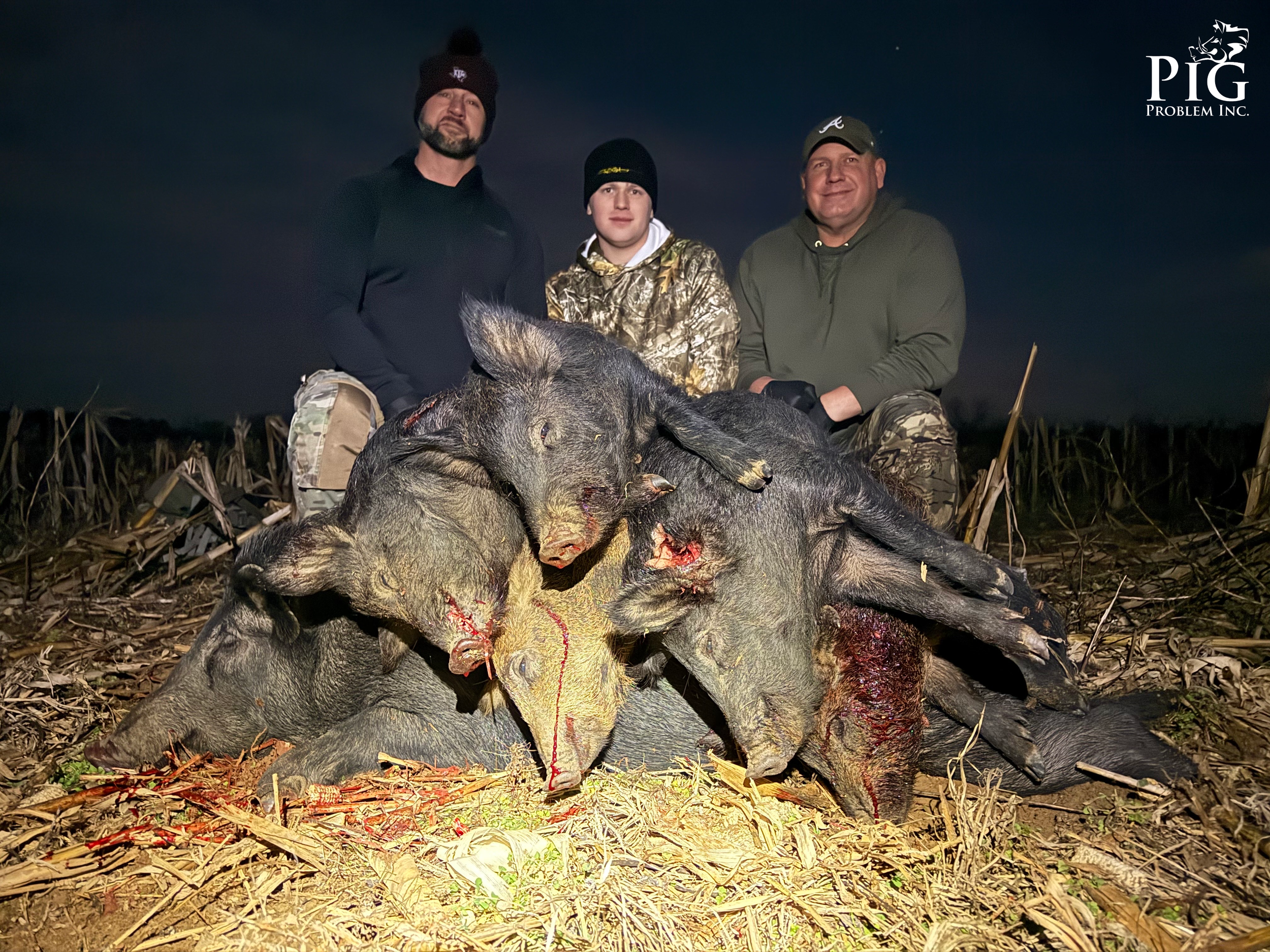
Photo: Hog Hunting Georgia @PigProblem

Wild Hogs, also called feral hogs or feral pigs, are widely considered the most destructive invasive species in the country. Their population continues to explode, and the damage they cause to farms, forests, and ecosystems grows every year.

Today, wild hogs can be found across much of the United States, and in many areas they have become a serious problem for farmers, landowners, and wildlife managers.

Where Wild Hogs Are a Problem in the United States

Wild hog populations exist in at least 35 states, but the heaviest concentrations are found in the southern United States.

Some of the states with the largest wild hog populations include:

  • Texas

  • Georgia

  • Florida

  • Oklahoma

  • Alabama

  • South Carolina

  • Mississippi

  • Louisiana

  • Arkansas

  • California

Warm climates, abundant food, and thick cover allow hog populations to grow rapidly in these areas.

Unlike native wildlife, wild hogs are extremely adaptable. They thrive in farmland, forests, wetlands, river bottoms, and even suburban areas. This adaptability makes controlling their population extremely difficult.

Why Wild Hogs Are So Destructive

Wild hogs cause damage in several ways.

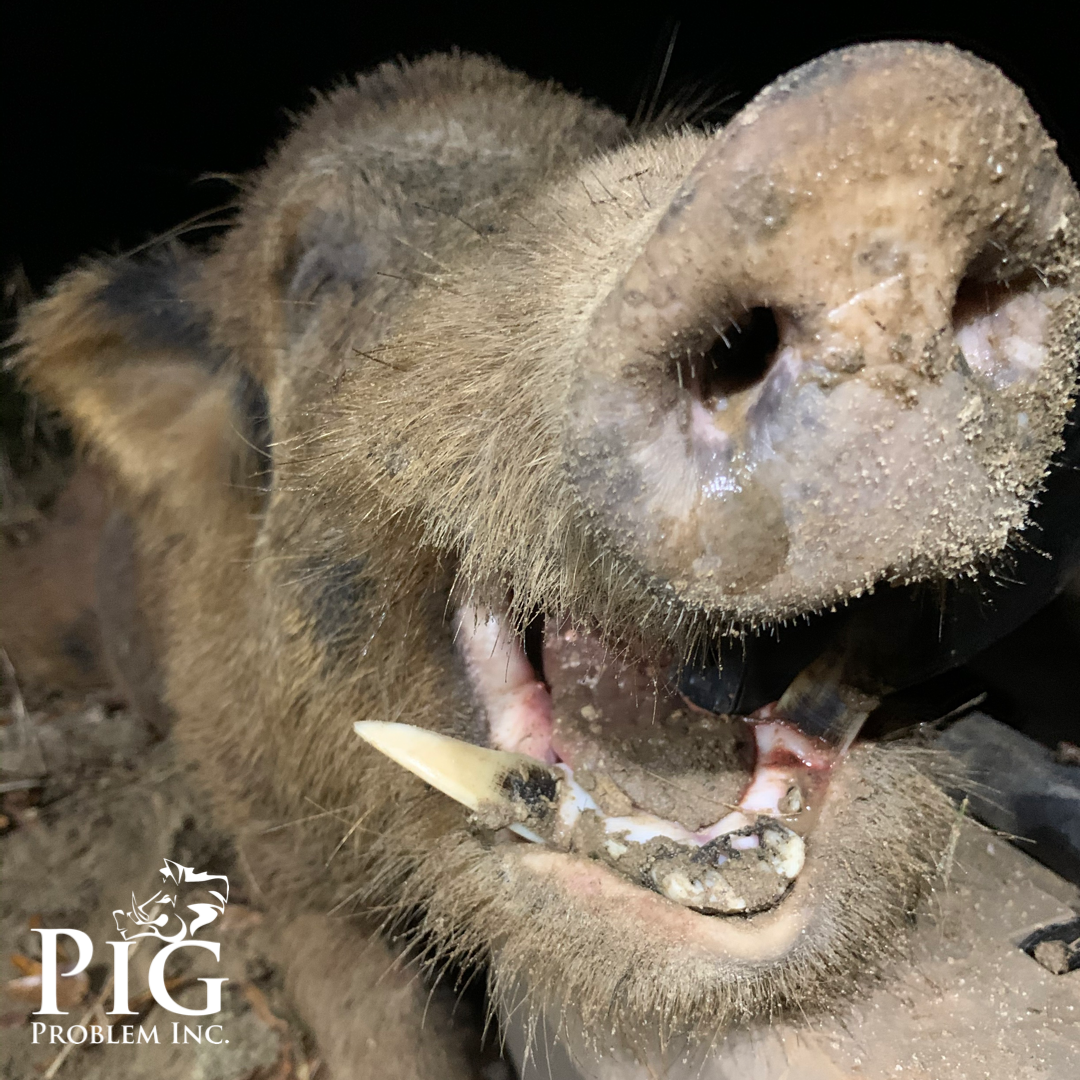
First, they root up the ground while searching for food. Using their powerful snouts, hogs dig into soil looking for roots, insects, grubs, and seeds. This behavior tears up fields, destroys crops, and leaves land looking like it has been plowed overnight.
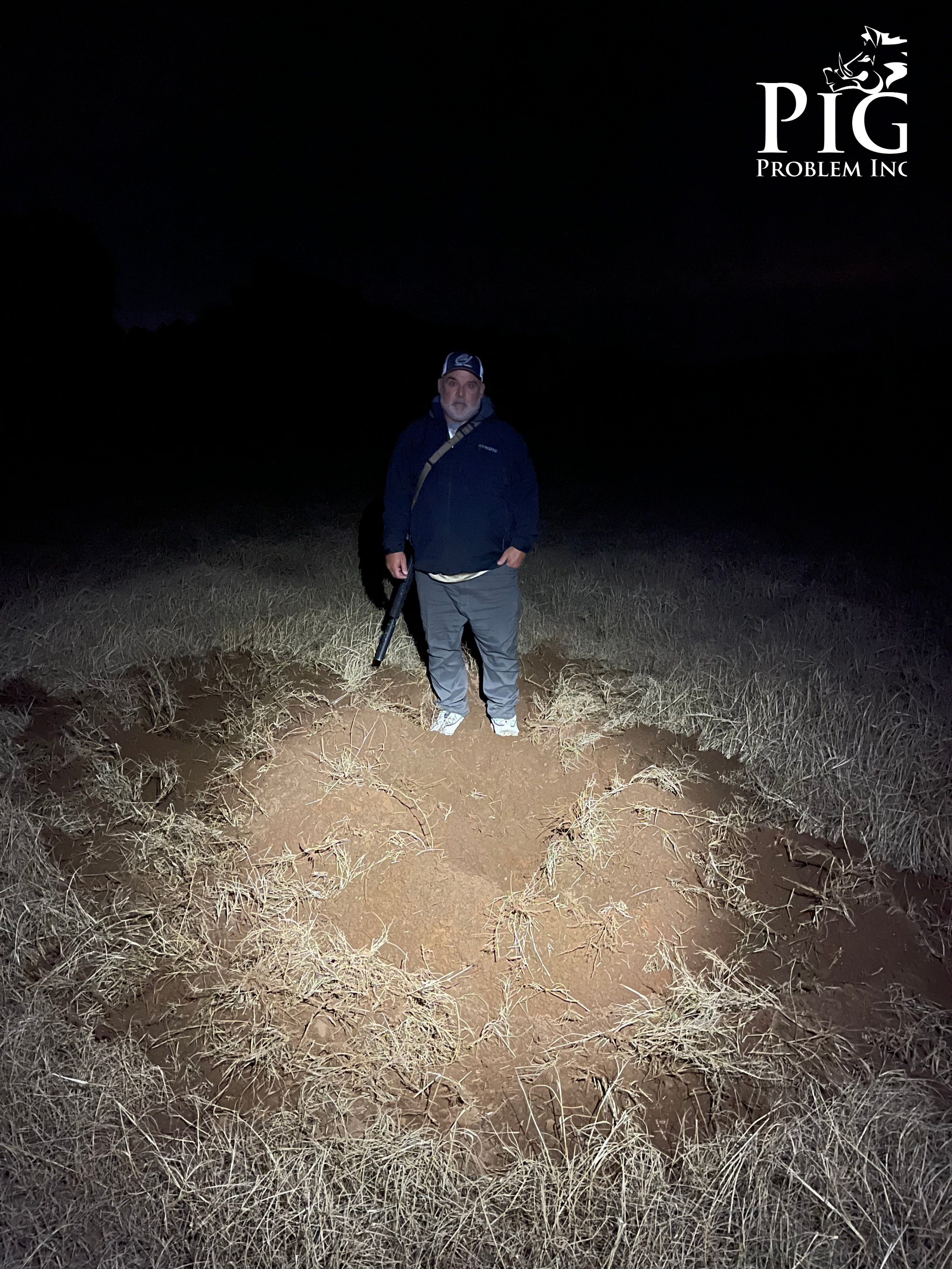
Wild Hog Destruction

Photo: Feral Hogs Destroying Fields @PigProblem

Second, wild hogs eat anything. Remember when your great grandmother (that may or may not have been a little over weight) would tell you “I’ll eat anything that doesn’t eat me first”. Well that’s how feral hogs are too. They are opportunistic omnivores and consume crops, nuts, worms, fruits, small animals, bird eggs, deer fawns, and even them selves… Yes they are cannibals. We have seen it in action.
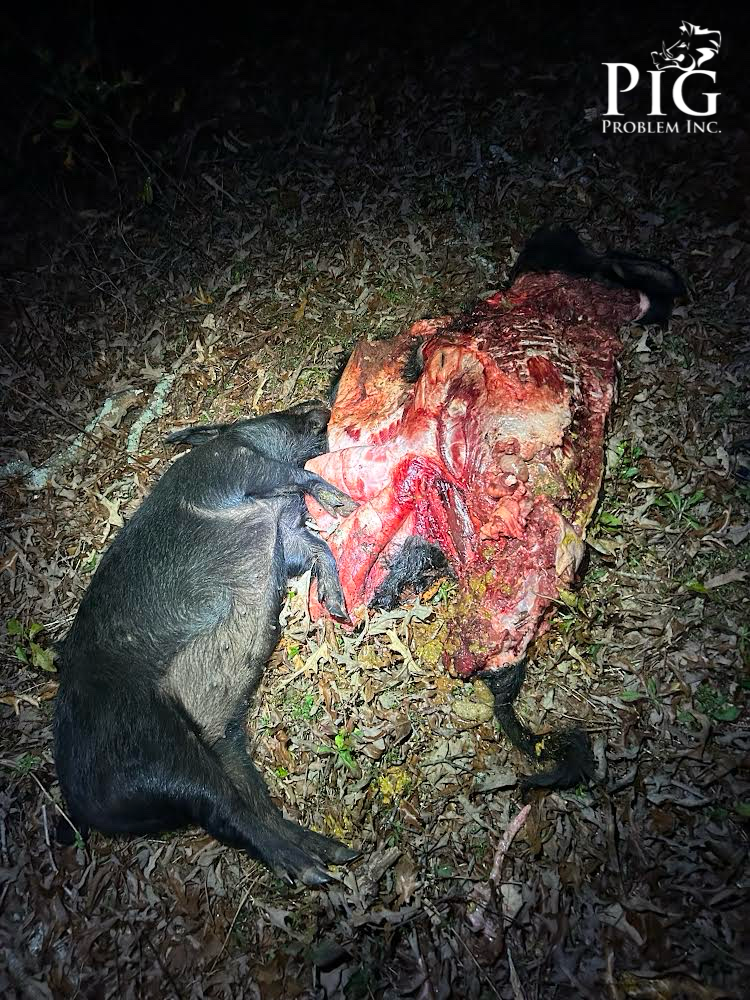
Feral Hogs Are Cannibals

Photo: Feral Hogs Are Cannibals @PigProblem

Third, hogs reproduce at an alarming rate. A single sow can produce two litters per year, with each litter containing 4–12 piglets. Because of this rapid reproduction, populations can grow faster than most control methods can keep up.

The result is widespread agricultural damage and serious ecological impacts.

The Growing Pig Problem in Georgia

In the southeastern United States, few places feel the impact of wild hogs more than Georgia.
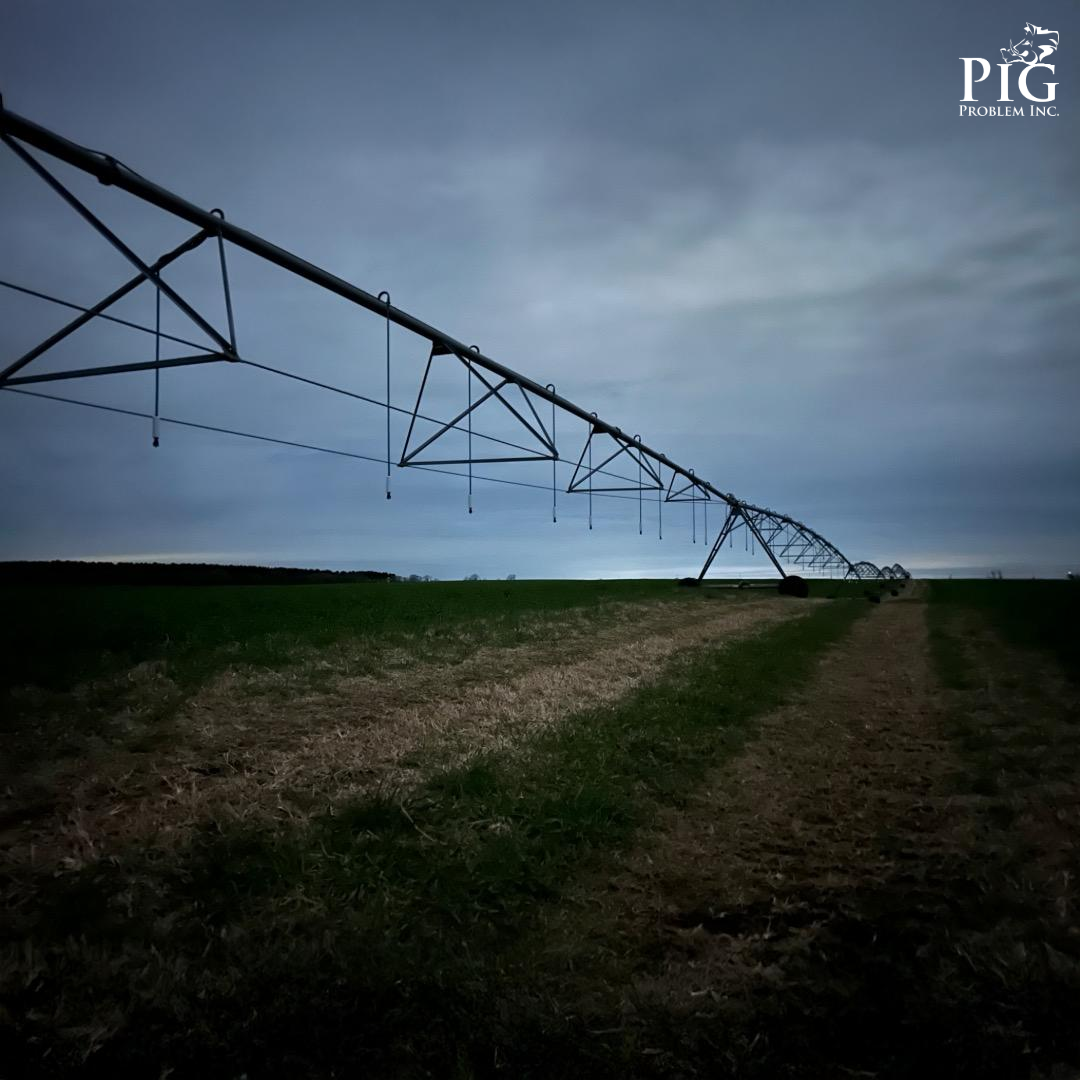
South Georgia Farm Field

Photo: South Georgia Farm Field @PigProblem

Georgia’s warm climate, abundant farmland, and river systems create perfect habitat for feral hogs. Over the past few decades, their population has expanded across nearly the entire state.

For farmers in South Georgia, the problem can be especially severe.
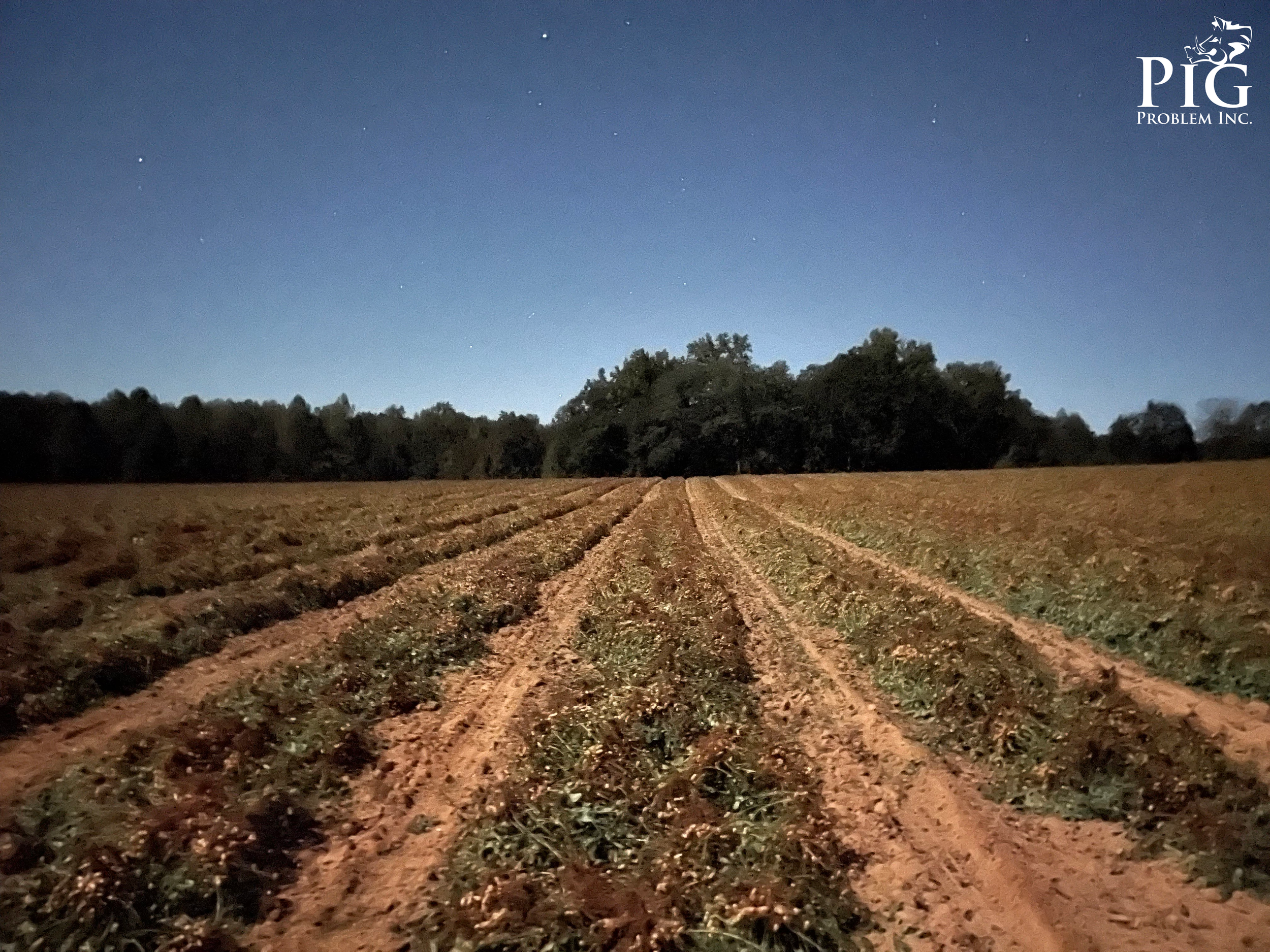
Georgia Peanut Field

Photo: Georgia Peanut Field @PigProblem

This region produces large amounts of crops like:

  • Corn

  • Peanuts

  • Cotton

  • Soybeans

Unfortunately, these crops are also some of a hog’s favorite foods.

How Wild Hogs Destroy Crops in South Georgia
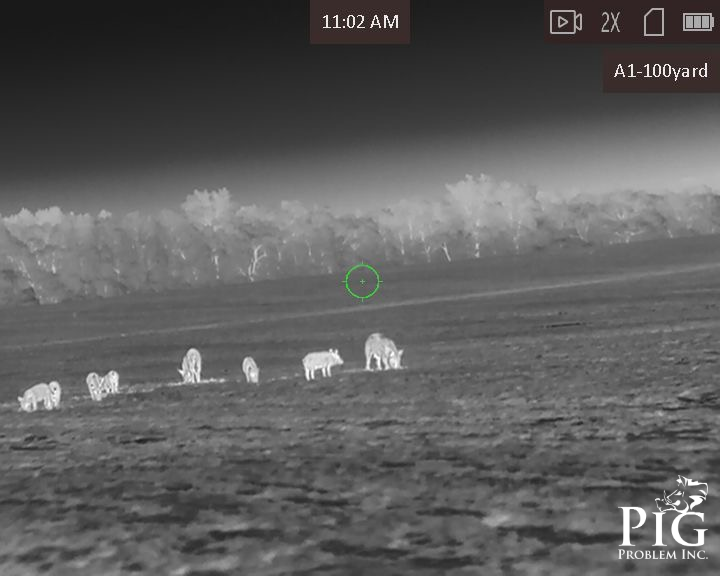
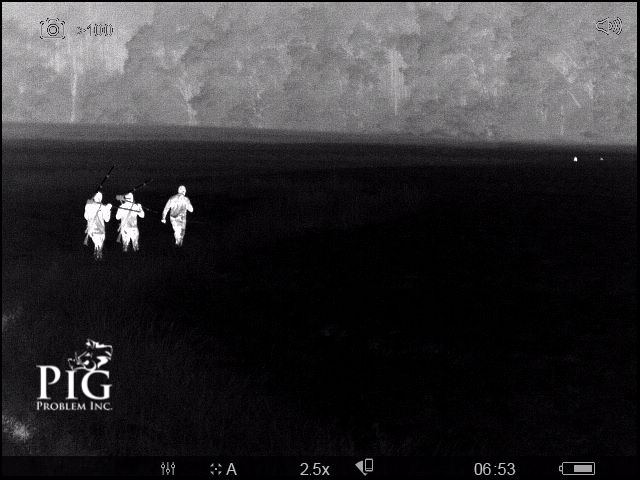
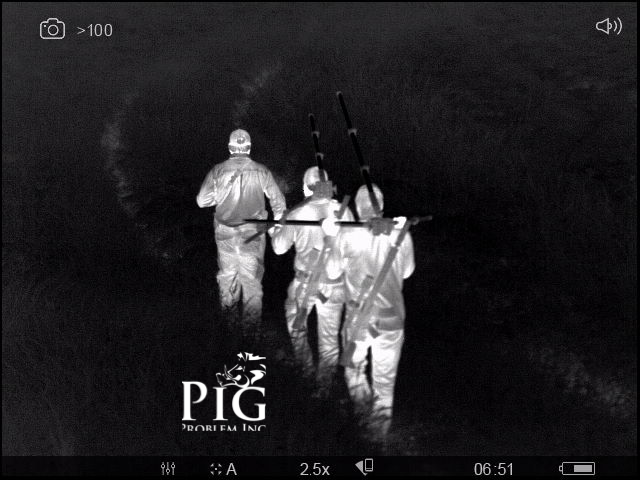
Sounder In Thermal Imaging

Photo: Thermal Hunting A Sounder Of Wild Hogs @PigProblem

Wild hogs often move into agricultural fields under the cover of darkness. Entire groups of hogs, called sounders, can enter a field and cause major destruction in a single night.

In corn fields, hogs will knock down stalks and consume the ears, leaving rows flattened and unusable.

In peanut fields, they root through the soil searching for peanuts, destroying large sections of planted acreage as they dig.

Cotton and soybean fields can also suffer heavy damage, as hogs trample plants and feed on developing crops.
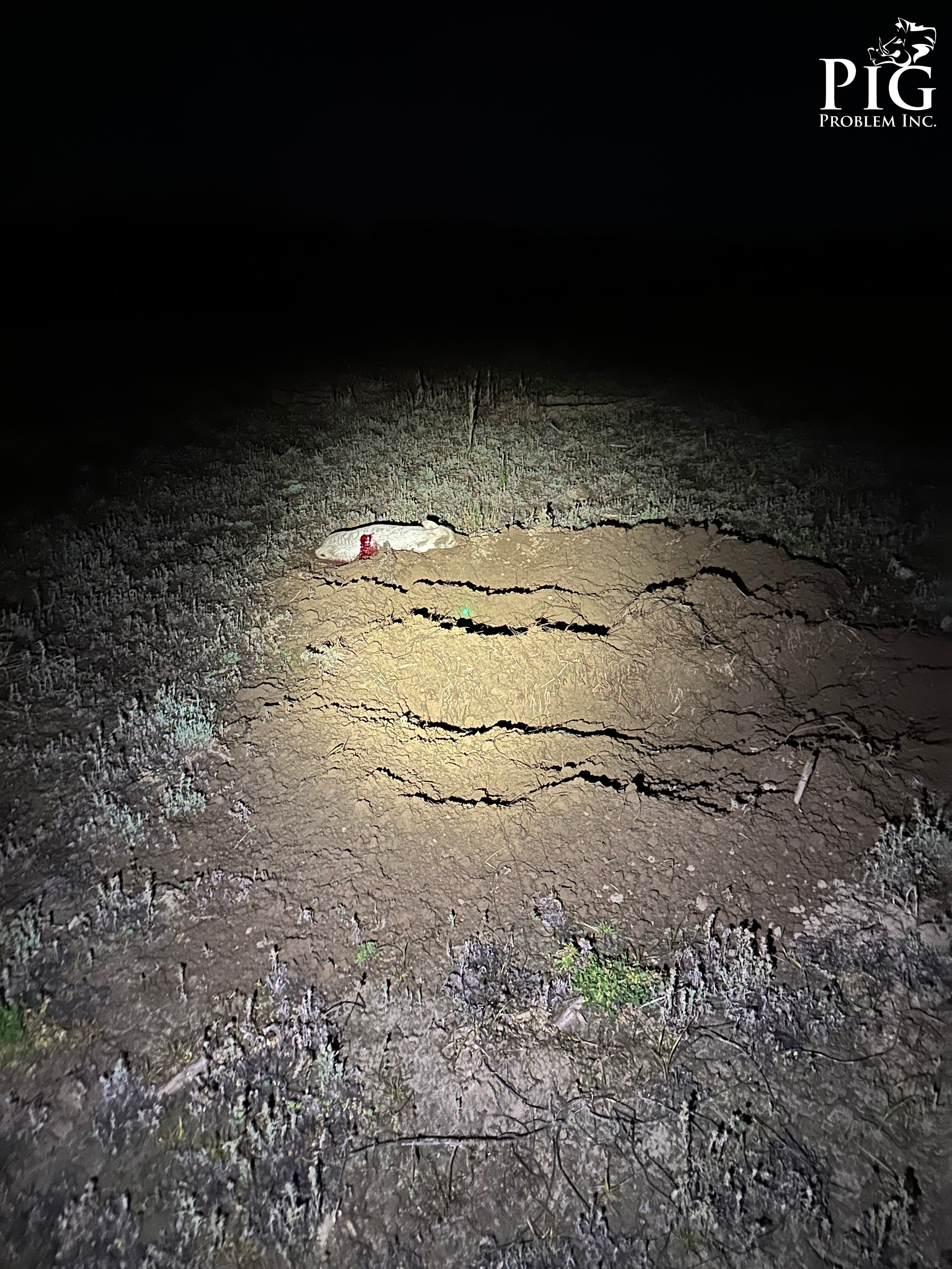
Wild Hog Damage

Photo: Wild Hog Damage @PigProblem

Even when hogs don’t eat the entire crop, their rooting behavior tears up the ground so badly that the field may require costly repairs before it can be planted again.

For many farmers, the damage caused by wild hogs isn’t just frustrating—it can represent a significant financial loss.

The Damage Happens Fast

One of the most frustrating aspects of wild hog damage is how quickly it can happen.
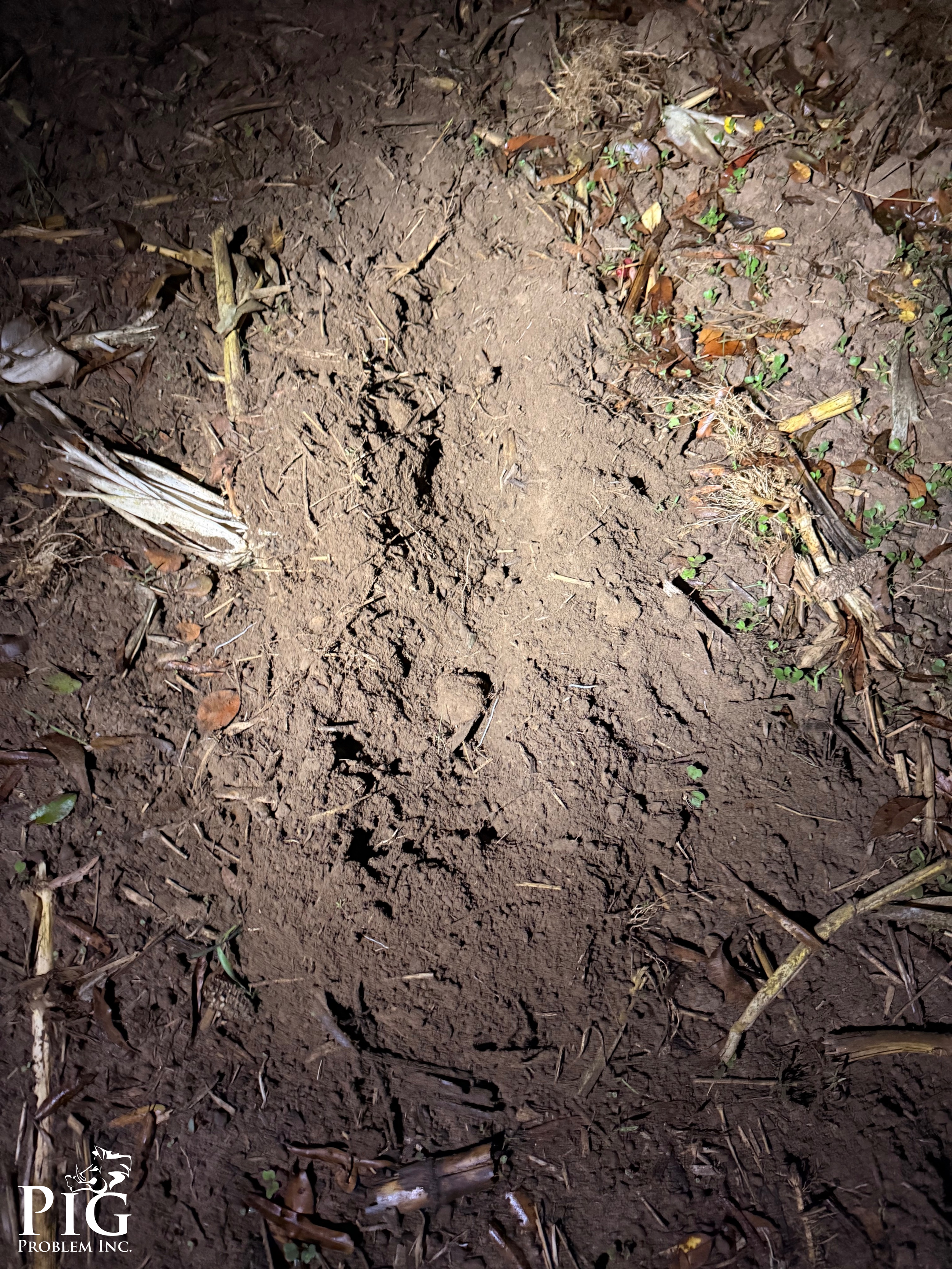
Wild Hogs Rooting

Photo: Wild Hog Rooting @PigProblem

A field that looks perfect in the evening can be heavily destroyed by morning. A sounder of hogs may contain 10, 20, or even more animals, and when they begin feeding in crops the damage multiplies quickly.
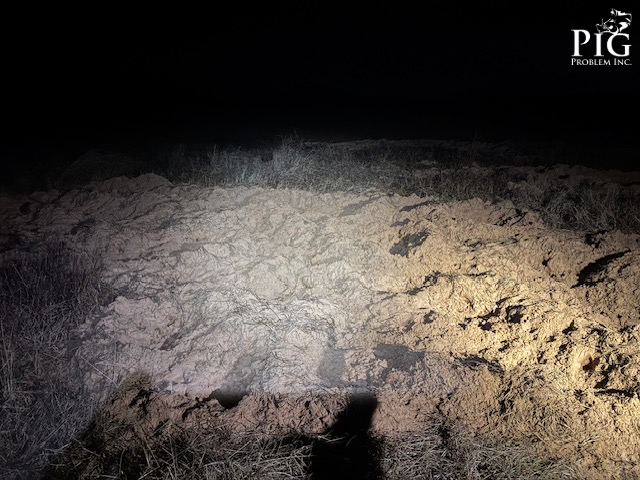
Wild Hog Major Crop Damage

Photo: Feral Hog Major Crop Damage @PigProblem

Because hogs are primarily nocturnal, much of this destruction happens at night when farmers and landowners can’t see it happening.

Why Hunting Plays an Important Role

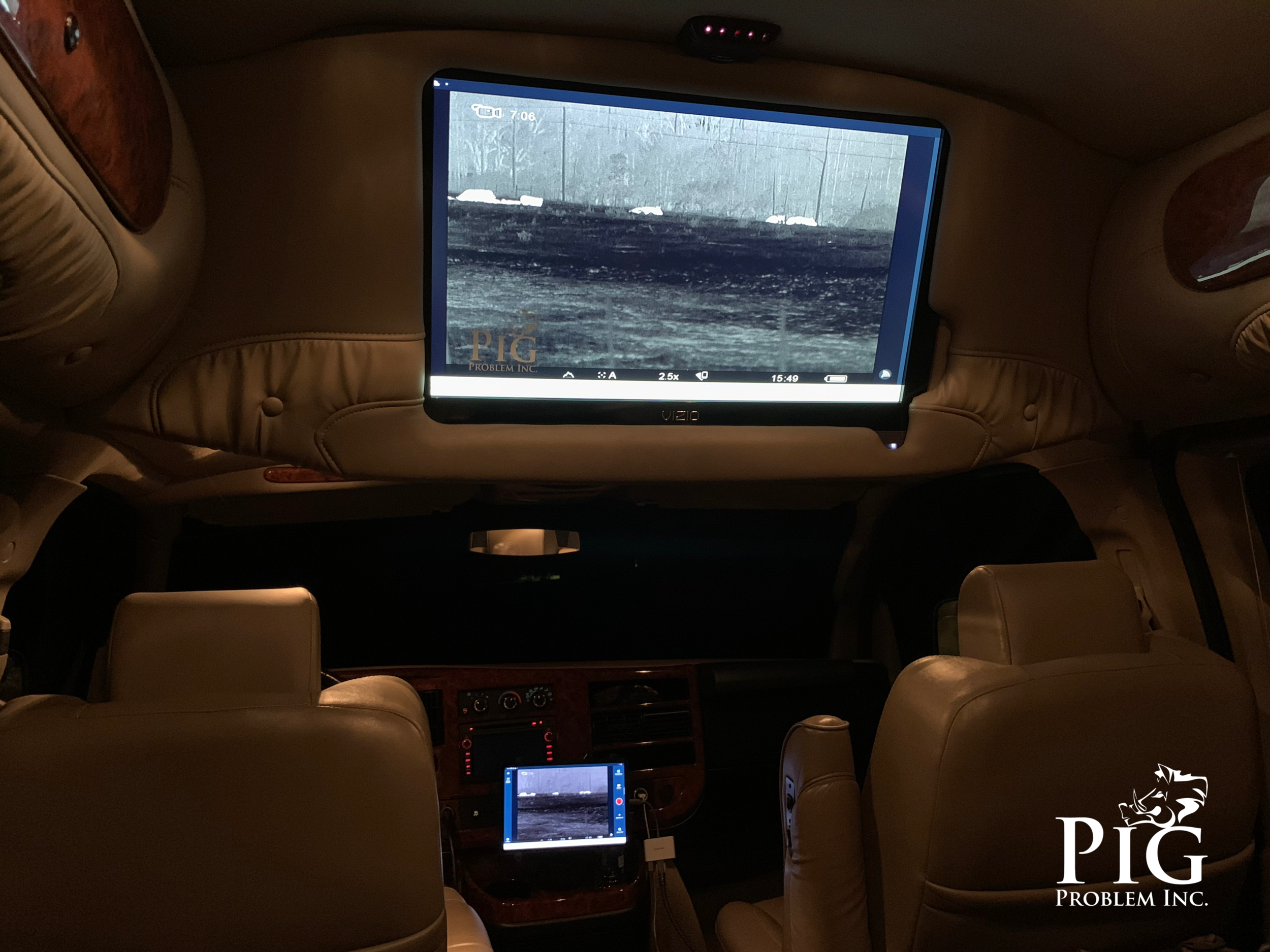
Controlling wild hog populations requires multiple strategies, including trapping and hunting. In many areas, night hunting has become one of the most effective ways to reduce hog numbers, especially on farmland where damage is occurring.
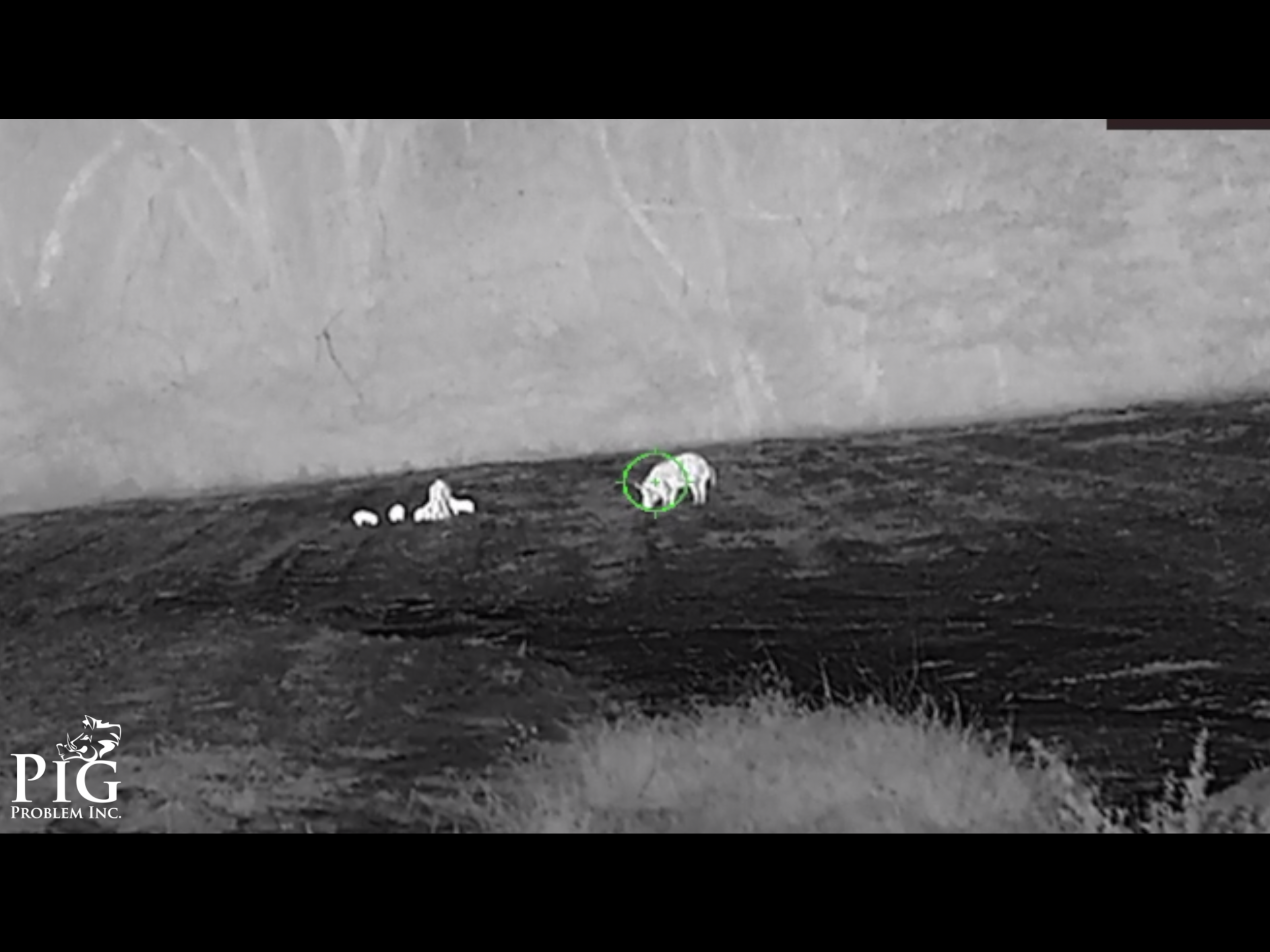
Thermal Hog Hunting

Photo: Thermal Hog Hunting @PigProblem

In South Georgia, hog hunting has become both a practical solution and an exciting outdoor experience for hunters who want to help manage this invasive species.

The guides at Pig Problem spend countless nights helping landowners reduce hog populations while giving hunters the opportunity to experience the adrenaline of a thermal night hunt.

For those who have never seen a field through thermal optics with a group of hogs moving across it, it’s an unforgettable experience—and it plays a small role in helping farmers fight the growing pig problem in Georgia.
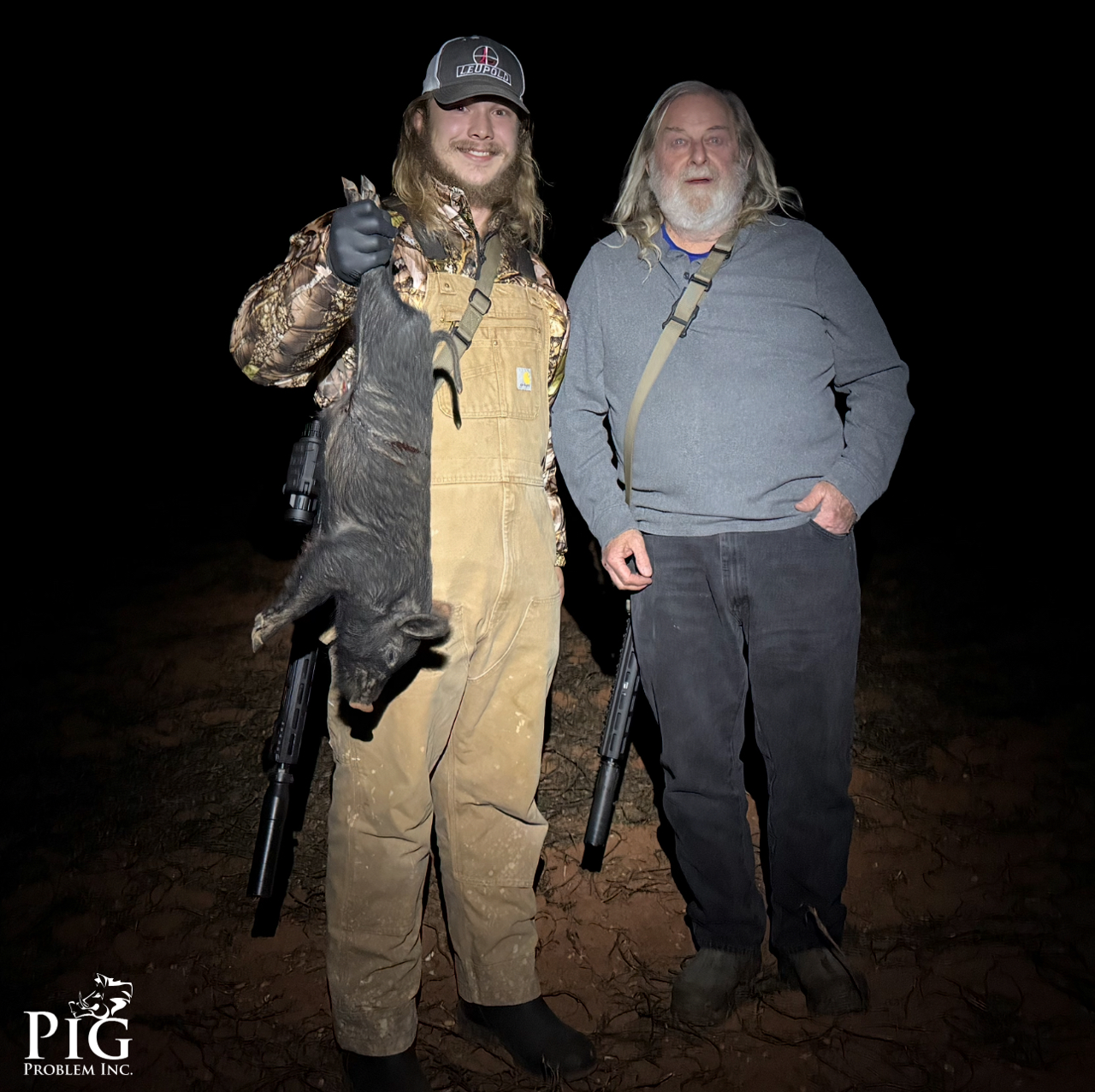
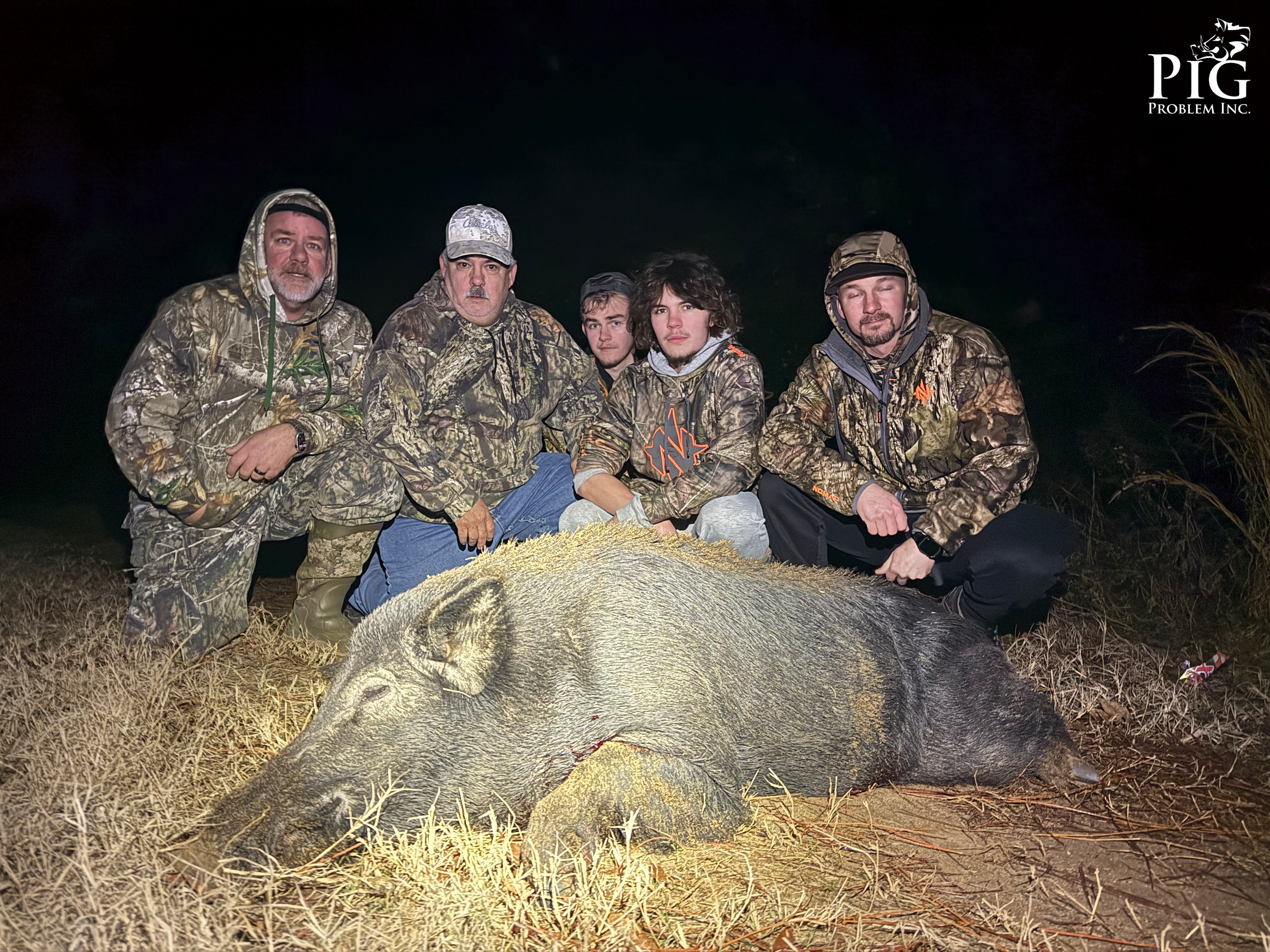
Feral Swine Control

Wild Hog Hunting

Photo: Hog Hunting Georgia @PigProblem

Effective Feral Hog Control is a game of inches, where silence and timing dictate the level of success. On a recent management night in South Georgia, guide Jordan led a group through a high-activity area that tested every bit of their field discipline.

The night began with a massive encounter—a sounder of over 30 Nuisance Pigs. After local traffic briefly pushed the sounder into the timber, Jordan utilized his knowledge of the property to track them into the tree line by ear. By anticipating their movement back into the open, the team was able to intercept the group. While the encounter resulted in one recovery, it highlighted the massive pressure these sounders put on Georgia acreage.

The evening also presented opportunities for Nighttime Predator Control. While stalking a single target, a coyote was identified in the open. Predator management requires a synchronized countdown to ensure a successful harvest; however, an early chance allowed the target to escape—a reminder that in the world of Predator Management, patience is just as important as placement.

As the night progressed, the team located another large sounder. Closing the distance to 70 yards, the group faced the reality of field conditions—where the slightest metallic noise or equipment adjustment can alert an entire sounder. In professional Agricultural Pest Management, we emphasize that 'we sink or swim together' as a team. Whether managing corn-ravaging singles or large breeding sounders, success depends on every member of the group being 100% ready before the signal is given. We wrapped up the night with several high-adrenaline encounters, proving that even on the toughest nights, our commitment to clearing South Georgia fields remains the priority.

Why Hunters Choose Pig Problem for Hog Hunting in Georgia

Best Hog Hunting Company

Photo: Hog Hunting @PigProblem

Night two of this 2-Night Hog Hunt in Georgia wrapped up with another Wild Hog successfully recovered, closing out a productive Hunting Trip.

What sets Pig Problem apart isn’t just the results — it’s the experience. From local knowledge and careful planning to responsible Hog Control practices, every Hog Hunt is tailored to benefit both hunters and landowners.

Pig Problem focuses on:

  • Strategic field selection

  • Respect for farmland and property boundaries

  • Safe, professional guided hunts

  • Supporting farmers across South Georgia

Whether you’re new to Hog Hunting or returning for another Thermal Hunting Trip, Pig Problem Inc is committed to providing an effective and well-run experience from start to finish.

Never Forget

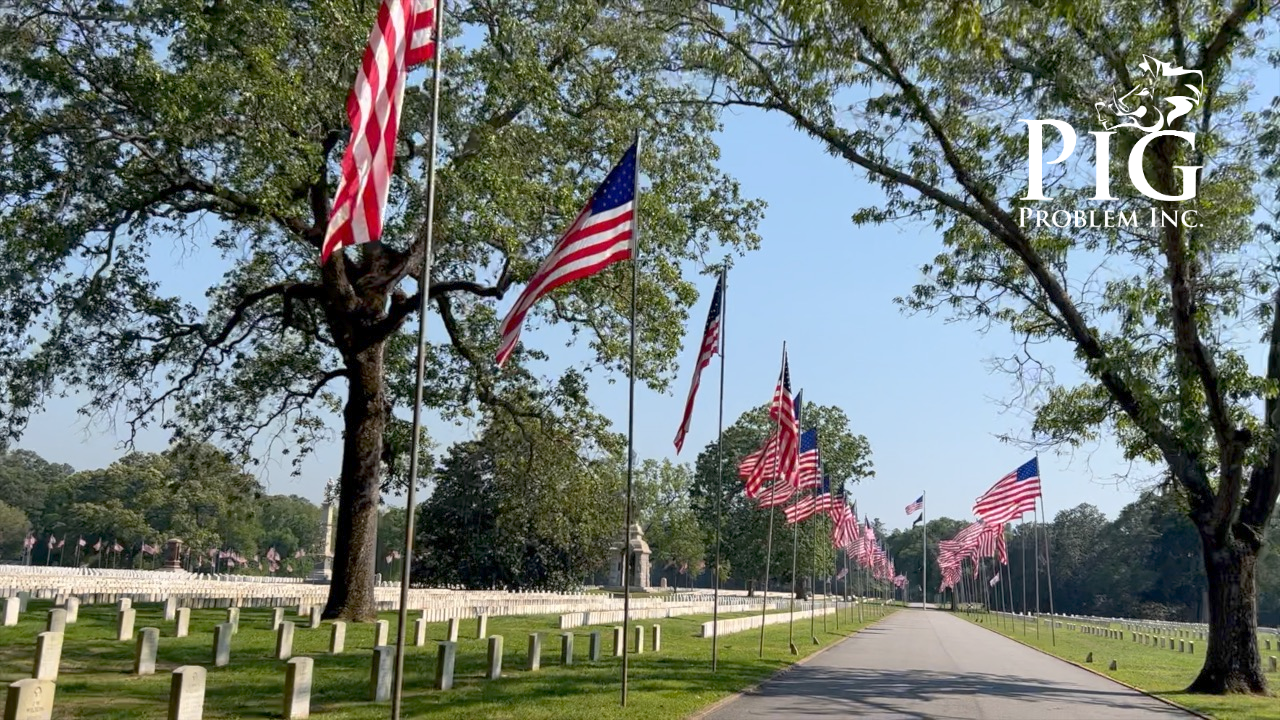
Today on Memorial Day our team at Pig Problem Inc. honor the men and women who made the ultimate sacrifice for our county and our freedom. We also want to honot and support the family members of those we lost. Now and forever, we remember. Never forget, forever honor. “Our flag does not fly because the wind moves it. It flies with the last breath of each soldier who died protecting it”.

Our Story With Annihilator Broad heads

Photo: Annihilator Broadheads Archery Night Hog Hunt @PigProblemInc.

The Annihilator Broadheads team came down to Americus, GA for a non traditional Archery Hunt. Spot and stalk archery hunts are typically not done in the dark, but at Pig Problem Inc., we only hunt hunt at night night. We do not hunt over bait, fenced areas, or out of stands. We use the latest Thermal Optics to locate wild hogs in open farm fields. We then close the distance trying to get as close as possible to make the shots. Brandon and Micah shot the same arrow/broadhead at multiple hogs over two nights. They pulled them out of the dirt, wiped them off and finally connected with this hog. To use the same arrow, broadhead, fletching, and nock is a testament to the durability of their broadheads and products they use.

I approached Micah at the Great American Outdoor show in Harrisburg, PA about making this hunt a reality. The premise for the hunt was to show customers that silence, and hunting ability is still a thing even while hunting at night. Archery hunters have to be concerned with every faucet of their equipment. Quiet footwear, clothing, hardware, and personal skill all being factors for the distances that are typical of bow hunting. We spot and stalk hunt similar to western style hunts. Most eastern bow hunter don’t typically shoot past 35 yards, where as western hunter practice at 65-100 yards regularly. The Annihilator team being out of Idaho would understand the challenges we would face during this hunt.

The first night was trial and error, we dialed in techniques and equipment to start off the night. Guide Clayton McArdle worked tirelessly perfecting and explaining where the archers needed to be to see their pins since electronic sights are illegal in Georgia. Using a torch and spotlight creates shadows so they needed to work as a team to figure out where each person needed to be. We were able to engage on multiple encounters through out the night. The first being text book perfect, except the hog changed angles after the arrows were in flight, producing a clean miss. Micah was able to connect on a wild hog out of a sounder, a pass thought shot but no blood. We looked for the hog in the brush, with no luck. The recovered arrow was greasy resulting in a shot farther back than desired. With a change in strategy to be more aggressive on the next encounter which also yielded in no hogs down.
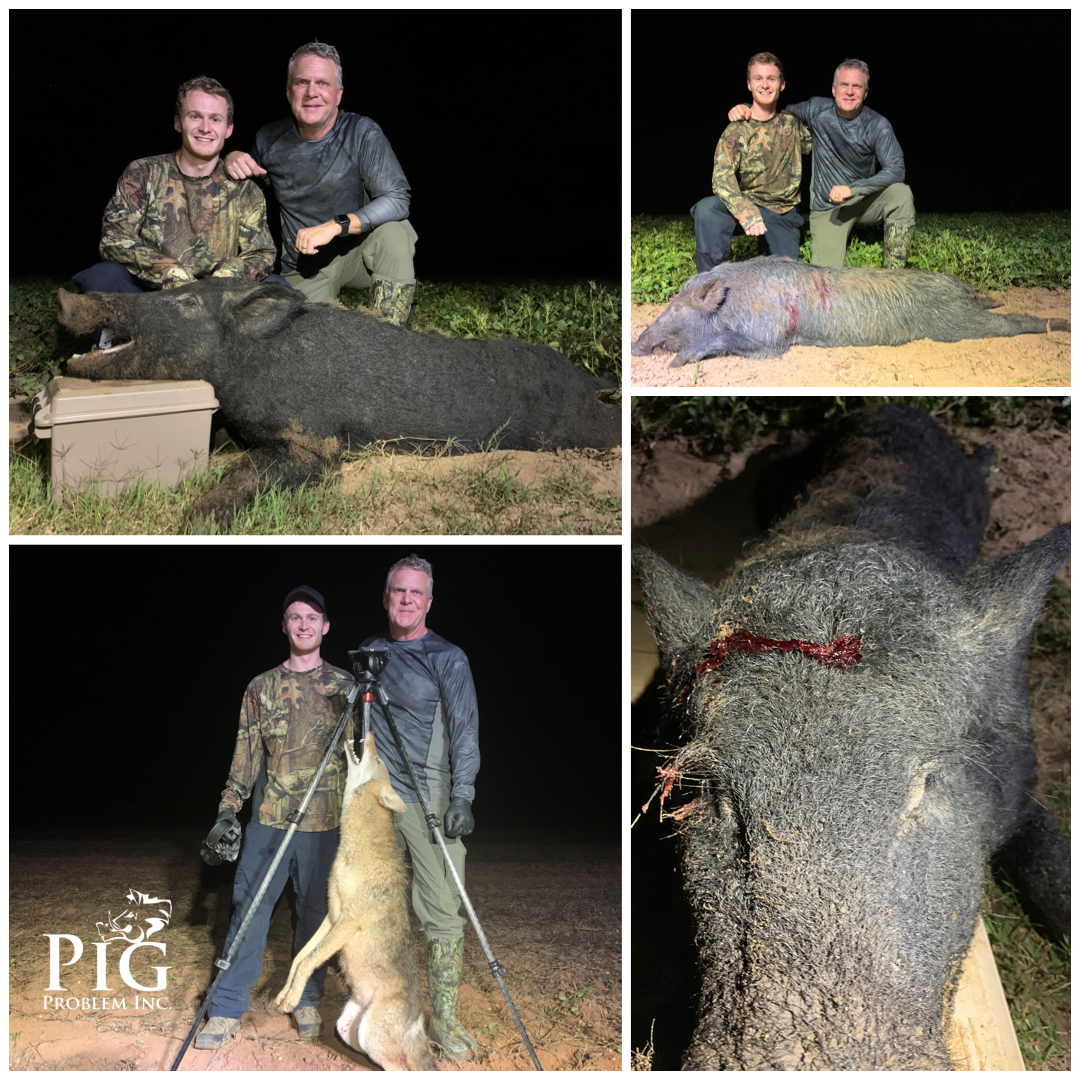
The second night called for rain and wind, with faster winds it should have made it easier. The first two encounters yielded no opportunities dues to hogs moving out of the field. A pair of boars were spotted in an open field next. Guide Clayton got Micah and Brandon within 30 yards to break the shots. Micah’s arrow missed, while the hog was running Brandon connected on a 55 yard shot. The hog ran a few hundred yard before settling in some brush. Micah connected with a second shot anchoring the hog to ensure the wild hog was done.

To see a over a dozen arrows shots over two nights between the Annihilator crew was incredible. Most archers may have 2 real shots a year, its hard to learn from mistakes with limited opportunity. We are grateful to have had this team down for our first Night Archery Hog Hunt. Learning the equipment selection needed to make this hunt happen was eye opening. The glow d loop, the prototype victory nocks, and the broadheads were things I would have never expected. Stay tuned for the full video.

Wild Boar Hunting

Photo: Hog Hunting Pig Problem Inc.

Photo: Wild Boar Hunting Pig Problem Inc.

Photo: Wild Boar Hunts Pig Problem Inc.

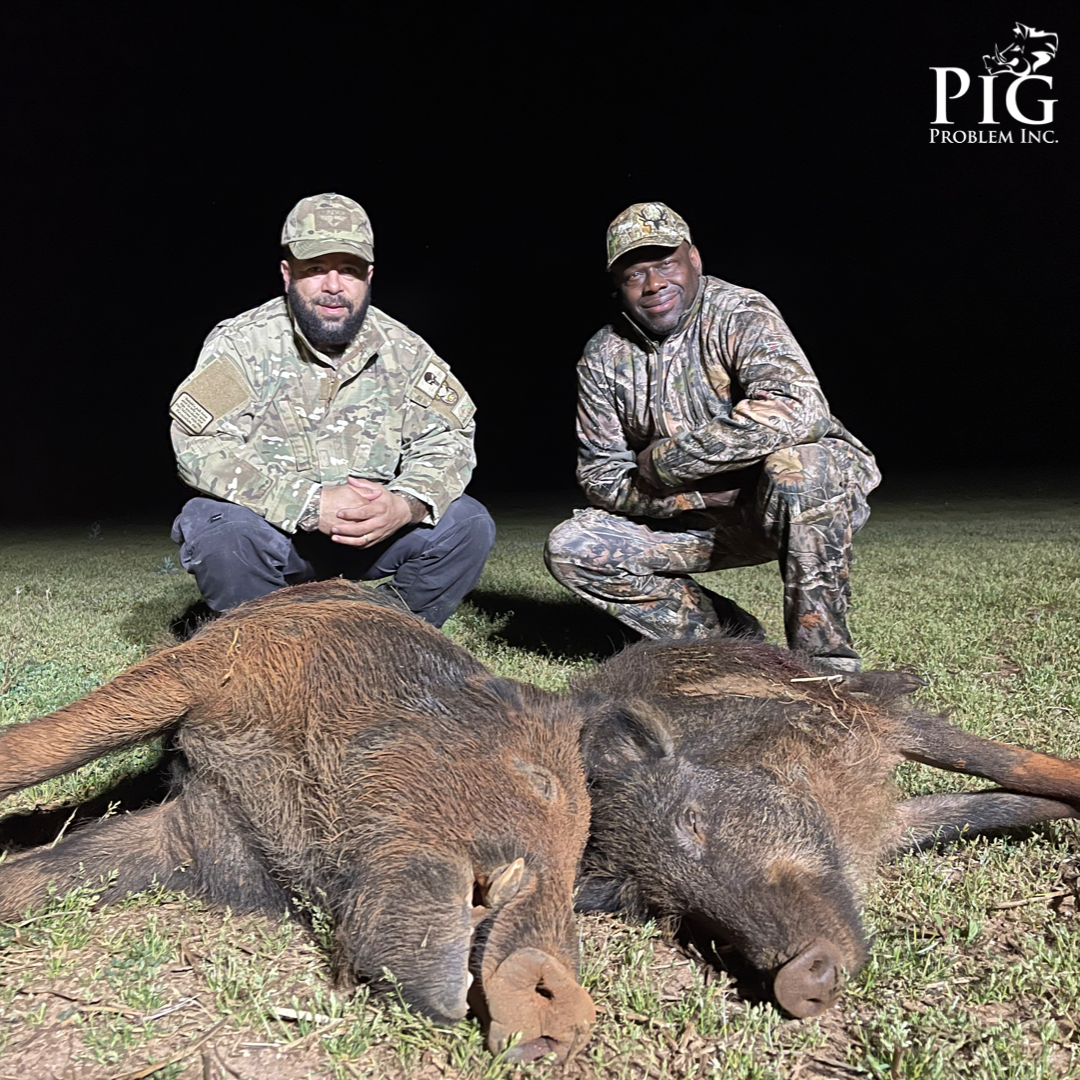
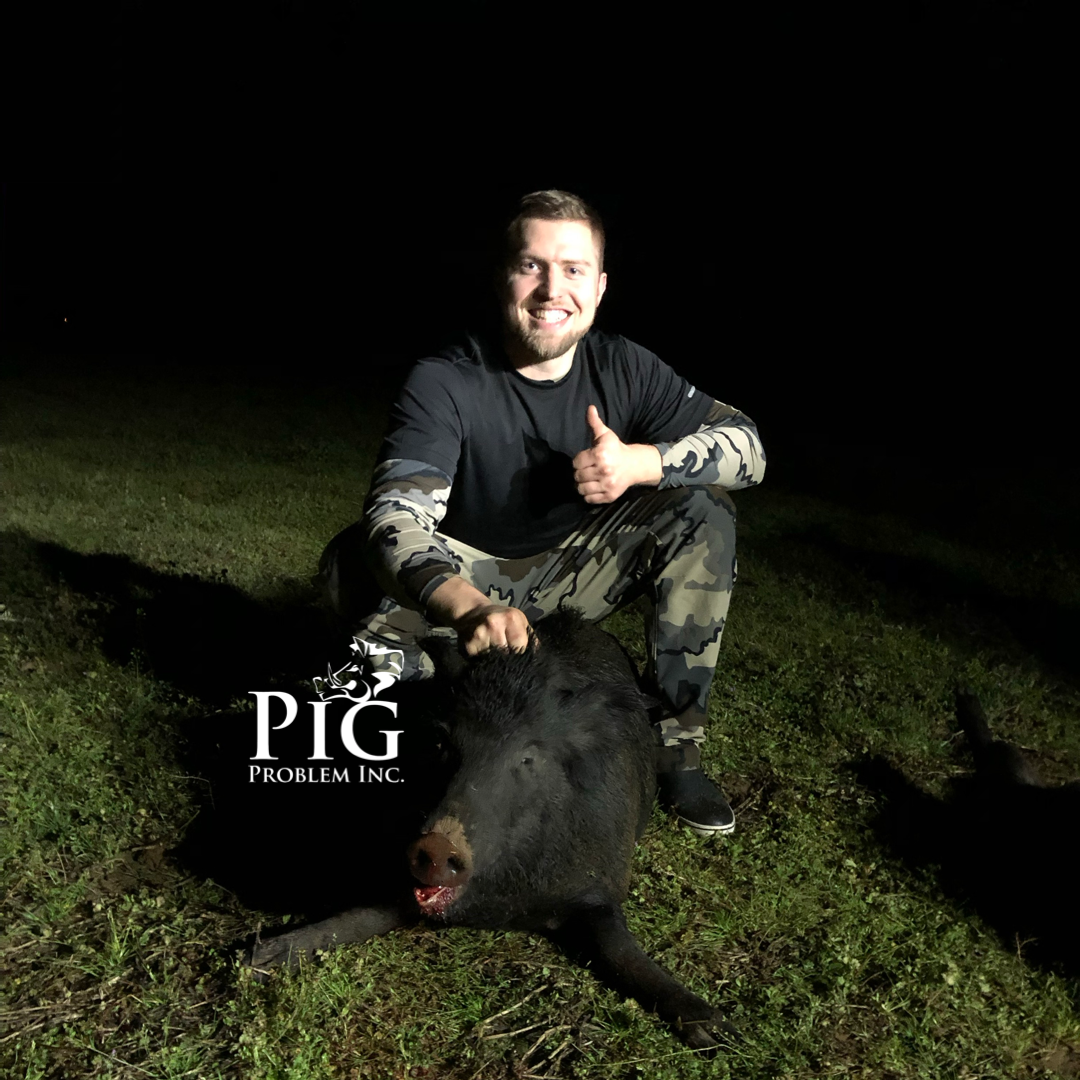
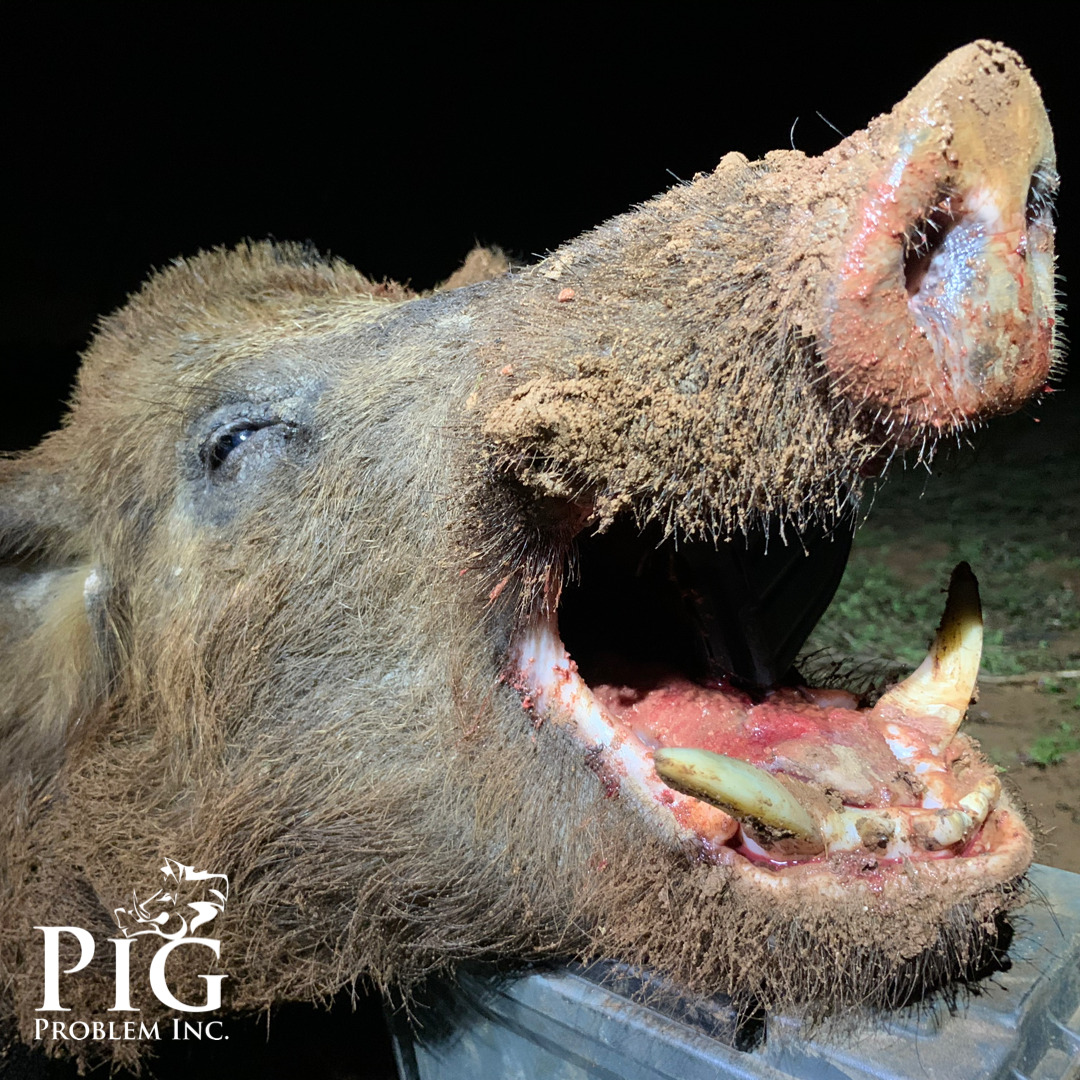
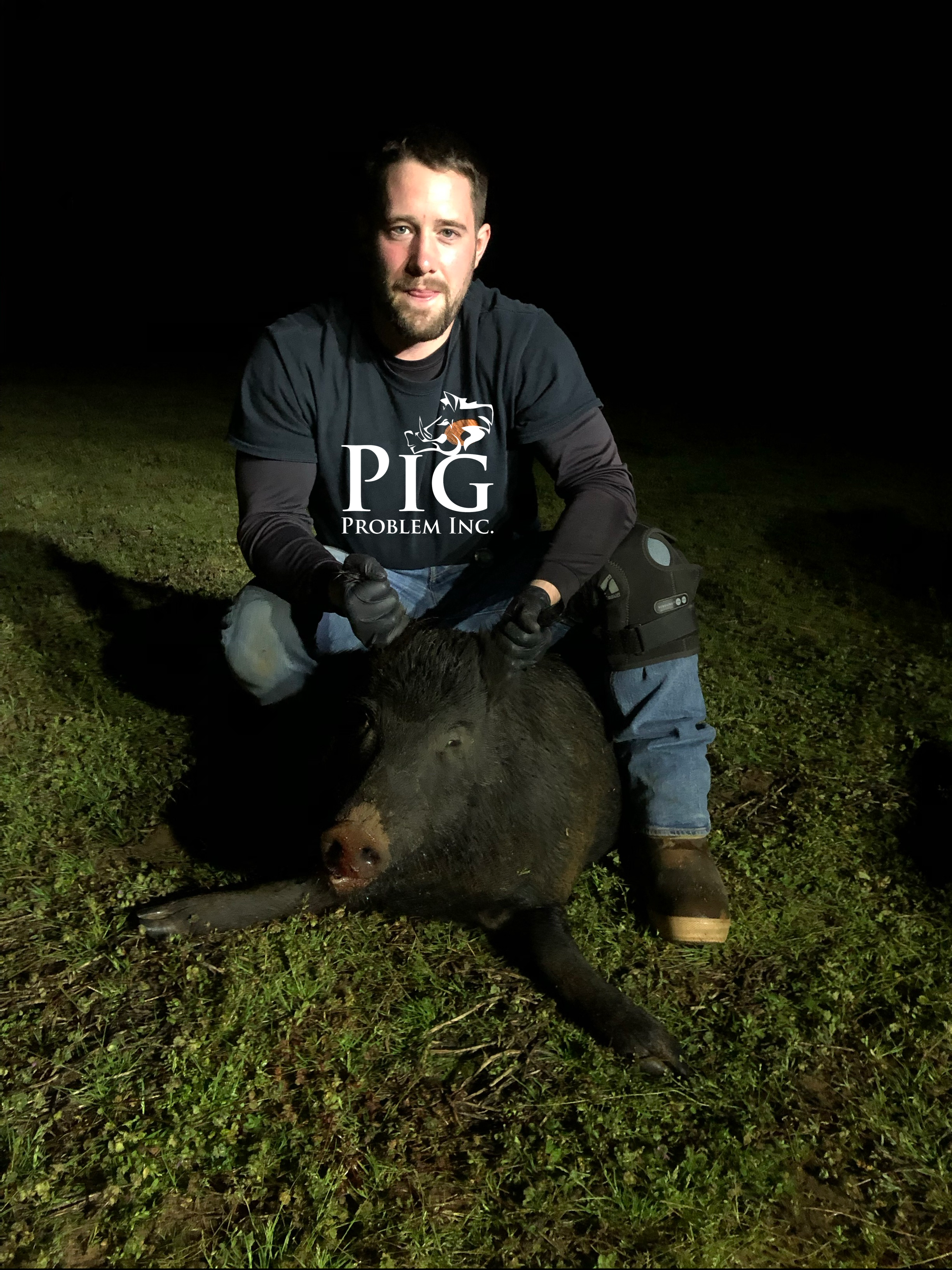
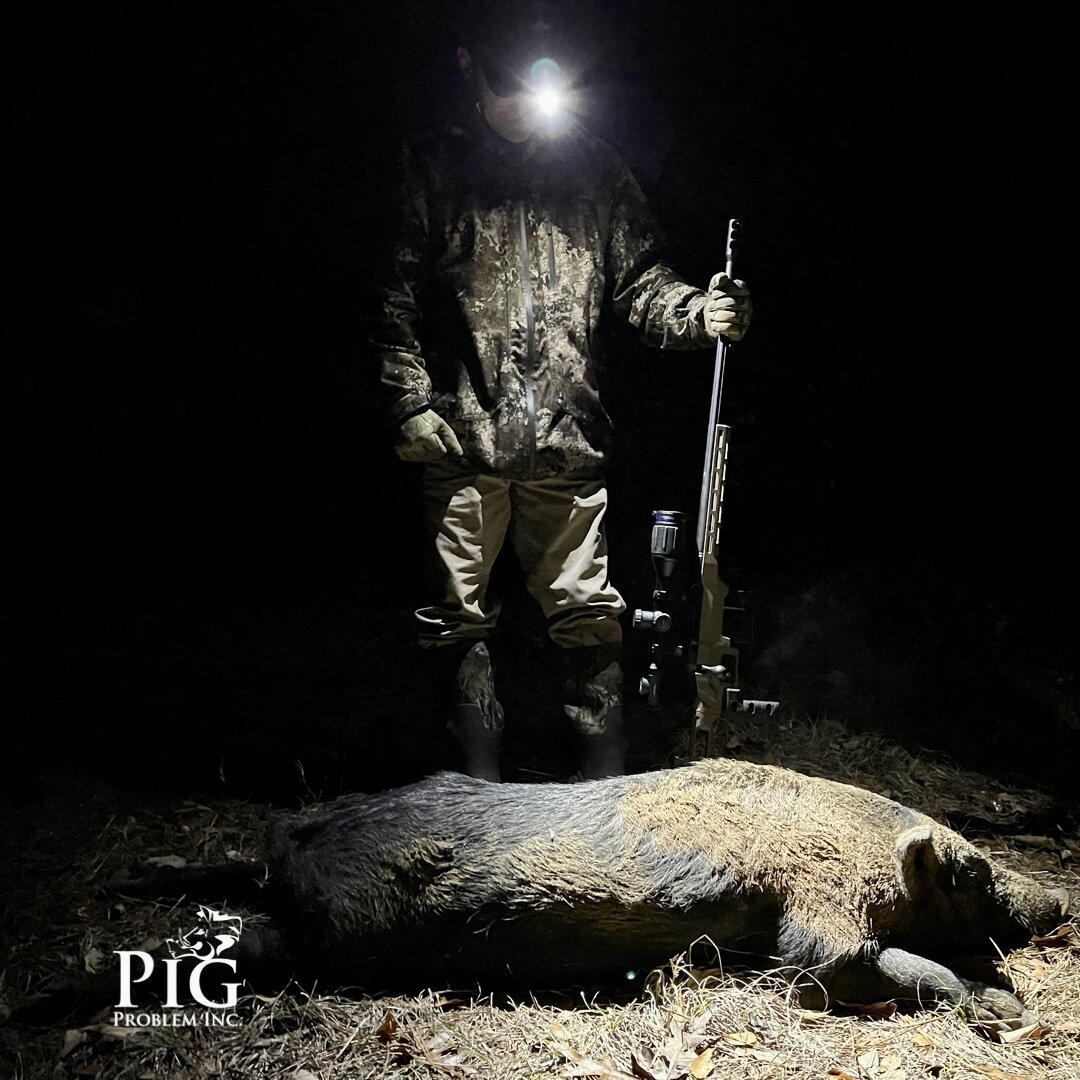
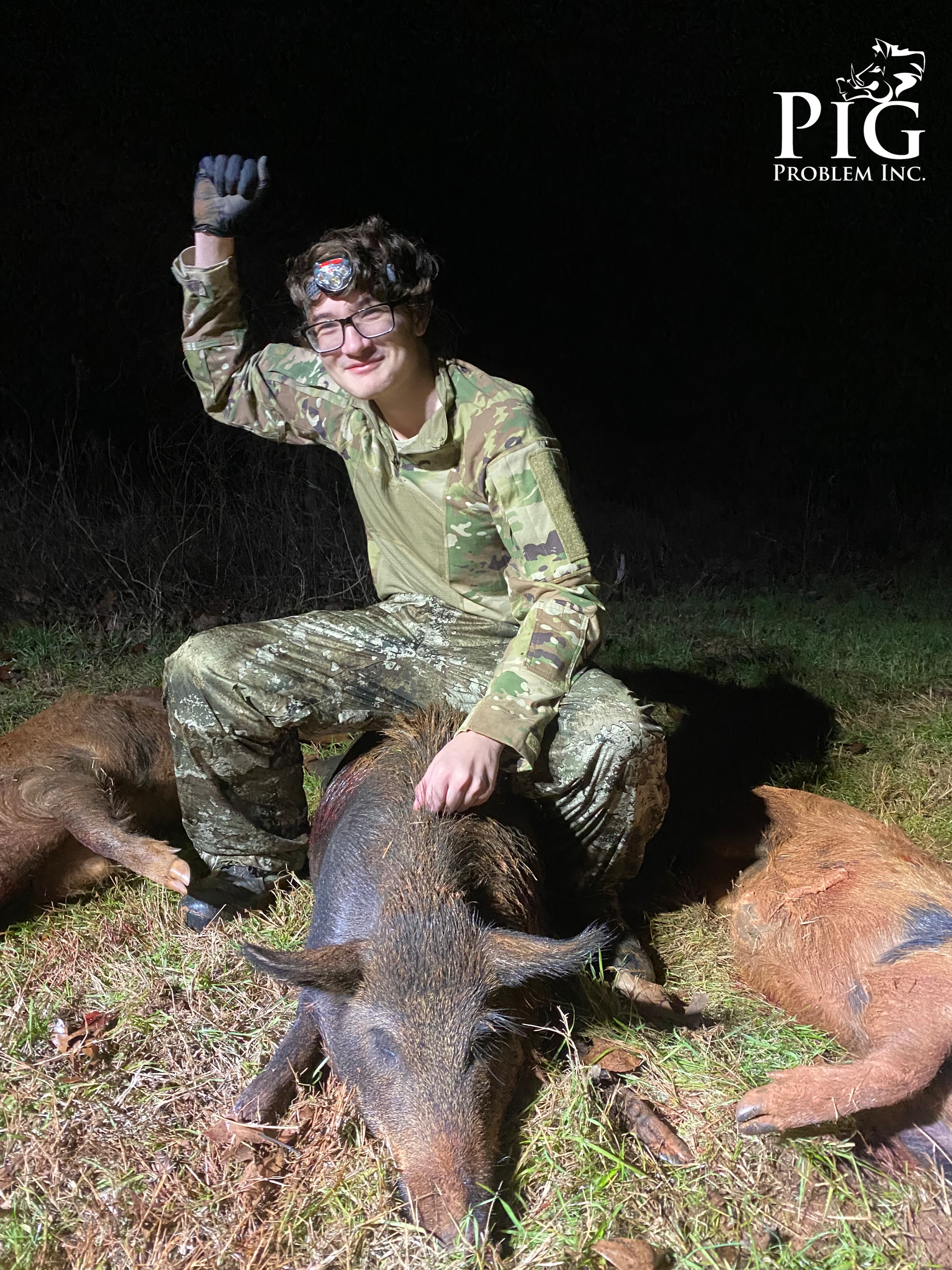
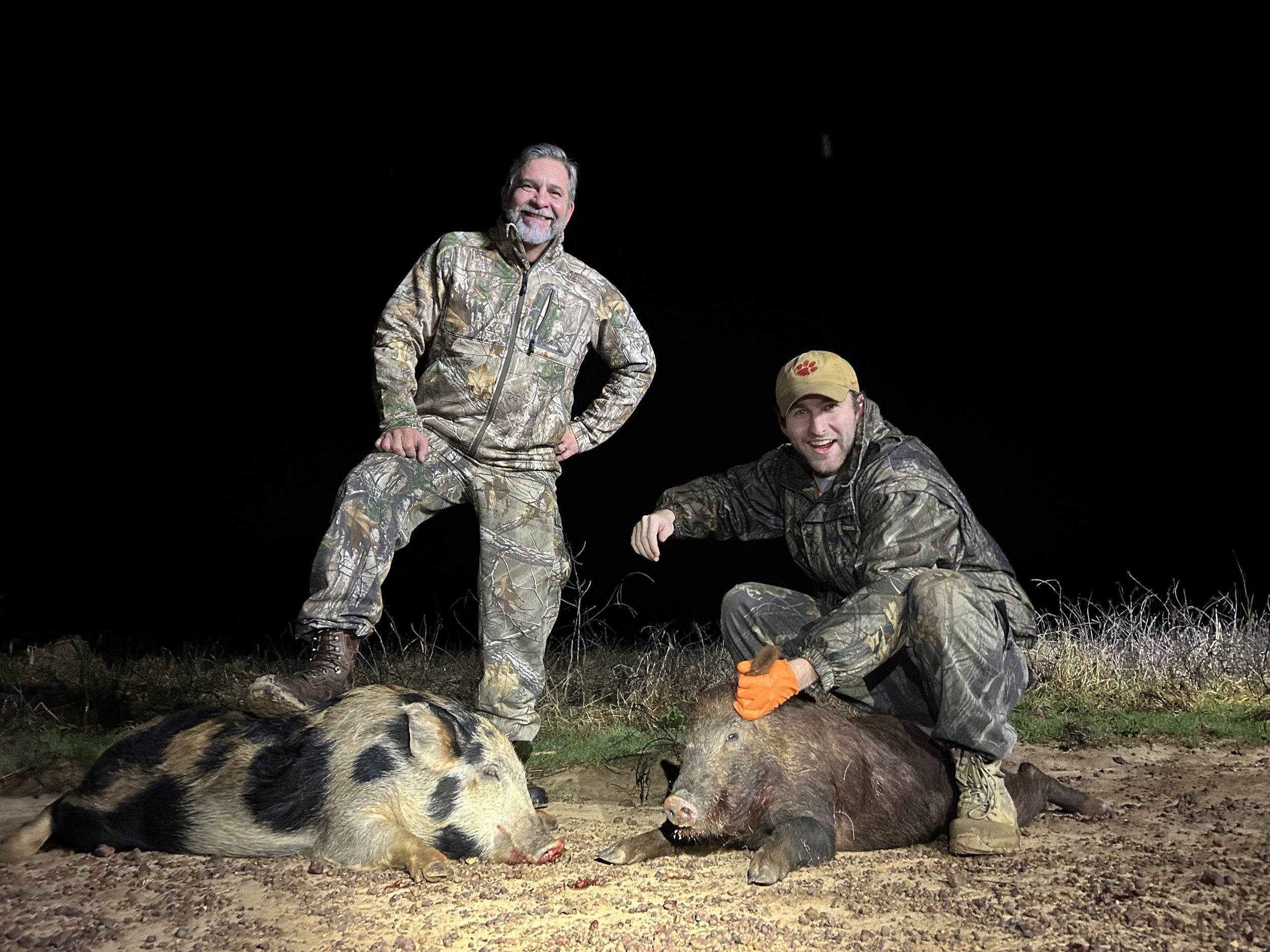
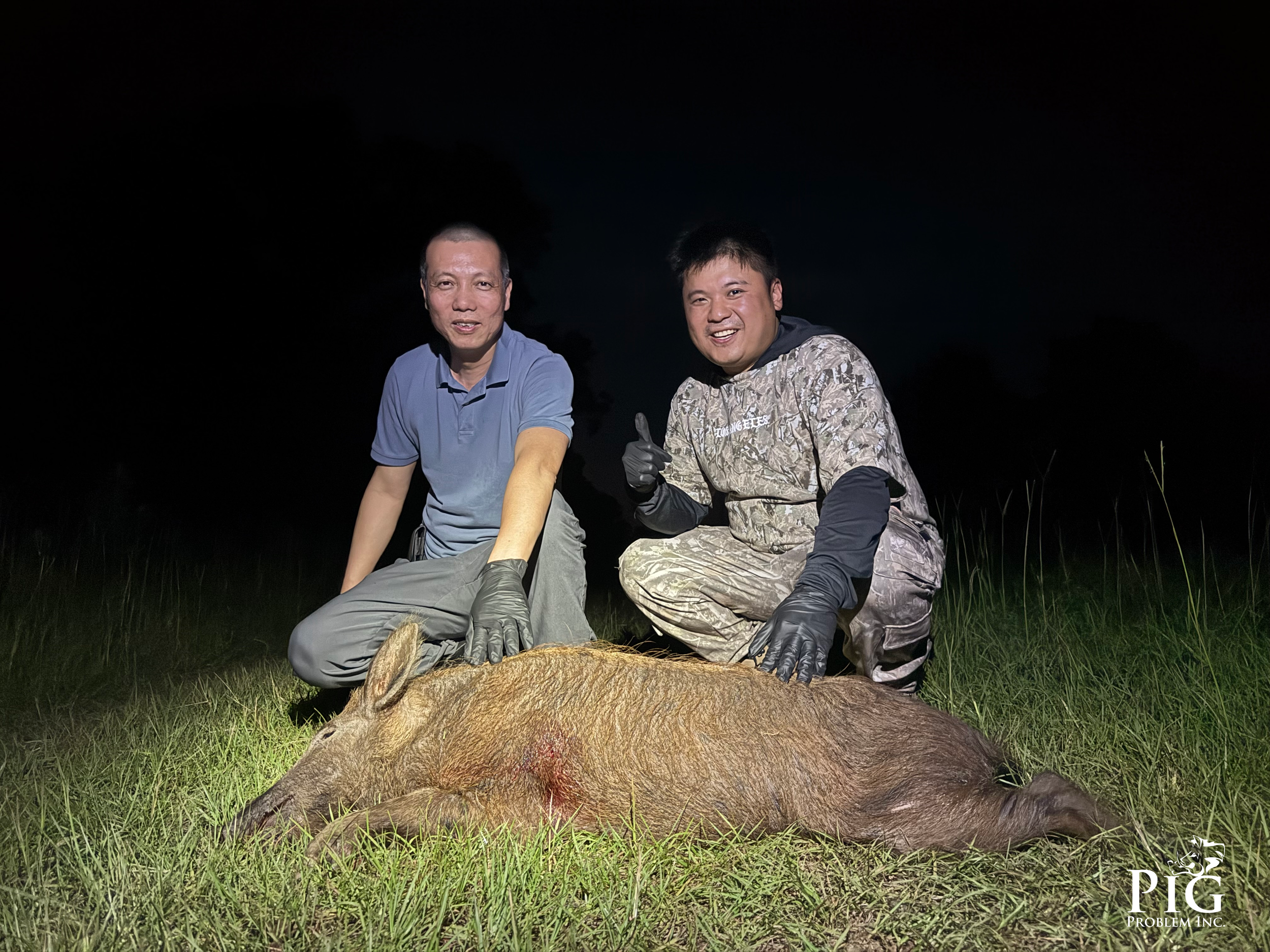
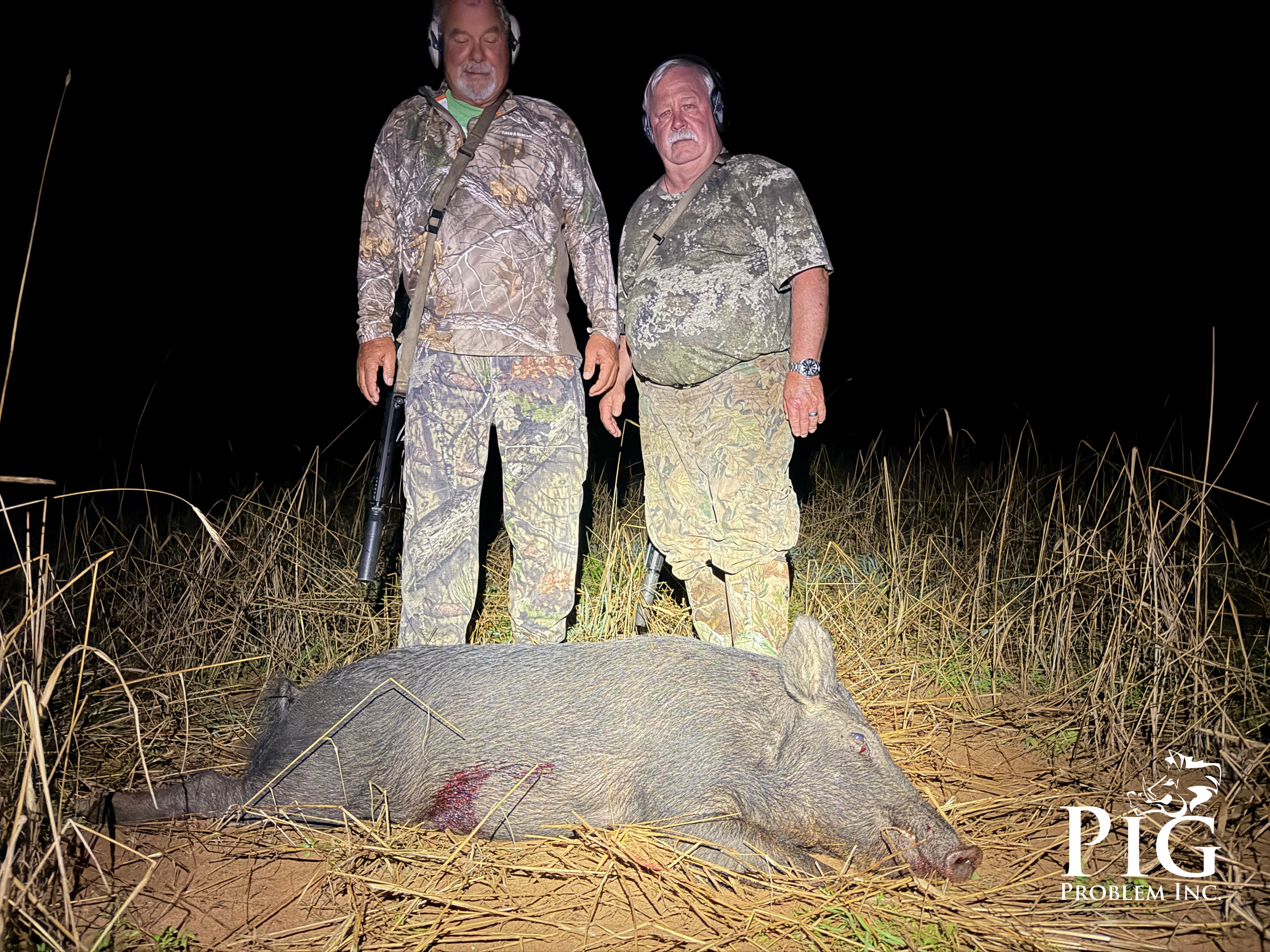
Harry & Mario dropped a nice boar last night. We did some day hunting with zero luck, but were able to get a few opportunities on pigs. Glad to have them back on their annual Hog Hunt.

16 Piled Up

Photo: Pig Problem Inc. Hog Hunting

Photo: Pig Problem Inc. Thermal Hog Hunting

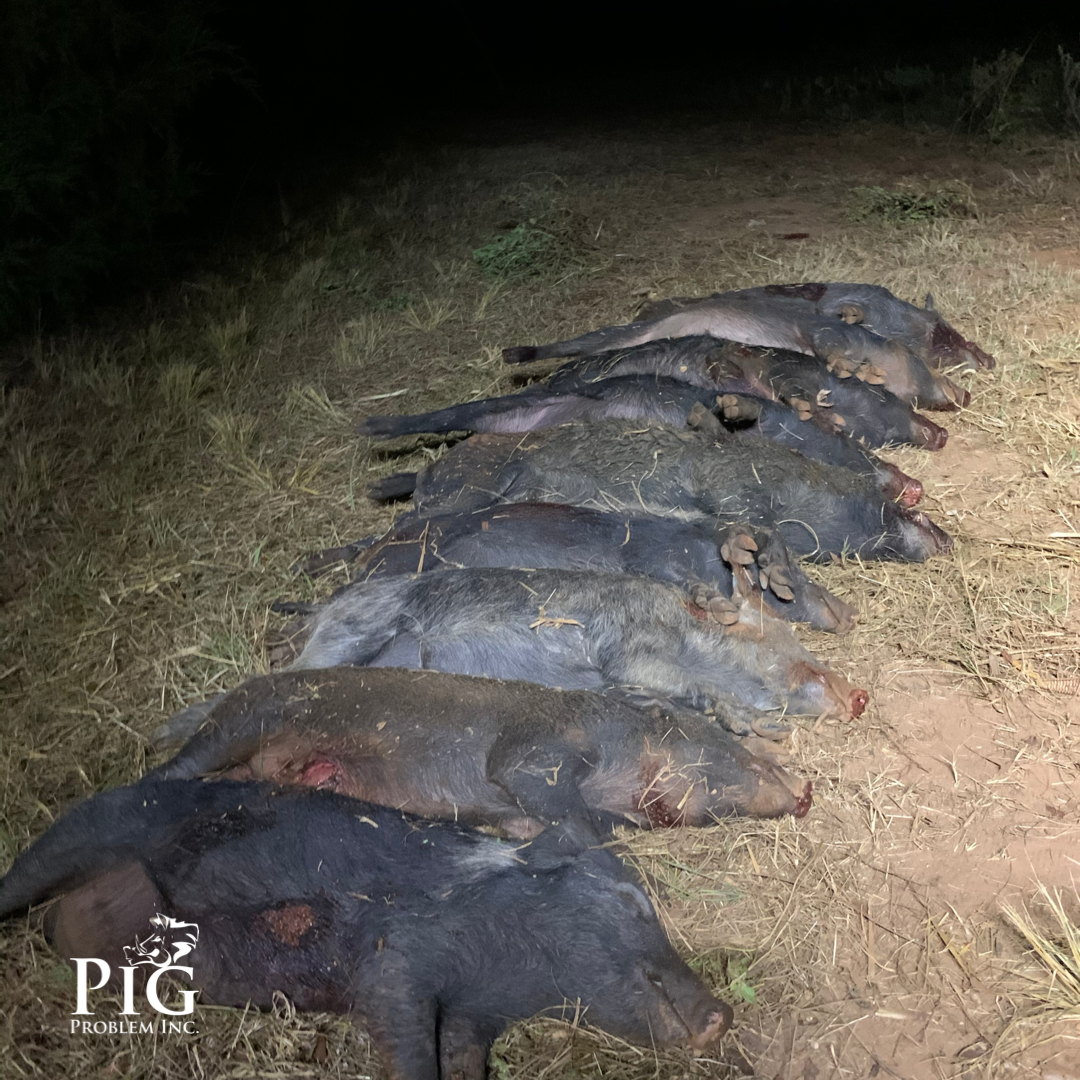
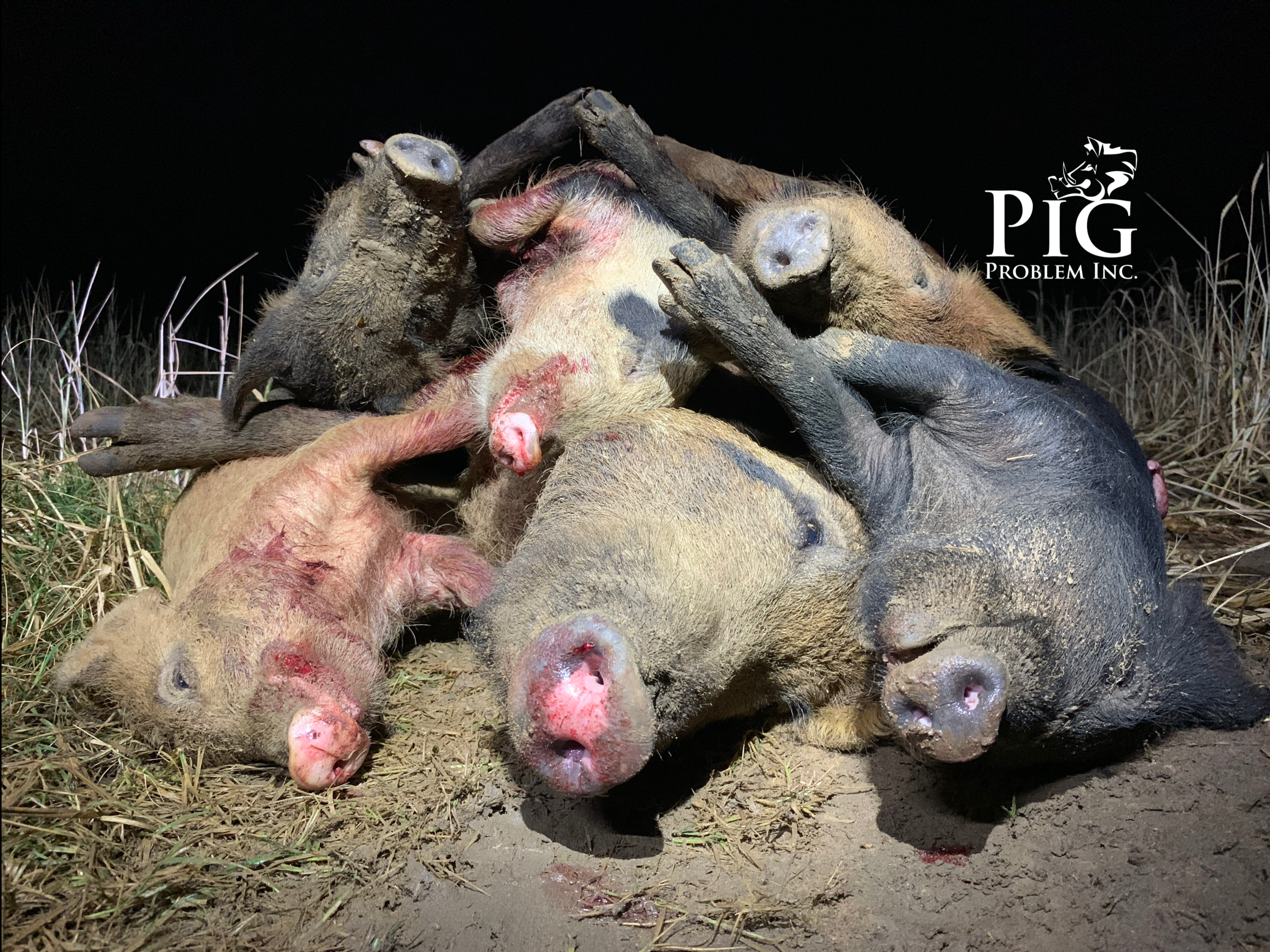
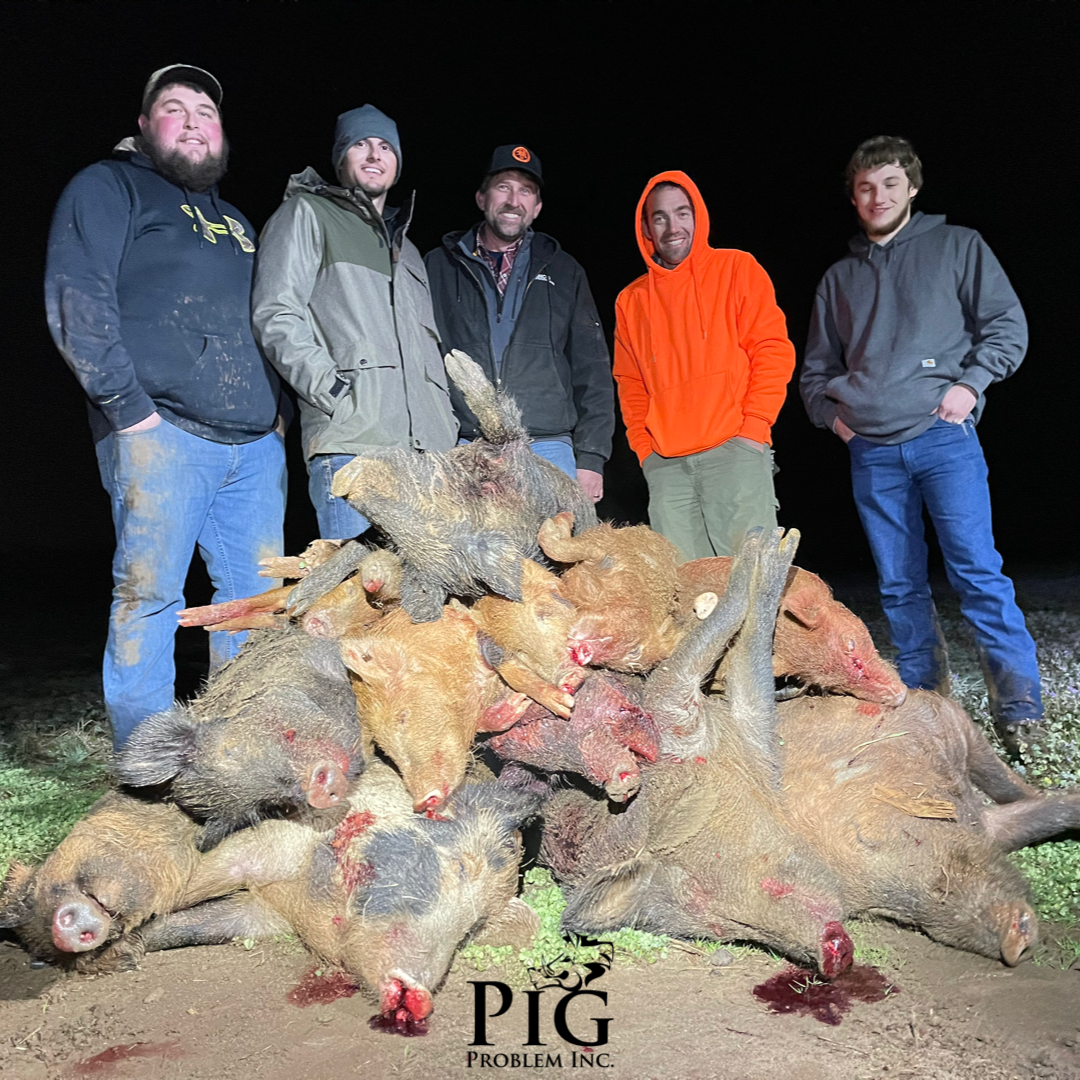
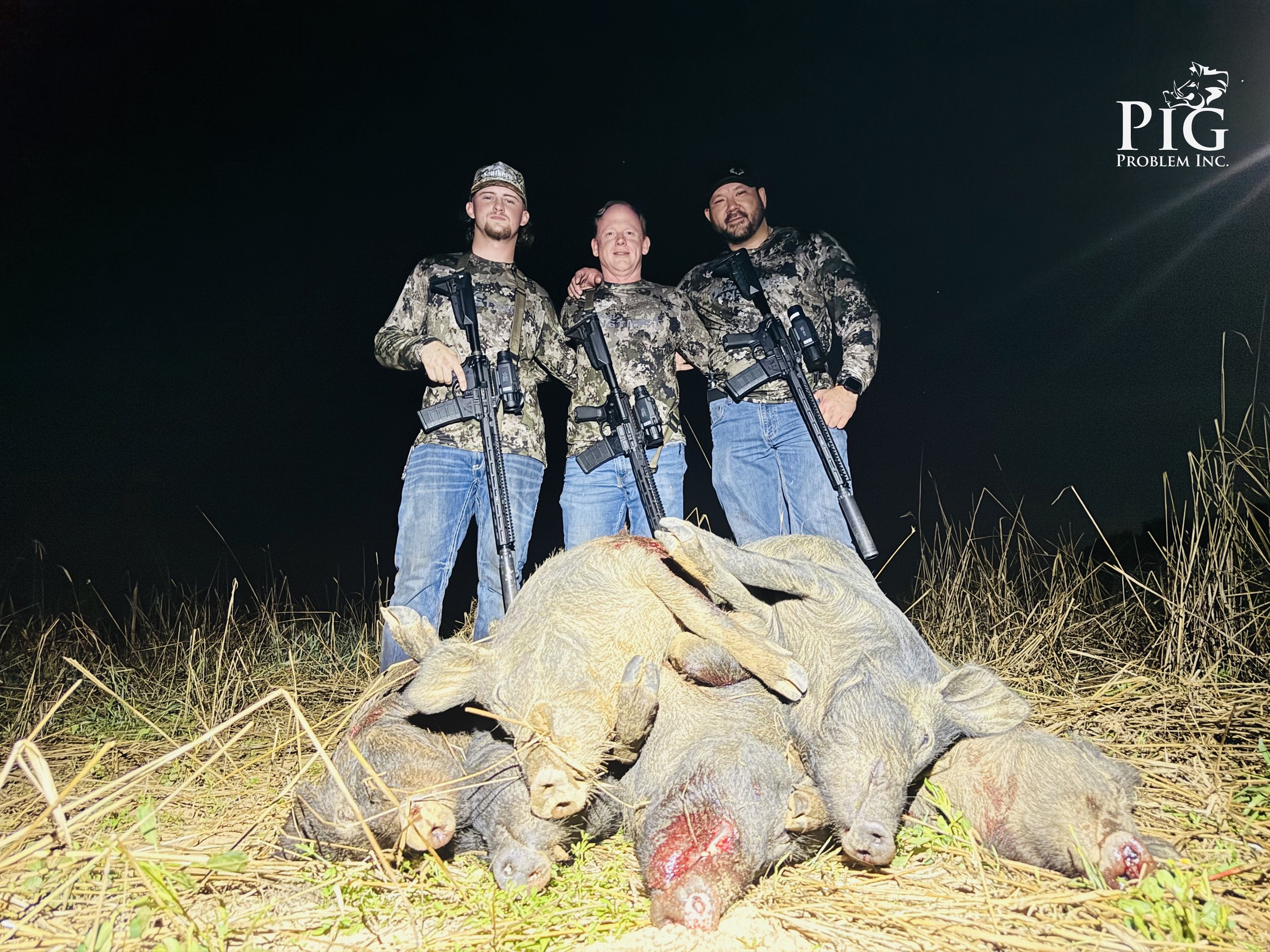
Bart, Chris, & Austin Piled them up last night. they didn’t make a pig pile they made a Hog Stack!. 16 in total. Great night of hunting with great mild weather. Book A Hunt and see how many you can pile up.

Pig Pile In Georgia

Photo: Pig Problem Inc. Thermal Hog Hunting

Photo: Pig Problem Inc. Thermal Hog Hunting

Vance, Ryan, and Jeff Piled them up Friday night. No Limit Hog Hunting in Americus GA. Vance and Jeff hunt with us often so they have refined the craft. We are grateful for our customers.

Thermal Hog Hunting Georgia

Photo: Pig Problem Inc. Thermal Hog Hunting Americus, GA

Photo: Pig Problem Ing Wild Hog Hunting Americus, GA

First night was a success two more nights to follow. Pigs are moving and hunt dates are filling up. Book A Hunt and see how many Hogs you can get down.

BOOK NOW