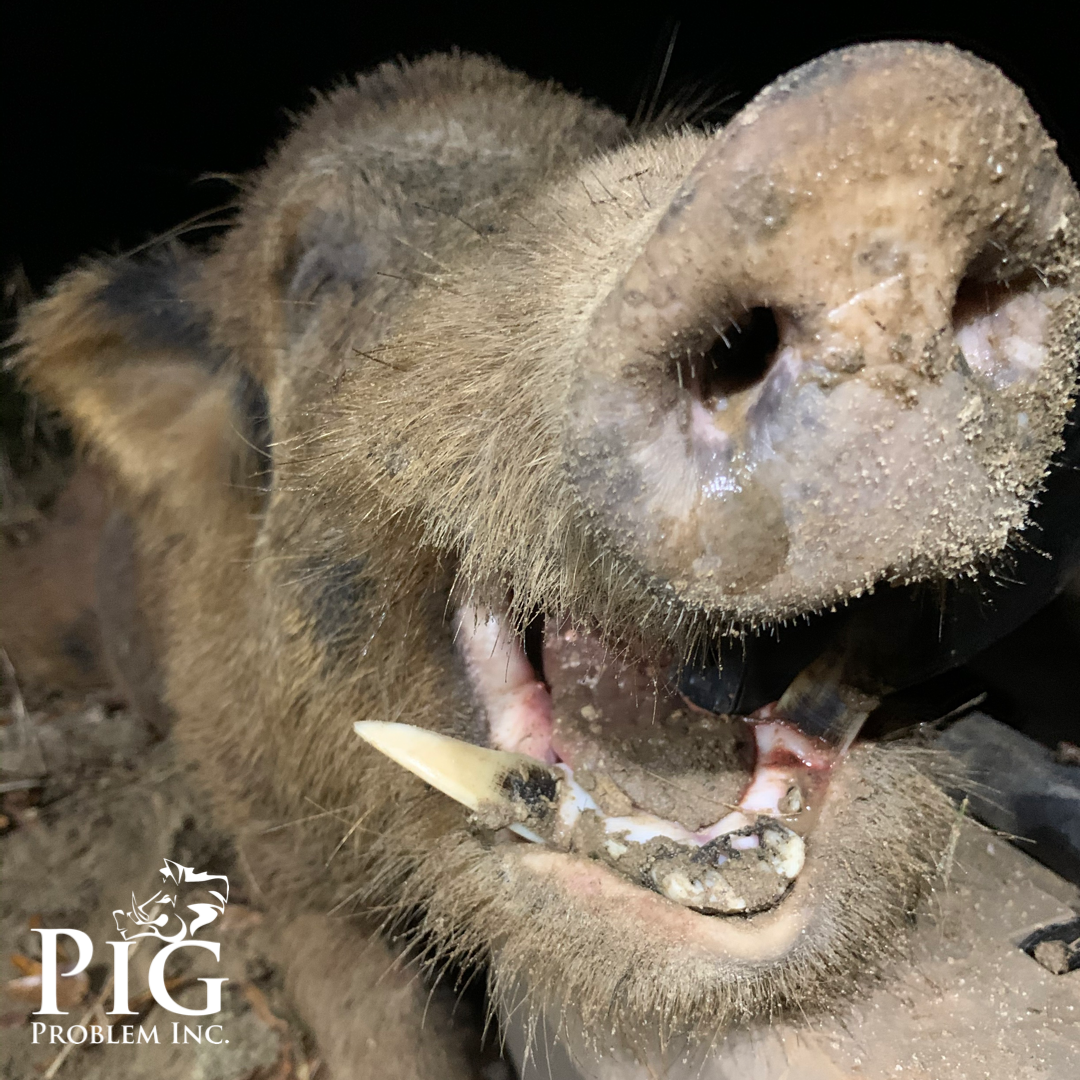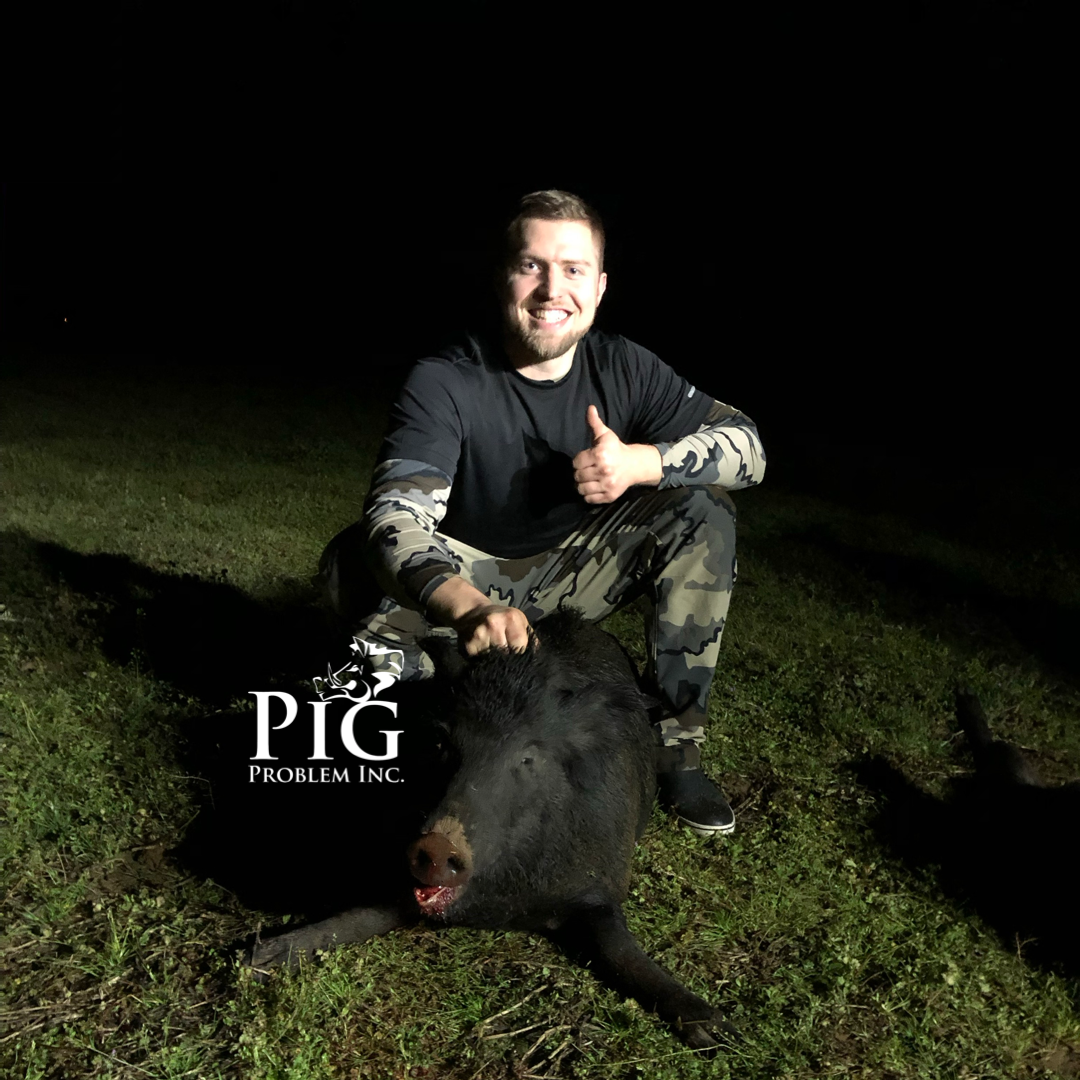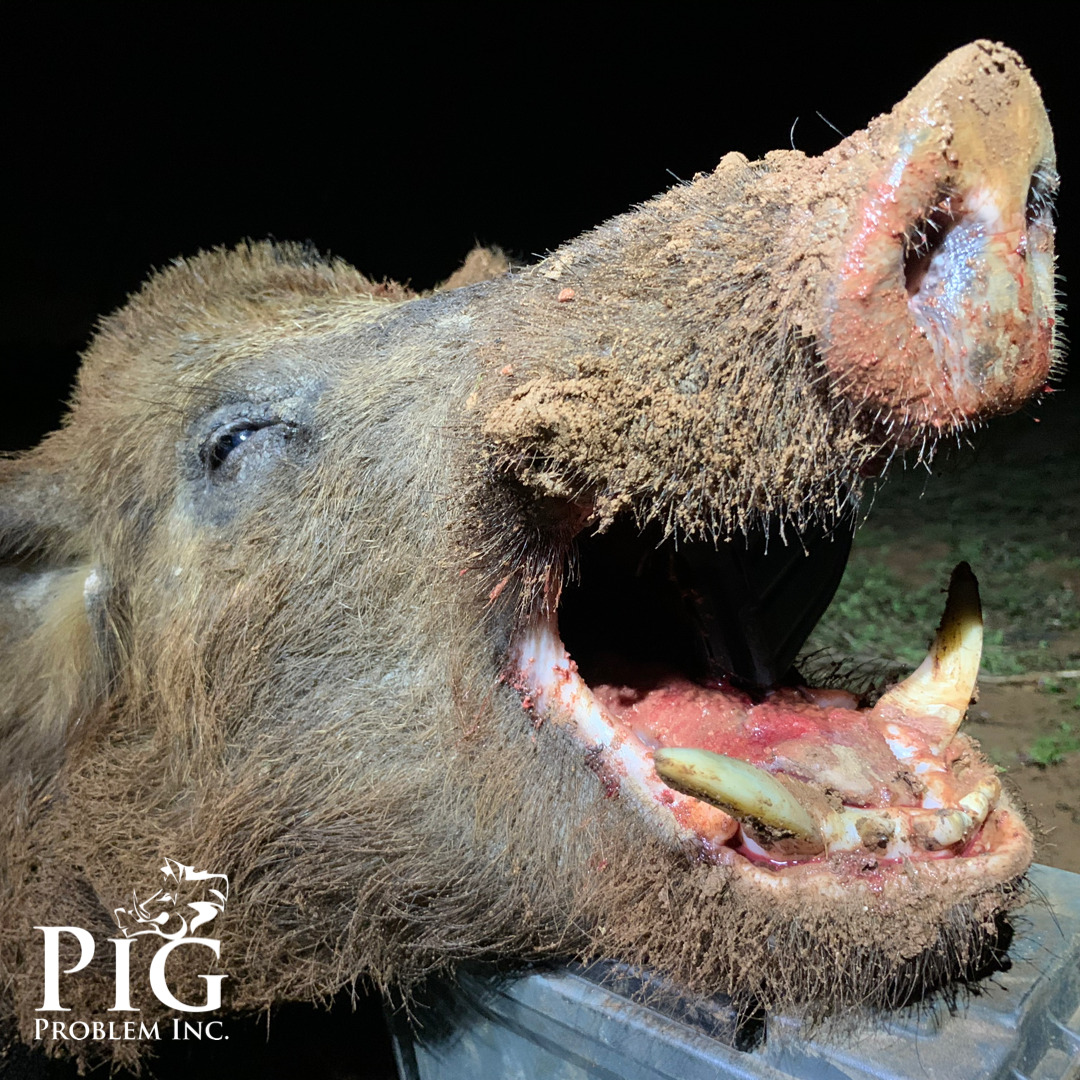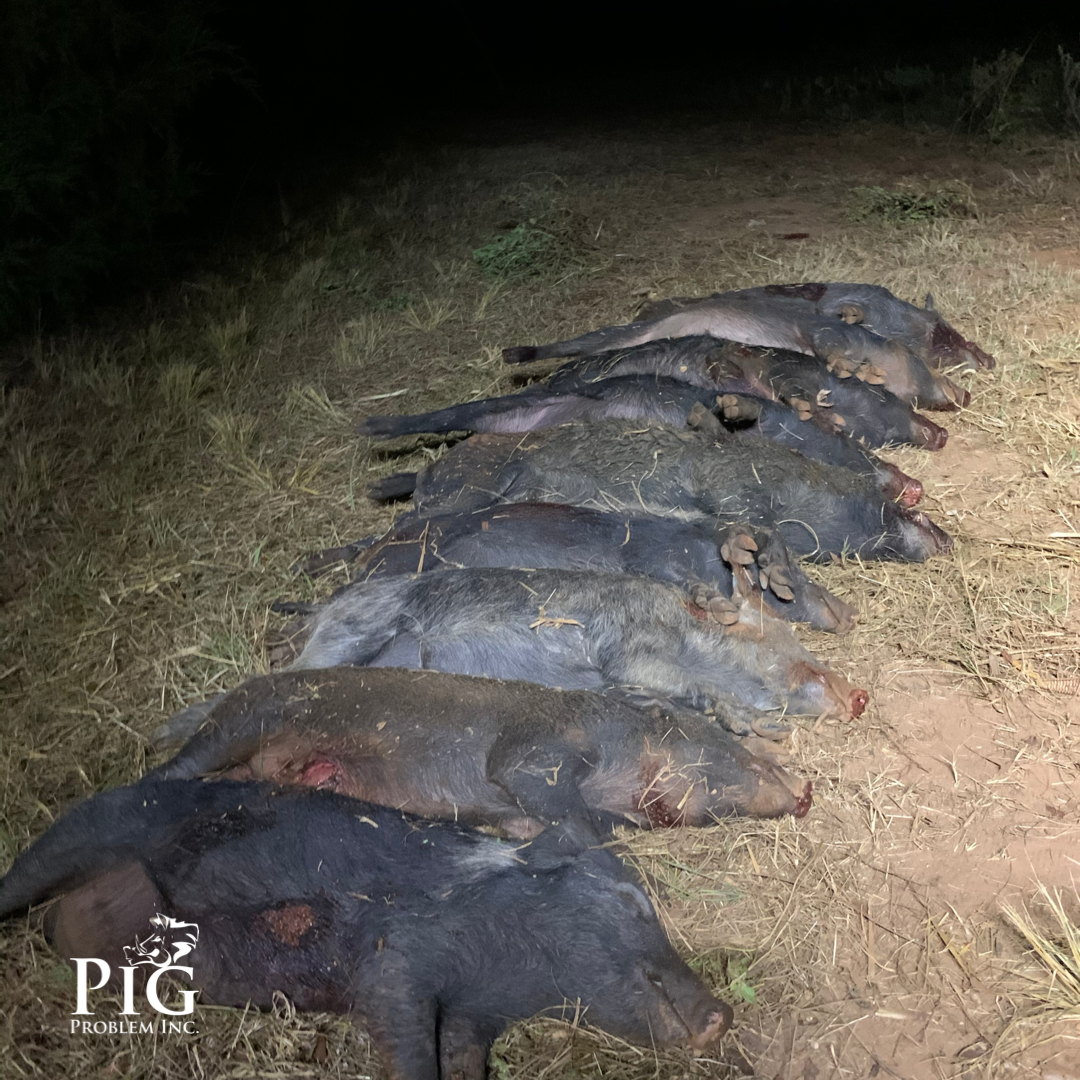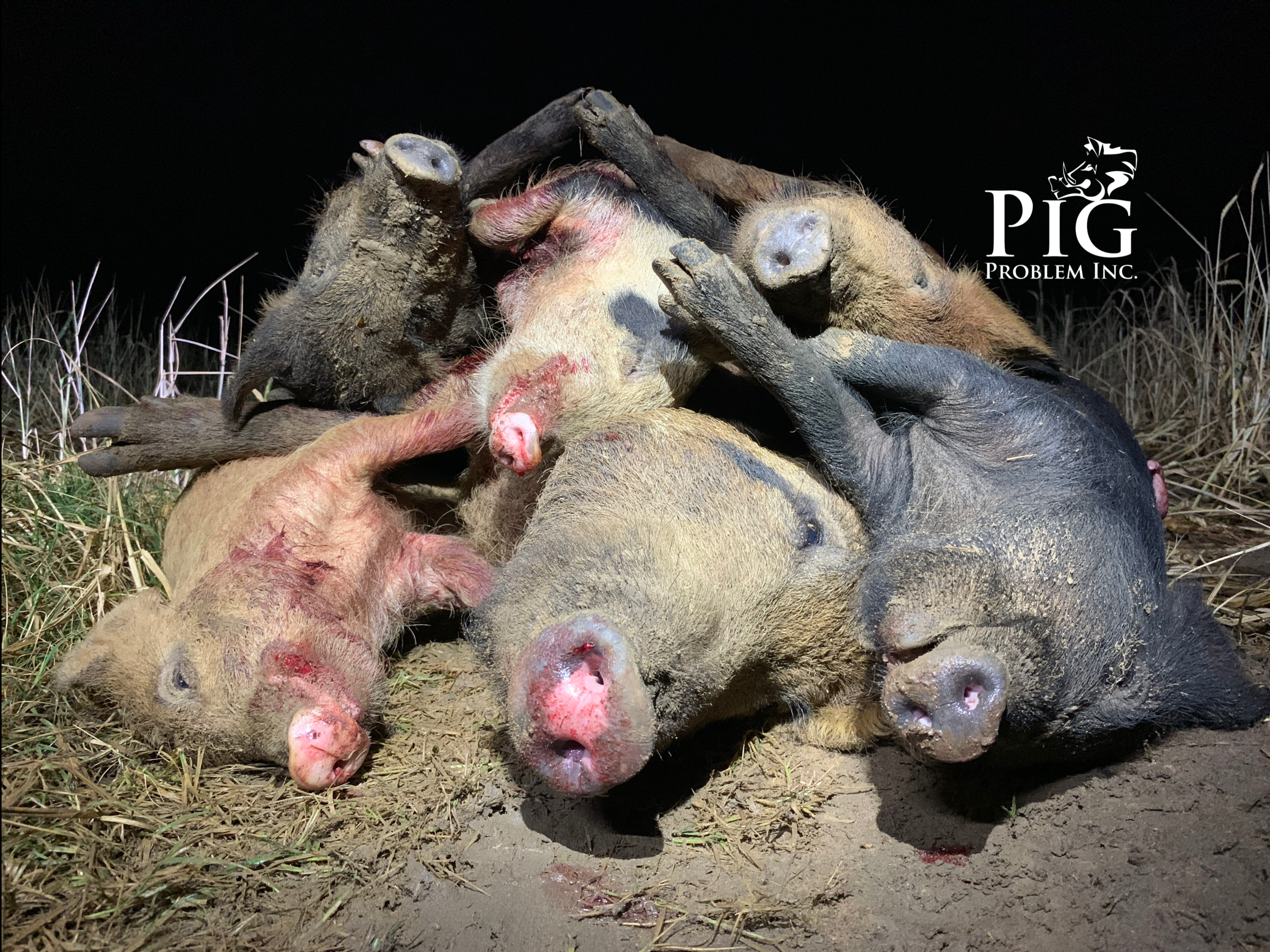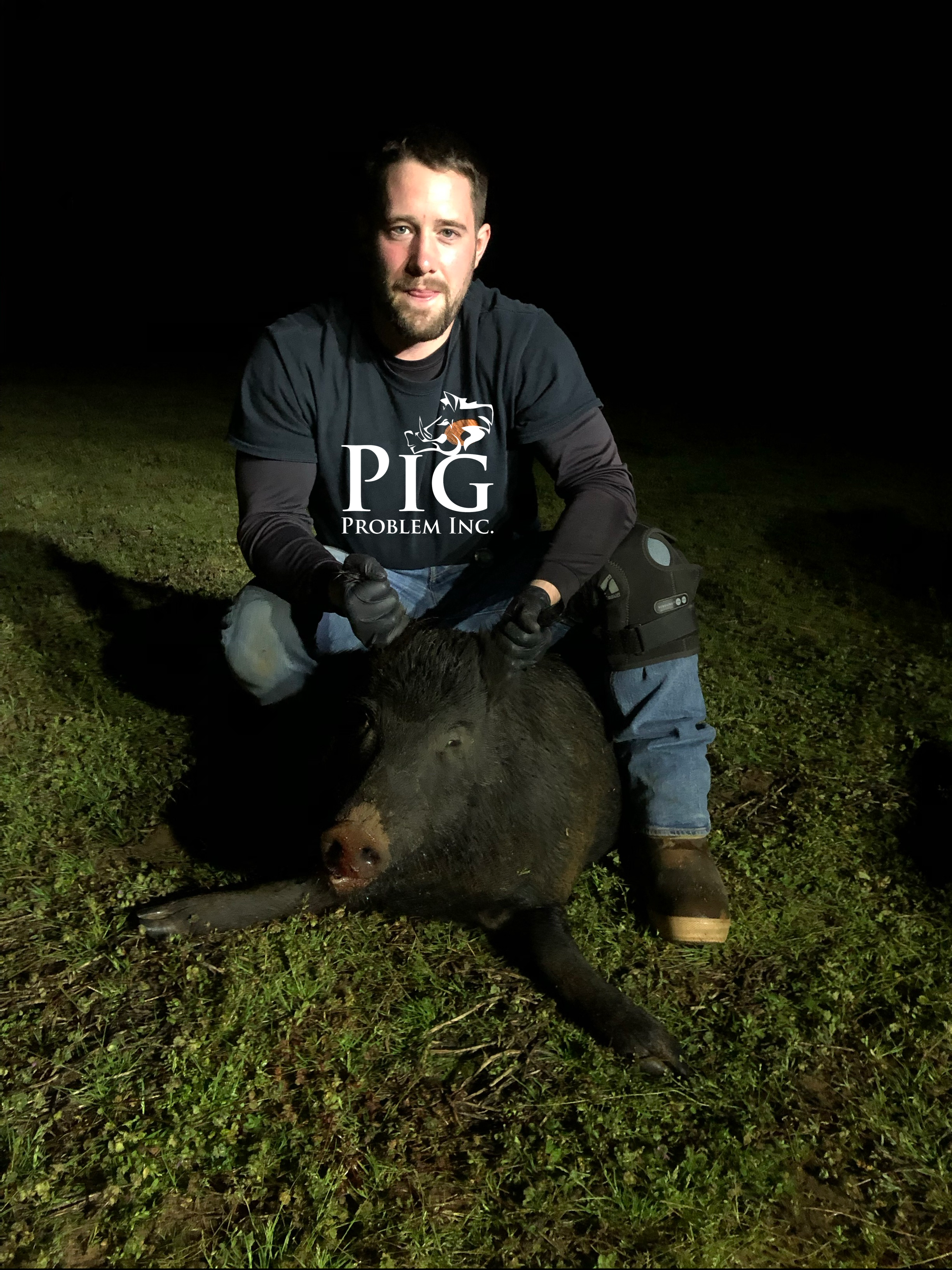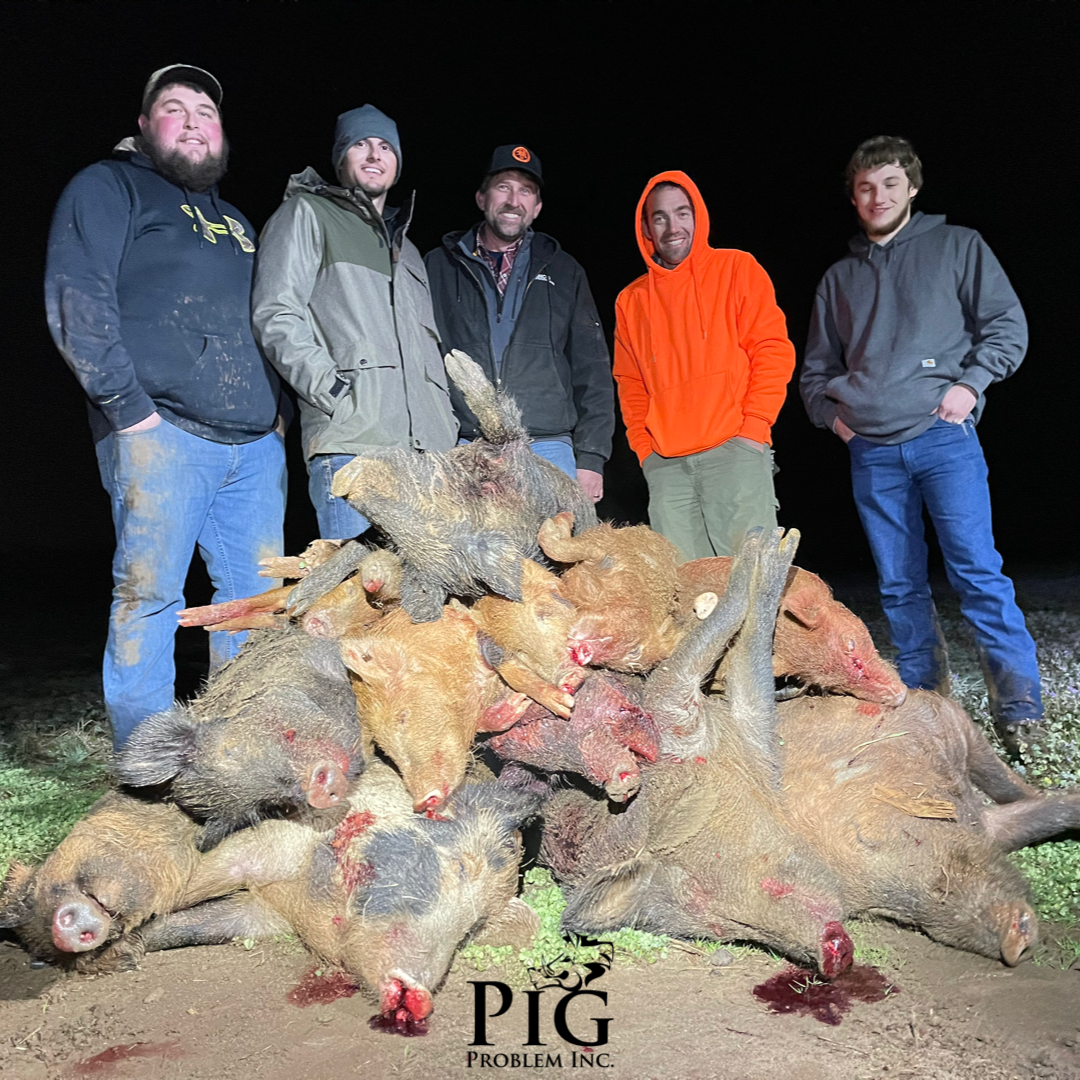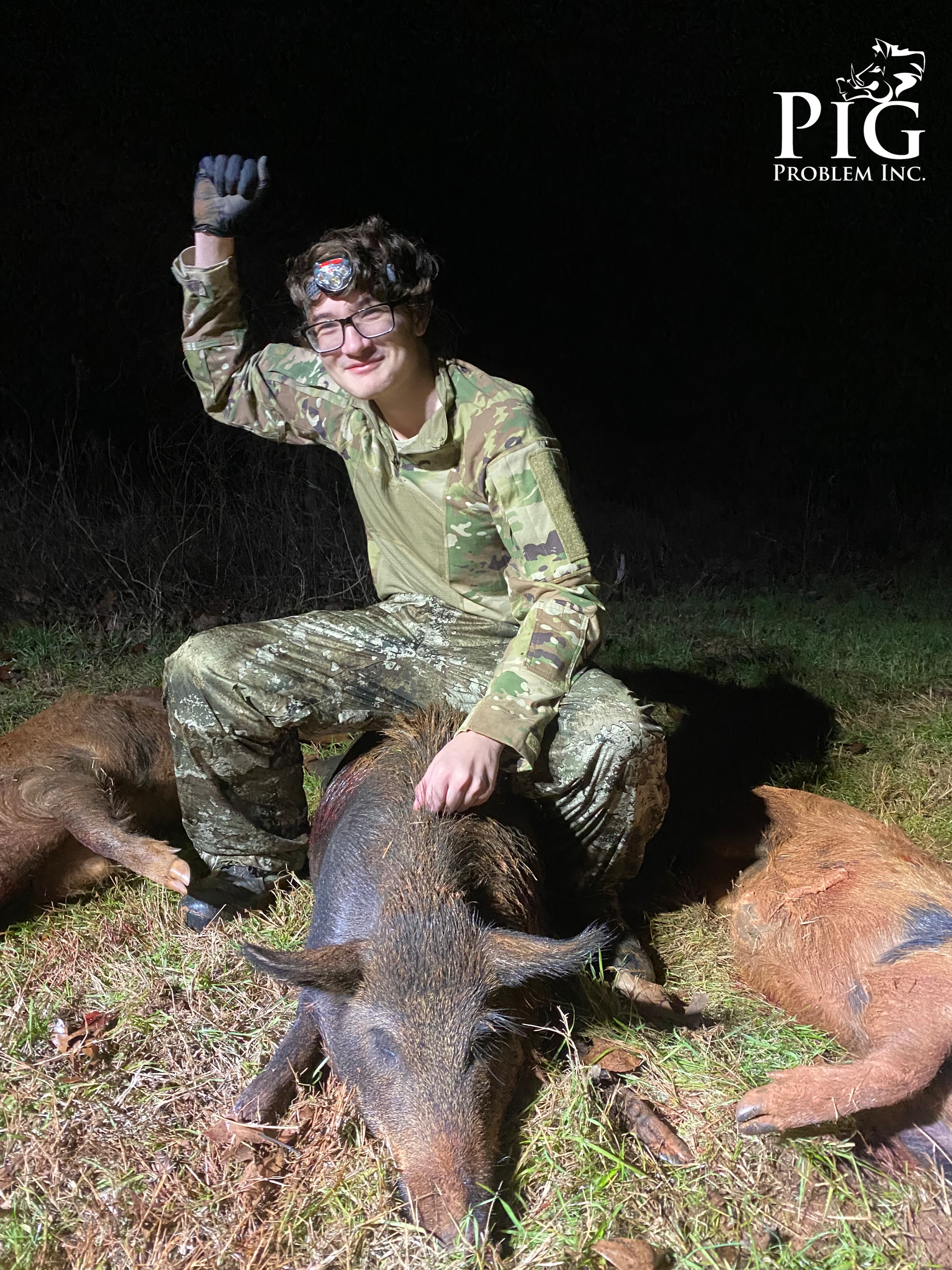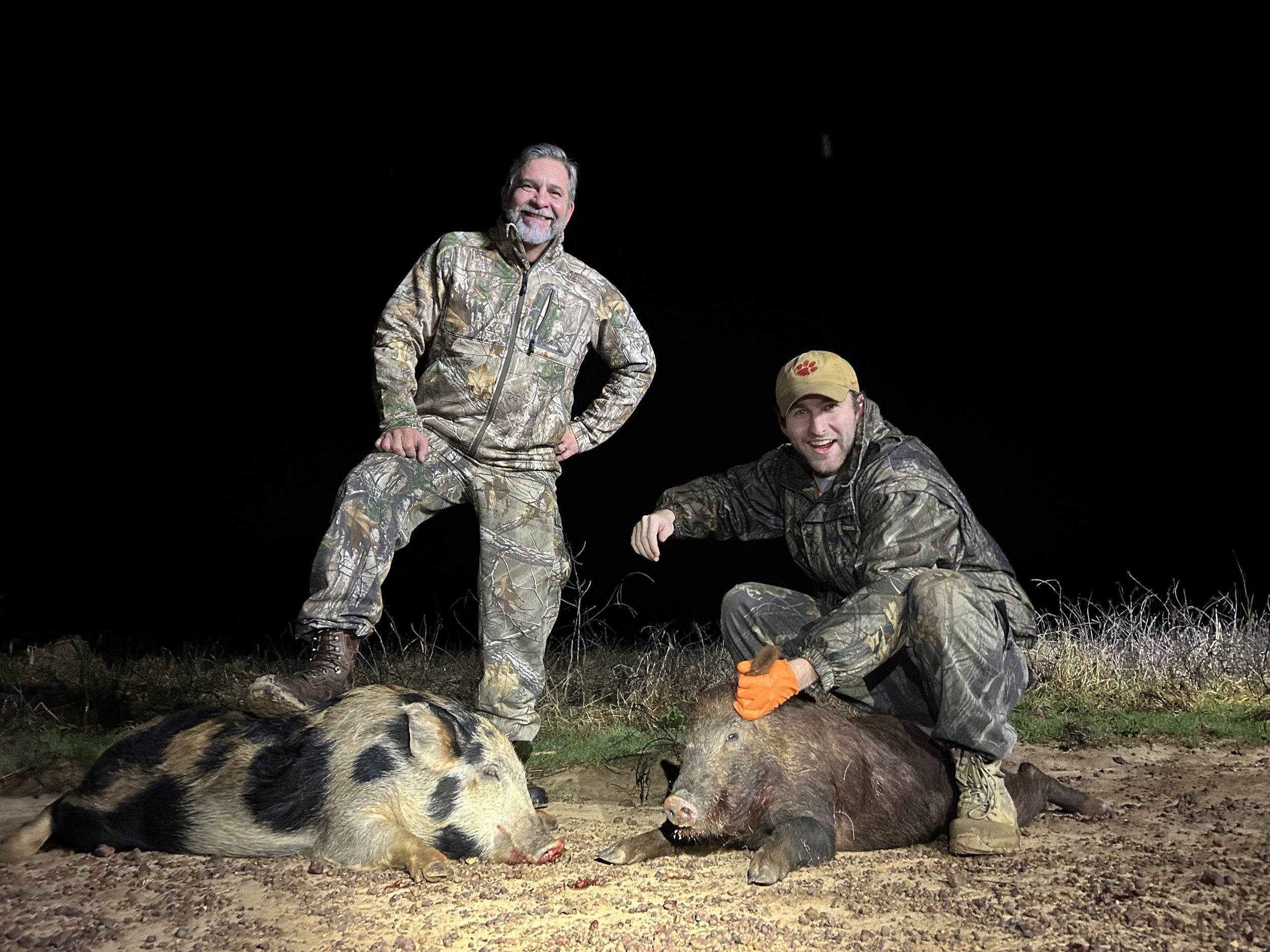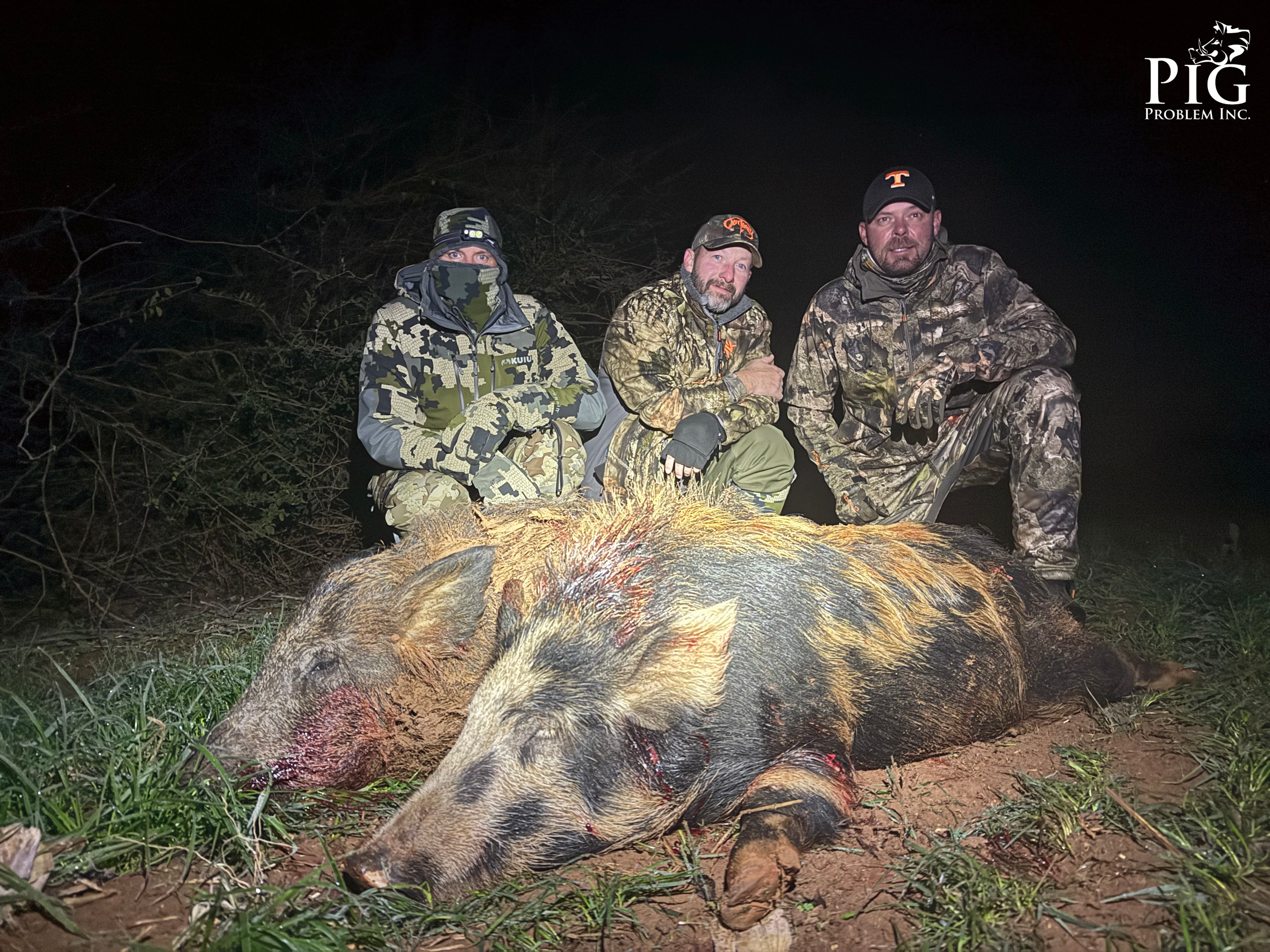
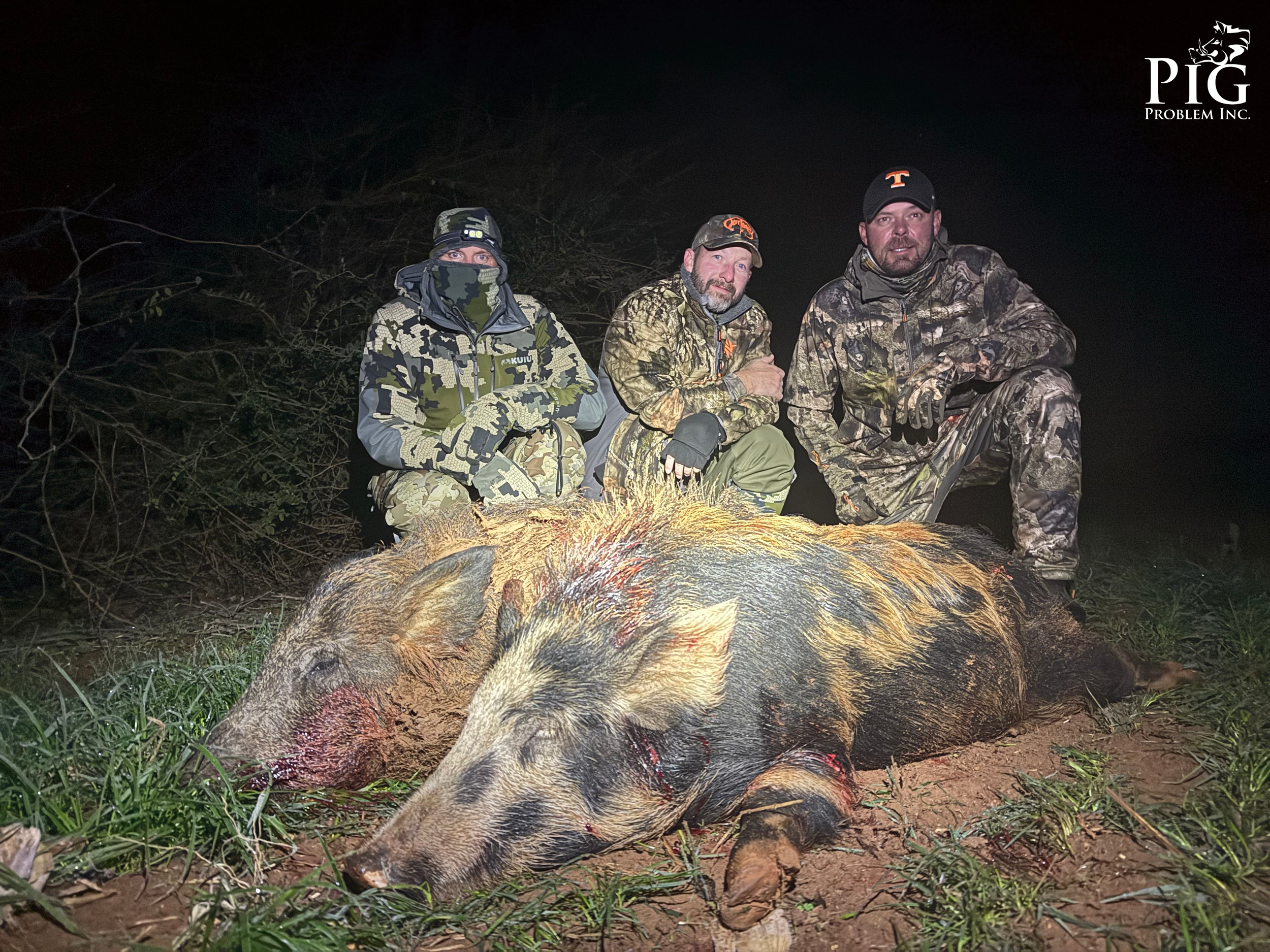
Photo: Wild Hog Hunting In Georgia @PigProblem
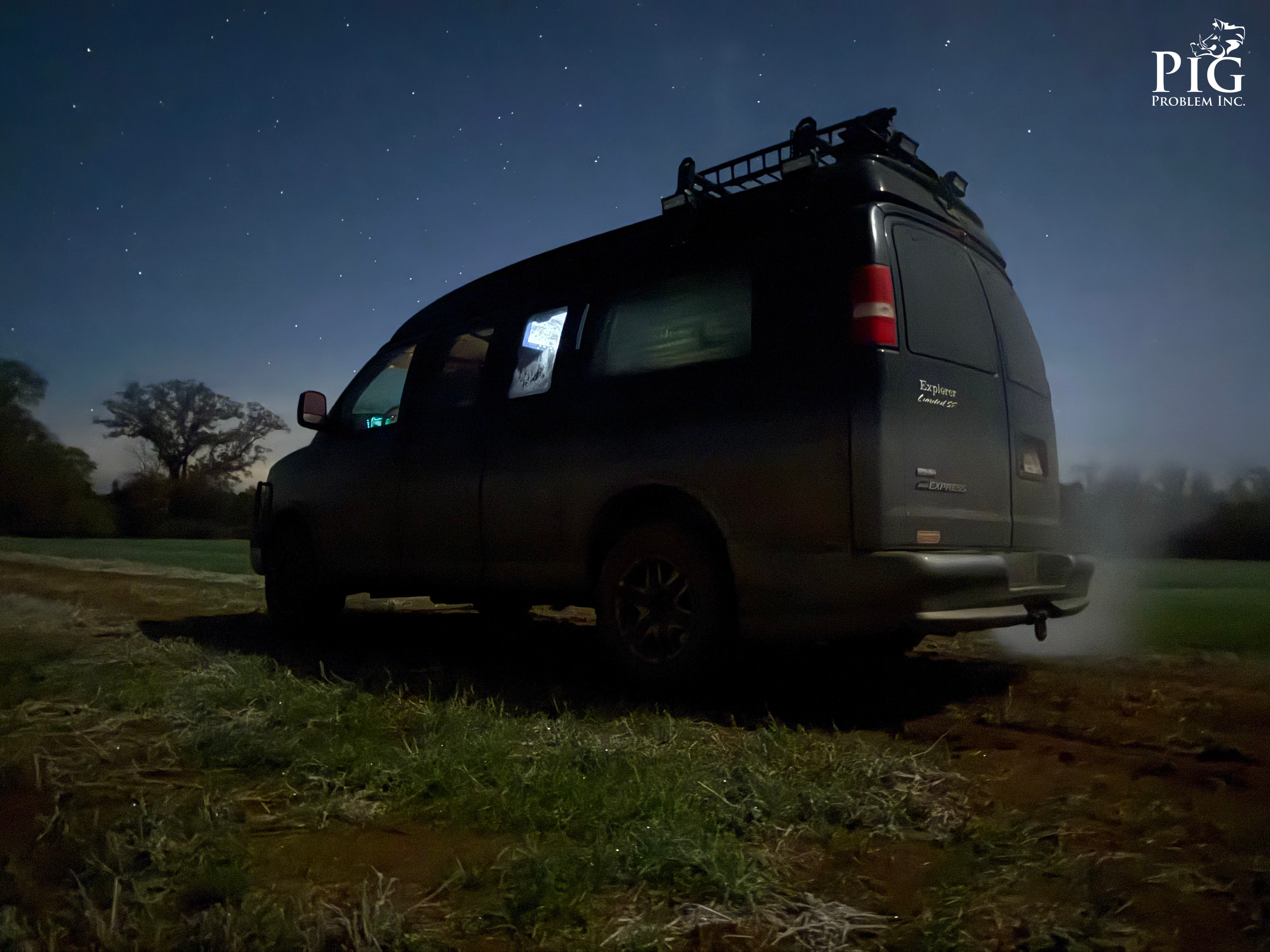
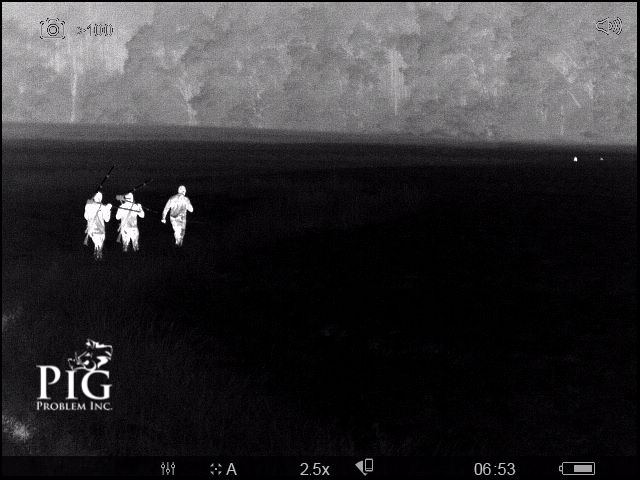
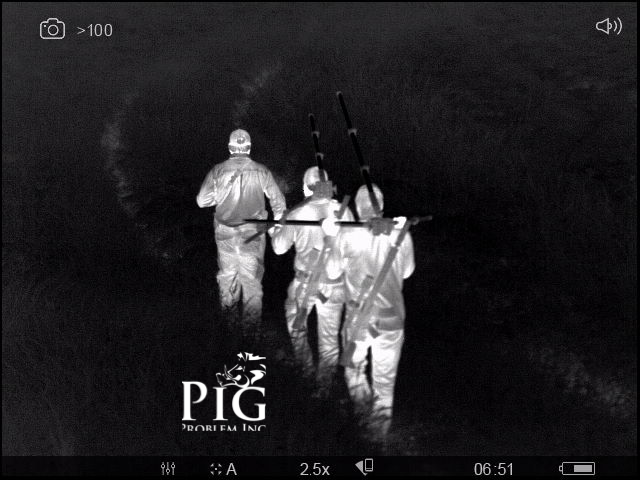
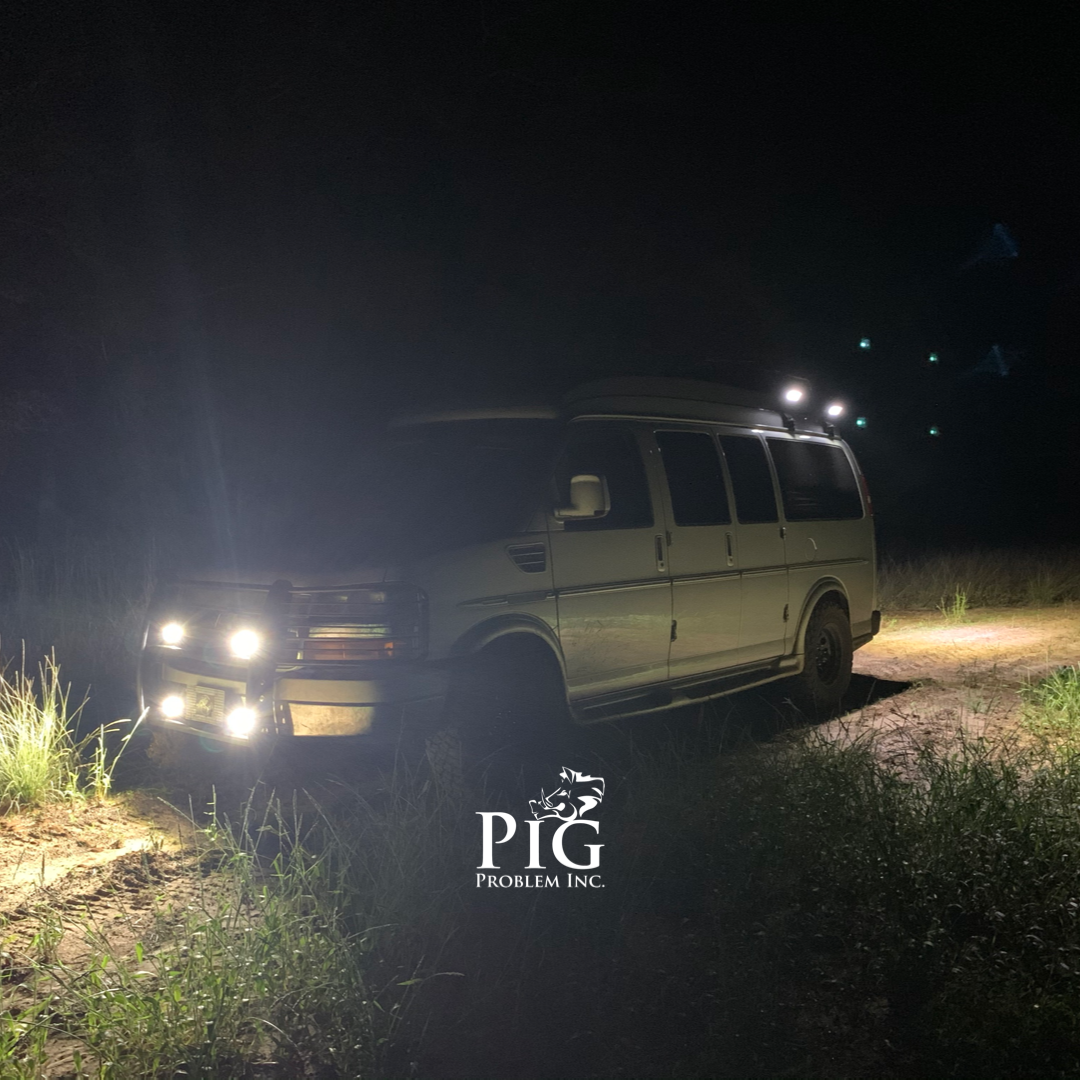
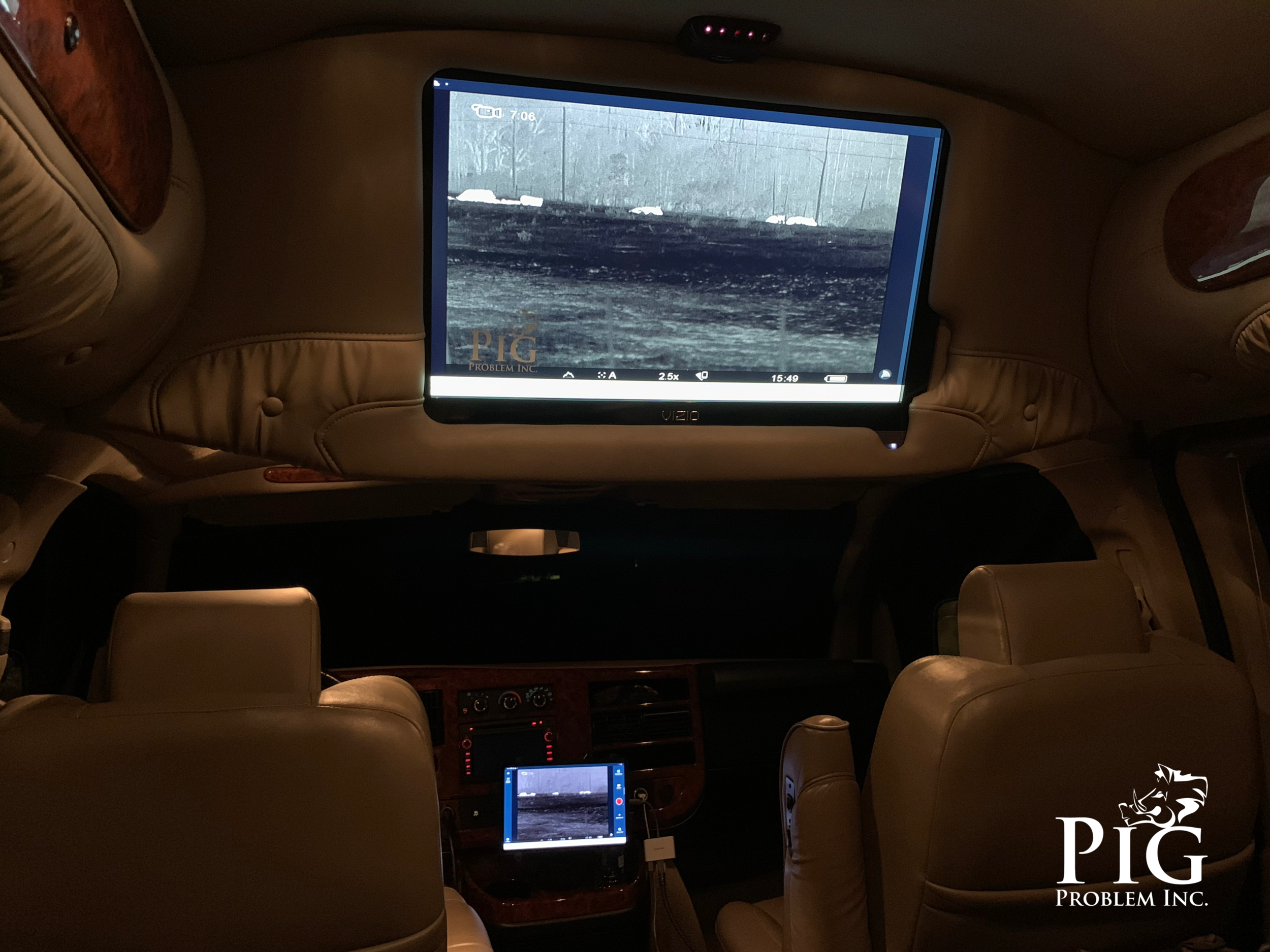
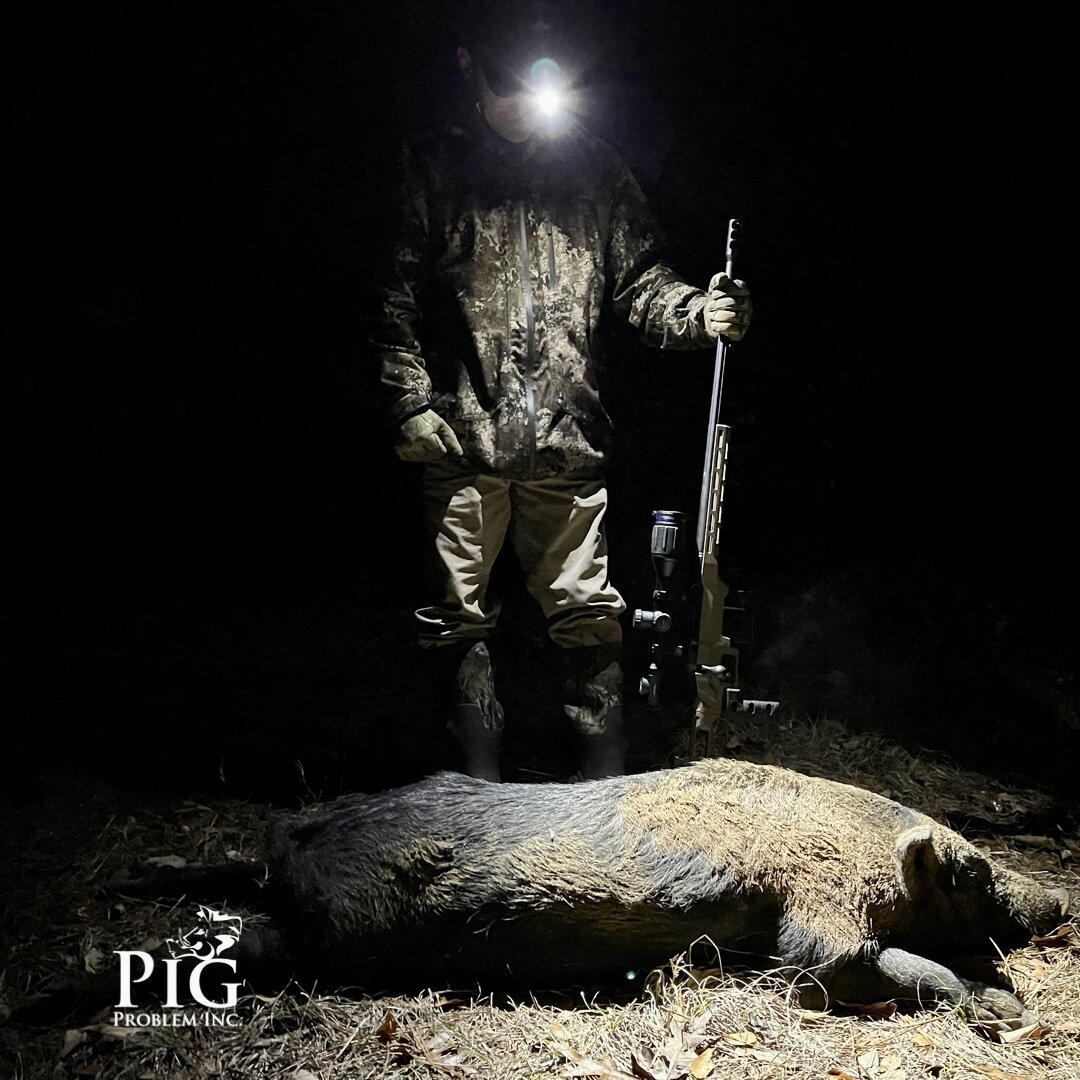
Photo: Hunting at Night @PigProblem
Night 2 picked up right where Night 1 left off — with freezing temperatures that had the fields shining and fog crystallizing in the beams of our lights. It was the kind of cold that’s rare for South Georgia and completely changes how Wild Hogs behave.
The first field of the night held a single hog, and the team made a clean approach. Even with solid encounters, the hog pushed deep into the trees after covering nearly 500 yards, leaving no opportunity for recovery.
Around midnight, another Lone Hog appeared — this time requiring a mile-long walk to get into position. The stalk was perfect, but this hog reacted the same way as the first, absorbing the impact and disappearing into the treeline.
Sometimes that’s just how wild hogs are built:
tough, driven, and capable of covering incredible distances when pressured.
But persistence always pays off.
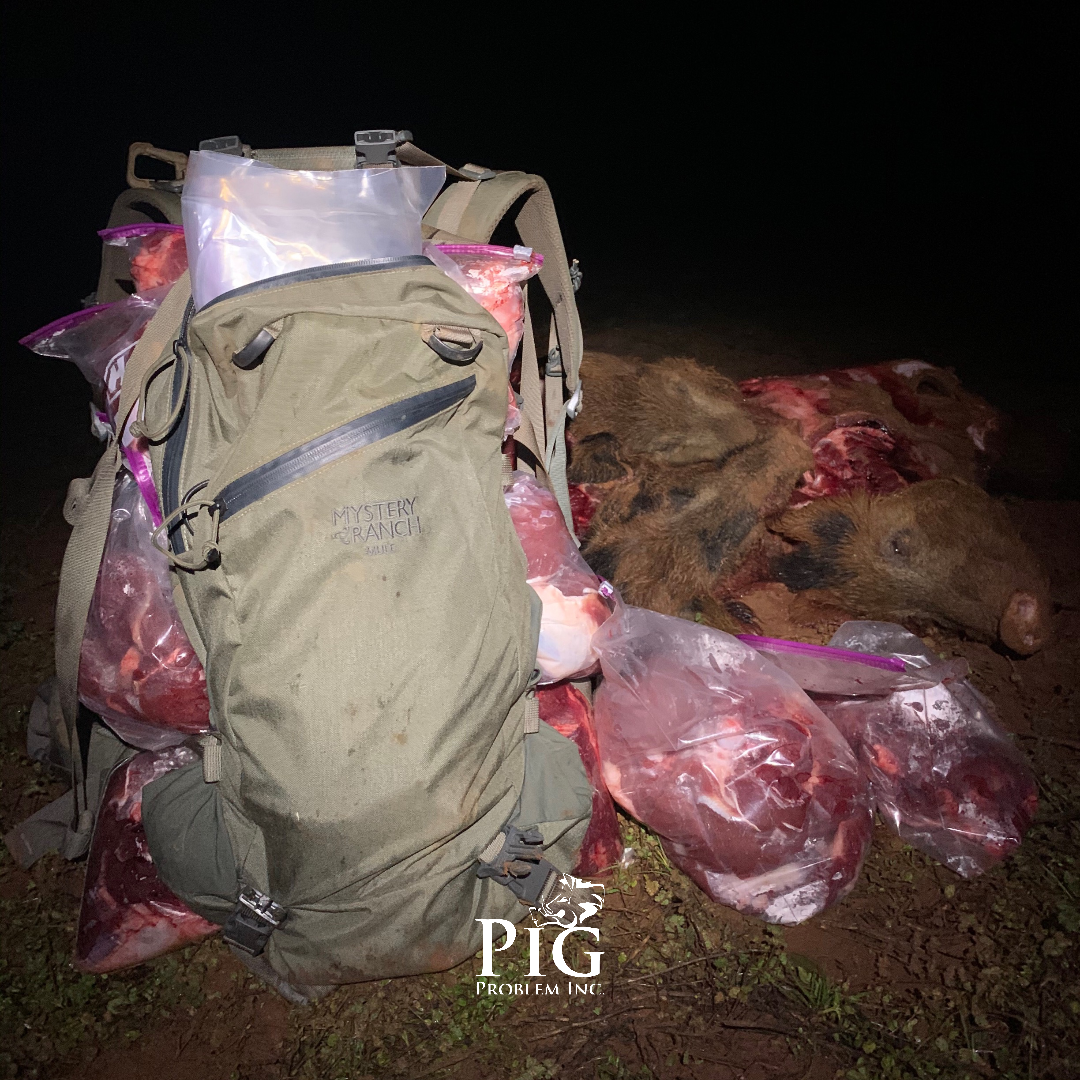
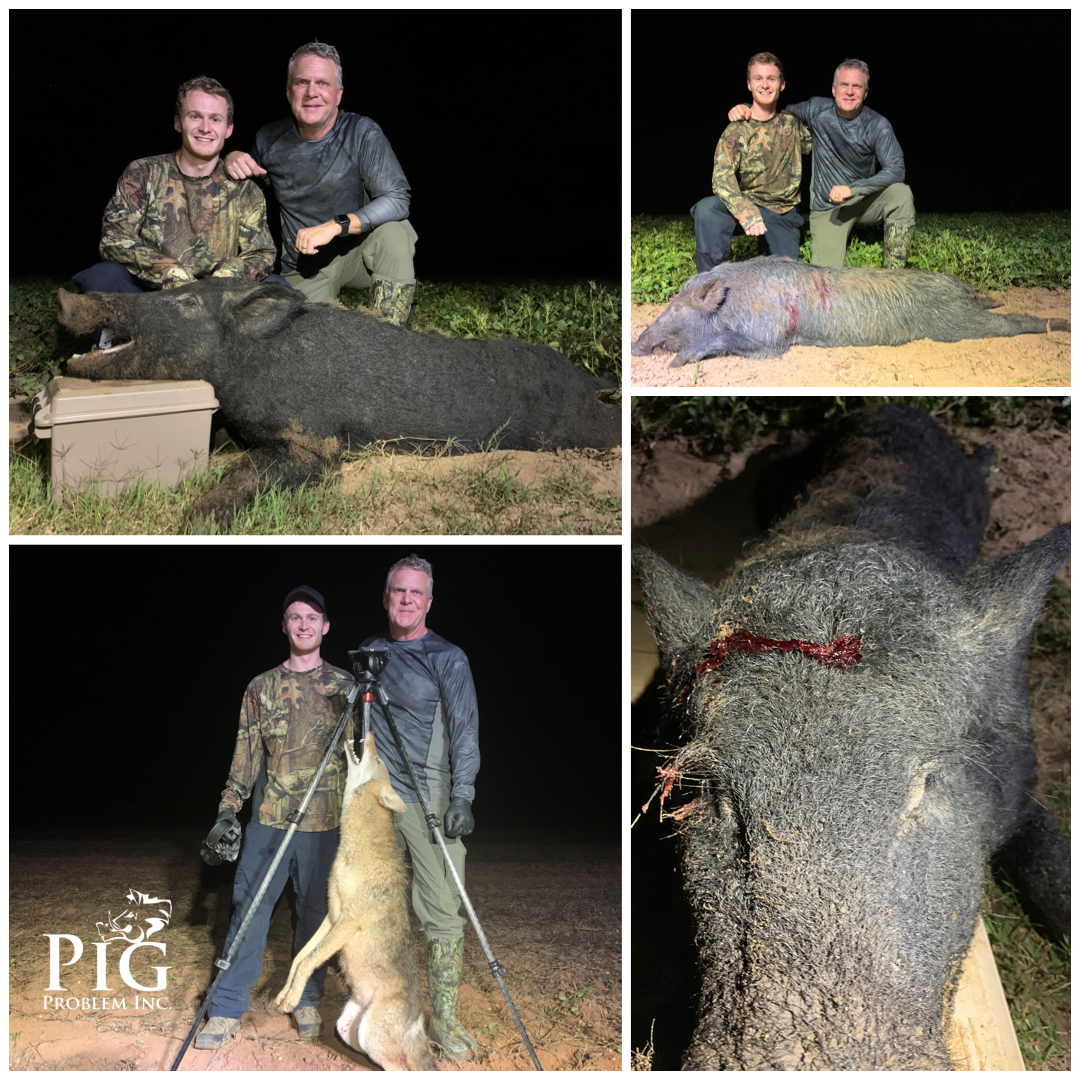
Later in the night, the crew located a group of three, and this time everything came together. Two hogs were recovered in the field, while the third slipped into cover that couldn’t be safely searched. Still, it was a strong finish to a cold, challenging night.
One of the most memorable parts of the Thermal Hog Hunt wasn’t even a hog — it was the fog crystallizing in the freezing air, creating a sparkling curtain across the field. A rare and beautiful sight in South Georgia, especially during a Boar Hunt.
Two nights, shifting temperatures, miles walked, and multiple encounters… and another successful Thermal Hunt with Pig Problem.